

Vegan meal plans are designed to provide a balanced and nutritious diet while excluding all animal products. This approach to eating has gained popularity for various reasons, including health benefits, ethical considerations, and environmental concerns. A well-structured vegan meal plan can help individuals meet their nutritional needs while exploring a diverse range of flavors and ingredients.
When it comes to creating a vegan meal plan, salads often play a starring role. They are versatile, easy to prepare, and can be packed with nutrients. Incorporating salads into your daily meals not only adds variety but also enhances the overall healthiness of your diet. In this article, we’ll explore the benefits of adding salads to vegan meal plans, the essential components of a healthy salad, and some creative ideas to keep your meals exciting.
If you’re looking to enhance your vegan meal plans with delicious and nutritious options, consider exploring some creative salad ideas. A great addition to your repertoire is the Roasted Potato Salad with Mustard Walnut Vinaigrette, which combines hearty roasted potatoes with a tangy dressing that elevates the dish. You can find the recipe and more details in this article: Roasted Potato Salad with Mustard Walnut Vinaigrette. This salad not only complements your healthy eating goals but also adds a delightful twist to your vegan meals.
Key Takeaways
- Vegan meal plans offer a variety of health benefits and can be easily customized to fit individual dietary needs and preferences.
- Adding salads to vegan meal plans can increase nutrient intake, promote weight management, and support overall health and well-being.
- A healthy vegan salad typically includes a base of leafy greens, a variety of colorful vegetables, a source of protein, and a flavorful dressing.
- Creative vegan salad ideas include incorporating different grains, fruits, nuts, and seeds to add texture and flavor to the salad.
- Protein-packed vegan salad options include adding ingredients such as tofu, tempeh, chickpeas, quinoa, and edamame to increase the protein content of the salad.
Benefits of Adding Salads to Vegan Meal Plans
Salads are an excellent addition to any vegan meal plan for several reasons. First and foremost, they are a fantastic way to increase your intake of fruits and vegetables. Most people struggle to consume the recommended daily servings of produce, and salads can help bridge that gap. By incorporating a variety of colorful vegetables and fruits, you can ensure that you’re getting a wide range of vitamins, minerals, and antioxidants.
Another significant benefit of salads is their low-calorie density. Many salad ingredients are high in water content and fiber, which means you can eat a satisfying portion without consuming excessive calories. This can be particularly helpful for those looking to maintain or lose weight while still feeling full and satisfied. Additionally, salads can be tailored to fit any dietary need or preference, making them an adaptable choice for anyone following a vegan lifestyle.
Basic Components of a Healthy Vegan Salad
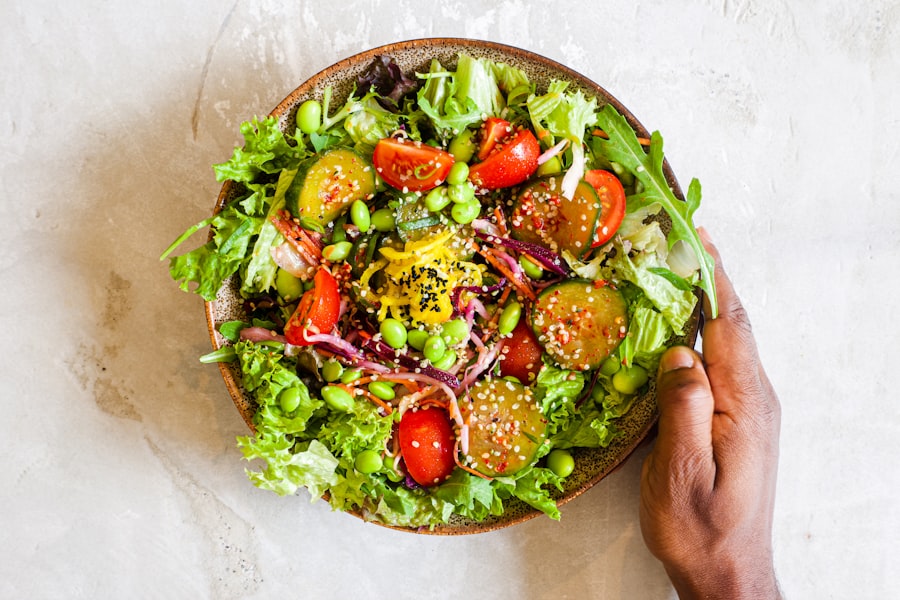
Creating a healthy vegan salad involves more than just tossing some greens in a bowl. A well-rounded salad should include several key components to ensure it’s both nutritious and satisfying. The foundation typically starts with leafy greens like spinach, kale, or romaine lettuce. These greens provide essential vitamins and minerals while serving as a base for other ingredients.
Next, consider adding a variety of colorful vegetables. Bell peppers, cucumbers, carrots, and tomatoes not only enhance the visual appeal of your salad but also contribute different nutrients and flavors. To add texture and substance, include whole grains like quinoa or brown rice, which can make your salad more filling. Finally, don’t forget about healthy fats; ingredients like avocado, nuts, or seeds can elevate the taste while providing essential fatty acids.
Creative Vegan Salad Ideas
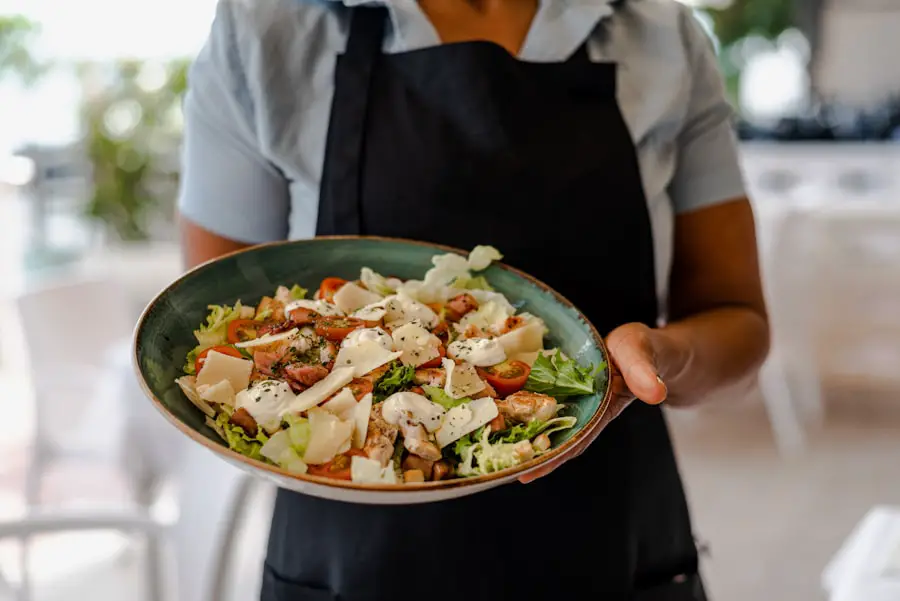
If you’re looking to spice up your salad game, there are countless creative ideas to explore. One popular option is the Mediterranean salad, which combines chickpeas, cucumbers, tomatoes, red onion, olives, and a sprinkle of feta-style vegan cheese. Drizzle it with a lemon-olive oil dressing for a refreshing meal that transports you straight to the Mediterranean coast.
Another fun idea is the Asian-inspired salad featuring shredded cabbage, carrots, edamame, and mandarin oranges. Toss it with a sesame-ginger dressing for a burst of flavor that’s both tangy and sweet. You can also experiment with seasonal ingredients; for instance, in the fall, try adding roasted butternut squash and cranberries for a warm and comforting salad that celebrates autumn’s bounty.
If you’re looking to enhance your vegan meal plans with delicious and nutritious options, consider exploring some creative salad ideas that can elevate your meals. A great resource for inspiration is an article that features a unique recipe for crispy salmon paired with a vibrant corn, blackberry, and shishito salad. You can check it out for a delightful twist on traditional salads by following this link: crispy salmon with corn, blackberry, and shishito salad. This combination not only adds flavor but also introduces a variety of textures that can complement your vegan dishes beautifully.
Protein-Packed Vegan Salad Options
| Salad Type | Ingredients | Calories per Serving | Protein (g) per Serving | Fiber (g) per Serving |
|---|---|---|---|---|
| Greek Salad | Cucumbers, tomatoes, red onion, olives, feta cheese, olive oil, lemon juice, oregano | 180 | 6 | 3 |
| Quinoa Salad | Quinoa, cherry tomatoes, cucumber, red onion, bell pepper, parsley, lemon juice, olive oil | 220 | 8 | 5 |
| Kale and Avocado Salad | Kale, avocado, cherry tomatoes, red onion, sunflower seeds, lemon juice, olive oil | 250 | 7 | 6 |
For those concerned about protein intake on a vegan diet, there are plenty of ways to create protein-packed salads that keep you energized throughout the day. One option is to incorporate legumes such as black beans or lentils. These ingredients not only provide protein but also add fiber and texture to your salad.
Another great source of plant-based protein is tofu or tempeh. Marinating and grilling or sautéing these soy products can add depth of flavor while boosting the protein content significantly. Additionally, consider adding nuts or seeds like pumpkin seeds or hemp seeds; they not only contribute protein but also healthy fats that enhance the overall nutritional profile of your salad.
If you’re looking to enhance your vegan meal plans with refreshing options, you might find inspiration in a delightful article about a cucumber and red onion salad. This dish not only complements a variety of meals but also adds a burst of flavor and nutrition to your plate. For more details on this vibrant salad, check out the full recipe here. Incorporating such healthy salad ideas can make your vegan journey both enjoyable and satisfying.
Dressing Options for Vegan Salads
A salad is only as good as its dressing, and fortunately, there are plenty of delicious vegan options available. You can easily whip up homemade dressings using simple ingredients like olive oil, vinegar, lemon juice, and herbs.
For a creamy dressing without dairy, try blending soaked cashews with garlic, nutritional yeast, and your choice of plant-based milk for a rich and satisfying flavor.
Store-bought dressings can also be convenient but be sure to check the labels for hidden animal products or excessive sugars. Many brands now offer vegan-friendly options that are both tasty and healthy. Experimenting with different dressings can completely transform your salad experience; don’t hesitate to try out various flavors until you find your favorites.
Tips for Meal Prepping Vegan Salads
Meal prepping can save time during busy weeks while ensuring you have healthy options readily available. When preparing vegan salads in advance, it’s essential to keep certain tips in mind to maintain freshness and flavor. Start by washing and chopping your vegetables ahead of time but store them separately from dressings to prevent sogginess.
Using mason jars is an excellent way to layer your salads for meal prep. Place heavier ingredients like grains or beans at the bottom, followed by sturdier vegetables like carrots or bell peppers. Add greens on top and keep the dressing in a separate container until you’re ready to eat. This method not only keeps everything fresh but also makes it easy to grab-and-go when you’re in a hurry.
Another tip is to choose ingredients that hold up well over time. For instance, kale is more durable than delicate greens like arugula or spinach. Incorporating roasted vegetables or grains can also add heartiness without compromising texture after a few days in the fridge.
Incorporating Healthy Salads into Vegan Meal Plans
Incorporating healthy salads into your vegan meal plan is an effective way to boost your nutrient intake while keeping meals interesting and satisfying. With their versatility and endless possibilities for creativity, salads can easily become a staple in your diet. By focusing on balanced components—like leafy greens, colorful vegetables, whole grains, and healthy fats—you can create delicious meals that nourish both body and mind.
As you explore different salad ideas and dressing options, don’t hesitate to experiment with flavors and textures that appeal to you. Whether you’re meal prepping for the week or whipping up a quick lunch on the go, salads offer an easy solution that aligns with your vegan lifestyle. So grab those greens and get creative; your taste buds—and your body—will thank you!
FAQs
1. What are some key ingredients for a healthy vegan salad?
Some key ingredients for a healthy vegan salad include leafy greens (such as spinach, kale, or arugula), a variety of colorful vegetables (such as bell peppers, tomatoes, and cucumbers), protein sources (such as chickpeas, tofu, or quinoa), and healthy fats (such as avocado or nuts).
2. What are some creative vegan salad dressing ideas?
Some creative vegan salad dressing ideas include a simple balsamic vinaigrette, a creamy tahini dressing, a zesty lemon and herb dressing, or a spicy peanut dressing. These dressings can be easily customized with different herbs, spices, and citrus flavors to suit your taste preferences.
3. How can I add variety to my vegan salad meals?
You can add variety to your vegan salad meals by incorporating different textures, flavors, and cooking methods. For example, you can mix raw and cooked vegetables, add crunchy toppings like seeds or croutons, or experiment with different types of grains or legumes as a base for your salad.
4. What are some tips for meal prepping vegan salads for the week?
Some tips for meal prepping vegan salads for the week include washing and chopping your vegetables in advance, storing ingredients separately to maintain freshness, and choosing hearty greens and grains that won’t wilt or become soggy over time. You can also prepare a large batch of dressing to use throughout the week.
5. How can I ensure that my vegan salad provides enough nutrients and protein?
To ensure that your vegan salad provides enough nutrients and protein, aim to include a variety of colorful vegetables, a good source of plant-based protein (such as beans, lentils, or tofu), and healthy fats (such as avocado or olive oil). You can also incorporate nutrient-dense ingredients like quinoa, nuts, and seeds to boost the nutritional value of your salad.