

Chess pie has a rich history that traces back to the early American colonies, particularly in the Southern states. Its origins are somewhat murky, but it is believed to have evolved from English custard pies brought over by settlers. The name “chess” is thought to derive from the word “cheese,” which was once used to describe a variety of custard-like desserts. Over time, the recipe transformed, shedding its cheese component and becoming the sweet, creamy pie we know today.
As the pie gained popularity in the South, it became a staple at family gatherings and church potlucks. Its simplicity and affordability made it an accessible dessert for many households. The traditional chess pie is characterized by its rich filling made from sugar, eggs, butter, and a splash of vinegar or lemon juice, which adds a delightful tang. This combination of ingredients not only made it a favorite among home bakers but also solidified its place in Southern culinary tradition.
Chess pie, a classic Southern dessert known for its rich, custard-like filling, has a unique history and flavor profile that often sparks curiosity among dessert enthusiasts. If you’re interested in exploring more about traditional recipes, you might enjoy learning about the vibrant flavors of Indian cuisine, such as in this authentic Indian chicken curry recipe. This dish showcases a different culinary tradition but shares the same spirit of comfort and home-cooked goodness that makes chess pie so beloved.
Key Takeaways
- Chess pie has humble origins and has become a staple in Southern cuisine.
- The simple yet indulgent ingredients of chess pie include sugar, butter, eggs, and vinegar.
- The irresistible allure of chess pie lies in its sweet, custard-like filling and flaky crust.
- Different regions have their own variations of chess pie, such as adding cornmeal or buttermilk.
- Chess pie pairs perfectly with whipped cream, fresh fruit, or a scoop of vanilla ice cream.
The Ingredients: Exploring the Simple Yet Indulgent Components of Chess Pie
At first glance, the ingredients for chess pie may seem unremarkable. However, it’s this simplicity that contributes to its charm. The core components include sugar, eggs, butter, and a liquid element—often vinegar or milk. Each ingredient plays a crucial role in creating the pie’s signature texture and flavor. The sugar provides sweetness, while the eggs lend richness and structure. Butter adds a velvety mouthfeel, and the vinegar or milk introduces a subtle acidity that balances the sweetness.
One of the most appealing aspects of chess pie is its versatility. While the classic recipe is beloved, variations can include additional flavors like vanilla, chocolate, or even coconut. These ingredients can be easily swapped or added to create a personalized version of this traditional dessert. The beauty of chess pie lies in its ability to adapt while still maintaining its essential character.
The Allure of Chess Pie: What Makes This Dessert So Irresistible?
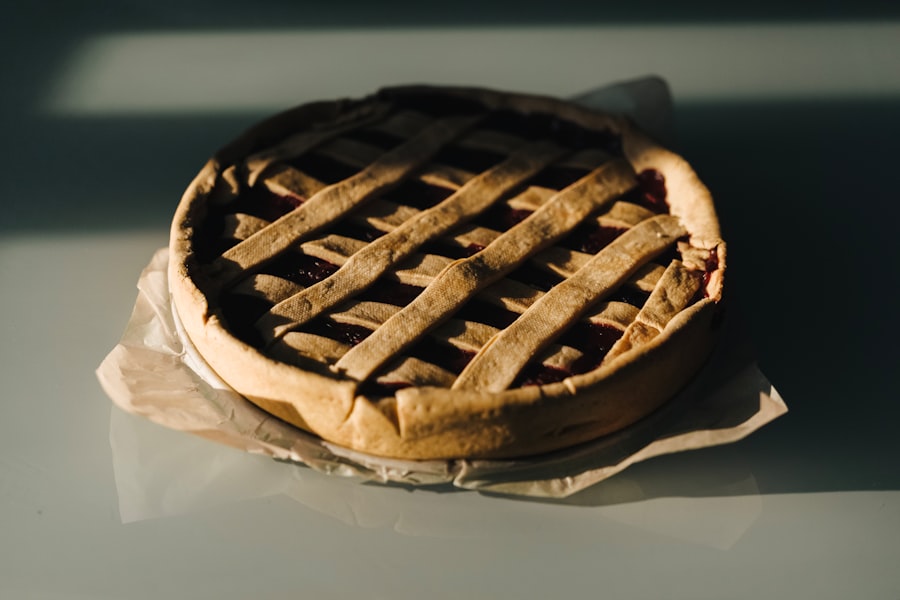
What is it about chess pie that makes it so irresistible? For many, it’s the combination of textures and flavors that creates a unique dessert experience. The filling is creamy and smooth, with a slight crust on top that adds a satisfying contrast.
Each bite offers a delightful balance of sweetness and tanginess, making it hard to stop at just one slice. Moreover, chess pie evokes a sense of nostalgia for many who grew up enjoying it at family gatherings or holiday celebrations. It’s more than just a dessert; it’s a connection to memories and traditions.
The aroma of a freshly baked chess pie wafting through the house can transport you back to simpler times, making it a comforting choice for any occasion.
Regional Variations: How Different Regions Put Their Own Spin on Chess Pie
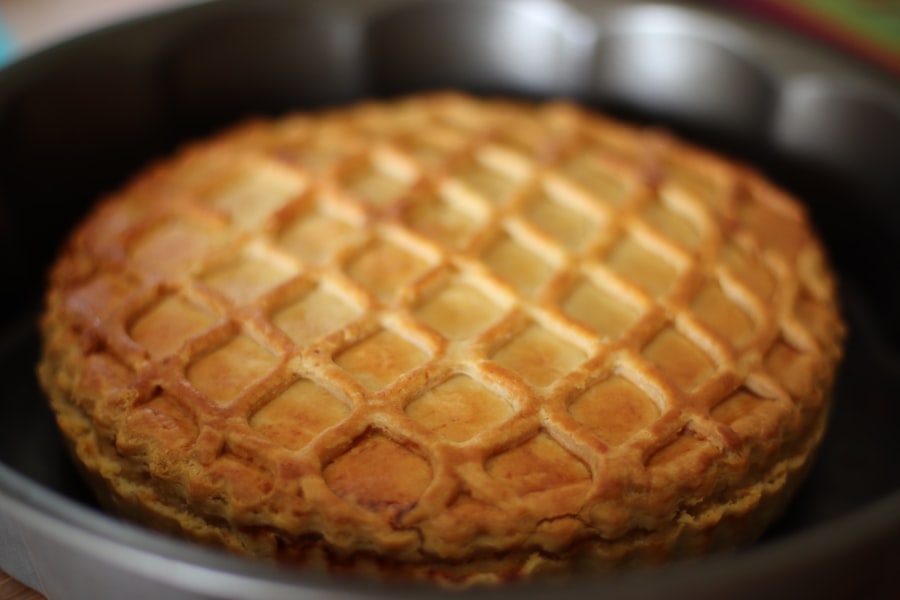
While chess pie is most commonly associated with the Southern United States, different regions have put their own spin on this classic dessert. In some areas, you might find chocolate chess pie, which incorporates cocoa powder into the filling for a rich, chocolatey twist. Others may add nuts or fruit to create unique flavor profiles that reflect local tastes.
In addition to flavor variations, the crust can also differ from region to region. Some bakers opt for a traditional flaky crust, while others may use graham cracker or cookie crusts for added texture and flavor. These regional adaptations showcase the creativity of home bakers and highlight how chess pie can evolve while still remaining true to its roots.
Chess pie is a classic Southern dessert known for its rich, custard-like filling and flaky crust, often flavored with ingredients like vanilla or lemon. If you’re looking to explore more creative culinary ideas, you might find inspiration in a related article about how to make a vision board that works. This article can help you visualize your goals, including those related to your baking adventures. For more details, check out the article here.
The Perfect Pairing: Discovering the Ideal Accompaniments for Chess Pie
| Attribute | Value |
|---|---|
| Calories | 320 |
| Total Fat | 18g |
| Cholesterol | 90mg |
| Sodium | 220mg |
| Total Carbohydrates | 35g |
| Protein | 4g |
When it comes to enjoying chess pie, finding the right accompaniments can elevate the experience even further.
A dollop of freshly whipped cream is a classic choice that adds lightness and creaminess to each bite.
Alternatively, a scoop of vanilla ice cream can provide a delightful contrast in temperature and texture.
For those looking to enhance the flavor profile, consider pairing chess pie with fresh berries or a berry compote. The tartness of the fruit complements the sweetness of the pie beautifully. Additionally, a cup of coffee or tea can serve as an excellent beverage pairing, balancing out the richness of the dessert while providing a comforting finish to your meal.
Chess pie, a classic Southern dessert known for its rich and custardy filling, often sparks interest in other delightful treats that showcase the beauty of simple ingredients. For those who enjoy baking, a related article on a scrumptious raspberry jam crumb cake can provide inspiration for your next culinary adventure. This cake combines the tartness of raspberries with a buttery crumb topping, making it a perfect complement to the sweetness of chess pie. To explore this delicious recipe, you can visit this link for more details.
Modern Twists: Creative Ways to Update and Elevate the Classic Chess Pie
In recent years, bakers have begun experimenting with chess pie in exciting ways that breathe new life into this classic dessert. One popular trend is incorporating seasonal flavors—think pumpkin spice chess pie in the fall or lemon chess pie in the summer. These variations not only keep the dessert fresh but also allow bakers to showcase local ingredients.
Another modern twist involves using alternative sweeteners or gluten-free crusts to cater to dietary preferences. For instance, using coconut sugar instead of granulated sugar can add a caramel-like flavor while making it slightly healthier.
Similarly, almond flour crusts can provide a nutty flavor that pairs well with the rich filling.
These adaptations ensure that chess pie remains relevant in today’s diverse culinary landscape.
Baking Tips: Expert Advice for Achieving the Perfect Chess Pie Every Time
Baking a perfect chess pie may seem straightforward, but there are some tips and tricks that can help ensure success every time you whip one up. First and foremost, make sure your ingredients are at room temperature before mixing them together. This helps create a smooth filling without lumps.
Another key tip is to avoid overbaking your pie. Chess pie should be set around the edges but still slightly jiggly in the center when you take it out of the oven. It will continue to firm up as it cools, so err on the side of caution to prevent a dry filling. Lastly, let your pie cool completely before slicing; this will help maintain its shape and make for cleaner slices.
Sharing the Love: How to Spread the Joy of Chess Pie with Friends and Family
One of the best things about chess pie is its ability to bring people together. Sharing this dessert with friends and family can create lasting memories and foster connections over good food. Consider hosting a pie night where everyone brings their own version of chess pie or other desserts for a fun tasting event.
You can also gift homemade chess pies to neighbors or friends during special occasions or holidays. A beautifully packaged pie can be a thoughtful gesture that shows you care. Whether it’s for birthdays, holidays, or just because, sharing chess pie is an excellent way to spread joy and create moments worth savoring together.
In conclusion, chess pie is more than just a dessert; it’s a slice of history and tradition that continues to evolve while remaining beloved by many. With its simple ingredients and rich flavors, it’s no wonder this Southern staple has found its way into homes across America and beyond. Whether you’re enjoying it as-is or experimenting with modern twists, there’s no denying that chess pie has earned its place in our hearts—and on our tables.
FAQs
What is Chess pie?
Chess pie is a traditional Southern dessert that consists of a simple filling made from sugar, butter, eggs, and a small amount of cornmeal or flour, all of which are mixed together and poured into a pie crust.
Where did Chess pie originate?
The exact origins of Chess pie are unclear, but it is believed to have originated in the Southern United States, with some sources suggesting it may have been brought over by English settlers.
What does Chess pie taste like?
Chess pie has a sweet, rich, and custard-like filling with a slightly crunchy texture from the cornmeal or flour. It is often flavored with vanilla, lemon, or vinegar, giving it a unique and delicious taste.
How is Chess pie different from other pies?
Chess pie is distinct from other pies due to its simple and minimalistic filling, which sets it apart from more elaborate and complex pie fillings. It is also known for its unique flavor and texture.
What are some variations of Chess pie?
There are several variations of Chess pie, including buttermilk chess pie, lemon chess pie, and chocolate chess pie. These variations often involve adding different ingredients or flavors to the basic Chess pie recipe.