

When it comes to crafting a crunchy Asian salad, the foundation lies in selecting the right ingredients. Freshness is key, so aim for vibrant vegetables that not only provide a satisfying crunch but also a burst of flavor. Think about incorporating classic Asian staples like napa cabbage, which has a delicate crunch, or bok choy, known for its crisp texture. Carrots are another excellent choice; they add both color and a sweet crunch that balances well with other ingredients.
Don’t forget about bell peppers, especially the red and yellow varieties, which bring a sweet crunch and a pop of color to your salad. Cucumbers are also essential; their high water content makes them refreshing and crisp. For an extra layer of flavor, consider adding radishes or snap peas. These ingredients not only enhance the texture but also contribute to the overall aesthetic of your dish, making it visually appealing as well as delicious.
If you’re looking to complement your Crunchy Asian Salad with a delicious dessert, you might want to check out this article on making fudgy brownies. These brownies, inspired by Deliciously Ella, offer a rich and satisfying finish to your meal. For the full recipe, visit Fudgy Brownies from Deliciously Ella.
Key Takeaways
- Choose fresh, crisp vegetables like cabbage, carrots, and bell peppers for a crunchy base.
- Cut vegetables uniformly and soak them in ice water to enhance their crunchiness.
- Add a mix of nuts and seeds, such as almonds and sesame seeds, for extra texture and flavor.
- Select proteins like grilled chicken or tofu that complement the salad without overpowering it.
- Use a tangy dressing made with soy sauce, rice vinegar, and sesame oil to elevate the salad’s taste.
Preparing Fresh Vegetables for Maximum Crunch
Once you’ve chosen your vegetables, the next step is preparation. The way you cut your veggies can significantly impact their crunchiness. For instance, julienning carrots or slicing cucumbers into thin rounds can create a delightful texture that’s easy to eat. When it comes to leafy greens like napa cabbage or bok choy, make sure to wash them thoroughly and dry them well. Excess moisture can lead to sogginess, which is the enemy of a crunchy salad.
Another tip is to let your vegetables sit in ice water for a few minutes before serving. This technique not only keeps them crisp but also enhances their color. After soaking, drain and pat them dry to remove any excess water. This simple step can elevate the crunch factor of your salad significantly, ensuring that each bite is as satisfying as the last.
Incorporating Nuts and Seeds for Added Texture
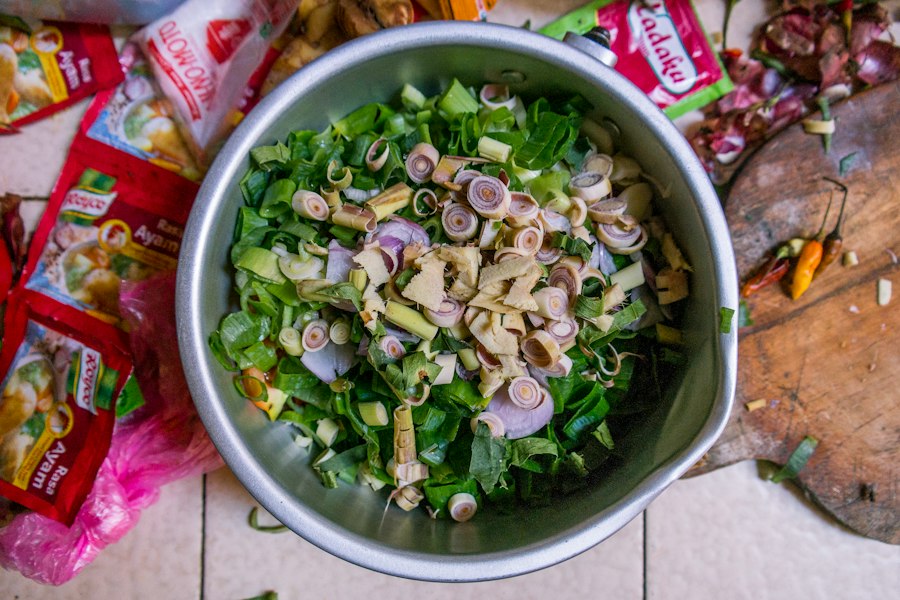
To take your crunchy Asian salad to the next level, consider adding nuts and seeds. These ingredients not only provide an additional layer of crunch but also contribute healthy fats and protein. Almonds, cashews, or peanuts are popular choices that pair well with Asian flavors. You can either chop them coarsely or leave them whole, depending on your preference.
Seeds like sesame seeds or sunflower seeds can also enhance the texture of your salad. Toasting them lightly before adding them to your dish can bring out their natural oils and deepen their flavor. A sprinkle of toasted sesame seeds over your salad not only adds crunch but also gives it an authentic Asian flair. The combination of fresh vegetables with nuts and seeds creates a delightful contrast that keeps each bite interesting.
Selecting the Perfect Protein to Complement Your Salad
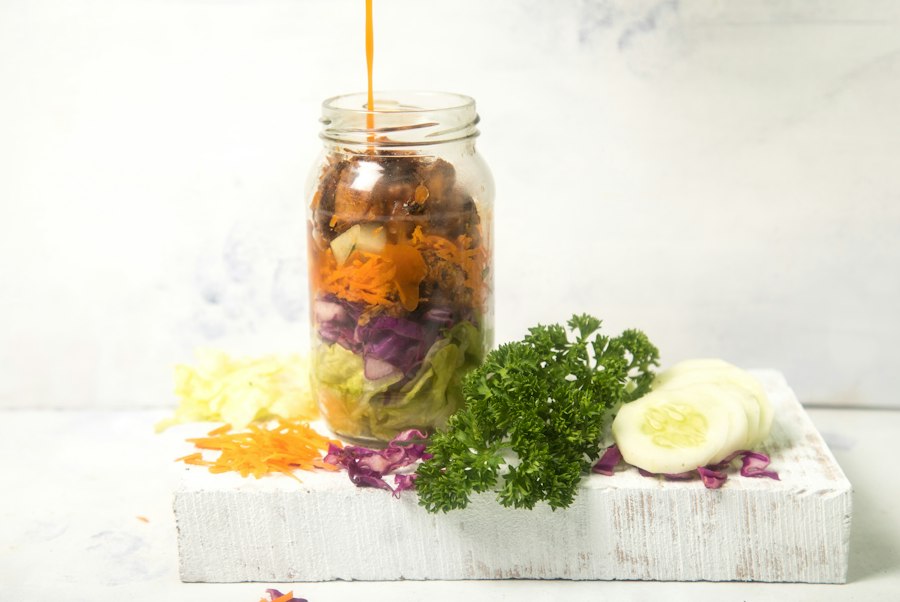
While vegetables and nuts provide crunch, adding a protein source can make your salad more filling and satisfying. Grilled chicken or shrimp are popular options that work well with Asian flavors. If you prefer plant-based proteins, consider tofu or edamame. Tofu can be marinated and grilled or sautéed for added flavor, while edamame offers a nice pop of texture.
When selecting your protein, think about how it will complement the other ingredients in your salad. For instance, if you’re using a tangy dressing, grilled chicken marinated in soy sauce can enhance those flavors beautifully. On the other hand, if you’re leaning towards a lighter dressing, shrimp sautéed with garlic and ginger can add a lovely depth without overpowering the dish.
If you’re looking to complement your crunchy Asian salad with a delicious main dish, consider trying out a recipe for steamed fish with ginger and scallions. This dish not only pairs well with the fresh flavors of the salad but also adds a healthy protein option to your meal. For a detailed guide on how to prepare this delightful dish, check out this article that walks you through the steps to create a flavorful and aromatic fish dish.
Crafting a Tangy and Flavorful Asian Dressing
| Ingredient | Quantity | Preparation | Notes |
|---|---|---|---|
| Napa Cabbage | 4 cups | Shredded | Provides crunch and mild flavor |
| Carrots | 1 cup | Julienned or shredded | Adds sweetness and color |
| Red Bell Pepper | 1 medium | Thinly sliced | For crunch and vibrant color |
| Green Onions | 3 stalks | Chopped | Gives a mild onion flavor |
| Chopped Cilantro | 1/4 cup | Chopped | Fresh herb flavor |
| Toasted Almonds | 1/2 cup | Chopped | Adds crunch and nuttiness |
| Sesame Seeds | 2 tbsp | Toasted | Enhances nutty flavor |
| Rice Vinegar | 3 tbsp | For dressing | Gives tanginess |
| Soy Sauce | 2 tbsp | For dressing | Provides umami and saltiness |
| Honey | 1 tbsp | For dressing | Adds sweetness |
| Sesame Oil | 1 tbsp | For dressing | Gives a toasted aroma |
| Garlic | 1 clove | Minced | Adds pungency |
A great salad is often defined by its dressing, and for an Asian salad, you want something that’s tangy and flavorful without being too heavy. A simple dressing can be made with soy sauce, rice vinegar, sesame oil, and a touch of honey or maple syrup for sweetness. This combination creates a balanced flavor profile that complements the freshness of your vegetables.
For an extra kick, consider adding minced garlic or ginger to your dressing. These ingredients not only enhance the flavor but also bring a bit of warmth to the dish. Whisk everything together until well combined, and taste as you go; adjusting the sweetness or acidity can make all the difference in achieving that perfect balance.
Tossing Techniques to Keep Your Salad Crisp
Once you have all your ingredients ready, it’s time to toss everything together.
However, how you toss your salad can affect its overall texture.
To keep your salad crisp, avoid over-mixing; instead, gently fold the ingredients together using tongs or two large spoons. This method helps maintain the integrity of the vegetables while ensuring that everything is evenly coated with dressing.
Another technique is to dress your salad just before serving. If you dress it too early, the vegetables may become soggy as they absorb moisture from the dressing. Instead, keep the dressing on the side until you’re ready to eat. This way, each bite remains fresh and crunchy, allowing you to enjoy the full range of textures in your salad.
Tips for Serving and Presentation
Presentation plays a significant role in how appetizing your salad looks. Start by choosing a large bowl or platter that allows for ample space to showcase your colorful ingredients. Layering is an effective technique; place your leafy greens at the bottom and then add your crunchy vegetables on top for visual appeal.
Consider garnishing with additional toppings like fresh herbs or extra nuts for added texture and color. A sprinkle of chopped cilantro or green onions can brighten up the dish and add an aromatic element that enhances the overall experience. Serving your salad family-style encourages sharing and makes it feel more inviting.
Variations and Add-Ins to Customize Your Crunchy Asian Salad
One of the best things about salads is their versatility; you can easily customize them based on what you have on hand or your personal preferences. For instance, if you want to add some fruit for sweetness, consider mandarin oranges or sliced mangoes. These fruits not only provide a refreshing contrast but also complement the savory elements beautifully.
You can also experiment with different grains like quinoa or brown rice for added substance. These grains can be mixed in with your salad for a heartier meal while still maintaining that crunchy texture from the fresh vegetables and nuts. Don’t hesitate to get creative—adding different herbs or spices can transform your salad into something uniquely yours.
In conclusion, crafting a crunchy Asian salad involves thoughtful ingredient selection and preparation techniques that enhance both flavor and texture. By focusing on fresh vegetables, incorporating nuts and seeds, selecting complementary proteins, and creating a tangy dressing, you can create a satisfying dish that’s perfect for any occasion. With some careful tossing and presentation tips, along with room for customization, you’ll have a delicious salad that’s sure to impress anyone at your table.
FAQs
What ingredients are typically used in a crunchy Asian salad?
A crunchy Asian salad typically includes a variety of fresh vegetables such as cabbage, carrots, bell peppers, and cucumbers. Additional ingredients may include edamame, green onions, and cilantro. For added crunch, nuts like peanuts or sesame seeds are often included, along with a dressing made from soy sauce, rice vinegar, and sesame oil.
How can I make my Asian salad dressing?
To make a simple Asian salad dressing, combine 1/4 cup of soy sauce, 2 tablespoons of rice vinegar, 1 tablespoon of sesame oil, and 1 tablespoon of honey or sugar. Whisk the ingredients together until well blended. You can also add minced garlic or ginger for extra flavor.
Can I add protein to my crunchy Asian salad?
Yes, you can easily add protein to your crunchy Asian salad. Common options include grilled chicken, shrimp, tofu, or edamame. These proteins not only enhance the nutritional value of the salad but also make it more filling.
How can I make my salad crunchier?
To make your salad crunchier, include a variety of fresh, raw vegetables such as shredded cabbage, carrots, and bell peppers. You can also add crunchy toppings like toasted nuts, seeds, or crispy wonton strips. Additionally, using fresh ingredients rather than pre-packaged ones can enhance the overall texture.
Is it possible to prepare the salad in advance?
Yes, you can prepare the salad in advance, but it’s best to keep the dressing separate until you’re ready to serve. This prevents the vegetables from becoming soggy. You can chop the vegetables and store them in an airtight container in the refrigerator for up to a day before serving.