Healthy Baking Substitutes for Guilt-Free Treats

Must Try

Baking can be a delightful experience, but it often comes with a hefty dose of sugar, refined flours, and unhealthy fats. However, by incorporating healthy substitutes, you can create delicious treats that are not only kinder to your waistline but also packed with nutrients. The benefits of using healthier ingredients extend beyond just personal health; they can also cater to dietary restrictions and preferences, making your baked goods more inclusive for friends and family.

When you opt for healthier baking substitutes, you’re not just making a choice for yourself; you’re also setting an example for those around you. It’s about creating a balance between indulgence and nutrition. By using natural sweeteners, whole grain flours, and healthier fats, you can enjoy the process of baking while also feeling good about what you’re serving. Plus, many of these substitutes can enhance the flavor and texture of your baked goods, making them even more enjoyable.

If you’re looking to enhance your healthy baking repertoire, you might find inspiration in a related article that explores nutritious ingredients in unexpected ways. Check out this delicious Citrus Ginger Tofu Salad with Buckwheat Soba Noodles, which showcases how to incorporate wholesome elements into your meals, making them both flavorful and guilt-free. This approach can be a great complement to your healthy baking endeavors, allowing you to enjoy treats without compromising on nutrition.

Key Takeaways

  • Healthy baking substitutes can enhance nutrition without sacrificing flavor.
  • Natural sweeteners like honey and maple syrup can effectively replace refined sugar.
  • Whole grain flours provide more fiber and nutrients compared to all-purpose flour.
  • Healthier fat alternatives, such as avocado oil and coconut oil, can improve the health profile of baked goods.
  • Egg substitutes like flaxseed and chia seeds are great for vegan and allergy-friendly recipes.

Replacing Refined Sugar: Natural Sweeteners That Work

Refined sugar is often the first ingredient people think of when it comes to baking, but there are plenty of natural sweeteners that can do the job just as well—if not better. Options like honey, maple syrup, and agave nectar not only provide sweetness but also come with their own unique flavors and health benefits. For instance, honey has antibacterial properties and can add a floral note to your recipes, while maple syrup brings a rich, earthy taste.

Another great alternative is coconut sugar, which has a lower glycemic index than regular sugar. This means it won’t spike your blood sugar levels as much, making it a better choice for those watching their sugar intake. Additionally, date sugar or pureed dates can add moisture and sweetness to your baked goods while providing fiber and essential nutrients. Experimenting with these natural sweeteners can lead to delightful discoveries in flavor and texture.

Choosing Whole Grain Flours Over All-Purpose Flour

healthy baking substitutes

When it comes to flour, all-purpose flour is often the go-to choice for many bakers. However, switching to whole grain flours can significantly boost the nutritional profile of your baked goods. Whole wheat flour retains the bran and germ of the wheat kernel, which means it’s packed with fiber, vitamins, and minerals that are often stripped away in refined flours.

Using whole grain flours can also enhance the flavor of your baked goods. They tend to have a nuttier taste that can complement many recipes beautifully. If you’re concerned about the texture, consider blending whole wheat flour with other flours like almond or oat flour to achieve a lighter consistency while still reaping the benefits of whole grains. This way, you can enjoy the best of both worlds—nutritional value and delicious taste.

Healthier Fat Alternatives: Oils and Butters
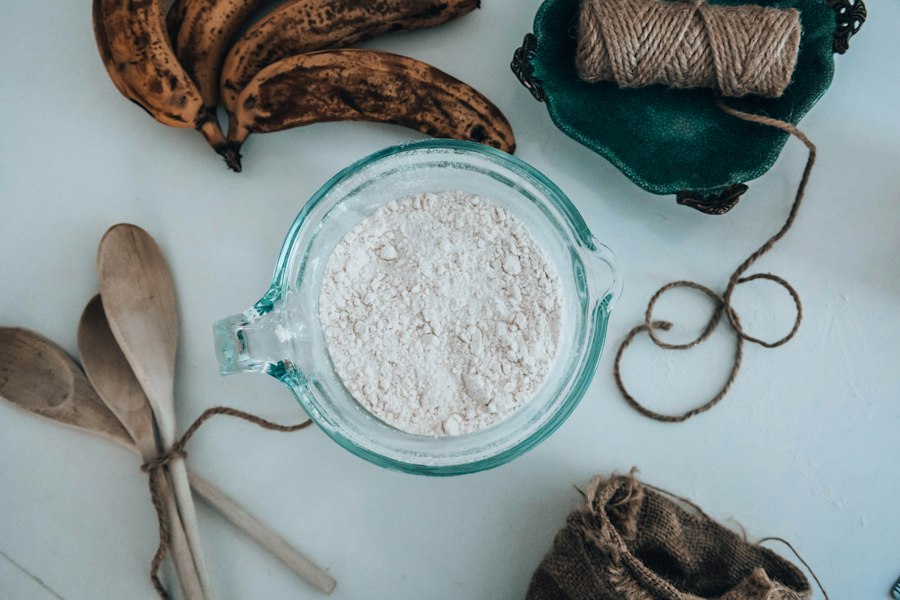
Photo healthy baking substitutes

Fats play a crucial role in baking, contributing to moisture and flavor. However, not all fats are created equal. Traditional butter can be high in saturated fats, which may not be ideal for everyone. Fortunately, there are several healthier alternatives that can still provide that rich taste without the guilt. For instance, using avocado oil or coconut oil can add healthy fats while keeping your baked goods moist.

If you prefer to stick with butter but want a healthier option, consider using grass-fed butter or ghee. These options contain higher levels of omega-3 fatty acids and vitamins compared to conventional butter. Additionally, you might explore nut butters like almond or cashew butter as substitutes in recipes where appropriate; they add creaminess and a unique flavor profile that can elevate your treats.

If you’re looking to indulge in guilt-free treats while still enjoying the flavors you love, exploring healthy baking substitutes can be a game changer. For those interested in combining delicious recipes with a sense of community, you might find inspiration in a related article that discusses how to give back during the holiday season. Check out this insightful piece on

These fruit-based options not only bind ingredients together but also add natural sweetness and moisture to your baked goods.

Silken tofu is another versatile alternative that can be blended into a smooth consistency for recipes like brownies or cakes. By experimenting with these substitutes, you can create delicious vegan treats without sacrificing texture or flavor.

Dairy-Free Milk Options for Moist and Flavorful Bakes

Milk is often a key ingredient in many baking recipes, contributing to moisture and richness. For those who are lactose intolerant or following a dairy-free lifestyle, there are numerous plant-based milk alternatives available today. Almond milk is a popular choice due to its light flavor and low calorie count, while coconut milk adds a creamy texture and subtle sweetness.

Soy milk is another excellent option that closely resembles cow’s milk in terms of protein content, making it a great substitute in recipes requiring structure and richness. Oat milk has gained popularity recently for its creamy consistency and ability to froth well in beverages; it works wonderfully in baked goods too. When choosing a dairy-free milk alternative, consider the flavor profile of your recipe to ensure it complements the other ingredients.

Adding Nutrient Boosters: Nuts, Seeds, and Superfoods

Incorporating nuts, seeds, and superfoods into your baking not only enhances flavor but also adds a significant nutritional boost. Nuts like walnuts or almonds provide healthy fats and protein while adding crunch to cookies or muffins. Seeds such as chia or flaxseeds are excellent sources of omega-3 fatty acids and fiber; they can be sprinkled on top of baked goods or mixed into batters for added texture.

Superfoods like cacao nibs or spirulina powder can also elevate your baking game. Cacao nibs add a rich chocolate flavor along with antioxidants, while spirulina powder offers a unique green hue and an array of vitamins and minerals. By integrating these nutrient-dense ingredients into your recipes, you’re not just baking; you’re creating wholesome treats that nourish the body.

Tips for Maintaining Texture and Taste with Healthy Swaps

Making healthy substitutions in baking doesn’t mean sacrificing taste or texture; it’s all about finding the right balance. One key tip is to start by replacing only half of the traditional ingredients with healthier options. This way, you can gradually adjust to the new flavors and textures without overwhelming your palate.

Another important aspect is to pay attention to moisture levels when using substitutes like whole grain flours or natural sweeteners. You may need to tweak the liquid content in your recipes slightly to achieve the desired consistency. Additionally, consider adding spices like cinnamon or vanilla extract to enhance flavors when using healthier ingredients; they can help mask any differences in taste while elevating your baked goods.

In conclusion, embracing healthy baking substitutes opens up a world of possibilities for creating delicious treats that are both satisfying and nutritious. By exploring natural sweeteners, whole grain flours, healthier fats, egg alternatives, dairy-free milks, nutrient boosters, and maintaining texture through thoughtful adjustments, you can enjoy baking without compromising on health or flavor. So why not give it a try? Your taste buds—and your body—will thank you!

FAQs

What are some common healthy substitutes for sugar in baking?

Common healthy substitutes for sugar include natural sweeteners like honey, maple syrup, agave nectar, and coconut sugar. Additionally, you can use fruit purees, such as applesauce or mashed bananas, which add sweetness along with moisture and nutrients.

Can I replace all-purpose flour with healthier options?

Yes, you can replace all-purpose flour with healthier options such as whole wheat flour, almond flour, oat flour, or coconut flour. Each of these alternatives offers different nutritional benefits and flavors, so it’s important to adjust the liquid content in your recipes accordingly.

What are some alternatives to butter in baking?

Alternatives to butter include coconut oil, avocado, applesauce, and nut butters. These substitutes can provide healthy fats and moisture while reducing saturated fat content in your baked goods.

How can I make my baked goods gluten-free?

To make baked goods gluten-free, you can use gluten-free flours such as almond flour, coconut flour, or gluten-free all-purpose flour blends. Additionally, incorporating ingredients like oats (ensure they are certified gluten-free) and using xanthan gum can help achieve the desired texture.

Are there any healthy substitutes for eggs in baking?

Yes, healthy substitutes for eggs include flaxseed meal mixed with water, chia seeds mixed with water, unsweetened applesauce, mashed bananas, or silken tofu. These alternatives can help bind ingredients and add moisture to your baked treats.

LEAVE A REPLY

Please enter your comment!
Please enter your name here

Latest Recipes

More Recipes Like This