

Panzanella salad is a delightful Italian dish that celebrates the simplicity of fresh ingredients, particularly during the summer months when tomatoes and cucumbers are at their peak. Originating from Tuscany, this salad is a fantastic way to use up stale bread, transforming it into a flavorful and satisfying meal. The combination of juicy tomatoes, crisp vegetables, and hearty bread creates a dish that is not only refreshing but also filling.
What makes Panzanella stand out is its versatility. You can easily adapt it to suit your taste or whatever ingredients you have on hand. Whether you’re looking for a light lunch, a side dish for dinner, or a picnic staple, Panzanella fits the bill. In this guide, we’ll walk through the essential steps to create a classic Panzanella salad, from selecting the right ingredients to serving it up beautifully.
If you’re looking to elevate your culinary skills beyond the classic Italian Panzanella salad, you might find inspiration in a related article that discusses the importance of checking your beauty routine for toxic ingredients. While it may seem unrelated, both cooking and personal care emphasize the significance of quality and health-conscious choices. To explore how to ensure your beauty products are safe and beneficial, check out this insightful piece on beauty routines at Flavorful Sips.
Key Takeaways
- Panzanella salad is a traditional Italian dish made with bread, tomatoes, and other fresh ingredients.
- Choose ripe, juicy tomatoes, high-quality olive oil, and crusty bread for the best results.
- To prepare the bread, cut it into cubes and toast them in the oven until they are crispy and golden brown.
- When preparing the vegetables, use a variety of colorful, seasonal options such as bell peppers, cucumbers, and red onions.
- The dressing is made with olive oil, vinegar, and seasonings like salt, pepper, and fresh herbs for a burst of flavor.
Choosing the Right Ingredients
The key to a great Panzanella salad lies in the quality of its ingredients.
Start with ripe, juicy tomatoes; they are the star of the show.
Heirloom varieties are particularly popular for their rich flavor and vibrant colors, but any fresh tomato will do. Look for tomatoes that feel heavy for their size and have a slight give when you press them gently.
Next, consider your choice of bread. Traditional recipes call for rustic Italian bread, like ciabatta or focaccia, but you can use any crusty loaf you have on hand. The bread should be stale or toasted to absorb the dressing without becoming mushy. Alongside the tomatoes, cucumbers add a refreshing crunch. Opt for English cucumbers or Persian cucumbers, as they have fewer seeds and a thinner skin, making them perfect for salads.
Don’t forget about the other vegetables! Red onions add a sharp bite, while bell peppers can introduce sweetness and color. Fresh herbs like basil or parsley are essential for that aromatic touch. Finally, consider adding olives or capers for an extra layer of flavor. The beauty of Panzanella is that you can mix and match based on what’s available and in season.
Preparing the Bread
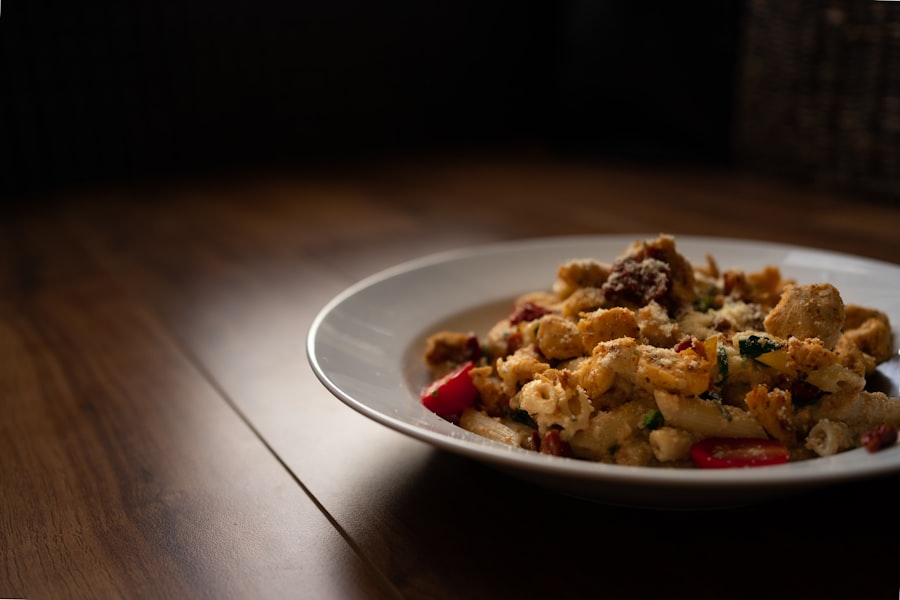
Once you’ve gathered your ingredients, it’s time to prepare the bread. If you’re using stale bread, cut it into bite-sized cubes. If your bread is fresh, you might want to toast it lightly in the oven to give it that desired texture. Preheat your oven to 375°F (190°C), spread the bread cubes on a baking sheet, and drizzle them with a little olive oil. Toss them to ensure they’re evenly coated and bake for about 10-15 minutes until they’re golden brown and crisp.
Letting the bread cool slightly before adding it to the salad is important. This way, it won’t soak up too much moisture from the vegetables and dressing right away. If you prefer a softer texture, you can also soak the bread in water for a few minutes before squeezing out the excess moisture. This method works well if you’re using very stale bread that might be too hard otherwise.
Preparing the Vegetables
With your bread ready, it’s time to focus on the vegetables. Start by washing your tomatoes thoroughly. If you’re using larger varieties, consider cutting them into wedges or chunks; smaller cherry or grape tomatoes can be halved or left whole for a more rustic look. The goal is to create pieces that are easy to eat while still showcasing their vibrant colors.
Next up is the cucumber. Peel it if you prefer a milder flavor or leave the skin on for added texture and nutrients. Slice it into rounds or half-moons, depending on your preference. If you’re using red onions, slice them thinly to ensure they blend well with the other ingredients without overpowering them. Soaking sliced onions in cold water for about 10 minutes can help mellow their sharpness if you find them too pungent.
Finally, chop your herbs finely and set them aside. Fresh herbs not only enhance the flavor but also add a pop of color to your salad. You can mix different herbs based on what you enjoy—basil is traditional, but parsley or mint can also work beautifully.
If you’re looking to elevate your culinary skills while enjoying fresh and vibrant flavors, you might also find inspiration in a related article that explores creative ways to enhance your living space. Check out this article on dorm room ideas that can help you create a cozy environment perfect for enjoying your homemade classic Italian Panzanella salad.
Making the Dressing
| Ingredients | Quantity |
|---|---|
| Bread (preferably stale) | 4 cups, cubed |
| Tomatoes | 4 large, chopped |
| Cucumber | 1 large, sliced |
| Red onion | 1 small, thinly sliced |
| Fresh basil | 1/2 cup, chopped |
| Garlic | 2 cloves, minced |
| Red wine vinegar | 1/4 cup |
| Extra virgin olive oil | 1/2 cup |
| Salt and pepper | To taste |
A good dressing can elevate your Panzanella salad from ordinary to extraordinary. The classic dressing is simple yet flavorful, typically made with high-quality extra virgin olive oil and red wine vinegar. Start with a ratio of three parts oil to one part vinegar; this balance allows the acidity of the vinegar to shine without overpowering the dish.
To make the dressing, whisk together the olive oil and vinegar in a small bowl until well combined. You can add a pinch of salt and freshly cracked black pepper to taste. For an extra kick, consider adding minced garlic or Dijon mustard; both can enhance the overall flavor profile without being too intrusive.
If you want to experiment further, try adding a touch of honey or maple syrup for sweetness or some lemon juice for brightness. The key is to taste as you go—adjusting the seasoning until it feels just right for your palate.
If you’re looking to elevate your culinary skills even further, you might want to explore the delightful flavors of whole baked fish, which pairs beautifully with fresh salads like panzanella. For a delicious recipe that complements your Italian feast, check out this article on whole baked fish in sea salt with parsley gremolata. This dish not only enhances your meal but also brings a touch of elegance to your dining experience.
Assembling the Salad
Now comes the fun part: assembling your Panzanella salad! In a large mixing bowl, combine your prepared vegetables—tomatoes, cucumbers, onions, and any other additions you’ve chosen. Gently toss them together to ensure an even distribution of flavors.
Next, add in your toasted or prepared bread cubes. It’s best to do this just before serving so that the bread retains some crunch while still soaking up the dressing’s flavors. Drizzle your dressing over the salad and toss everything together gently but thoroughly. You want each piece of bread and vegetable to be coated without breaking down the ingredients too much.
Letting the salad sit for about 15-30 minutes before serving allows the flavors to meld beautifully. This resting period also gives the bread time to absorb some of the juices from the vegetables and dressing without becoming overly soggy.
Serving and Storing the Salad
When it’s time to serve your Panzanella salad, consider using a large platter or bowl to showcase its vibrant colors. Garnish with additional fresh herbs or even some crumbled feta cheese if you like—this adds another layer of flavor and creaminess that complements the dish well.
Panzanella is best enjoyed fresh but can be stored in an airtight container in the refrigerator for up to two days. Keep in mind that as it sits, the bread will continue to absorb moisture from the vegetables and dressing, which may alter its texture over time. If you plan on making it ahead of time, consider keeping the dressing separate until just before serving.
If you find yourself with leftovers, don’t worry! They can still be delicious as a quick lunch or snack; just give everything a gentle toss before eating.
Variations and Tips for Customizing the Recipe
One of the best aspects of Panzanella salad is its adaptability. Feel free to get creative with your ingredients based on what’s in season or what you have on hand. For instance, adding roasted vegetables like bell peppers or zucchini can introduce new flavors and textures that complement the traditional ingredients beautifully.
If you’re looking for protein, consider adding grilled chicken or chickpeas for a heartier meal option. You could also incorporate different cheeses like mozzarella or goat cheese for added creaminess and flavor depth.
For those who enjoy a bit of spice, try adding sliced jalapeños or red pepper flakes to your dressing for an extra kick. Alternatively, experimenting with different vinegars—like balsamic or apple cider—can give your salad a unique twist.
Lastly, don’t hesitate to play around with herbs and spices! Fresh dill or cilantro can provide an unexpected yet delightful flavor profile that sets your Panzanella apart from others.
In conclusion, Panzanella salad is not just a dish; it’s an experience that brings together fresh ingredients in a way that’s both satisfying and versatile. With these tips and techniques at your disposal, you’re well-equipped to create your own version of this classic Italian salad that will impress family and friends alike!
FAQs
What is a Panzanella salad?
Panzanella is a classic Italian salad made with stale bread, tomatoes, onions, and basil, dressed with olive oil and vinegar. It is a popular dish in Tuscany and is often served in the summer months.
What are the key ingredients in a Panzanella salad?
The key ingredients in a Panzanella salad include stale bread, ripe tomatoes, red onions, fresh basil, olive oil, vinegar, salt, and pepper. Additional ingredients such as cucumbers, bell peppers, and capers can also be added for extra flavor.
How do you make a classic Italian Panzanella salad?
To make a classic Italian Panzanella salad, start by tearing stale bread into bite-sized pieces and soaking them in water for a few minutes. Then, squeeze out the excess water and combine the bread with chopped tomatoes, onions, and basil. Drizzle with olive oil and vinegar, season with salt and pepper, and toss to combine.
Can you customize a Panzanella salad?
Yes, you can customize a Panzanella salad by adding additional ingredients such as cucumbers, bell peppers, capers, or even grilled chicken or shrimp for a heartier version. You can also experiment with different types of bread and vinegar to suit your taste preferences.
How far in advance can you make a Panzanella salad?
Panzanella salad is best when served immediately after assembling, as the bread will become soggy if left to sit for too long. However, you can prepare the individual components in advance and assemble the salad just before serving to maintain the bread’s texture.