

Protein plays a crucial role in muscle building and recovery. When you engage in strength training or any form of resistance exercise, your muscle fibers undergo stress and tiny tears.
This is a normal part of the process, but it’s during recovery that your body repairs these fibers, making them stronger and larger.
Protein is essential for this repair process because it provides the amino acids that serve as the building blocks for muscle tissue. Without adequate protein intake, your body may struggle to recover effectively, which can hinder your progress in the gym.
Moreover, protein has a unique ability to promote satiety, which can help manage appetite and support overall body composition goals. When you consume enough protein, you’re not only fueling your muscles but also helping to maintain a healthy weight. This is particularly important for those looking to build muscle while minimizing fat gain. In essence, protein is not just a nutrient; it’s a vital component of any successful muscle-building strategy.
For those looking to enhance their muscle-building efforts, incorporating high-protein breakfasts is essential, as highlighted in the article “10 High-Protein Breakfasts for Muscle Building.” To complement your fitness routine, it’s also important to ensure you get quality rest, which can significantly impact your recovery and performance. For insights on how to choose the right mattress to support your sleep needs, check out this informative article on the best type of mattress for every kind of sleeper: The Best Type of Mattress for Every Kind of Sleeper.
Key Takeaways
- Protein is essential for muscle building and repair
- High-protein breakfast options include eggs, Greek yogurt, and protein smoothies
- Consuming high-protein breakfasts can aid in weight management and increase feelings of fullness
- Quick and easy high-protein breakfast recipes include overnight oats and protein pancakes
- Plant-based high-protein breakfast options include tofu scramble and chia seed pudding
High-Protein Breakfast Options for Muscle Building
Starting your day with a high-protein breakfast can set the tone for your nutritional choices throughout the day. There are numerous options available that can help you meet your protein needs right from the morning. Classic choices like eggs are always a great start. They are versatile and can be prepared in various ways—scrambled, poached, or even as an omelet filled with vegetables and cheese. Each egg contains about 6 grams of protein, making them an excellent choice for muscle building.
Greek yogurt is another fantastic option. It typically contains more protein than regular yogurt, with around 15-20 grams per serving. You can enjoy it plain or mix in fruits, nuts, or seeds for added flavor and nutrients.
If you’re looking for something quick, consider a protein smoothie made with protein powder, milk or a milk alternative, and your favorite fruits.
This not only provides a protein boost but also makes for an easy breakfast on the go.
Benefits of Consuming High-Protein Breakfasts
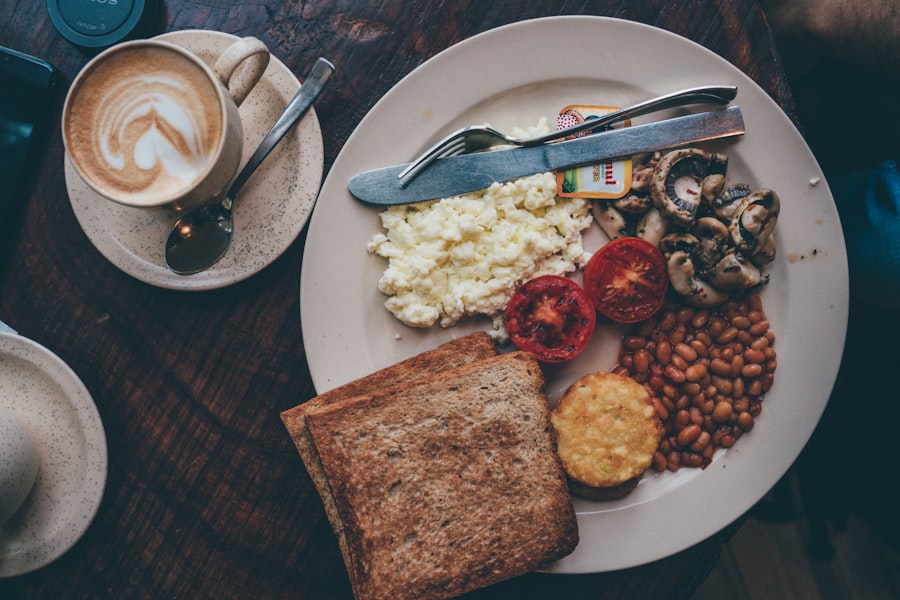
Eating a high-protein breakfast comes with several benefits that extend beyond just muscle building. One of the most significant advantages is improved satiety. Protein takes longer to digest than carbohydrates, which means you’re likely to feel fuller for longer after a protein-rich meal. This can help curb mid-morning cravings and reduce the temptation to snack on less nutritious options.
Additionally, starting your day with a high-protein meal can enhance your metabolism. The thermic effect of food (TEF) refers to the energy required to digest, absorb, and process nutrients. Protein has a higher TEF compared to fats and carbohydrates, meaning your body burns more calories processing protein-rich foods. This can be particularly beneficial if you’re looking to manage your weight while building muscle.
Quick and Easy High-Protein Breakfast Recipes
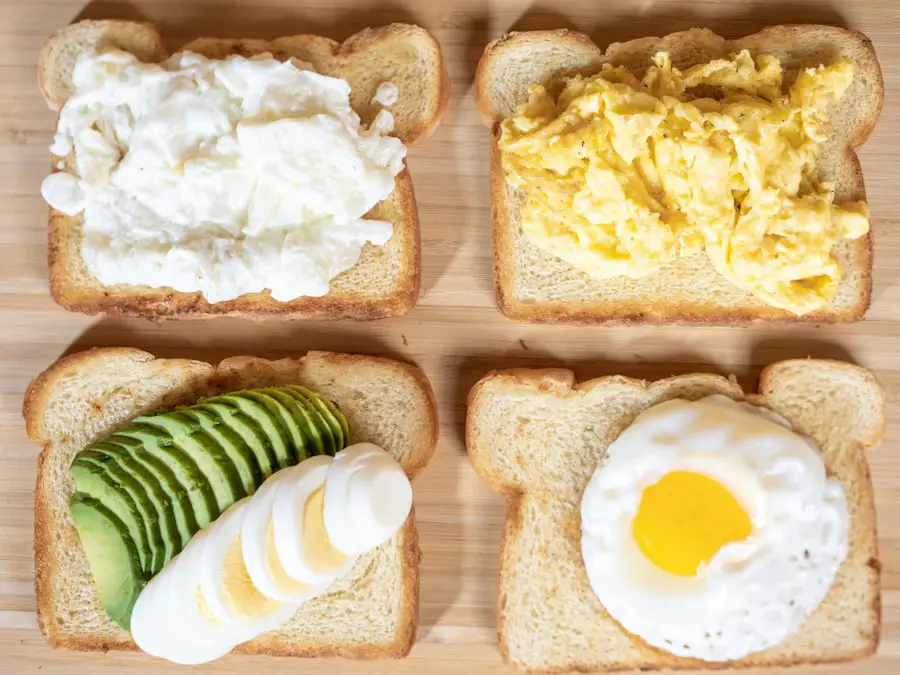
If you’re short on time but still want to enjoy a high-protein breakfast, there are plenty of quick and easy recipes to consider. One simple option is overnight oats made with Greek yogurt and rolled oats. Just mix them together with some milk or a milk alternative, add your favorite toppings like berries or nuts, and let them sit in the fridge overnight. In the morning, you’ll have a delicious and nutritious breakfast ready to go.
Another easy recipe is a breakfast burrito filled with scrambled eggs, black beans, and cheese wrapped in a whole-grain tortilla. This combination not only packs in protein but also provides fiber and healthy fats to keep you satisfied throughout the morning. If you prefer something sweet, try making protein pancakes using mashed bananas, eggs, and protein powder. They’re quick to whip up and can be topped with nut butter or fresh fruit for added flavor.
For those looking to enhance their muscle-building journey, exploring diverse meal options can be beneficial. One such option is to incorporate high-protein breakfasts that fuel your workouts and recovery. If you’re interested in expanding your culinary repertoire, you might find inspiration in a delicious recipe for Vietnamese-inspired sweet and spicy catfish, which offers a unique twist on protein-rich meals. You can check it out here for a flavorful addition to your diet.
Plant-Based High-Protein Breakfast Options
| Breakfast Option | Protein Content (g) | Calories | Carbohydrates (g) | Fat (g) |
|---|---|---|---|---|
| Scrambled Eggs with Spinach | 25 | 300 | 3 | 20 |
| Greek Yogurt with Berries | 20 | 250 | 30 | 5 |
| Protein Pancakes | 30 | 350 | 40 | 10 |
| Quinoa Breakfast Bowl | 15 | 320 | 45 | 8 |
| Cottage Cheese with Fruit | 25 | 280 | 15 | 10 |
| Protein Oatmeal | 20 | 300 | 40 | 6 |
| Smoked Salmon Bagel | 20 | 350 | 30 | 15 |
| Protein Smoothie | 25 | 280 | 30 | 8 |
| Turkey and Egg Wrap | 30 | 320 | 25 | 12 |
| Chia Seed Pudding | 15 | 250 | 30 | 10 |
For those following a plant-based diet or simply looking to incorporate more plant foods into their meals, there are plenty of high-protein breakfast options available. Tofu scramble is a popular choice that mimics scrambled eggs while providing a solid protein punch. Just sauté crumbled tofu with vegetables and spices for a hearty breakfast that’s both satisfying and nutritious.
Chia seed pudding is another excellent option. Chia seeds are packed with protein and fiber; when soaked in milk or a milk alternative overnight, they create a creamy pudding-like texture. You can sweeten it with honey or maple syrup and top it with fruits or nuts for added flavor and nutrients. Additionally, consider incorporating legumes like lentils or chickpeas into your breakfast dishes; they can be added to smoothies or salads for an extra boost of protein.
If you’re looking to enhance your muscle-building routine, you might find it beneficial to explore various nutritional strategies. One such approach is highlighted in an article about 10 High-Protein Breakfasts for Muscle Building, which emphasizes the importance of starting your day with protein-rich meals. Additionally, you may be interested in learning how to achieve longer, thicker eyelashes without extensions, as discussed in this informative piece. Incorporating these beauty tips can complement your fitness journey by boosting your confidence. For more details on enhancing your eyelashes, check out this article on achieving longer, thicker eyelashes.
Preparing High-Protein Breakfasts for a Busy Schedule
When life gets hectic, it can be challenging to prioritize healthy eating, especially in the morning. However, with some planning and preparation, you can ensure that high-protein breakfasts fit seamlessly into your busy schedule. One effective strategy is meal prepping on weekends. Spend some time preparing ingredients or even entire meals that you can quickly grab during the week.
For instance, you could batch-cook hard-boiled eggs or prepare individual servings of overnight oats in jars for easy access in the morning. Another option is to make breakfast burritos ahead of time; simply wrap them in foil and freeze them. In the morning, you can pop one in the microwave for a quick meal that’s ready in minutes.
Tips for Maximizing Muscle Building with High-Protein Breakfasts
To truly maximize muscle building through high-protein breakfasts, consider timing and balance. Aim to consume your protein-rich meal within an hour or two after waking up to kickstart your metabolism and provide your muscles with the nutrients they need after fasting overnight. Pairing protein with healthy carbohydrates can also enhance recovery and energy levels throughout the day.
Incorporating variety into your breakfast choices is essential as well. Different sources of protein offer unique amino acid profiles that contribute to overall muscle health. Rotate between animal-based proteins like eggs and dairy products and plant-based options like legumes and nuts to ensure you’re getting a wide range of nutrients.
Incorporating High-Protein Breakfasts into a Balanced Diet
While high-protein breakfasts are beneficial for muscle building, it’s important to remember that they should be part of a balanced diet. Ensure that your meals include healthy fats and carbohydrates alongside protein to provide comprehensive nutrition. Whole grains, fruits, vegetables, and healthy fats from sources like avocados or nuts should all find their way into your meals.
Additionally, pay attention to portion sizes and listen to your body’s hunger cues. It’s easy to overdo it on protein-rich foods if you’re not mindful of how much you’re consuming. Strive for balance across all food groups while focusing on quality sources of protein to support your muscle-building goals effectively.
In conclusion, prioritizing high-protein breakfasts can significantly impact your muscle-building journey while also promoting overall health and well-being. By exploring various options and incorporating them into your daily routine, you’ll be well on your way to achieving your fitness goals without sacrificing taste or convenience.
FAQs
1. Why is a high-protein breakfast important for muscle building?
A high-protein breakfast is important for muscle building because protein is essential for muscle repair and growth. Consuming a high-protein breakfast can help support muscle recovery after a workout and promote muscle protein synthesis throughout the day.
2. What are some examples of high-protein breakfasts for muscle building?
Some examples of high-protein breakfasts for muscle building include eggs, Greek yogurt, protein smoothies, oatmeal with added protein powder, and cottage cheese with fruit.
3. How much protein should be included in a high-protein breakfast for muscle building?
A high-protein breakfast for muscle building should ideally contain at least 20-30 grams of protein. This amount can help support muscle protein synthesis and provide the necessary amino acids for muscle repair and growth.
4. Are there any vegetarian or vegan options for high-protein breakfasts for muscle building?
Yes, there are plenty of vegetarian and vegan options for high-protein breakfasts, such as tofu scramble, plant-based protein smoothies, chia seed pudding, and vegan protein pancakes made with ingredients like chickpea flour or protein powder.
5. When is the best time to consume a high-protein breakfast for muscle building?
The best time to consume a high-protein breakfast for muscle building is within 30 minutes to 2 hours after waking up. This can help kickstart muscle protein synthesis and provide the necessary nutrients for muscle recovery and growth.