

When it comes to making banana bread, the first step is selecting the right bananas. You want to look for bananas that are overripe, which means they should have a deep yellow color with plenty of brown spots.
These brown spots indicate that the sugars in the bananas have developed, making them sweeter and more flavorful.
If your bananas are still green or just slightly yellow, they won’t provide the rich taste and moisture that you’re aiming for in your banana bread.
If you find yourself with a bunch of bananas that are perfectly ripe but you’re not ready to bake just yet, don’t worry. You can store them in the freezer. Just peel them first and place them in a zip-top bag. When you’re ready to bake, simply thaw them out and drain any excess liquid before mashing.
This method not only saves your bananas from going bad but also enhances their sweetness, making them ideal for your banana bread recipe.
If you’re enjoying a slice of banana bread, you might be wondering about the perfect beverage to pair it with. Coffee is a popular choice, but you may have concerns about its health effects. To explore this topic further, check out the article on whether coffee is bad for you by visiting this link. It may surprise you with some insightful information that can enhance your banana bread experience!
Key Takeaways
- Choose ripe bananas with brown spots for the best flavor and sweetness
- Properly mashing bananas ensures a smooth and moist texture in your banana bread
- Use all-purpose flour for a lighter texture or whole wheat flour for a nuttier flavor
- Quality vanilla extract enhances the overall flavor of your banana bread
- Add the perfect amount of nuts or chocolate chips for extra texture and flavor
The Importance of Properly Mashing the Bananas
Once you have your ripe bananas, the next step is mashing them properly. This might seem straightforward, but how you mash your bananas can significantly affect the texture of your banana bread. For a smooth batter, use a fork or a potato masher to break down the bananas until they are mostly free of lumps. If you prefer a chunkier texture, you can leave some small pieces intact, which will add delightful bursts of banana flavor throughout the bread.
Another tip is to mash the bananas in a bowl that’s large enough to accommodate all your other ingredients. This way, you can mix everything together without needing to transfer the mashed bananas later. The goal is to achieve a consistency that blends well with the other ingredients while still retaining some of that banana essence. Remember, the more thoroughly you mash, the more integrated the flavor will be in your final product.
Choosing the Best Flour for Your Banana Bread
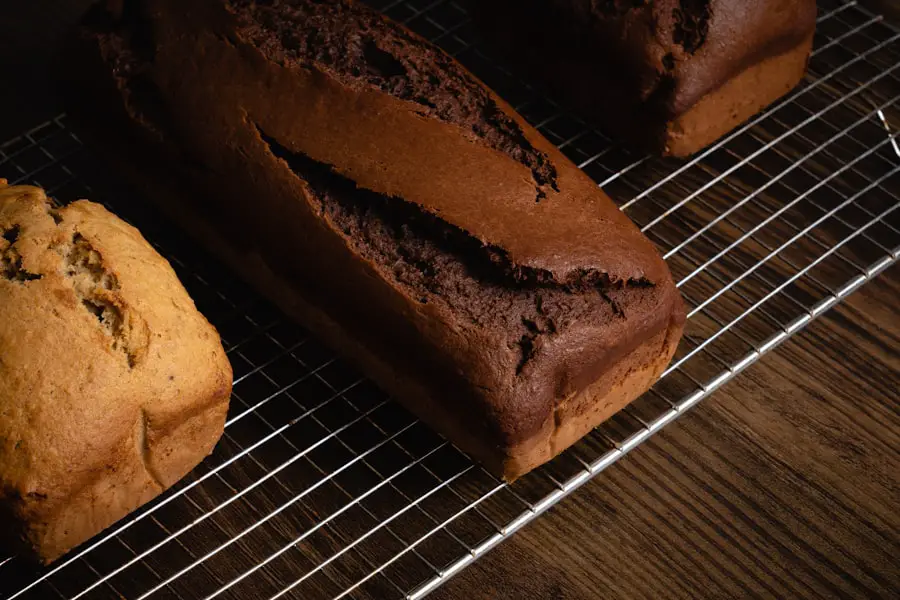
The type of flour you choose can make a significant difference in your banana bread’s texture and flavor. All-purpose flour is the most common choice and works well for a classic loaf. It provides a good balance of structure and tenderness, allowing your banana bread to rise nicely while remaining moist.
However, if you’re looking for something with a bit more character, consider using whole wheat flour or a blend of whole wheat and all-purpose flour. This will add a nutty flavor and increase the nutritional value of your bread. For those who are gluten-sensitive or looking for alternative options, there are several gluten-free flours available on the market today.
Almond flour or oat flour can be great substitutes, but keep in mind that they may require adjustments in liquid ratios or additional binding agents like xanthan gum. Experimenting with different flours can lead to unique textures and flavors, so don’t hesitate to try out various options until you find what works best for you.
Enhancing Flavor with Quality Vanilla Extract
Vanilla extract is often an overlooked ingredient in banana bread, but it plays a crucial role in enhancing the overall flavor profile. Opting for high-quality vanilla extract can elevate your banana bread from good to exceptional. Pure vanilla extract, made from real vanilla beans, offers a depth of flavor that imitation vanilla simply cannot match. A teaspoon or two can make a noticeable difference, adding warmth and complexity to your loaf.
If you want to take it a step further, consider using vanilla bean paste or even scraping the seeds from a fresh vanilla pod. This not only adds flavor but also gives your banana bread those lovely little specks that make it visually appealing. The key is to balance the vanilla with the natural sweetness of the bananas so that neither flavor overpowers the other.
Banana bread is a delightful treat that not only satisfies your sweet tooth but can also be a comforting option when you’re feeling under the weather. If you’re looking for ways to boost your health while enjoying this delicious baked good, you might find it interesting to explore natural remedies that can help you feel better fast. For more information, check out this article on natural cold and flu remedies that can complement your banana bread experience perfectly.
Incorporating the Perfect Amount of Nuts or Chocolate Chips
“`html
| Ingredient | Quantity |
|---|---|
| Bananas | 3 ripe |
| Flour | 1 1/2 cups |
| Sugar | 1 cup |
| Eggs | 2 |
| Baking soda | 1 tsp |
| Salt | 1/2 tsp |
| Butter | 1/3 cup, melted |
| Vanilla extract | 1 tsp |
“`
Adding nuts or chocolate chips to your banana bread can introduce delightful textures and flavors. Walnuts and pecans are popular choices; their crunchiness complements the soft, moist bread beautifully. When incorporating nuts, consider lightly toasting them beforehand to enhance their flavor even more. Just be sure to chop them into smaller pieces so they distribute evenly throughout the batter.
If chocolate is more your style, semi-sweet or dark chocolate chips can add a rich sweetness that pairs wonderfully with bananas. You can also mix both nuts and chocolate chips for a more complex flavor profile. The key is moderation; too many add-ins can weigh down the batter and affect how well it rises. A half-cup of nuts or chocolate chips is usually just right for a standard loaf.
Experimenting with Different Sweeteners
While ripe bananas provide natural sweetness, you might want to experiment with additional sweeteners to achieve your desired level of sweetness. Traditional recipes often call for granulated sugar, but alternatives like brown sugar or coconut sugar can add different flavors and moisture levels to your banana bread. Brown sugar, for instance, brings a hint of caramel flavor that complements the bananas beautifully.
If you’re looking for healthier options, consider using honey or maple syrup as sweeteners. These liquid sweeteners will require adjustments in your dry ingredients since they add moisture to the batter. You might also want to reduce other liquids slightly to maintain the right consistency. Don’t be afraid to play around with different sweeteners until you find the perfect balance that suits your taste buds.
Baking Time and Temperature Tips for the Perfect Banana Bread
Getting the baking time and temperature just right is crucial for achieving that perfect loaf of banana bread. Most recipes recommend baking at 350°F (175°C), but every oven is different, so it’s essential to keep an eye on your bread as it bakes. A standard loaf usually takes about 50-60 minutes to bake through, but start checking for doneness around the 45-minute mark.
To test if your banana bread is done, insert a toothpick into the center; if it comes out clean or with just a few crumbs attached, it’s ready to come out of the oven. If it’s still wet with batter, give it another 5-10 minutes before checking again. Also, consider rotating your loaf halfway through baking if your oven has hot spots; this will help ensure even cooking and browning.
Creative Toppings and Garnishes for Presentation
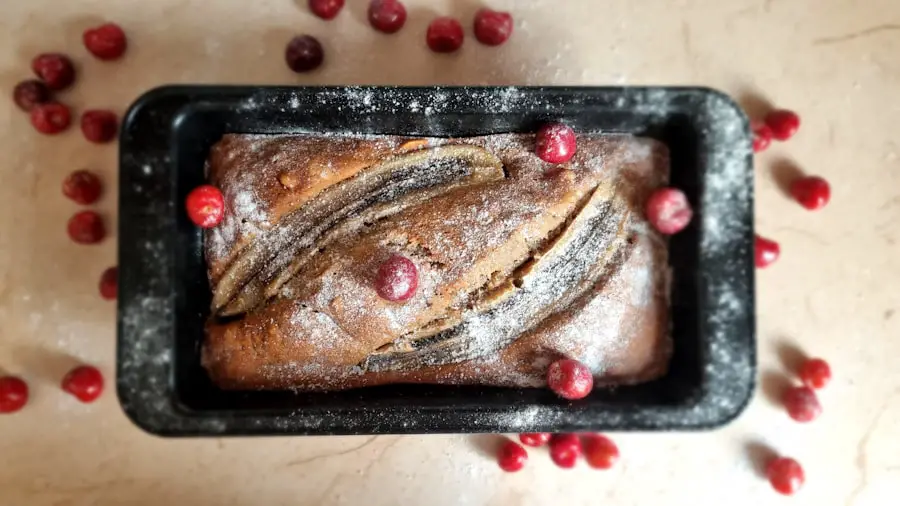
Once your banana bread is baked and cooled, it’s time to think about presentation. While banana bread is delicious on its own, adding creative toppings can make it even more appealing. A simple dusting of powdered sugar can give it an elegant touch without overwhelming its natural beauty. Alternatively, you could drizzle a glaze made from powdered sugar and milk over the top for added sweetness and visual appeal.
For those who enjoy a bit of crunch, consider topping your banana bread with sliced almonds or chopped walnuts before baking; this adds texture and makes for an attractive finish. If you’re feeling adventurous, try spreading a layer of cream cheese frosting on top after it cools—this adds richness and pairs wonderfully with the flavors of banana bread. Whatever toppings you choose, remember that presentation can elevate even the simplest recipes into something special.
In conclusion, making banana bread is both an art and a science that involves careful selection of ingredients and attention to detail throughout the process. From choosing ripe bananas to experimenting with different flours and sweeteners, each step contributes to creating a delicious loaf that can be enjoyed by everyone. So gather your ingredients and get ready to bake; there’s nothing quite like the smell of fresh banana bread wafting through your kitchen!
FAQs
What are the main ingredients in banana bread?
The main ingredients in banana bread typically include ripe bananas, flour, sugar, eggs, butter or oil, baking powder, and salt.
How do you make banana bread?
To make banana bread, you typically mash ripe bananas and mix them with the other ingredients to form a batter. The batter is then poured into a loaf pan and baked in the oven until it is golden brown and a toothpick inserted into the center comes out clean.
Can banana bread be made gluten-free?
Yes, banana bread can be made gluten-free by using gluten-free flour or almond flour in place of regular flour. There are also many gluten-free banana bread recipes available that use alternative ingredients such as oats or coconut flour.
How should banana bread be stored?
Banana bread should be stored in an airtight container at room temperature for up to 2 days. If you want to keep it longer, you can store it in the refrigerator for up to a week or in the freezer for up to 3 months.
What are some variations of banana bread?
Some popular variations of banana bread include adding chocolate chips, nuts, or dried fruit to the batter. You can also experiment with different spices such as cinnamon or nutmeg, or add a swirl of peanut butter or Nutella for a unique twist.