

Lebkuchen, often referred to as German gingerbread, has a rich history that dates back to the Middle Ages. Its origins can be traced to the city of Nuremberg, which is often considered the heart of Lebkuchen production. The earliest records of Lebkuchen date back to the 13th century, when monks began baking these spiced treats in monasteries.
Initially, they were made with honey and various spices, reflecting the trade routes that brought exotic ingredients to Europe.
Over time, the recipe evolved, incorporating nuts and other flavors, leading to the delightful variety we enjoy today.
As the centuries passed, Lebkuchen became more than just a sweet treat; it transformed into a symbol of celebration and festivity. By the 16th century, it was common for Lebkuchen to be given as gifts during holidays and special occasions. The tradition of decorating these cookies with intricate designs and icing also emerged during this time, making them not only delicious but visually appealing as well. Today, Lebkuchen is synonymous with Christmas in Germany, where it is often found at holiday markets and family gatherings.
Lebkuchen, the traditional German gingerbread, is often enjoyed during the festive season, bringing warmth and sweetness to holiday celebrations. If you’re interested in exploring more delightful culinary experiences, you might want to check out this article on wood-grilled prawns, which offers a unique twist on flavor profiles that can complement a variety of dishes. You can read more about it here: Wood Grilled Prawns with Fried Garlic and Chilli Oil.
Key Takeaways
- Lebkuchen has a long history dating back to the 13th century, and was originally created by monks in Franconia, Germany.
- The key ingredients of Lebkuchen include honey, spices such as cinnamon and cloves, nuts, and candied fruits.
- There are several varieties of Lebkuchen, including Elisenlebkuchen, which contains a high percentage of nuts, and Printen, which is a harder, spicier version.
- Making Lebkuchen is a tradition often done in the weeks leading up to Christmas, with families and friends coming together to bake and decorate the cookies.
- Lebkuchen plays a significant role in German culture, especially during the Christmas season, and is often given as gifts or enjoyed with hot beverages.
The Ingredients of Lebkuchen
The ingredients that go into making Lebkuchen are what set it apart from other types of gingerbread. At its core, Lebkuchen typically includes flour, honey, sugar, and a blend of spices such as cinnamon, cloves, and nutmeg. However, what makes it unique is the addition of ground nuts—usually almonds or hazelnuts—which give it a distinct texture and flavor. The use of honey instead of refined sugar adds a natural sweetness that complements the spices beautifully.
In addition to these basic ingredients, many recipes call for candied citrus peel or even chocolate coating. The combination of these elements creates a complex flavor profile that is both warm and inviting. Some bakers also incorporate a leavening agent like baking powder or baking soda to give the cookies a lighter texture. The careful balance of these ingredients is crucial; too much spice can overpower the sweetness, while too little can leave the cookies bland. This attention to detail is part of what makes Lebkuchen so special.
The Different Varieties of Lebkuchen

Lebkuchen comes in several varieties, each with its own unique characteristics. One of the most famous types is Nuremberg Lebkuchen, which is known for its high nut content and lack of flour. These cookies are often round and come in various sizes, typically adorned with a layer of chocolate or icing.
Another popular variety is Elisenlebkuchen, which is made with a minimum of 25% nuts and is often considered the premium version of Lebkuchen due to its rich flavor and texture. In addition to these traditional types, there are also regional variations across Germany. For instance, in the region of Franconia, you might find Lebkuchen that incorporates local ingredients like fruit or even beer.
Some bakers experiment with flavors like lavender or cardamom, adding a modern twist to this classic treat.
Regardless of the variety, each type of Lebkuchen carries with it a sense of tradition and craftsmanship that reflects its long-standing history.
The Tradition of Making Lebkuchen
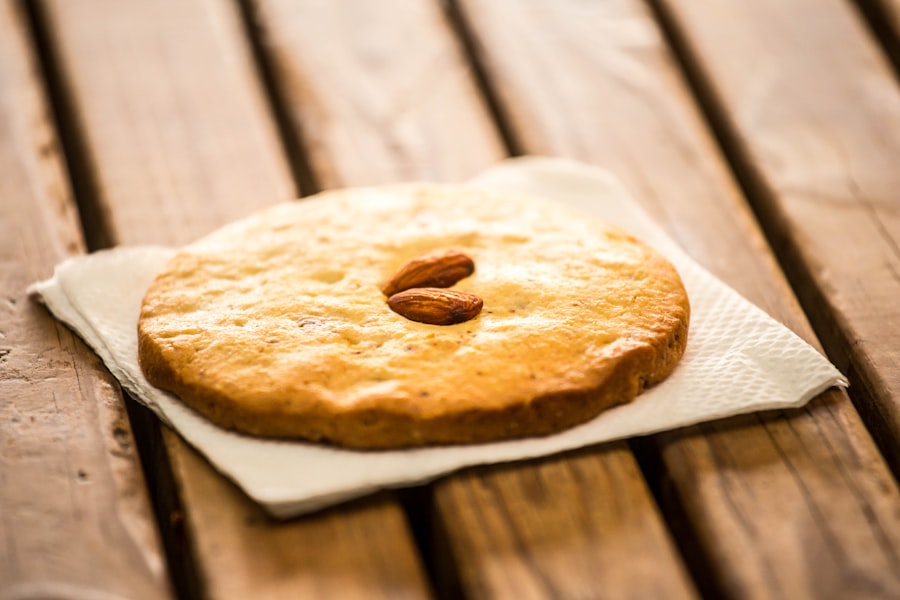
Making Lebkuchen is not just about baking; it’s a cherished tradition that often brings families together during the holiday season. Many families have their own recipes passed down through generations, each with its own little tweaks and secrets. The process typically begins weeks before Christmas, as bakers prepare their dough and allow it to rest to develop flavors. This resting period is crucial; it allows the spices to meld together and enhances the overall taste.
Once the dough is ready, the fun begins with shaping and decorating the cookies. Children often get involved in this process, using cookie cutters to create festive shapes or adding colorful icing decorations. This hands-on approach not only makes for delicious treats but also creates lasting memories. In some regions, it’s common for families to host Lebkuchen baking parties where friends and neighbors come together to share recipes and enjoy each other’s company.
Lebkuchen, the traditional German gingerbread, is often enjoyed during the festive season, bringing warmth and sweetness to holiday celebrations. If you’re looking to complement your holiday treats with a delightful side dish, consider exploring a recipe for roasted potato salad with mustard walnut vinaigrette. This dish not only pairs well with Lebkuchen but also adds a savory contrast to the sweetness of the cookies. You can find the recipe in this article, which offers a perfect balance to your festive menu.
The Role of Lebkuchen in German Culture
| Product | Price | Calories | Sugar Content |
|---|---|---|---|
| Lebkuchen | 3.99 | 150 | 10g |
Lebkuchen holds a significant place in German culture, especially during the Christmas season. It’s more than just a dessert; it’s a symbol of warmth, hospitality, and celebration. In many households, offering Lebkuchen to guests is a way to express generosity and welcome them into one’s home. The cookies are often served alongside mulled wine or hot chocolate during festive gatherings, creating a cozy atmosphere that embodies the spirit of the holidays.
Moreover, Lebkuchen has become intertwined with various German customs and traditions. For instance, in some regions, it’s customary to hang decorated Lebkuchen on Christmas trees as ornaments. This practice not only adds a festive touch but also serves as a reminder of the importance of sharing food and joy during the holiday season. As such, Lebkuchen transcends its role as a mere treat; it embodies cultural values that emphasize community and togetherness.
Lebkuchen, the traditional German gingerbread, is often enjoyed during the festive season, bringing warmth and nostalgia to many. If you’re curious about how to pair this delightful treat with beverages, you might want to explore the effects of coffee on your health. A fascinating article discusses the potential benefits and drawbacks of coffee consumption, which could provide insights into whether it’s a good match for your Lebkuchen experience. You can read more about it in this informative piece.
The Festivals and Fairs Celebrating Lebkuchen
Throughout Germany, various festivals and fairs celebrate Lebkuchen and its rich heritage. One of the most notable events is the Nuremberg Christkindlesmarkt, one of the oldest Christmas markets in the world. Here, visitors can find an array of Lebkuchen stalls offering everything from traditional varieties to modern interpretations. The market attracts thousands of tourists each year who come not only for the cookies but also for the festive atmosphere filled with music, lights, and holiday cheer.
In addition to Nuremberg’s market, other towns also host their own Lebkuchen festivals where local bakers showcase their creations. These events often include competitions for the best Lebkuchen recipe or decoration, encouraging bakers to push their creative boundaries while honoring traditional methods. Such festivals serve as a reminder of how deeply ingrained Lebkuchen is in German culture and how it continues to evolve while maintaining its historical roots.
The Export of Lebkuchen Around the World
As globalization has increased over the years, so has the popularity of Lebkuchen beyond Germany’s borders. Many countries now import this beloved treat, especially during the holiday season when demand peaks. Bakeries around the world have started producing their own versions of Lebkuchen, adapting recipes to suit local tastes while still honoring traditional methods.
In places like the United States and Canada, German communities often host Christmas markets where authentic Lebkuchen can be found alongside other traditional foods. This not only helps preserve cultural heritage but also introduces new audiences to the joys of this spiced cookie. As more people discover Lebkuchen’s unique flavors and textures, its global presence continues to grow, making it a delightful addition to holiday celebrations worldwide.
Modern Twists on Traditional Lebkuchen Recipes
While traditional recipes hold a special place in many hearts, modern bakers are increasingly experimenting with new flavors and techniques to give Lebkuchen a contemporary twist. Some have started incorporating alternative sweeteners like maple syrup or agave nectar for a healthier option without sacrificing taste. Others are exploring gluten-free versions using almond flour or coconut flour as substitutes for wheat flour.
Additionally, creative flavor combinations are emerging that blend traditional spices with unexpected ingredients like matcha or chai tea. These innovations not only cater to diverse dietary preferences but also keep the spirit of Lebkuchen alive by encouraging experimentation in the kitchen. As bakers continue to push boundaries while respecting tradition, Lebkuchen remains a dynamic part of culinary culture that evolves with each generation.
In conclusion, whether enjoyed in its classic form or reimagined with modern flavors, Lebkuchen continues to be a cherished treat that brings people together across cultures and generations. Its rich history, diverse varieties, and deep-rooted traditions make it more than just a cookie; it’s a symbol of celebration that resonates with many during the holiday season and beyond.
FAQs
What is Lebkuchen?
Lebkuchen is a traditional German baked Christmas treat, similar to gingerbread. It is typically made with honey, spices, nuts, and candied fruits.
What are the different types of Lebkuchen?
There are several types of Lebkuchen, including Elisenlebkuchen (made with a high proportion of nuts), Oblatenlebkuchen (baked on a thin wafer), and Printen (a harder, spicier version).
What is the history of Lebkuchen?
Lebkuchen has a long history dating back to the 13th century in Germany. It was originally created by monks in Franconia and later became popular throughout Europe.
How is Lebkuchen traditionally decorated?
Lebkuchen is often decorated with icing, chocolate, or sugar glaze. It may also be topped with nuts, candied fruits, or edible wafer paper.
What is the best way to store Lebkuchen?
Lebkuchen should be stored in an airtight container at room temperature. It can also be frozen for longer storage.