

Choux pastry, or pâte à choux, has a rich history that dates back to the 16th century. It is believed to have originated in Italy, where a chef named Pantanelli created a type of pastry called “pasta choux.” This early version was a simple dough made from flour, water, and fat, which was then baked to create a light and airy texture. The pastry made its way to France, where it was refined and popularized by the renowned chef Marie-Antoine Carême in the early 19th century. Carême is often credited with elevating French cuisine and introducing the concept of elaborate pastries, including the choux pastry we know today.
As choux pastry gained popularity, it became a staple in French patisserie. Its versatility allowed for a variety of sweet and savory applications, from éclairs filled with cream to gougères served as appetizers. The name “choux” translates to “cabbage” in French, which is a nod to the shape of the pastry when piped onto a baking sheet.
Over the years, choux pastry has remained a beloved component of French desserts and continues to inspire bakers around the world.
Choux pastry, known for its light and airy texture, serves as the foundation for many delightful desserts and savory dishes. If you’re interested in exploring more culinary creations, you might enjoy a related article on preparing steamed fish with ginger and scallions. This dish highlights the delicate balance of flavors that can complement a variety of pastries. You can read more about it here: Steamed Fish with Ginger and Scallions.
Key Takeaways
- Choux pastry, also known as pâte à choux, has a rich history dating back to the 16th century in France.
- Understanding the key ingredients of choux pastry, such as flour, butter, water, and eggs, is essential for successful baking.
- Mastering the technique of making pâte à choux involves cooking the dough on the stovetop before adding eggs and piping the mixture onto a baking sheet.
- Common issues when making choux pastry include deflated or soggy pastries, which can be resolved by adjusting the oven temperature or adding more flour.
- There are endless variations and flavors of choux pastry, from classic cream puffs to savory gougeres, allowing for creativity in the kitchen.
Understanding the Ingredients
To make choux pastry, you need just a handful of ingredients: flour, water, butter, eggs, and a pinch of salt. Each component plays a crucial role in achieving that signature light and airy texture. The flour is typically all-purpose or cake flour, which provides structure while allowing the pastry to rise. Water is essential for creating steam during baking, which helps puff up the dough. Butter adds richness and flavor, while salt enhances the overall taste.
Eggs are perhaps the most critical ingredient in choux pastry. They not only provide moisture but also contribute to the dough’s elasticity and stability. When beaten into the mixture, eggs help create a light and airy structure by trapping air bubbles. This is what gives choux pastry its characteristic rise and delicate texture. Understanding how these ingredients work together is key to mastering the art of making pâte à choux.
The Technique of Making Pâte à Choux
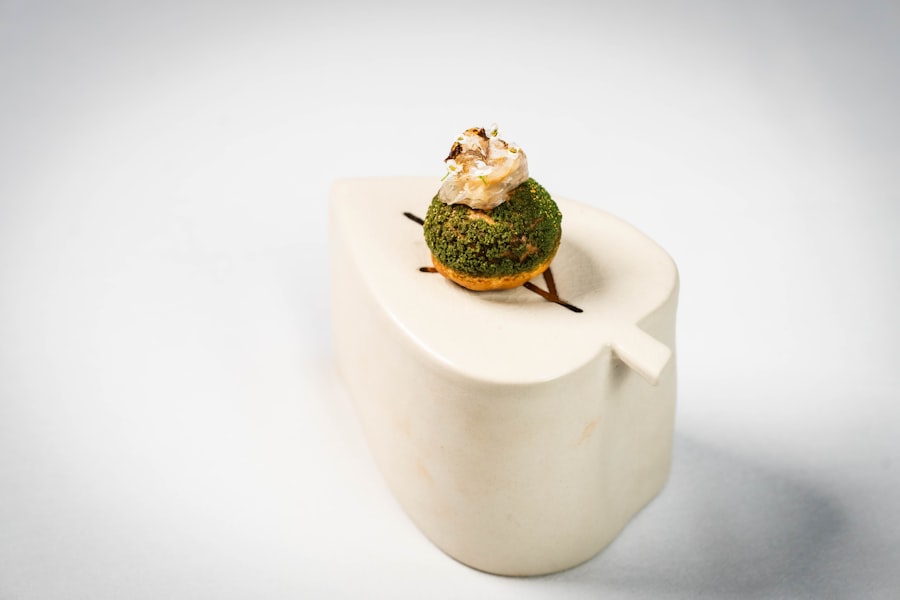
Making pâte à choux involves a unique cooking method that sets it apart from other pastry doughs. The process begins by combining water, butter, and salt in a saucepan over medium heat. Once the butter melts and the mixture comes to a boil, you add the flour all at once.
Stir vigorously with a wooden spoon until the dough forms a cohesive ball that pulls away from the sides of the pan.
This step is crucial; it helps cook the flour and develop the structure needed for rising.
After cooking the dough for a few minutes, it’s time to cool it slightly before incorporating the eggs. This is where patience comes into play; adding eggs to hot dough can lead to scrambled eggs instead of a smooth batter. Once cooled, you’ll gradually mix in the eggs until you achieve a glossy, pipeable consistency.
The dough should be thick enough to hold its shape but still soft enough to pipe easily. Mastering this technique takes practice, but with time, you’ll find your rhythm.
Troubleshooting Common Issues
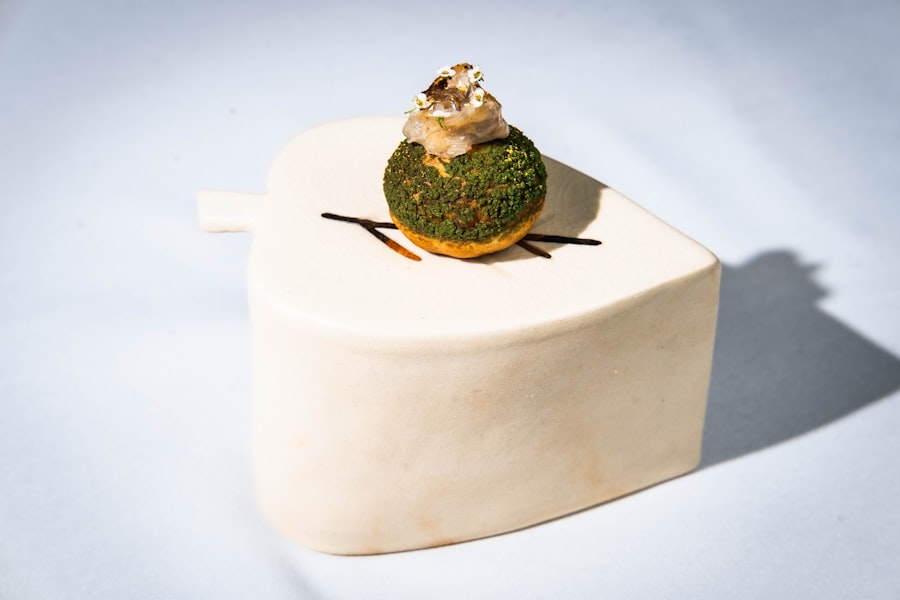
Even experienced bakers can encounter issues when making choux pastry. One common problem is that the pastries don’t rise as expected. This can happen if there isn’t enough moisture in the dough or if they’re baked at too low a temperature. To ensure proper rising, make sure you’ve added enough water during cooking and preheat your oven adequately before baking.
Another issue is when choux pastries deflate after baking. This can occur if they’re removed from the oven too soon or if they’re not allowed to cool properly. To prevent this, avoid opening the oven door during baking, as this can cause sudden temperature changes that lead to collapse. Once they’re golden brown and puffed up, turn off the oven and leave them inside for a few minutes with the door ajar to allow them to cool gradually.
Choux pastry, known for its light and airy texture, serves as the foundation for many delightful desserts and savory dishes. If you’re looking to explore a unique flavor combination, you might enjoy a delicious recipe that pairs well with various pastries. For instance, the Jamaican jerk chicken with pineapple rum sauce offers a savory contrast that can complement sweet choux creations beautifully. This fusion of flavors can elevate your culinary experience and inspire new dishes that blend different cuisines.
Variations and Flavors
| Metrics | Data |
|---|---|
| Calories | 142 per 1 piece (28g) |
| Protein | 3g per 1 piece (28g) |
| Fat | 9g per 1 piece (28g) |
| Carbohydrates | 12g per 1 piece (28g) |
Choux pastry is incredibly versatile, allowing for endless variations and flavors. While classic choux pastries are often filled with cream or custard, you can experiment with different fillings and toppings to create unique treats. For instance, adding cocoa powder or matcha to the dough can give your pastries an interesting twist right from the start.
Savory variations are also popular; you can incorporate cheese or herbs into the dough for gougères or savory éclairs. These can be filled with rich cheeses or creamy dips for an elegant appetizer or snack. The possibilities are limited only by your imagination—think about seasonal ingredients or favorite flavors that could elevate your choux creations.
Choux pastry is a versatile and delightful dough that serves as the foundation for many delicious treats, including éclairs and cream puffs. If you’re interested in enhancing your culinary skills, you might find inspiration in a related article that explores creative ways to decorate your home, which can also be a fun activity while waiting for your pastries to bake. Check out this insightful piece on home decoration ideas here for some unique tips that could complement your baking sessions.
Filling and Decorating Choux Pastry
Once your choux pastries are baked and cooled, it’s time to fill and decorate them. Traditional fillings include pastry cream, whipped cream, or even ice cream for a delightful dessert treat. To fill éclairs or cream puffs, you can use a piping bag fitted with a small round tip to inject your filling directly into the center of each pastry.
Decorating your choux pastries can be as simple or elaborate as you like. A dusting of powdered sugar or a drizzle of chocolate ganache can add an elegant touch without much effort. For those looking to impress, consider glazing your éclairs with fondant or creating intricate designs with royal icing. The key is to have fun with it—let your creativity shine through in both flavor and presentation.
Serving and Storing Choux Pastry
Choux pastries are best enjoyed fresh but can be stored for short periods if necessary. If you plan to serve them later, it’s advisable to keep them unfilled until just before serving to maintain their crisp texture. Store baked but unfilled pastries in an airtight container at room temperature for up to two days.
For filled pastries, refrigeration is usually necessary due to perishable ingredients like cream or custard. However, be mindful that refrigeration can affect their texture; they may become slightly soggy over time. If you want to enjoy them at their best, consider reheating unfilled pastries briefly in an oven before filling them for serving.
Tips for Perfecting Your Choux Pastry Skills
Perfecting your choux pastry skills takes practice, but there are some tips that can help you along the way. First, always measure your ingredients accurately; baking is a science, and even small discrepancies can affect your results. Using a kitchen scale can help ensure precision.
Another helpful tip is to keep an eye on your oven temperature; using an oven thermometer can help you verify that it’s accurate. Additionally, try not to open the oven door during baking—this can cause temperature fluctuations that may lead to deflation.
Lastly, don’t be afraid to experiment! Choux pastry is forgiving and allows for creativity in both flavor and presentation. With practice and patience, you’ll find yourself whipping up beautiful choux pastries that impress friends and family alike. Enjoy the process and savor each delicious bite!
FAQs
What is choux pastry?
Choux pastry is a light pastry dough used to make various pastries such as éclairs, profiteroles, and cream puffs. It is made by cooking flour, water, and butter together, then adding eggs to create a smooth, pipeable dough.
What are some common desserts made with choux pastry?
Some common desserts made with choux pastry include éclairs, profiteroles, cream puffs, and churros. These pastries can be filled with various creams, custards, or ice cream, and are often topped with chocolate ganache or powdered sugar.
What is the origin of choux pastry?
Choux pastry originated in France and is attributed to a French chef named Panterelli in the 18th century. The dough was named “choux” (French for cabbage) because of its resemblance to small cabbages when piped onto a baking sheet.
What are the key ingredients in choux pastry?
The key ingredients in choux pastry are flour, water, butter, and eggs. These simple ingredients come together to create a light, airy dough that puffs up when baked.
What are some tips for making choux pastry?
Some tips for making choux pastry include using a heavy-bottomed pan to cook the dough, adding the eggs one at a time and mixing well after each addition, and piping the dough onto a parchment-lined baking sheet. It’s also important to bake the pastries at a high temperature initially to create the characteristic puff, then lower the temperature to ensure they are fully cooked through.