

Malva Pudding: A Classic South African Dessert Recipe and History
Key Takeaways
- Malva pudding is a cherished South African dessert known for its sweet, spongy texture and rich flavor.
- The dish has roots in Dutch colonial history, reflecting a blend of cultural influences in South Africa.
- Key ingredients include apricot jam, sugar, and cream, which contribute to its unique taste and moistness.
- A classic recipe involves simple steps, making it accessible for home bakers to recreate this beloved treat.
- Malva pudding holds cultural significance, often featured in celebrations and gatherings, symbolizing comfort and tradition.
Malva pudding is a delightful dessert that has captured the hearts and taste buds of many, both in South Africa and beyond. This sweet, spongy pudding is known for its rich flavor and comforting texture, making it a staple at family gatherings, celebrations, and even casual dinners. Its unique combination of ingredients creates a dish that is both indulgent and satisfying, often served warm with a generous drizzle of cream or custard. If you’re curious about what makes malva pudding so special, you’re in for a treat as we explore its origins, key ingredients, and how to make this beloved dessert.
The charm of malva pudding lies not only in its taste but also in its cultural significance. It embodies the warmth of South African hospitality and is often associated with home-cooked meals and cherished memories. Whether you’re a seasoned baker or a novice in the kitchen, malva pudding is an approachable recipe that invites everyone to enjoy its sweet embrace.
Malva pudding, a delightful South African dessert, is often enjoyed for its rich, sweet flavor and comforting texture. If you’re interested in exploring more culinary delights, you might want to check out a related article on a unique dish that pairs beautifully with desserts like Malva pudding. You can find it here: Duck Breast with Blueberry Port Sauce, which offers a savory contrast that can enhance your dining experience.
Origins and Historical Background of Malva Pudding
The origins of malva pudding can be traced back to the Cape Malay community in South Africa, where it has been enjoyed for generations. The dish is believed to have Dutch roots, with influences from the early settlers who brought their culinary traditions to the region. The name “malva” is thought to derive from the Afrikaans word for mallow, a flower that was once used in cooking. Over time, malva pudding evolved into the rich dessert we know today, characterized by its moist texture and sweet flavor.
Historically, malva pudding was often prepared for special occasions and gatherings. It became a popular choice for Sunday lunches and festive celebrations, symbolizing comfort and togetherness. As South Africa’s culinary landscape diversified, malva pudding remained a beloved classic, bridging cultural divides and bringing people together around the dining table. Today, it continues to be a favorite among locals and visitors alike, showcasing the rich tapestry of South African cuisine.
Key Ingredients That Define Malva Pudding
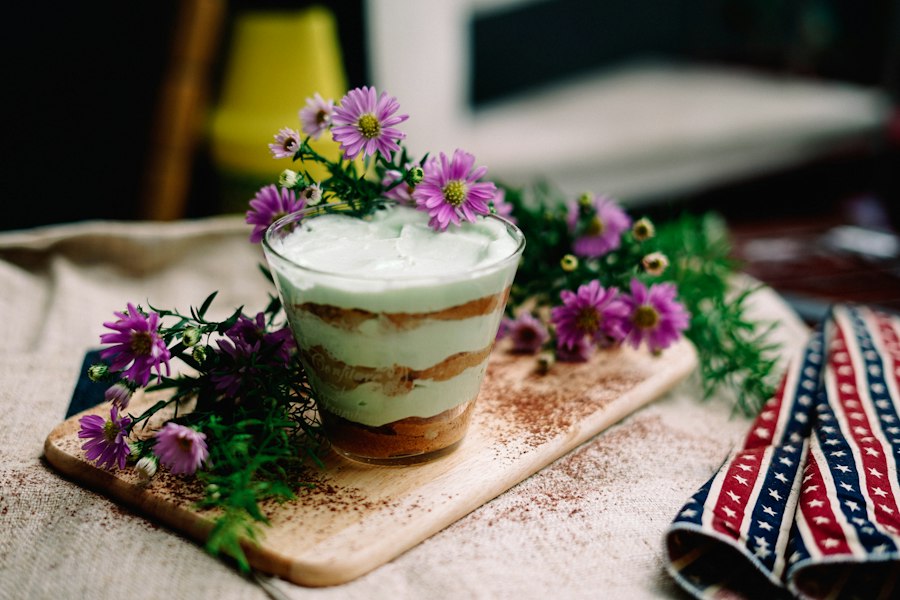
At the heart of malva pudding are a few key ingredients that contribute to its distinctive flavor and texture. The base of the pudding typically includes flour, sugar, eggs, milk, and butter, which combine to create a soft and spongy consistency. However, what truly sets malva pudding apart is the addition of apricot jam, which not only sweetens the dish but also adds a unique fruity note that complements the other flavors beautifully.
Another important ingredient is vinegar, which may seem unusual but plays a crucial role in balancing the sweetness of the pudding. The acidity from the vinegar helps to create a tender crumb while enhancing the overall flavor profile. Additionally, baking soda is used as a leavening agent, ensuring that the pudding rises properly during baking.
Together, these ingredients create a harmonious blend that defines malva pudding as a truly special dessert.
Step-by-Step Classic Malva Pudding Recipe
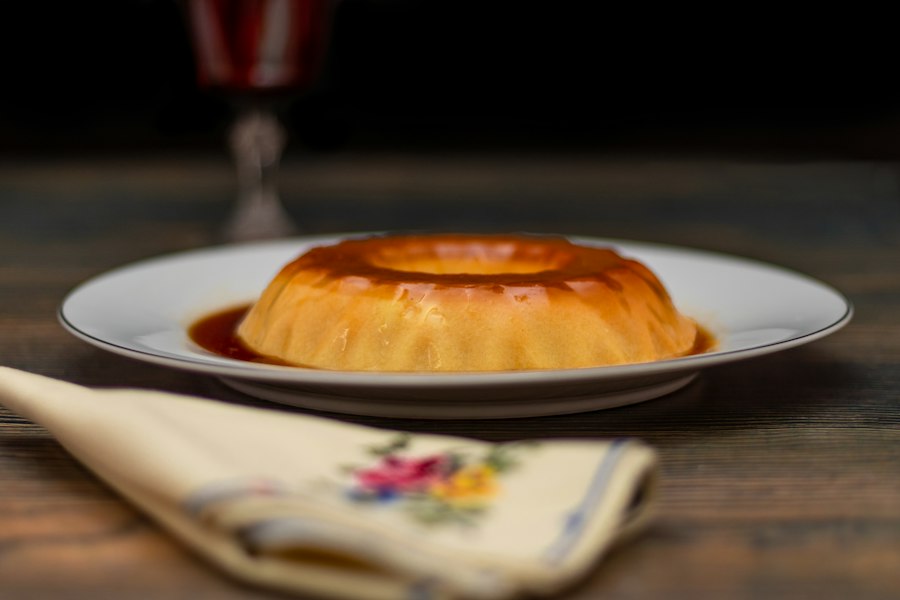
Making malva pudding at home is simpler than you might think. Here’s a classic recipe to guide you through the process:
**Ingredients:**
– 1 cup all-purpose flour
– 1 cup sugar
– 1 teaspoon baking soda
– 1 tablespoon vinegar
– 2 large eggs
– 1 cup milk
– 2 tablespoons apricot jam
– 4 tablespoons butter, melted
**For the sauce:**
– 1 cup cream
– 1 cup sugar
– 1 cup water
– 1 teaspoon vanilla extract
**Instructions:**
1. Preheat your oven to 180°C (350°F). Grease a baking dish or oven-safe pan.
2. In a mixing bowl, combine the flour, sugar, and baking soda. Mix well to ensure there are no lumps.
3. In another bowl, whisk together the eggs, milk, apricot jam, vinegar, and melted butter until smooth.
4. Gradually add the wet ingredients to the dry ingredients, stirring until just combined. Be careful not to overmix; a few lumps are okay.
5. Pour the batter into your prepared baking dish and bake for about 30-40 minutes or until golden brown and a toothpick inserted into the center comes out clean.
6. While the pudding is baking, prepare the sauce by combining cream, sugar, water, and vanilla extract in a saucepan over medium heat. Stir until the sugar dissolves and bring it to a gentle simmer.
7. Once the pudding is done baking, remove it from the oven and immediately pour the warm sauce over it. Allow it to soak for a few minutes before serving.
8. Serve warm with additional cream or custard if desired.
This recipe yields a deliciously moist malva pudding that’s sure to impress your family and friends.
Malva pudding is a delightful South African dessert that combines a rich, sweet sponge with a creamy sauce, making it a favorite among many. If you’re looking to complement this indulgent treat with a refreshing side, consider trying a vibrant cucumber salad. This light dish can provide a perfect contrast to the sweetness of the pudding. For a delicious recipe, check out this cucumber and red onion salad that adds a crisp and tangy flavor to your meal.
The Role of Apricot Jam in Malva Pudding
| Metric | Value | Notes |
|---|---|---|
| Origin | South Africa | Traditional South African dessert |
| Main Ingredients | Flour, sugar, eggs, butter, apricot jam, milk | Key components for the pudding base |
| Texture | Spongy and moist | Characteristic texture due to syrup soak |
| Typical Serving Temperature | Warm | Often served with custard or cream |
| Calories per Serving | Approximately 350-450 kcal | Depends on portion size and recipe variations |
| Preparation Time | 45-60 minutes | Includes baking and syrup preparation |
| Popularity | High | One of South Africa’s most beloved desserts |
Apricot jam is more than just an ingredient in malva pudding; it’s what gives this dessert its signature flavor profile. The sweetness of the jam balances perfectly with the richness of the butter and cream while adding a subtle fruity note that elevates the entire dish. This unique combination makes malva pudding stand out among other desserts.
In addition to flavor, apricot jam contributes to the moistness of the pudding. As it bakes, the jam melts into the batter, creating pockets of sweetness throughout. This ensures that every bite is infused with that characteristic apricot flavor. Some bakers even experiment with different types of fruit preserves or jams to put their own spin on this classic recipe, but traditionalists often argue that apricot jam is irreplaceable in achieving that authentic taste.
Traditional Serving Suggestions and Accompaniments
Malva pudding is typically served warm and can be enjoyed on its own or with various accompaniments. A generous drizzle of cream or custard is perhaps the most popular choice, adding an extra layer of richness that complements the sweetness of the pudding beautifully. Some people also like to serve it with vanilla ice cream for a delightful contrast between warm and cold.
For those looking to enhance their dessert experience further, consider adding fresh fruit or berries on top for a burst of freshness. A sprinkle of toasted nuts can also provide an interesting texture contrast while adding depth to the overall flavor profile. Regardless of how you choose to serve it, malva pudding is sure to be a crowd-pleaser.
Variations and Modern Twists on Malva Pudding
While traditional malva pudding holds a special place in many hearts, modern bakers have begun experimenting with variations that add new dimensions to this classic dessert. One popular twist involves incorporating different flavors into the batter—think chocolate chips or citrus zest for an unexpected zing.
Another variation includes using alternative sweeteners or gluten-free flour for those with dietary restrictions. Some bakers have even created layered versions of malva pudding by adding layers of fruit compote or custard between layers of pudding for an elegant presentation.
Additionally, some creative cooks have taken inspiration from other desserts by transforming malva pudding into cupcakes or even trifle-style desserts layered with cream and fruit. These modern interpretations keep malva pudding relevant while allowing for personal creativity in the kitchen.
Cultural Significance and Celebrations Featuring Malva Pudding
Malva pudding holds significant cultural importance in South Africa, often featured at family gatherings and celebrations such as weddings or holidays like Christmas. Its presence at these events symbolizes warmth and hospitality—a way to bring people together over good food and shared experiences.
In many households, making malva pudding is a cherished tradition passed down through generations. Families often have their own secret recipes or special techniques that make their version unique. This sense of heritage adds another layer of meaning to this beloved dessert.
As South Africa continues to celebrate its diverse culinary landscape, malva pudding remains a beloved classic that transcends cultural boundaries. Whether enjoyed at home or served at festive occasions, it embodies the spirit of togetherness that defines South African hospitality.
In conclusion, malva pudding is more than just a dessert; it’s a reflection of South African culture and tradition. With its rich history, key ingredients, and comforting flavors, it’s no wonder this dish has become a favorite among many. Whether you’re trying your hand at making it for the first time or enjoying it at a family gathering, malva pudding promises to deliver warmth and sweetness in every bite.
FAQs
What is Malva pudding?
Malva pudding is a traditional South African dessert that is known for its sweet, spongy texture and rich flavor. It is made from a mixture of flour, sugar, eggs, milk, and apricot jam, which gives it a unique taste. The pudding is typically baked and then soaked in a warm sauce made from cream, butter, and sugar, resulting in a moist and indulgent treat.
Where did Malva pudding originate?
Malva pudding has its roots in South Africa, where it has been a popular dessert for many years. It is believed to have been influenced by Dutch settlers in the Cape Colony, who brought their own recipes and culinary traditions. Over time, Malva pudding has become a beloved dish in South African cuisine, often served at family gatherings and special occasions.
How is Malva pudding typically served?
Malva pudding is usually served warm, often accompanied by a scoop of vanilla ice cream or a dollop of whipped cream. It can also be enjoyed with custard or a drizzle of cream sauce. The warm sauce that is poured over the pudding enhances its flavor and adds to its moistness, making it a comforting dessert.
Can Malva pudding be made in advance?
Yes, Malva pudding can be made in advance. It can be baked and then stored in the refrigerator for a few days. When ready to serve, it can be reheated in the oven or microwave. The sauce can also be prepared ahead of time and warmed before serving, ensuring that the pudding remains moist and delicious.
Are there any variations of Malva pudding?
Yes, there are several variations of Malva pudding that incorporate different flavors and ingredients. Some recipes may include additional spices like nutmeg or cinnamon, while others might use different types of fruit preserves instead of apricot jam. Additionally, some versions may be made gluten-free by substituting regular flour with gluten-free alternatives.