

How to Plan a Weekly Menu for Stress-Free Cooking
Key Takeaways
- Weekly menu planning saves time and reduces food waste by organizing meals in advance.
- Assess your weekly schedule to identify time constraints for meal preparation and cooking.
- Choose recipes that align with your lifestyle, dietary preferences, and cooking skills.
- Aim for a balanced meal plan that includes a variety of nutrients and food groups.
- Prepare a detailed grocery list to streamline shopping and ensure you have all necessary ingredients.
Planning a weekly menu can significantly reduce the stress associated with daily cooking. By taking a little time at the beginning of the week to outline your meals, you can streamline your grocery shopping, minimize food waste, and ensure that you’re eating a balanced diet. One of the most immediate benefits is the time saved during busy weekdays. Instead of scrambling to figure out what to make for dinner each night, you’ll have a clear plan in place, allowing you to focus on other important tasks or simply enjoy some downtime.
Moreover, weekly menu planning can help you save money. When you know what you’re going to cook, you can buy only the ingredients you need, reducing impulse purchases and minimizing food waste. This approach not only helps your wallet but also encourages healthier eating habits. With a planned menu, you’re less likely to resort to takeout or unhealthy snacks when hunger strikes. Overall, it’s a practical strategy that can lead to a more organized kitchen and a healthier lifestyle.
If you’re looking to streamline your cooking process even further, you might find it helpful to explore the article on checking your beauty routine for toxic ingredients. While it may seem unrelated, both topics emphasize the importance of mindful planning and making informed choices for a healthier lifestyle. You can read more about it here: Checking Your Beauty Routine for Toxic Ingredients.
Assessing Your Schedule and Time Constraints
Before diving into recipe selection, it’s essential to assess your weekly schedule and identify any time constraints. Take a moment to consider your commitments—work, family activities, social events—and how much time you realistically have for cooking each day. This assessment will guide your meal planning process and help you choose recipes that fit seamlessly into your life.
For instance, if you know that Tuesdays are particularly hectic due to after-school activities, you might opt for a slow cooker recipe or something that can be prepared in advance. On the other hand, if you have more free time on weekends, consider planning for more elaborate meals that require extra prep or cooking time. By aligning your meal choices with your schedule, you’ll create a more manageable cooking routine that fits your lifestyle.
Choosing Recipes That Suit Your Lifestyle

Once you have a clear understanding of your schedule, it’s time to choose recipes that suit your lifestyle.
Think about your dietary preferences, cooking skills, and the types of meals that your family enjoys.
If you’re cooking for picky eaters or young children, it might be wise to include familiar favorites alongside new dishes to keep everyone happy.
Additionally, consider the variety of meals you want to include throughout the week. Aim for a mix of proteins, vegetables, and grains to keep things interesting and nutritious. You might want to incorporate one or two vegetarian meals if you’re looking to reduce meat consumption or try out new cuisines for a fun twist. The key is to select recipes that not only fit your schedule but also excite your palate and those of your family members.
Creating a Balanced and Nutritious Meal Plan
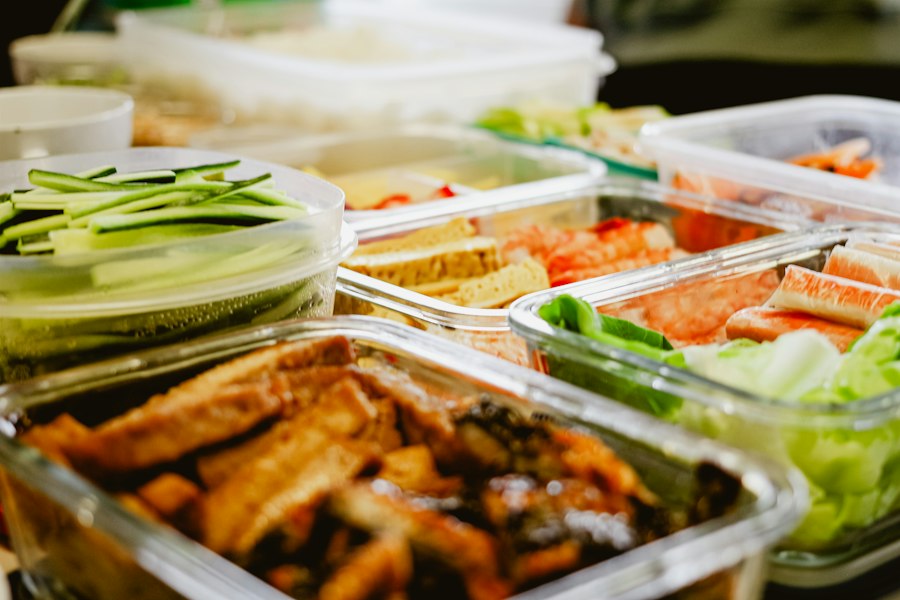
Creating a balanced meal plan is crucial for maintaining good health and energy levels throughout the week. A well-rounded menu should include a variety of food groups: lean proteins, whole grains, healthy fats, and plenty of fruits and vegetables. When planning your meals, aim for colorful plates that reflect different nutrients.
For example, if you’re planning a stir-fry for dinner, consider adding chicken or tofu for protein, brown rice for whole grains, and an assortment of colorful vegetables like bell peppers, broccoli, and carrots. This not only enhances the visual appeal of your meal but also ensures that you’re getting a range of vitamins and minerals. Don’t forget about snacks; including healthy options like nuts, yogurt, or fresh fruit can help keep energy levels stable between meals.
If you’re looking to enhance your meal planning skills, you might find it helpful to explore a related article that discusses the benefits of maintaining a balanced diet for overall wellness. This can complement your efforts in the kitchen and help you feel more energized throughout the week. You can read more about it in this insightful piece on achieving a healthier lifestyle. By integrating these tips into your routine, you can create a more enjoyable cooking experience while ensuring you nourish your body effectively.
Making a Detailed Grocery Shopping List
| Step | Action | Details | Estimated Time | Benefits |
|---|---|---|---|---|
| 1 | Assess Your Schedule | Review your week’s commitments to determine how many meals need to be planned. | 10 minutes | Helps allocate cooking time efficiently and avoid last-minute stress. |
| 2 | Choose Recipes | Select easy, balanced recipes that suit your dietary preferences and time constraints. | 20 minutes | Ensures variety and nutritional balance while simplifying cooking. |
| 3 | Create a Menu | Write down meals for each day, including breakfast, lunch, and dinner. | 15 minutes | Provides a clear plan to follow, reducing decision fatigue. |
| 4 | Make a Shopping List | List all ingredients needed for the week’s meals, grouped by category. | 15 minutes | Streamlines grocery shopping and prevents forgotten items. |
| 5 | Prep Ingredients | Wash, chop, and portion ingredients ahead of time. | 30-60 minutes | Reduces daily cooking time and stress. |
| 6 | Cook in Batches | Prepare larger portions to use for multiple meals. | Varies | Saves time and effort during busy days. |
| 7 | Store Meals Properly | Use airtight containers and label meals for easy access. | 10 minutes | Keeps food fresh and organized. |
| 8 | Review and Adjust | At the end of the week, evaluate what worked and what didn’t. | 10 minutes | Improves future meal planning and reduces stress. |
With your meal plan in hand, it’s time to create a detailed grocery shopping list. This step is crucial for ensuring that you have everything you need without making unnecessary trips to the store.
Start by listing all the ingredients required for each recipe and then categorize them by section—produce, dairy, meats, pantry items—to make your shopping trip more efficient.
As you compile your list, check your pantry and refrigerator for items you may already have on hand. This not only saves money but also helps reduce food waste. If you find that certain ingredients overlap between recipes, consider buying in bulk or adjusting your meal plan slightly to use them up efficiently. A well-organized shopping list can make grocery shopping less daunting and more productive.
If you’re looking to simplify your meal prep even further, you might find it helpful to explore a delicious recipe for a classic French dish. The article on Pan Bagnat, a flavorful tuna salad sandwich, offers a perfect option for your weekly menu. This dish not only provides a nutritious meal but also showcases how easy it can be to incorporate diverse flavors into your cooking routine. You can check it out for inspiration by visiting this link.
Prepping Ingredients in Advance to Save Time
One of the best ways to ensure stress-free cooking during the week is to prep ingredients in advance. Dedicate some time on the weekend or whenever it suits you best to wash, chop, and store vegetables or marinate proteins. Having these components ready to go can significantly cut down on cooking time during busy evenings.
For example, if you plan to make salads throughout the week, wash and chop all your greens and veggies ahead of time and store them in airtight containers in the fridge. You can also cook grains like quinoa or rice in advance and portion them out for easy access during meal prep. By taking these steps, you’ll find that assembling meals becomes much quicker and less overwhelming.
Incorporating Flexibility for Unexpected Changes
Life can be unpredictable, so it’s important to incorporate some flexibility into your weekly menu plan. While having a structured plan is beneficial, being too rigid can lead to frustration when unexpected events arise—like a last-minute dinner invitation or an evening when you’re simply too tired to cook.
To accommodate these changes, consider planning one or two “flex” meals each week—dishes that are easy to prepare or can be made with whatever ingredients you have on hand. Additionally, keep some pantry staples like canned beans or frozen vegetables available for quick meal solutions when plans change unexpectedly. This way, you can adapt without feeling overwhelmed.
Reviewing and Adjusting Your Menu for the Following Week
At the end of each week, take some time to review how your meal plan worked out. Reflect on what recipes were hits and which ones didn’t quite resonate with your family’s tastes. This evaluation will help you refine your planning process for the following week.
Consider keeping a simple journal or digital note where you jot down feedback about each meal—what worked well and what could be improved. You might also want to note any new recipes you’d like to try based on seasonal ingredients or family requests. By continuously adjusting your menu based on past experiences, you’ll create a more enjoyable cooking routine that evolves with your needs.
In conclusion, planning a weekly menu doesn’t have to be a daunting task. By understanding its benefits, assessing your schedule, choosing suitable recipes, creating balanced meals, making detailed grocery lists, prepping in advance, incorporating flexibility, and reviewing your plans regularly, you can achieve stress-free cooking that fits seamlessly into your life. With a little practice and organization, you’ll find that meal planning becomes an enjoyable part of your weekly routine rather than a chore.
FAQs
What are the benefits of planning a weekly menu?
Planning a weekly menu helps save time and reduce stress by eliminating the daily decision-making about what to cook. It also allows for better grocery shopping, minimizes food waste, and can lead to healthier eating habits by ensuring a balanced diet.
How do I start planning my weekly menu?
Begin by assessing your schedule for the week to identify busy days. Then, choose recipes that fit your time constraints and dietary preferences. Make a list of ingredients needed for those recipes and create a grocery list to streamline shopping.
Can I involve my family in the menu planning process?
Yes, involving family members can make meal planning more enjoyable and ensure that everyone’s preferences are considered. You can hold a family meeting to discuss favorite meals, try new recipes, and assign cooking responsibilities.
How can I ensure variety in my weekly menu?
To maintain variety, rotate different cuisines, incorporate seasonal ingredients, and try new recipes each week. You can also plan themed nights, such as Meatless Monday or Taco Tuesday, to keep meals exciting and diverse.
What should I do if I have leftovers?
Leftovers can be repurposed into new meals to minimize waste. Consider using them in soups, salads, or casseroles. You can also freeze leftovers for future meals, ensuring you always have something quick and easy on hand.