

Vegan salads can be a powerhouse of nutrition, offering a vibrant mix of flavors, textures, and colors. They’re not just a side dish; they can be a complete meal packed with essential nutrients. Whether you’re a long-time vegan or just looking to incorporate more plant-based meals into your diet, understanding how to create nutrient-rich salads can elevate your culinary experience.
In this article, we’ll explore the essential components of balanced vegan salads, from leafy greens to protein sources and healthy fats. We’ll also share creative dressing ideas and seasonal recipes that will keep your salads exciting and satisfying. By the end, you’ll have a solid foundation for crafting delicious salads that nourish both your body and your taste buds.
If you’re looking to enhance your vegan salad ideas for nutrient-rich meals, you might also be interested in exploring how to ensure your beauty routine is free from toxic ingredients. A healthy lifestyle encompasses not just what we eat, but also the products we use on our bodies. For more insights, check out this informative article on the importance of evaluating your beauty routine: Checking Your Beauty Routine for Toxic Ingredients.
Key Takeaways
- Nutrient-rich vegan salads are a delicious way to incorporate a variety of essential nutrients into your diet.
- Key ingredients for balanced vegan salads include leafy greens, protein sources, and healthy fats.
- Leafy greens like spinach and kale provide vital vitamins and minerals essential for overall health.
- Adding protein sources such as beans, lentils, or tofu enhances the nutritional profile and keeps you satiated.
- Creative dressings and seasonal recipes can elevate your salads, while meal-prepping ensures convenience throughout the week.
Essential Ingredients for Balanced Vegan Salads
Creating a balanced vegan salad involves more than just tossing together some greens and veggies. A well-rounded salad should include a variety of ingredients that provide essential nutrients. Think of it as building a colorful plate that not only looks appealing but also fuels your body effectively.
Start with a base of leafy greens, which are rich in vitamins and minerals. From there, add a mix of colorful vegetables like bell peppers, carrots, and cucumbers for crunch and flavor. Incorporating whole grains such as quinoa or brown rice can add substance and fiber, making your salad more filling. Don’t forget to include protein sources like beans, lentils, or tofu to ensure you’re getting enough energy throughout the day.
Leafy Greens and Their Nutritional Benefits
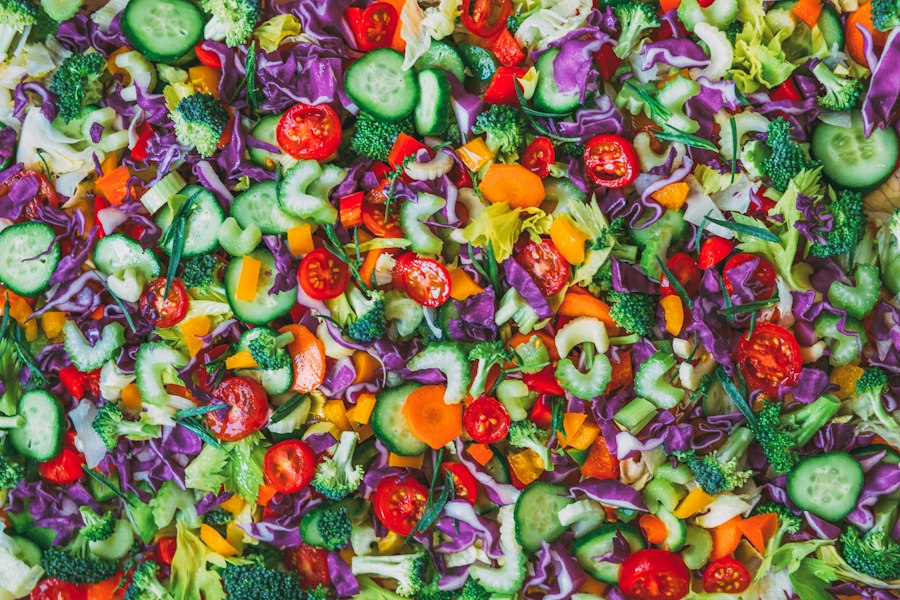
Leafy greens are the backbone of any great salad. They’re low in calories but high in essential nutrients, making them an ideal choice for anyone looking to maintain a healthy diet. Spinach, kale, arugula, and romaine are just a few options that can add depth to your salads.
Spinach is particularly rich in iron and calcium, while kale boasts high levels of vitamins A, C, and K. Arugula adds a peppery flavor that can elevate the taste profile of your dish. Mixing different greens not only enhances the visual appeal but also maximizes the nutritional benefits. The variety ensures you’re getting a broad spectrum of vitamins and minerals that support overall health.
Incorporating Protein Sources in Vegan Salads
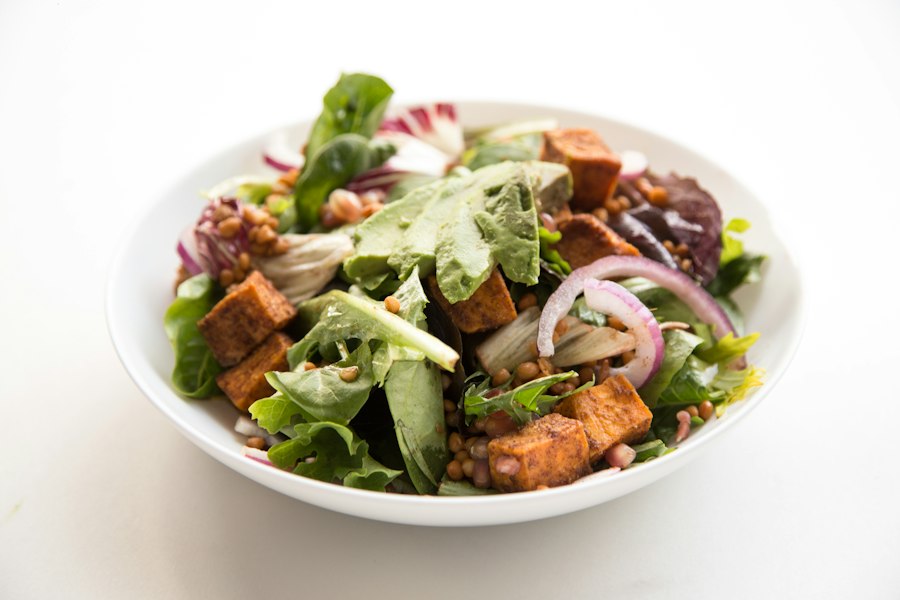
Protein is crucial for maintaining muscle mass and overall health, especially in a vegan diet where traditional sources like meat and dairy are absent. Fortunately, there are plenty of plant-based protein options that can easily be incorporated into salads.
Legumes such as chickpeas, black beans, and lentils are excellent choices. They’re not only high in protein but also packed with fiber, which aids digestion and keeps you feeling full longer. Tofu and tempeh are also great additions; they absorb flavors well and can be marinated or grilled for extra taste. Nuts and seeds like almonds, sunflower seeds, or pumpkin seeds can provide a satisfying crunch while boosting the protein content of your salad.
If you’re looking to enhance your plant-based meals, exploring various vegan salad ideas can be a great way to incorporate nutrient-rich ingredients into your diet. For those who enjoy a bit of variety, you might find inspiration in a related article that showcases delicious wood-grilled prawns, which can be a fantastic addition to salads for those who include seafood in their meals. You can check it out here: com/cutler-cos-wood-grilled-prawns-with-fried-garlic-and-chilli-oil/’>wood-grilled prawns with fried garlic and chili oil.
This combination can elevate your salads while still keeping them vibrant and nutritious.
Adding Healthy Fats for Flavor and Nutrition
| Salad Name | Main Ingredients | Calories (per serving) | Protein (g) | Fiber (g) | Key Nutrients | Preparation Time |
|---|---|---|---|---|---|---|
| Quinoa & Chickpea Salad | Quinoa, chickpeas, cucumber, cherry tomatoes, parsley, lemon dressing | 350 | 15 | 8 | Protein, Fiber, Vitamin C, Iron | 15 minutes |
| Kale & Avocado Salad | Kale, avocado, sunflower seeds, red onion, apple cider vinaigrette | 300 | 7 | 6 | Vitamin K, Healthy Fats, Fiber, Magnesium | 10 minutes |
| Sweet Potato & Black Bean Salad | Roasted sweet potato, black beans, corn, cilantro, lime dressing | 400 | 12 | 10 | Vitamin A, Protein, Fiber, Potassium | 25 minutes |
| Spinach & Strawberry Salad | Spinach, strawberries, walnuts, balsamic glaze, red onion | 280 | 5 | 4 | Vitamin C, Antioxidants, Omega-3, Fiber | 10 minutes |
| Lentil & Beetroot Salad | Cooked lentils, beetroot, arugula, pumpkin seeds, mustard dressing | 360 | 18 | 9 | Iron, Protein, Fiber, Folate | 20 minutes |
Healthy fats play an essential role in any balanced diet, including vegan salads. They help with the absorption of fat-soluble vitamins (A, D, E, K) and add richness to your dishes. Avocado is a popular choice; its creamy texture complements many salad ingredients while providing heart-healthy monounsaturated fats.
Olive oil is another fantastic option for drizzling over your salad or using as a base for dressings. It’s rich in antioxidants and has anti-inflammatory properties. Nuts and seeds not only contribute protein but also healthy fats; walnuts and chia seeds are particularly beneficial. Including these fats not only enhances flavor but also makes your salad more satisfying.
If you’re looking to enhance your meals with vibrant flavors and essential nutrients, exploring various vegan salad ideas can be a fantastic starting point. Incorporating a mix of fresh vegetables, legumes, and grains not only boosts the nutritional value of your dishes but also keeps your palate excited. For those curious about how different dietary choices can impact overall health, you might find it interesting to read about the effects of coffee on wellness in this article on coffee consumption. This exploration can complement your journey toward creating nutrient-rich meals while enjoying your favorite beverages.
Creative Vegan Salad Dressings and Toppings
A salad can only be as good as its dressing, so getting creative here can make all the difference. Traditional dressings often contain dairy or eggs, but there are plenty of vegan alternatives that are just as delicious.
Consider making a simple vinaigrette with olive oil, balsamic vinegar, mustard, and herbs for a fresh flavor boost. For something creamier, try blending cashews with lemon juice, garlic, and nutritional yeast to create a rich dressing that’s dairy-free. You can also experiment with tahini-based dressings or avocado dressings for added creaminess without the dairy.
Toppings can elevate your salad even further. Think roasted chickpeas for crunch or fresh herbs like cilantro or basil for added flavor. Dried fruits like cranberries or apricots can introduce a sweet element that balances savory ingredients beautifully.
Seasonal Vegan Salad Recipes to Try
Eating seasonally not only supports local farmers but also ensures you’re getting the freshest ingredients possible. Seasonal produce can inspire new salad creations that highlight the best flavors of each season.
In spring, consider a salad featuring asparagus, peas, and radishes tossed with a lemon-tahini dressing. Summer is perfect for incorporating juicy tomatoes, cucumbers, and corn with a refreshing basil vinaigrette. As fall approaches, roasted sweet potatoes paired with kale and cranberries create a hearty dish that’s perfect for cooler weather. Winter salads can include hearty greens like collards or Swiss chard mixed with citrus fruits for brightness during the colder months.
Tips for Meal-Prepping Vegan Salads for the Week
Meal prepping can save time during busy weeks while ensuring you have healthy options readily available. When preparing vegan salads in advance, it’s important to keep certain factors in mind to maintain freshness.
Start by washing and chopping your greens and vegetables ahead of time but store them separately from dressings to prevent sogginess. Use airtight containers to keep everything fresh; mason jars work particularly well for layering ingredients without crushing delicate items like greens. You can prepare grains and proteins in bulk at the beginning of the week to easily add them to your salads as needed.
When it comes time to eat, simply combine your prepped ingredients with your favorite dressing for a quick meal that’s both nutritious and satisfying. This approach not only saves time but also encourages you to stick to healthier eating habits throughout the week.
In conclusion, crafting nutrient-rich vegan salads is an enjoyable way to explore plant-based eating while ensuring you get a variety of essential nutrients. By focusing on balanced ingredients—leafy greens, proteins, healthy fats, creative dressings—you can create satisfying meals that keep you energized and nourished. With seasonal recipes and meal-prepping tips at your disposal, you’ll find it easy to incorporate these vibrant salads into your daily routine.
FAQs
What are some key nutrients found in vegan salads?
Vegan salads can be rich in various nutrients, including vitamins A, C, and K, fiber, and antioxidants. Ingredients like leafy greens, colorful vegetables, nuts, seeds, and legumes contribute to a well-rounded nutrient profile, providing essential amino acids, healthy fats, and minerals such as iron and calcium.
How can I make a vegan salad more filling?
To make a vegan salad more filling, consider adding protein-rich ingredients such as chickpeas, lentils, quinoa, or tofu. Incorporating healthy fats from avocados, nuts, or seeds can also enhance satiety. Additionally, using whole grains like brown rice or farro can provide extra bulk and nutrients.
Are there any specific dressings that complement vegan salads?
Yes, there are many dressings that complement vegan salads. Popular options include tahini-based dressings, balsamic vinaigrettes, lemon-tahini dressing, and avocado dressings. These dressings not only add flavor but also contribute healthy fats and additional nutrients to the salad.
Can vegan salads be prepared in advance?
Absolutely! Vegan salads can be prepared in advance, but it’s best to store the dressing separately to prevent the greens from wilting. You can chop vegetables and prepare grains or proteins ahead of time, then assemble the salad just before serving for optimal freshness.
What are some creative vegan salad ideas?
Creative vegan salad ideas include a Mediterranean chickpea salad with cucumbers, tomatoes, and olives; a quinoa salad with black beans, corn, and avocado; or a kale salad with roasted sweet potatoes and tahini dressing. Mixing different textures and flavors can make salads more exciting and enjoyable.