

Meatless Mondays is a global movement that encourages individuals to forgo meat one day a week, promoting a plant-based diet for health, environmental, and ethical reasons. Launched in 2003 by the Monday Campaigns, this initiative aims to reduce meat consumption and its associated carbon footprint while also improving public health. The concept has gained traction in various communities, schools, and workplaces, with many people recognizing the benefits of incorporating more plant-based meals into their diets.
By dedicating one day a week to meat-free eating, individuals can explore a diverse array of flavors and ingredients that they might not typically consider. The rationale behind Meatless Mondays extends beyond personal health; it also addresses broader societal issues. The livestock industry is a significant contributor to greenhouse gas emissions, deforestation, and water usage.
By reducing meat consumption, even just one day a week, individuals can contribute to a more sustainable food system. Furthermore, studies have shown that diets rich in fruits, vegetables, whole grains, and legumes can lower the risk of chronic diseases such as heart disease, diabetes, and certain cancers. Thus, Meatless Mondays serves as an accessible entry point for those looking to make healthier choices while also being mindful of their environmental impact.
Key Takeaways
- Meatless Mondays promote a healthier lifestyle and reduce environmental impact
- Vegetarian salads are packed with nutrients and can aid in weight management
- Greek salad with quinoa and feta is a protein-rich and satisfying option
- Roasted vegetable salad with balsamic vinaigrette offers a flavorful and colorful dish
- Avocado and black bean salad with lime dressing provides a refreshing and filling meal option
Benefits of Vegetarian Salads
Vegetarian salads are a cornerstone of the Meatless Monday movement, offering a plethora of health benefits while being incredibly versatile and satisfying. One of the primary advantages of incorporating salads into a meat-free diet is their high nutrient density. Salads can be packed with vitamins, minerals, and antioxidants from a variety of vegetables, fruits, nuts, and seeds.
For instance, leafy greens like spinach and kale are rich in iron and calcium, while colorful vegetables such as bell peppers and carrots provide essential vitamins A and This nutrient-rich profile supports overall health and well-being. In addition to their nutritional benefits, vegetarian salads can also be incredibly filling and satisfying when prepared thoughtfully. By including protein sources such as beans, lentils, or quinoa, salads can provide the necessary sustenance to keep hunger at bay.
Moreover, the inclusion of healthy fats from ingredients like avocados or olive oil can enhance satiety and flavor. The combination of textures and flavors in a well-crafted salad can make for an enjoyable dining experience that rivals traditional meat-based meals. This versatility allows for endless creativity in the kitchen, encouraging individuals to experiment with different ingredients and dressings.
Greek Salad with Quinoa and Feta
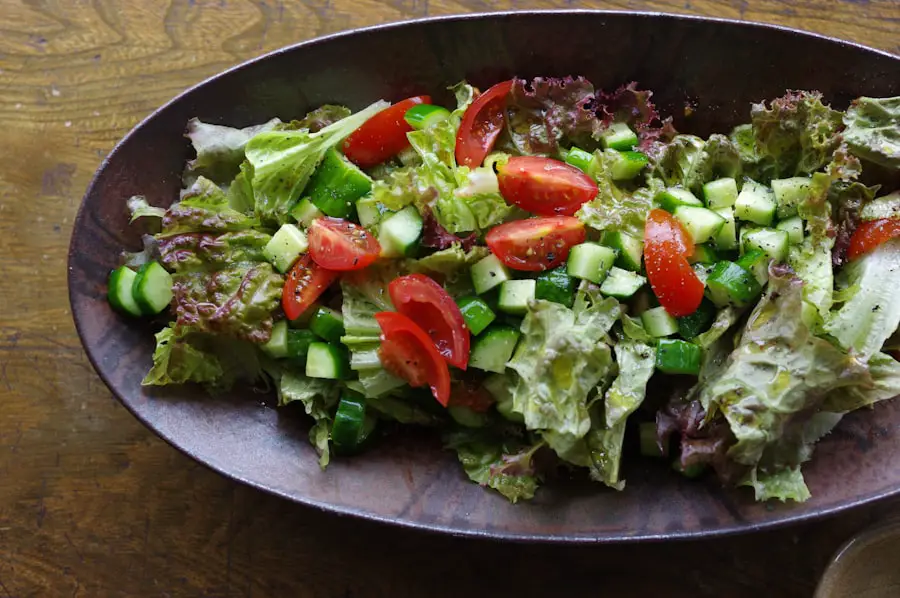
The Greek salad is a classic dish that embodies the essence of Mediterranean cuisine. Traditionally made with tomatoes, cucumbers, red onions, olives, and feta cheese, this salad is not only refreshing but also packed with flavor. To elevate this dish for Meatless Mondays, quinoa can be added as a nutritious base.
Quinoa is a complete protein source, containing all nine essential amino acids, making it an excellent addition for those seeking plant-based protein options. To prepare a Greek salad with quinoa and feta, start by cooking the quinoa according to package instructions. Once cooked and cooled, combine it with diced tomatoes, cucumbers, red onions, Kalamata olives, and crumbled feta cheese in a large bowl.
For the dressing, whisk together olive oil, red wine vinegar, lemon juice, oregano, salt, and pepper. Drizzle the dressing over the salad and toss gently to combine all ingredients. The result is a vibrant dish that not only looks appealing but also offers a delightful balance of flavors—tangy feta complements the freshness of the vegetables while the quinoa adds a hearty texture.
Roasted Vegetable Salad with Balsamic Vinaigrette
Roasting vegetables brings out their natural sweetness and enhances their flavors, making them an ideal component for a hearty salad. A roasted vegetable salad can be both comforting and nutritious, perfect for any season. Common vegetables for roasting include bell peppers, zucchini, carrots, and Brussels sprouts; however, the choice can be tailored based on personal preferences or seasonal availability.
To create a roasted vegetable salad with balsamic vinaigrette, begin by preheating the oven to 425°F (220°C). Chop your chosen vegetables into bite-sized pieces and toss them in olive oil along with salt and pepper. Spread them out on a baking sheet in a single layer and roast for about 20-25 minutes or until they are tender and slightly caramelized.
While the vegetables are roasting, prepare the balsamic vinaigrette by whisking together balsamic vinegar, Dijon mustard, honey (or maple syrup for a vegan option), salt, and pepper in a bowl. Once the vegetables are done roasting and have cooled slightly, combine them with mixed greens or arugula in a large bowl. Drizzle the balsamic vinaigrette over the top and toss gently to coat everything evenly.
This salad not only provides an array of flavors but also showcases the beauty of seasonal produce.
Avocado and Black Bean Salad with Lime Dressing
Avocado is often celebrated for its creamy texture and healthy fats; when paired with black beans in a salad, it creates a satisfying dish that is both nutritious and delicious. This combination is particularly popular in Mexican cuisine but can be adapted to suit various tastes. Black beans are an excellent source of plant-based protein and fiber, making this salad a filling option for Meatless Mondays.
To prepare an avocado and black bean salad with lime dressing, start by rinsing canned black beans (or cooking dried beans) and draining them well. In a large bowl, combine the black beans with diced avocado, chopped red onion, diced tomatoes, corn (fresh or canned), cilantro leaves, and jalapeño for an added kick if desired. For the lime dressing, whisk together fresh lime juice, olive oil, minced garlic, cumin powder, salt, and pepper until well combined.
Pour the dressing over the salad mixture and toss gently to ensure everything is coated without mashing the avocado. This vibrant salad not only bursts with flavor but also provides essential nutrients that support overall health.
Spinach and Strawberry Salad with Poppy Seed Dressing
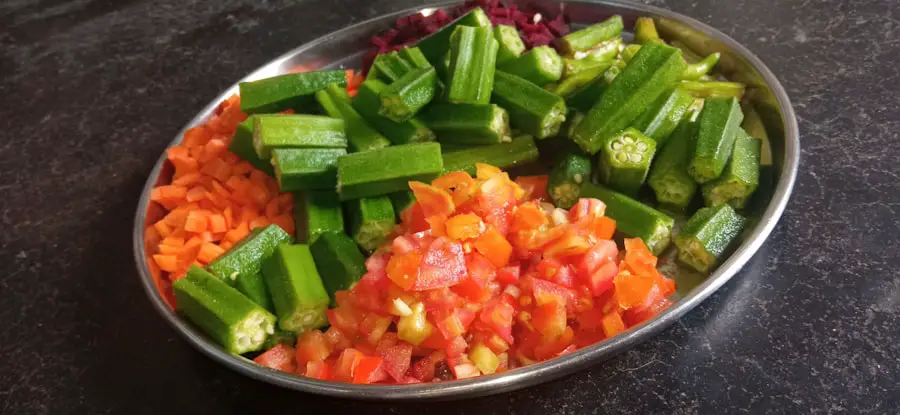
The combination of spinach and strawberries creates a delightful contrast between savory greens and sweet fruit. This salad is particularly popular during spring and summer months when strawberries are in season. The addition of poppy seed dressing adds an extra layer of flavor that complements the freshness of the ingredients beautifully.
To create a spinach and strawberry salad with poppy seed dressing, start by washing fresh spinach leaves thoroughly and placing them in a large bowl. Slice fresh strawberries and add them to the spinach along with toasted pecans or walnuts for added crunch. For the poppy seed dressing, combine mayonnaise (or Greek yogurt for a lighter option), apple cider vinegar, honey (or agave syrup), poppy seeds, salt, and pepper in a small bowl; whisk until smooth.
Drizzle the dressing over the salad just before serving to maintain the crispness of the spinach and strawberries. This salad not only offers a burst of color but also provides essential vitamins such as vitamin C from strawberries and iron from spinach.
Tips for Making Delicious Vegetarian Salads
Creating delicious vegetarian salads requires attention to detail regarding ingredients and preparation methods. One key tip is to focus on texture; incorporating various elements such as crunchy nuts or seeds alongside tender greens can elevate the overall experience. Additionally, using seasonal produce ensures that ingredients are at their peak flavor while also supporting local agriculture.
Experimenting with different dressings can also transform a simple salad into something extraordinary—consider using homemade dressings made from fresh herbs or citrus juices for added vibrancy.
Embracing Meatless Mondays with Vegetarian Salads
As more individuals recognize the importance of sustainable eating practices and healthier lifestyles, Meatless Mondays presents an excellent opportunity to explore vegetarian salads that are both nourishing and satisfying. By incorporating diverse ingredients such as grains, legumes, fruits, vegetables, nuts, and seeds into salads, one can create meals that are not only delicious but also packed with essential nutrients. The variety of vegetarian salads available allows for endless creativity in meal preparation while encouraging individuals to embrace plant-based eating habits.
Whether it’s enjoying a classic Greek salad with quinoa or indulging in a refreshing spinach and strawberry salad with poppy seed dressing, there’s no shortage of options to satisfy any palate on Meatless Mondays or any day of the week. By making small changes in our dietary choices—like dedicating one day to meat-free meals—we can contribute positively to our health as well as the health of our planet.
If you’re looking to expand your repertoire of meatless dishes beyond Vegetarian Salad Recipes for Meatless Mondays, you might find inspiration in the delightful combination of flavors featured in the Grilled Peach and Apricot Salad. This refreshing salad offers a perfect balance of sweetness and tang, making it an excellent addition to your meatless meal plan. For more details on how to prepare this delicious dish, check out the full recipe here.
FAQs
What are some benefits of eating vegetarian salads?
Eating vegetarian salads can provide a variety of health benefits, including increased consumption of vitamins, minerals, and fiber, as well as potential weight management and reduced risk of certain chronic diseases.
What are some key ingredients in vegetarian salad recipes?
Key ingredients in vegetarian salad recipes often include leafy greens, such as spinach or kale, as well as a variety of vegetables, fruits, nuts, seeds, and protein sources such as beans, tofu, or tempeh.
Are vegetarian salads suitable for a Meatless Monday meal?
Yes, vegetarian salads are a great option for a Meatless Monday meal as they provide a satisfying and nutritious alternative to meat-based dishes. They can be easily customized to include a variety of flavors and textures.
Can vegetarian salads be a complete meal on their own?
Yes, vegetarian salads can be a complete meal on their own when they are well-balanced and include a variety of nutrients such as protein, healthy fats, and carbohydrates. Adding ingredients like quinoa, chickpeas, or avocado can help make the salad more filling and satisfying.
What are some popular vegetarian salad dressings?
Popular vegetarian salad dressings include vinaigrettes made with olive oil and balsamic vinegar, tahini-based dressings, and citrus-based dressings. These dressings can add flavor and moisture to the salad without the need for animal products.