

Carrot cake has a surprisingly rich history that dates back centuries. Its origins can be traced to medieval Europe, where sweeteners like sugar were scarce and expensive. People often turned to carrots, which were naturally sweet, as a substitute. The concept of using carrots in desserts gained traction, particularly in England, where recipes began to emerge in the 18th century. The first known carrot cake recipe appeared in a cookbook published in 1827, showcasing the vegetable’s versatility beyond savory dishes.
As the years went by, carrot cake evolved into a beloved dessert, especially in the United States during the 1960s and 1970s. This period saw a surge in health-conscious eating, and carrot cake was embraced as a “healthier” option compared to other cakes. The addition of nuts, spices, and cream cheese frosting further enhanced its appeal. Today, carrot cake is a staple at celebrations and gatherings, cherished for its moist texture and delightful flavor.
If you’re a fan of delicious desserts, you might also enjoy exploring the delightful world of savory dishes, such as pot stickers. These tasty treats can be a perfect complement to a sweet carrot cake. For a unique culinary experience, check out this related article on how to make pot stickers with chicken and chili sauce.
Key Takeaways
- Carrot cake originated in Europe during the Middle Ages and gained popularity in the United States during the 20th century.
- The perfect carrot cake recipe includes grated carrots, warm spices, and a creamy frosting.
- Carrot cake can be a healthier dessert option due to the high content of carrots, nuts, and spices.
- Different variations of carrot cake include adding pineapple, coconut, or raisins for added flavor and texture.
- Tips for baking the best carrot cake include using fresh ingredients, properly measuring the ingredients, and not overmixing the batter.
The Perfect Carrot Cake Recipe
Creating the perfect carrot cake starts with selecting the right ingredients. A classic recipe typically includes finely grated carrots, all-purpose flour, sugar, eggs, vegetable oil, baking powder, baking soda, cinnamon, and salt. Some variations also incorporate crushed pineapple or applesauce for added moisture and flavor. The key is to ensure that the carrots are freshly grated; pre-packaged shredded carrots can be drier and less flavorful.
When it comes to mixing the ingredients, it’s essential to follow a few simple steps. Begin by whisking together the dry ingredients in one bowl and the wet ingredients in another.
Gradually combine the two mixtures until just blended; overmixing can lead to a dense cake.
Pour the batter into prepared cake pans and bake at 350°F (175°C) for about 25-30 minutes or until a toothpick inserted in the center comes out clean. Allow the cakes to cool completely before frosting for the best results.
Health Benefits of Carrot Cake
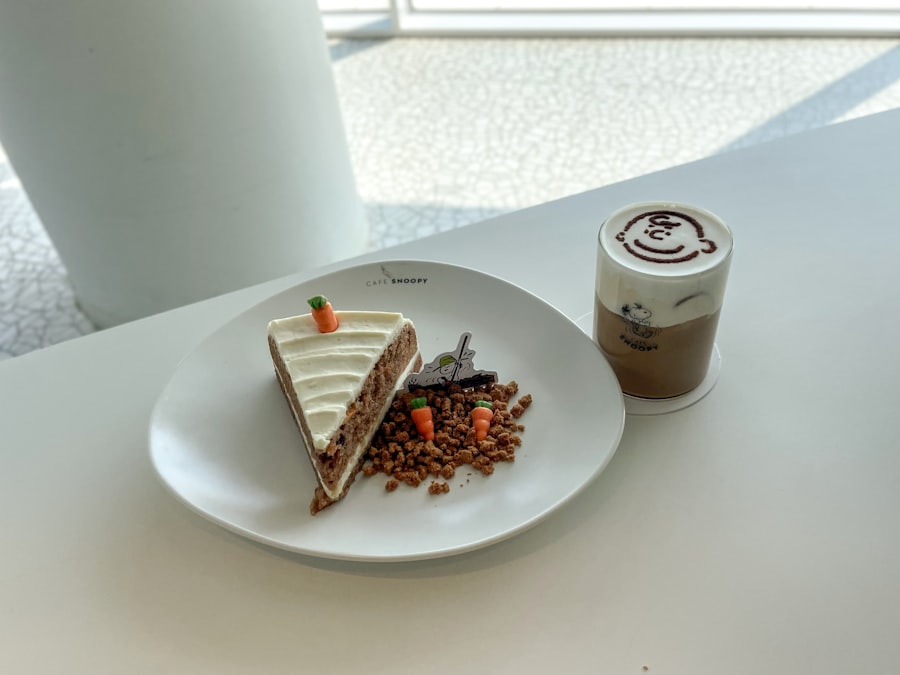
While carrot cake is often seen as an indulgent treat, it does offer some health benefits that make it a more appealing option than many other desserts. Carrots are rich in beta-carotene, which is converted into vitamin A in the body. This nutrient is essential for maintaining good vision, skin health, and immune function.
Additionally, carrots provide dietary fiber, which aids digestion and can help regulate blood sugar levels. Moreover, if you choose to incorporate nuts like walnuts or pecans into your carrot cake, you’re adding healthy fats and protein to the mix. Nuts are known for their heart-healthy properties and can contribute to overall well-being when consumed in moderation.
While it’s important to enjoy carrot cake as an occasional treat rather than a daily staple, its nutritional components can make it a more balanced dessert choice.
Different Variations of Carrot Cake
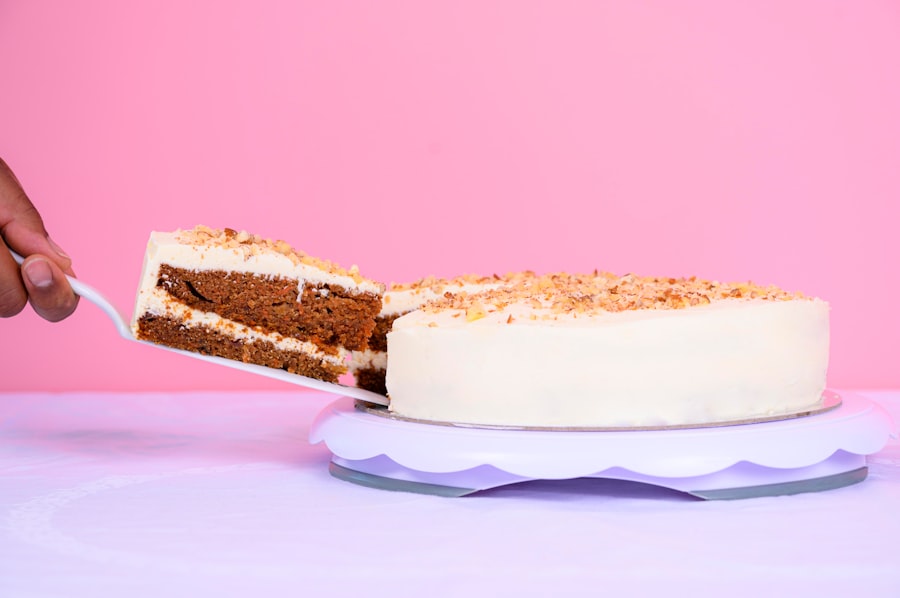
Carrot cake is incredibly versatile, allowing for numerous variations that cater to different tastes and dietary preferences. One popular twist is the addition of pineapple or coconut, which adds a tropical flair and enhances moisture. Some bakers opt for a spiced version by incorporating ginger or nutmeg alongside the traditional cinnamon, giving the cake a warm and aromatic profile.
For those following gluten-free diets, almond flour or coconut flour can be used as substitutes for all-purpose flour without sacrificing flavor or texture. Vegan versions of carrot cake are also gaining popularity; by replacing eggs with flaxseed meal or applesauce and using plant-based oils or dairy-free milk, you can create a delicious cake that everyone can enjoy. These variations not only keep the classic flavor intact but also introduce new dimensions to this beloved dessert.
Carrot cake, with its moist texture and rich flavor, often brings to mind cozy gatherings and delightful celebrations. If you’re looking to elevate your baking experience, you might find inspiration in the world of interior design, where unexpected trends can create a warm and inviting atmosphere for enjoying your favorite desserts. For some creative ideas on how to transform your space, check out this article on unexpected interiors trends that can complement your culinary adventures.
Tips for Baking the Best Carrot Cake
“`html
| Ingredient | Amount |
|---|---|
| Carrots | 2 cups, grated |
| Flour | 2 cups |
| Sugar | 1 1/2 cups |
| Eggs | 3 |
| Oil | 1 cup |
| Baking powder | 2 tsp |
| Cinnamon | 1 tsp |
| Vanilla extract | 1 tsp |
| Walnuts | 1 cup, chopped |
| Cream cheese | 8 oz |
| Powdered sugar | 1 cup |
| Butter | 1/4 cup |
“`
Baking a standout carrot cake requires attention to detail and a few tried-and-true tips. First and foremost, ensure that your ingredients are at room temperature before mixing; this helps create a smoother batter and promotes even baking. When grating carrots, opt for a fine grater to achieve a uniform texture that blends seamlessly into the cake.
Another crucial aspect is to avoid overbaking. Keep an eye on your cake as it nears the end of the baking time; every oven is different, so checking for doneness with a toothpick is essential. If it comes out clean or with just a few crumbs attached, it’s time to take it out. Lastly, allow your cake layers to cool completely before frosting; this prevents the frosting from melting and ensures a beautiful presentation.
Pairing Carrot Cake with the Perfect Frosting
Frosting plays a significant role in elevating carrot cake from good to exceptional. The classic choice is cream cheese frosting, which complements the spices in the cake beautifully with its tangy sweetness. To make it even more delightful, consider adding a hint of vanilla extract or lemon zest for an extra layer of flavor.
If you’re looking for alternatives to cream cheese frosting, buttercream or whipped cream can also work well. A simple vanilla buttercream provides a sweet contrast without overpowering the cake’s natural flavors. For those who prefer a lighter option, whipped cream with a touch of powdered sugar can create a fluffy topping that enhances rather than masks the taste of the carrot cake.
Creative Ways to Serve Carrot Cake
Serving carrot cake can be as creative as baking it. One fun idea is to turn individual servings into mini cakes by baking them in muffin tins or small ramekins. This not only makes for an adorable presentation but also allows guests to enjoy their own personal portion without needing to slice into a larger cake.
Another approach is to layer carrot cake with other flavors. For instance, you could create a layered dessert by alternating layers of carrot cake with layers of chocolate mousse or vanilla pudding.
This combination adds visual appeal and introduces new taste sensations that can surprise and delight your guests.
Carrot Cake: A Versatile Dessert for Every Occasion
Carrot cake’s versatility makes it suitable for various occasions, from casual family gatherings to formal celebrations like weddings or birthdays. Its unique flavor profile appeals to both children and adults alike, making it an excellent choice for mixed-age events. You can dress it up with elegant decorations for special occasions or keep it simple for everyday enjoyment.
Moreover, carrot cake can be enjoyed year-round. Whether served at springtime gatherings or cozy autumn get-togethers, its warm spices and comforting texture resonate with seasonal themes. With its rich history and delightful taste, carrot cake remains a timeless dessert that continues to bring joy to tables everywhere.
FAQs
What is carrot cake?
Carrot cake is a moist and dense cake that is made with grated carrots, and often includes ingredients such as nuts, raisins, and spices like cinnamon and nutmeg.
Is carrot cake healthy?
Carrot cake can be a healthier option compared to other cakes, as it contains carrots which are a good source of vitamins and fiber. However, it is still a dessert and typically contains sugar and oil, so it should be enjoyed in moderation.
What is the origin of carrot cake?
Carrot cake has been traced back to Europe in the Middle Ages, when sweeteners were scarce and carrots were used to sweeten cakes. The modern version of carrot cake, with cream cheese frosting, became popular in the United States in the 1960s.
How is carrot cake typically served?
Carrot cake is often served with a cream cheese frosting, which complements the flavors of the cake. It can also be topped with chopped nuts or a dusting of powdered sugar.
Can carrot cake be made gluten-free or vegan?
Yes, carrot cake can be made gluten-free by using a gluten-free flour blend, and it can be made vegan by using plant-based milk and egg substitutes. There are many recipes available for gluten-free and vegan carrot cake options.