

Strudel, a beloved pastry characterized by its thin, flaky layers and rich fillings, has a history that stretches back centuries, intertwining with the culinary traditions of various cultures. Its origins can be traced to the Middle Ages, with some historians suggesting that the concept of layered dough may have been influenced by ancient Middle Eastern pastries. The earliest known recipes resembling strudel can be found in the Ottoman Empire, where bakers crafted delicate pastries filled with nuts and fruits.
As trade routes expanded and cultural exchanges flourished, these techniques made their way into Central Europe, particularly Austria and Hungary, where strudel evolved into the form we recognize today. By the 18th century, strudel had firmly established itself in Austrian cuisine, particularly in Vienna, where it became a staple in coffeehouses and bakeries. The famous “Apfelstrudel,” or apple strudel, emerged during this period, showcasing the use of local ingredients such as tart apples, cinnamon, and sugar.
The pastry’s popularity spread throughout Europe, with each region adding its unique twist to the classic recipe. The 19th century saw strudel becoming a symbol of Austrian culinary prowess, often served at royal banquets and festive occasions. This evolution from a simple layered pastry to a sophisticated dessert reflects not only the adaptability of strudel but also its ability to capture the essence of local flavors and traditions.
Key Takeaways
- Strudel has ancient origins and has evolved into a modern delicacy enjoyed across Europe and beyond.
- Traditional techniques and ingredients, such as paper-thin dough and sweet or savory fillings, are essential to making authentic strudel.
- Different varieties of strudel can be found across Europe, each with its own unique flavors and cultural influences.
- Strudel holds cultural significance in European cuisine and traditions, often being associated with special occasions and celebrations.
- Strudel has been depicted in literature, film, and art, showcasing its enduring popularity and cultural impact.
The Art of Making Strudel: Traditional Techniques and Ingredients
Creating strudel is an art form that requires skill, patience, and a deep understanding of the ingredients involved. The foundation of any good strudel lies in its dough, which is traditionally made from flour, water, salt, and a touch of oil or melted butter. The key to achieving the signature thinness of strudel dough is the process of stretching it by hand.
Bakers often begin by mixing the ingredients into a smooth dough and then kneading it until it becomes elastic. Once rested, the dough is rolled out on a floured surface and then carefully stretched using the backs of the hands until it reaches a nearly translucent consistency. The filling is where creativity comes into play.
While apple remains the most iconic filling, strudel can be filled with a variety of ingredients ranging from sweet to savory. Classic fillings include cherries, poppy seeds, and cottage cheese, while savory versions might incorporate spinach, cheese, or even meats. The filling is spread evenly over the stretched dough before being rolled up tightly to create the characteristic spiral shape.
This meticulous process not only ensures that each bite is filled with flavor but also showcases the skill of the baker in achieving that perfect balance between dough and filling.
A Culinary Tour of Europe: Exploring Different Varieties of Strudel
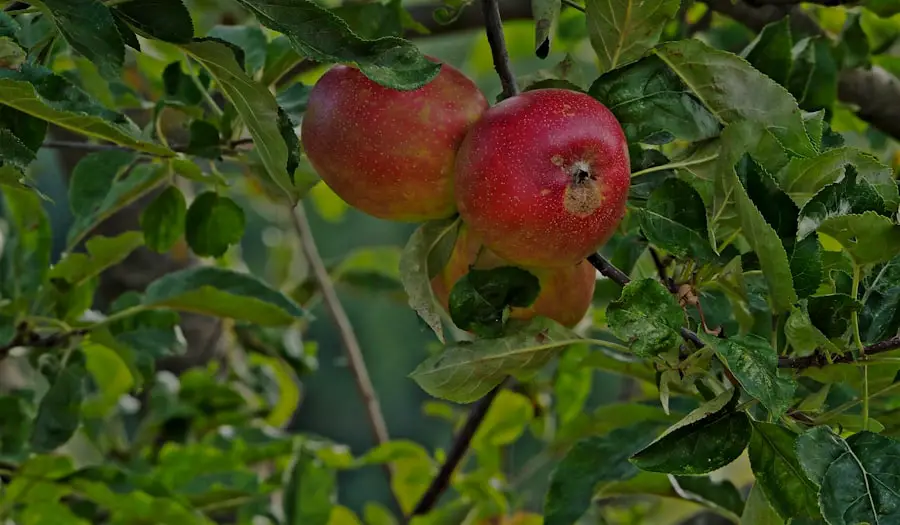
As strudel traveled across Europe, it adapted to local tastes and ingredients, resulting in a rich tapestry of regional variations. In Austria, the aforementioned Apfelstrudel reigns supreme, celebrated for its delicate balance of sweet and tart flavors. The use of Granny Smith or Boskoop apples combined with cinnamon and raisins creates a comforting dessert that is often served warm with a dusting of powdered sugar or a scoop of vanilla ice cream.
In Hungary, the traditional “rétes” takes center stage, often featuring fillings such as sour cherries or poppy seeds. Hungarian strudels are typically thicker than their Austrian counterparts and may include a layer of sweetened cottage cheese for added richness. The use of sour cream in the dough lends a unique tanginess that complements the sweet fillings beautifully.
Traveling further north to Germany, one encounters “Bienenstich,” or bee sting cake, which sometimes incorporates strudel-like elements. This dessert features a yeast dough filled with cream and topped with caramelized almonds.
Each variation reflects not only local ingredients but also cultural preferences, showcasing how strudel has become a canvas for culinary expression across Europe.
The Cultural Significance of Strudel: Its Role in European Cuisine and Traditions
| Country | Traditional Name | Ingredients | Typical Serving |
|---|---|---|---|
| Austria | Apfelstrudel | Apples, sugar, cinnamon, raisins, pastry dough | 1 slice |
| Germany | Schwarzwalder Kirschtorte | Cherries, whipped cream, chocolate, pastry dough | 1 slice |
| Hungary | Rétes | Various fillings such as apple, cherry, cheese, poppy seed, pastry dough | 1 piece |
Strudel holds a special place in European culinary traditions, often associated with family gatherings, celebrations, and cultural heritage. In Austria, for instance, making strudel is often a communal activity where family members come together to prepare the dough and fill it with seasonal fruits. This practice not only strengthens familial bonds but also preserves traditional recipes passed down through generations.
Strudel is frequently served during festive occasions such as Christmas and Easter, symbolizing abundance and hospitality. In Hungary, strudel is more than just a dessert; it represents national pride and culinary identity.
Such events highlight the importance of strudel in Hungarian culture and its role in fostering community spirit through shared culinary experiences. Moreover, strudel has transcended its status as merely a dish; it has become emblematic of European culinary heritage. UNESCO recognized Austrian strudel-making as an Intangible Cultural Heritage in 2010, underscoring its significance in preserving traditional food practices.
This acknowledgment not only honors the craftsmanship involved in making strudel but also emphasizes its role in connecting people to their cultural roots.
Strudel in Popular Culture: Its Depiction in Literature, Film, and Art
Strudel has made its mark beyond the kitchen, appearing in various forms of popular culture that reflect its significance in society. In literature, authors have often used food as a means to evoke nostalgia or cultural identity. For instance, in “The Book Thief” by Markus Zusak, the protagonist’s love for apple strudel serves as a poignant reminder of home and comfort amidst the backdrop of World War
Film has also embraced strudel as a symbol of tradition and familial connection. In “The Sound of Music,” the iconic scene where Maria prepares apple strudel for the von Trapp family showcases not only the dish itself but also the warmth of home cooking and family gatherings. This portrayal resonates with audiences worldwide, reinforcing the idea that food can bridge generational gaps and foster connections among loved ones.
Artistic representations of strudel can be found in various forms as well. Renowned painters like Gustav Klimt have captured scenes of Viennese coffeehouses where strudel is often enjoyed alongside coffee and conversation. These artistic interpretations serve to immortalize not just the pastry but also the social rituals surrounding it, emphasizing its role as a catalyst for connection and community.
The Health Benefits of Strudel: Nutritional Value and Ingredients

While strudel is often viewed as an indulgent treat, it can also offer nutritional benefits depending on its ingredients. The primary component—dough—can be made from whole wheat flour or enriched with additional nutrients such as eggs or dairy products. Whole wheat flour provides dietary fiber, which aids digestion and promotes satiety.
Additionally, when filled with fruits like apples or cherries, strudel becomes a source of vitamins A and C as well as antioxidants that contribute to overall health. The choice of fillings can significantly impact the nutritional profile of strudel. For instance, incorporating nuts such as walnuts or almonds adds healthy fats and protein while enhancing flavor and texture.
Savory versions filled with spinach or other vegetables provide essential vitamins and minerals while keeping calorie counts lower than their sweeter counterparts. Moreover, strudel can be adapted to accommodate various dietary preferences. Gluten-free versions can be made using alternative flours like almond or coconut flour, while vegan options can replace eggs and dairy with plant-based substitutes.
This versatility allows strudel to be enjoyed by a wider audience while still retaining its delicious essence.
Strudel Recipes: Classic and Creative Variations to Try at Home
For those eager to try their hand at making strudel at home, there are countless recipes that range from traditional to innovative variations. A classic apple strudel recipe typically involves preparing a simple dough from flour, water, salt, and oil before rolling it out thinly. The filling consists of sliced apples mixed with sugar, cinnamon, raisins, and breadcrumbs to absorb excess moisture.
Once assembled and rolled up tightly, it is baked until golden brown and served warm with powdered sugar dusted on top. For those looking to experiment beyond traditional flavors, creative variations abound. A cherry almond strudel can be made by substituting cherries for apples while adding almond extract to enhance flavor depth.
Alternatively, savory options like spinach and feta strudel offer a delightful twist on the classic recipe; simply sauté spinach with garlic before mixing it with crumbled feta cheese for a rich filling that pairs beautifully with flaky pastry. Another exciting variation is Nutella strudel—a sweet treat that combines layers of chocolate-hazelnut spread with sliced bananas or strawberries for an indulgent dessert experience. These creative adaptations not only showcase the versatility of strudel but also invite home cooks to explore their culinary imaginations while honoring this cherished pastry tradition.
Where to Find the Best Strudel: Iconic Bakeries and Cafes Across Europe
For those seeking an authentic taste of strudel without having to bake it themselves, Europe boasts numerous iconic bakeries and cafes renowned for their exceptional pastries. In Vienna, Café Central stands out as a historic establishment where patrons can indulge in traditional Apfelstrudel while soaking in the ambiance that inspired literary greats like Trotsky and Freud. The café’s skilled bakers prepare their strudels fresh daily using time-honored techniques that have been passed down through generations.
Traveling to Budapest reveals another gem: Gerbeaud Café, famous for its rich history dating back to 1858. Here, visitors can savor not only classic Hungarian rétes but also an array of other pastries that showcase local flavors. The café’s commitment to quality ingredients ensures that each bite transports patrons into a world of culinary delight.
In Prague, Café Louvre offers an inviting atmosphere where guests can enjoy freshly baked apple strudel alongside expertly brewed coffee. This café has been serving locals since 1902 and remains a beloved spot for both residents and tourists alike seeking an authentic taste of Czech culture through its pastries. These establishments exemplify how strudel transcends mere sustenance; they serve as cultural landmarks where culinary traditions are preserved and celebrated through each delicious bite.
If you’re a fan of sweet treats like Strudel, you may also enjoy trying out this delicious Raspberry Jam Crumb Cake recipe. This recipe combines the tartness of raspberries with a buttery crumb topping for a delightful dessert option.
FAQs
What is a strudel?
A strudel is a type of pastry that originated in Austria and is popular in many European countries. It is typically made with thin layers of dough that are filled with sweet or savory ingredients, such as fruit, nuts, cheese, or meat.
What is the traditional filling for a sweet strudel?
The traditional filling for a sweet strudel is usually made with apples, sugar, cinnamon, and sometimes raisins. Other popular sweet fillings include cherries, apricots, and nuts.
What is the traditional filling for a savory strudel?
The traditional filling for a savory strudel can vary, but it often includes ingredients such as spinach, cheese, mushrooms, and meat. Savory strudels can also be made with a combination of vegetables and herbs.
How is strudel dough made?
Strudel dough is typically made by stretching and rolling out a thin sheet of dough, which is then filled with the desired ingredients and rolled up into a log shape. The dough is then baked until it is golden and flaky.
What is the origin of strudel?
Strudel is believed to have originated in the Austro-Hungarian Empire, with the earliest known recipe dating back to the 17th century. It has since become a popular pastry in many European countries and around the world.
Is strudel typically served as a dessert or a main dish?
Strudel can be served as both a dessert and a main dish, depending on the filling. Sweet strudels are often served as a dessert, while savory strudels can be served as a main dish or a side dish.