

Kashmiri Kahwa, a fragrant and spiced green tea, has its roots deeply embedded in the rich cultural tapestry of the Kashmir Valley. The origins of this traditional beverage can be traced back to the ancient Silk Road, where traders and travelers exchanged not only goods but also culinary practices. It is believed that the introduction of green tea to the region came from Central Asia, particularly from Persia, where tea drinking was already a well-established custom.
Over time, the local population began to adapt this foreign beverage to their own tastes and preferences, leading to the creation of what we now recognize as Kashmiri Kahwa. The name “Kahwa” itself is derived from the Arabic word “qahwa,” which means coffee, but in the context of Kashmiri culture, it refers specifically to this unique tea preparation. The drink is often associated with the cold winters of Kashmir, where it serves as a warming elixir for both body and soul.
Traditionally, Kahwa was prepared in a brass kettle called a “samovar,” which not only facilitated the brewing process but also added a distinct metallic flavor to the tea. This method of preparation has been passed down through generations, making it an integral part of Kashmiri hospitality and daily life.
Key Takeaways
- Kashmiri Kahwa originated in the Kashmir Valley and has been a traditional drink for centuries.
- The key ingredients of Kashmiri Kahwa include green tea, saffron, cardamom, cinnamon, and almonds, and it is prepared by brewing these ingredients together.
- Kashmiri Kahwa is known for its health benefits, including aiding digestion, boosting immunity, and providing relaxation.
- In Kashmiri society, Kahwa is a symbol of hospitality and is often served to guests as a gesture of warmth and welcome.
- To enjoy Kashmiri Kahwa, it is best served hot and can be accompanied by traditional Kashmiri snacks like bakarkhani or sheermaal.
The Ingredients and Preparation of Kashmiri Kahwa
The Blending of Spices
In addition to green tea, a variety of spices are added to enhance the flavor profile. Common spices include cardamom, cinnamon, and cloves, each contributing its unique aroma and taste.
The Brewing Process
To prepare Kashmiri Kahwa, water is first brought to a boil in a samovar or a pot. Once boiling, the green tea leaves are added along with crushed cardamom pods and other spices. The mixture is then simmered for several minutes to allow the flavors to meld together. Afterward, sugar or honey can be added according to personal preference.
The Final Touch
The final touch involves straining the tea into cups, where it is often garnished with slivers of almonds or pistachios for added texture and richness. This careful preparation not only ensures a delightful taste but also creates an inviting aroma that fills the air, making it a sensory experience.
The Health Benefits of Kashmiri Kahwa
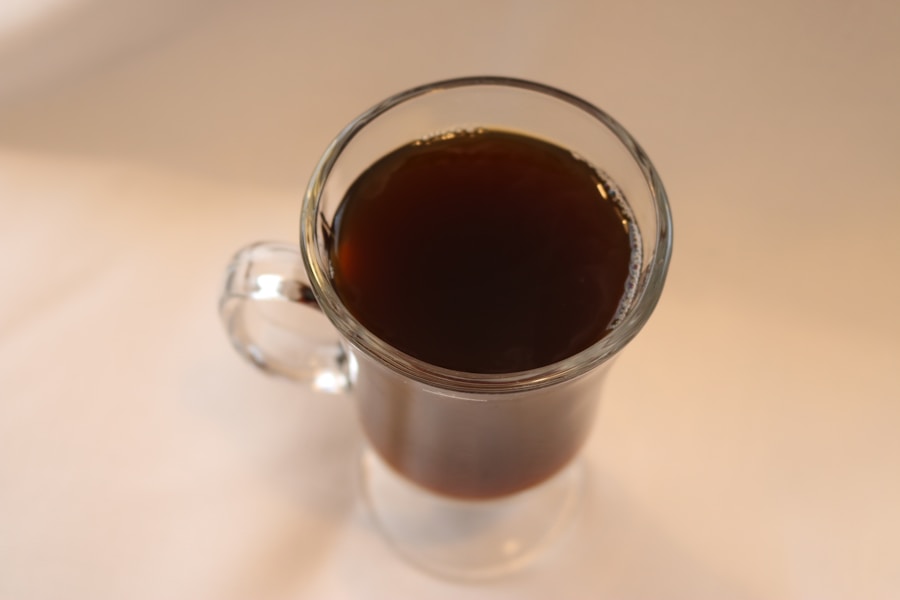
Kashmiri Kahwa is not just a delicious beverage; it also boasts numerous health benefits that have been recognized for centuries. One of the primary advantages of consuming this tea is its high antioxidant content. Green tea is rich in catechins, which are powerful antioxidants that help combat oxidative stress in the body.
This can lead to improved overall health and may reduce the risk of chronic diseases such as heart disease and cancer. In addition to its antioxidant properties, Kashmiri Kahwa is known for its ability to aid digestion. The spices used in its preparation, particularly cardamom and cinnamon, have been traditionally recognized for their digestive benefits.
Cardamom can help alleviate bloating and gas, while cinnamon has been shown to regulate blood sugar levels. Furthermore, the warmth of the tea can soothe the stomach and promote better digestion after meals. Regular consumption of Kashmiri Kahwa may also contribute to weight management due to its metabolism-boosting properties.
The Cultural Significance of Kashmiri Kahwa in Kashmiri Society
In Kashmiri society, Kahwa transcends its role as merely a beverage; it embodies hospitality, tradition, and community bonding. Serving Kahwa to guests is considered a mark of respect and warmth, reflecting the deep-rooted cultural values of Kashmiris. It is customary for families to prepare this tea during gatherings, celebrations, and even during mourning rituals, symbolizing unity and shared experiences among family members and friends.
Moreover, Kahwa plays a significant role in various cultural practices and festivals in Kashmir. During the harsh winter months, when temperatures plummet, families often gather around a fire with cups of steaming Kahwa in hand. This ritual not only provides warmth but also fosters connections among individuals as they share stories and laughter over this beloved drink.
The preparation and serving of Kahwa have become an integral part of Kashmiri identity, representing resilience and togetherness in the face of adversity.
How to Enjoy Kashmiri Kahwa
Enjoying Kashmiri Kahwa is an experience that goes beyond simply sipping a cup of tea; it involves engaging with the flavors and aromas that define this traditional beverage.
The combination of spices creates an inviting aroma that sets the stage for the tasting experience.
Traditionally, Kahwa is served in small cups or bowls, often accompanied by a plate of dried fruits or nuts. This pairing enhances the overall experience by providing contrasting textures and flavors that complement the warmth of the tea. For those who prefer a sweeter taste, adding honey or sugar can elevate the flavor profile without overpowering the delicate notes of green tea and spices.
Variations and Adaptations of Kashmiri Kahwa in Different Cultures

Regional Adaptations
In regions where green tea is uncommon, black tea is used as a base, resulting in a bolder flavor profile while retaining traditional Kahwa elements through spices like cardamom and cinnamon. In some Middle Eastern countries, similar spiced teas are enjoyed, incorporating local ingredients like mint or rose water, reflecting regional tastes while preserving the essence of Kahwa.
Global Variations
In Western countries, there is a growing interest in Kahwa variations that utilize ginger or turmeric for health benefits, honoring the original concept of spiced tea. The global appreciation for Kashmiri Kahwa continues to grow as more people discover its unique flavors and health benefits.
A Symbol of Hospitality and Cultural Heritage
Whether enjoyed in its traditional form or adapted to suit local preferences, this beverage remains a symbol of hospitality and cultural heritage that transcends borders and brings people together over a shared love for tea.
If you enjoy sipping on Kashmiri Kahwa during the winter months, you may also be interested in trying out a delicious Chicken Bruschetta Sandwich recipe from Flavorful Sips. This hearty and flavorful sandwich is the perfect pairing for a cozy night in.
FAQs
What is Kashmiri Kahwa?
Kashmiri Kahwa is a traditional green tea from the Kashmir region of India. It is made by brewing green tea leaves with saffron, cardamom, cinnamon, and almonds, and is often sweetened with honey.
What are the health benefits of Kashmiri Kahwa?
Kashmiri Kahwa is known for its various health benefits, including aiding digestion, boosting metabolism, and providing relief from cold and flu symptoms. The ingredients used in Kashmiri Kahwa are also rich in antioxidants and can help improve overall well-being.
How is Kashmiri Kahwa traditionally served?
Kashmiri Kahwa is traditionally served in small, shallow cups called “Khosas” or “Kangris.” It is often accompanied by traditional Kashmiri pastries or cookies.
Is Kashmiri Kahwa only consumed in the winter?
While Kashmiri Kahwa is popular during the winter months due to its warming properties, it can be enjoyed year-round. In Kashmir, it is also commonly served to guests as a gesture of hospitality.
Can Kashmiri Kahwa be made with decaffeinated green tea?
Yes, Kashmiri Kahwa can be made with decaffeinated green tea for those who are sensitive to caffeine or prefer to avoid it. The other ingredients such as saffron, cardamom, and almonds still provide the unique flavor and health benefits.