

The Victoria sponge cake is a beloved classic in the world of baking, known for its simplicity and delightful flavor. Named after Queen Victoria, this cake has become a staple in British tea culture, often enjoyed with a cup of tea or coffee. Its light, airy texture and sweet filling make it a favorite for both casual gatherings and special occasions. If you’re looking to impress friends or family with a homemade treat, mastering the Victoria sponge is a great place to start.
This cake typically consists of two layers of sponge, sandwiched together with jam and cream. While it may seem straightforward, the magic lies in the technique and quality of ingredients used. In this article, we’ll explore the history of the Victoria sponge, the essential ingredients needed for the perfect bake, and provide you with step-by-step instructions to create this delightful dessert. Whether you’re a seasoned baker or just starting out, you’ll find valuable tips and variations to make this classic cake your own.
If you’re looking to complement your Victoria sponge with a delightful main course, consider exploring the flavors of lamb with a unique twist. A related article that might pique your interest is about Pistachio Mint Spice Crusted Lamb Chops, which offers a perfect balance of savory and aromatic elements that can elevate your dining experience. You can read more about this delicious recipe by visiting this link.
Key Takeaways
- The Victoria Sponge is a classic British cake known for its light texture and simple ingredients.
- Originating in the 19th century, it was named after Queen Victoria, who enjoyed it with her afternoon tea.
- Key ingredients include flour, sugar, eggs, and butter, with a balance crucial for achieving the perfect sponge.
- Following precise steps in preparation and baking is essential for a successful outcome.
- Variations and modern twists allow for creative fillings and flavors, making the Victoria Sponge versatile for any occasion.
Historical Background of the Victoria Sponge Cake
The origins of the Victoria sponge can be traced back to the 19th century during the reign of Queen Victoria. It is believed that the cake was inspired by the sponge cakes that were popular in Europe at the time. However, it was Queen Victoria herself who popularized this particular version, often enjoying it during her afternoon tea. The tradition of afternoon tea became a social event in Britain, and the Victoria sponge quickly became a favorite among the upper classes.
As time went on, the cake evolved into a symbol of British baking. Its simple yet elegant appearance made it a perfect choice for gatherings and celebrations. The classic combination of light sponge, sweet jam, and whipped cream has stood the test of time, making it a cherished recipe passed down through generations. Today, the Victoria sponge is not just a cake; it represents a slice of British culinary history.
Essential Ingredients for the Perfect Sponge
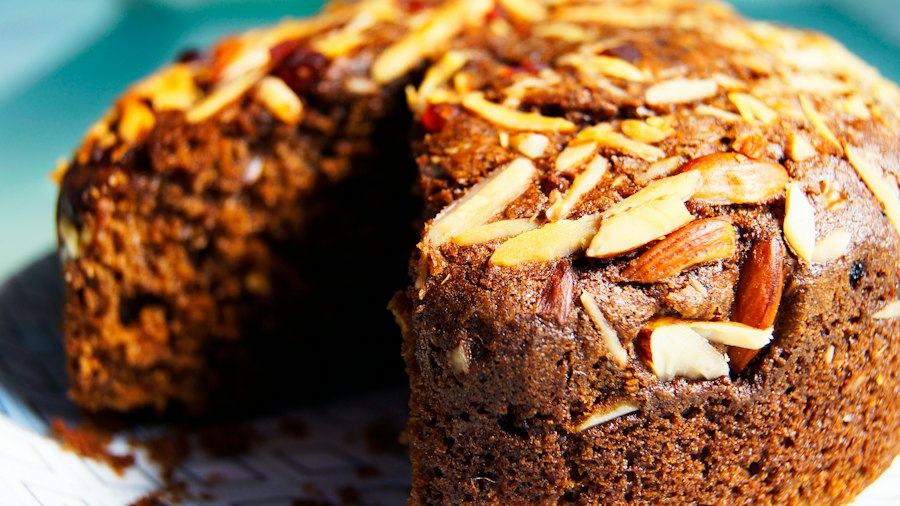
To create a classic Victoria sponge, you’ll need a handful of essential ingredients that work together to produce that signature light and fluffy texture. The primary components include flour, sugar, butter, eggs, and baking powder. Each ingredient plays a crucial role in achieving the desired outcome. Starting with flour, all-purpose flour is typically used for its balanced protein content, which helps create a tender crumb.
Granulated sugar adds sweetness and contributes to the cake’s structure by aerating the batter when creamed with butter. Speaking of butter, using unsalted butter is recommended for better control over the cake’s saltiness.
Eggs are vital for binding the ingredients together and providing moisture; they also help with leavening when whipped.
Finally, baking powder acts as a leavening agent, ensuring that your sponge rises beautifully in the oven.
Step-by-Step Preparation and Baking Instructions
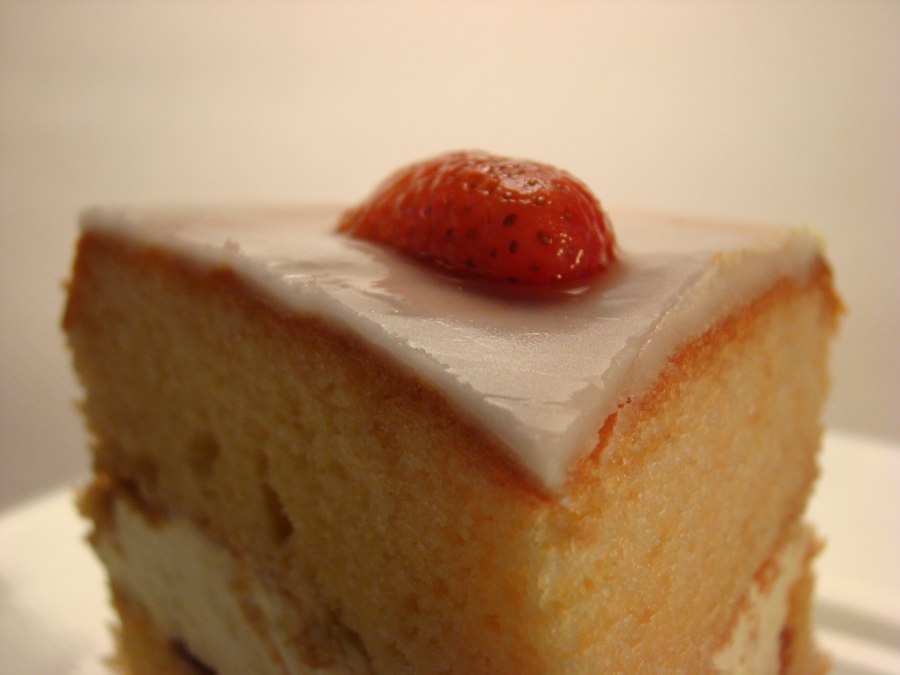
Now that you have your ingredients ready, let’s dive into the preparation process. Start by preheating your oven to 350°F (175°C). Grease and line two 8-inch round cake pans with parchment paper to prevent sticking. This step is crucial for easy removal once your cakes are baked.
In a mixing bowl, cream together 1 cup (225g) of softened unsalted butter and 1 cup (200g) of granulated sugar until the mixture is light and fluffy. This process usually takes about 3-5 minutes with an electric mixer. Next, add in 4 large eggs one at a time, ensuring each egg is fully incorporated before adding the next. You can also add a teaspoon of vanilla extract at this stage for extra flavor.
Once your wet ingredients are well combined, sift in 2 cups (250g) of all-purpose flour along with 2 teaspoons of baking powder. Gently fold the dry ingredients into the wet mixture using a spatula or wooden spoon until just combined. Be careful not to overmix; you want to maintain that airy texture.
Divide the batter evenly between the prepared cake pans and smooth the tops with a spatula. Bake in your preheated oven for about 25-30 minutes or until a toothpick inserted into the center comes out clean. Once baked, allow the cakes to cool in their pans for about 10 minutes before transferring them to a wire rack to cool completely.
The Victoria sponge is a classic British cake that delights with its light texture and sweet layers, often enjoyed during afternoon tea. If you’re interested in exploring more about delightful recipes and their benefits, you might find this article on Manuka honey face masks intriguing, as it highlights the natural ingredients that can enhance both culinary and skincare experiences.
Tips for Achieving a Light and Fluffy Texture
| Metric | Value | Unit |
|---|---|---|
| Typical Diameter | 20 | cm |
| Number of Layers | 2 | layers |
| Calories per Slice | 350 | kcal |
| Preparation Time | 20 | minutes |
| Baking Time | 25 | minutes |
| Main Ingredients | Flour, Sugar, Butter, Eggs, Baking Powder, Jam, Whipped Cream | — |
| Origin | United Kingdom | — |
Achieving that perfect light and fluffy texture in your Victoria sponge can sometimes be tricky, but there are several tips that can help you along the way. First and foremost, ensure that your butter is at room temperature before you start mixing. Cold butter won’t cream properly with sugar, which can lead to a denser cake.
Another important tip is to incorporate air into your batter while mixing. When creaming butter and sugar, take your time to beat them together until they are pale and fluffy. This process is essential for creating air pockets that will expand during baking, resulting in a lighter sponge.
Additionally, when folding in your dry ingredients, use gentle motions to avoid deflating the batter. Overmixing can lead to gluten development, which can make your cake tough rather than tender. Lastly, make sure not to open the oven door too early while baking; sudden temperature changes can cause your cake to sink.
Traditional Filling and Decoration Ideas
The traditional filling for a Victoria sponge is simple yet delicious: raspberry or strawberry jam paired with whipped cream. To assemble your cake, spread a generous layer of jam on top of one sponge layer once it has cooled completely. Then, whip up some heavy cream until soft peaks form and spread it over the jam before placing the second layer on top.
For decoration, dusting the top with powdered sugar adds an elegant touch without overwhelming the cake’s flavors. You can also add fresh berries or edible flowers for a pop of color and freshness. If you want to get creative, consider using flavored creams or curds as fillings—lemon curd or chocolate ganache can add an exciting twist while still keeping with the spirit of this classic dessert.
Serving Suggestions and Pairings
When it comes to serving your Victoria sponge cake, there are plenty of options to consider. Traditionally enjoyed during afternoon tea, it pairs beautifully with a cup of Earl Grey or English Breakfast tea. The lightness of the cake complements these beverages perfectly, making for a delightful afternoon treat.
If you’re looking for something more casual, serving slices alongside coffee can also be a hit at brunch gatherings or casual get-togethers. For dessert lovers who enjoy something extra special, consider pairing your cake with a scoop of vanilla ice cream or a dollop of clotted cream on the side.
Variations and Modern Twists on the Classic Recipe
While the classic Victoria sponge is delicious on its own, there’s always room for creativity in baking. One popular variation is to incorporate different flavors into the sponge itself—adding lemon zest or almond extract can give your cake an interesting twist while still maintaining its essence.
Another modern take involves using alternative fillings such as flavored mascarpone cheese or even fruit compotes for added texture and taste. You might also consider layering your sponge with fresh fruits like strawberries or peaches for a seasonal touch.
For those who prefer gluten-free options, substituting regular flour with almond flour or gluten-free blends can yield satisfying results without sacrificing flavor. The beauty of the Victoria sponge lies in its versatility; feel free to experiment with flavors and fillings that resonate with your palate.
In conclusion, mastering the classic Victoria sponge cake opens up a world of baking possibilities while connecting you to its rich history.
With just a few essential ingredients and some careful techniques, you can create a delightful dessert that’s sure to impress anyone who takes a bite.
Whether you stick to tradition or venture into modern variations, this cake remains a timeless favorite worth celebrating.
FAQs
What is a Victoria sponge?
A Victoria sponge is a classic British cake made of two layers of sponge cake filled with jam and whipped cream or buttercream.
How did the Victoria sponge cake get its name?
The Victoria sponge cake is named after Queen Victoria, who was known to enjoy a slice of this simple yet delicious cake with her afternoon tea.
What are the key ingredients in a Victoria sponge cake?
The main ingredients in a Victoria sponge cake are flour, sugar, eggs, and butter. Baking powder is also commonly used to help the cake rise.
Can I customize a Victoria sponge cake with different fillings?
Yes, you can customize a Victoria sponge cake with different fillings such as fresh fruit, lemon curd, chocolate ganache, or flavored buttercream to suit your taste preferences.
Is a Victoria sponge cake typically served on any special occasions?
Victoria sponge cakes are often served at afternoon tea, birthday parties, and other special occasions as a classic and versatile dessert option that appeals to a wide range of tastes.