

Prinsesstårta, often referred to as Princess Cake in English, has a rich history that dates back to the early 20th century in Sweden. The cake is believed to have been created in the 1920s by the Swedish pastry chef Jenny Åkerström. It was originally made for the daughters of Swedish nobility, hence the name “Princess Cake.” The cake quickly gained popularity and became a staple at celebrations, particularly birthdays and special occasions.
The traditional version of Prinsesstårta features layers of sponge cake, creamy filling, and a distinctive green marzipan covering. Its unique appearance and delightful taste have made it a beloved dessert not just in Sweden but also in various parts of the world. Over the years, the cake has evolved, but its essence remains tied to its royal origins, symbolizing elegance and celebration.
Prinsesstårta, a traditional Swedish cake known for its layers of sponge, cream, and marzipan, is often celebrated in various culinary discussions. If you’re interested in exploring more delightful recipes that showcase the art of baking, you might enjoy reading about the best fried chicken recipe ever. This article highlights the perfect techniques and flavors that can elevate your cooking skills. Check it out here: The Best Fried Chicken Recipe Ever.
Key Takeaways
- Prinsesstårta originated in Sweden in the 1930s and was named after the three Swedish princesses.
- The traditional ingredients for Prinsesstårta include sponge cake, pastry cream, whipped cream, and green marzipan.
- Prinsesstårta holds cultural significance in Sweden and is often enjoyed during special occasions such as birthdays and celebrations.
- Variations of Prinsesstårta include different flavors of sponge cake and fillings, as well as alternative decorations.
- Tips for making the perfect Prinsesstårta at home include ensuring the sponge cake is light and fluffy, and the marzipan is rolled out thinly for a smooth finish.
Ingredients and Preparation of Prinsesstårta
Making Prinsesstårta involves a few key ingredients that come together to create its signature flavor and texture. The base consists of light sponge cake, typically made from eggs, sugar, flour, and baking powder. The filling usually includes a combination of whipped cream and pastry cream, often flavored with vanilla or almond. The cake is then enveloped in a layer of marzipan, which is made from ground almonds and sugar, giving it a sweet and slightly nutty flavor.
The preparation process is quite meticulous but rewarding. First, the sponge cake is baked until golden and fluffy. Once cooled, it is sliced into layers. The pastry cream is prepared separately, and once it has cooled, it is mixed with whipped cream to create a light filling. The layers are assembled with generous amounts of filling in between, and then the entire cake is covered with marzipan. The final touch is often a dusting of powdered sugar or decorative elements made from marzipan, such as roses or other shapes.
The Cultural Significance of Prinsesstårta in Sweden
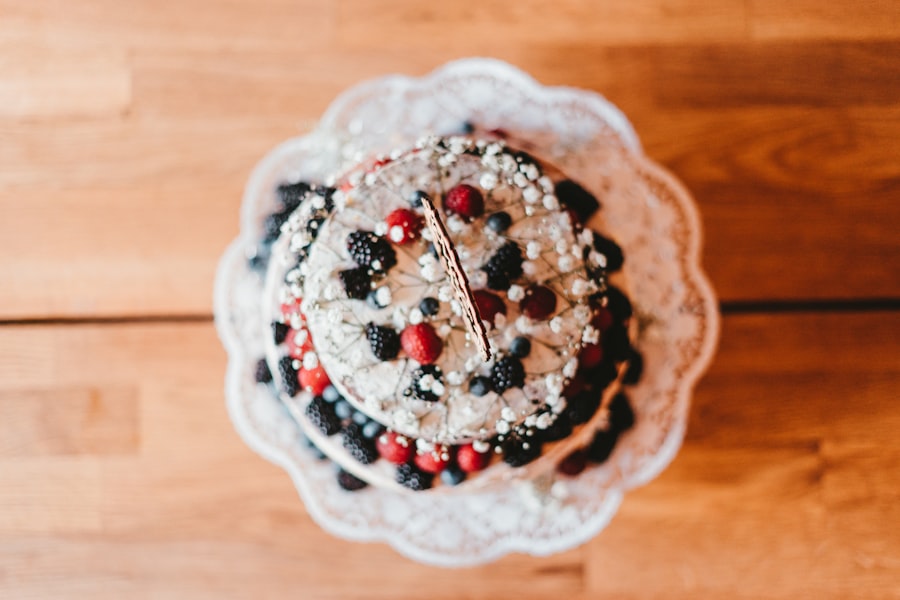
Prinsesstårta holds a special place in Swedish culture, often associated with celebrations and family gatherings. It’s not just a dessert; it’s a symbol of festivity and tradition. In Sweden, it’s common to serve Prinsesstårta at birthdays, weddings, and other significant events. Its vibrant green color and elegant appearance make it a centerpiece that adds charm to any occasion. Moreover, the cake has become intertwined with Swedish identity.
Many Swedes have fond memories of enjoying Prinsesstårta during their childhood, making it a nostalgic treat that evokes feelings of warmth and togetherness. It’s also featured in various cultural events and festivals, further solidifying its status as a beloved national dessert.
Variations of Prinsesstårta
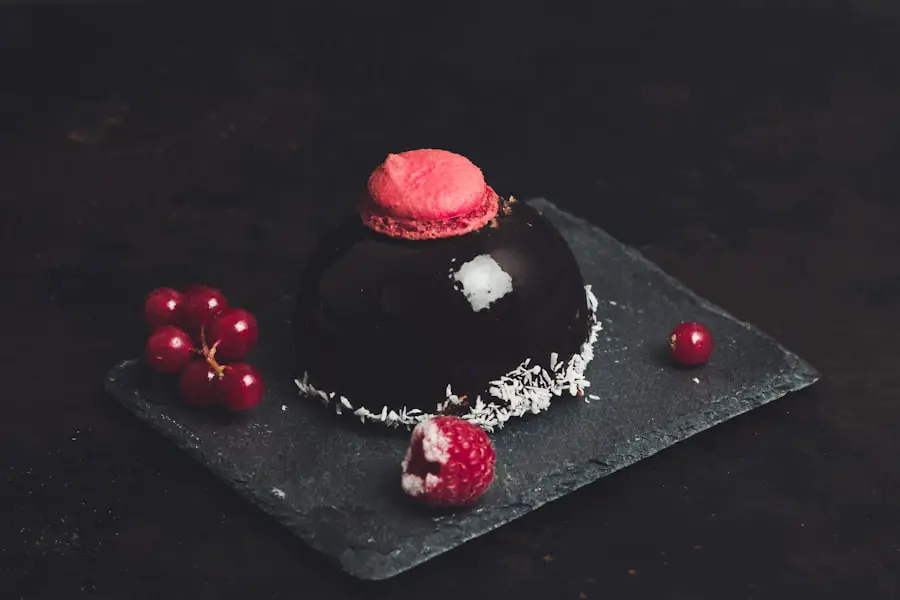
While the classic Prinsesstårta is widely adored, there are several variations that cater to different tastes and preferences. One popular variation is the chocolate Prinsesstårta, which incorporates chocolate sponge cake instead of the traditional vanilla. This version appeals to chocolate lovers while still maintaining the essential elements of the original cake.
Another interesting twist is the fruit-filled Prinsesstårta, where layers of fresh fruit or fruit compote are added between the sponge layers. This not only enhances the flavor but also adds a refreshing element to the dessert. Additionally, some bakers experiment with different colors of marzipan or fillings, creating unique versions that reflect personal tastes or seasonal themes.
Prinsesstårta, the iconic Swedish princess cake, is not only a delightful treat but also a symbol of celebration in Scandinavian culture. If you’re interested in exploring more about festive traditions and how to give back during the holiday season, you might find this article on Friendsgiving particularly inspiring. It highlights the importance of community and sharing, much like how Prinsesstårta is often enjoyed during special gatherings. For more insights, check out the article here.
Tips for Making the Perfect Prinsesstårta at Home
| Aspect | Details |
|---|---|
| Calories | Approximately 300 per serving |
| Ingredients | Sponge cake, pastry cream, whipped cream, raspberry jam, marzipan |
| Origin | Sweden |
| Popular Occasions | Birthdays, celebrations |
If you’re considering making Prinsesstårta at home, there are a few tips that can help you achieve that perfect balance of flavor and presentation. First, ensure that your sponge cake is light and airy; this will provide a good foundation for the layers.
Be careful not to overmix your batter when combining ingredients, as this can lead to a denser cake.
When it comes to assembling the cake, patience is key. Allow each layer to cool completely before stacking them with filling in between. This prevents any melting or sliding that could compromise the structure of your cake. Additionally, when rolling out marzipan for covering the cake, aim for an even thickness to ensure a smooth finish. Finally, don’t hesitate to get creative with decorations—whether it’s simple powdered sugar or intricate marzipan flowers—these details can elevate your Prinsesstårta from good to exceptional.
Prinsesstårta, a delightful Swedish princess cake, is known for its layers of sponge cake, pastry cream, and a beautiful green marzipan covering. If you’re interested in exploring more delectable dessert recipes, you might enjoy a related article that features a unique twist on traditional treats. Check out this recipe for peanut-studded milk chocolate brownies, which combines rich flavors and textures that could complement the lightness of Prinsesstårta perfectly.
Where to Find the Best Prinsesstårta in Sweden
If you’re in Sweden and looking for an authentic slice of Prinsesstårta, there are several renowned bakeries that specialize in this iconic dessert. One standout is Café Saturnus in Stockholm, famous for its generous portions and perfectly crafted cakes. Their Prinsesstårta is often praised for its balance of sweetness and texture.
Another great spot is Konditori Vete-Katten, also located in Stockholm. This historic café has been serving traditional Swedish pastries since 1928 and offers a delightful version of Prinsesstårta that captures the essence of this beloved treat. For those venturing outside the capital, many local bakeries across Sweden take pride in their own interpretations of Prinsesstårta, so don’t hesitate to explore small towns and villages for hidden gems.
Prinsesstårta in Popular Culture
Prinsesstårta has made its mark not only in culinary circles but also in popular culture. It has appeared in various media forms, including cookbooks and television shows that celebrate Swedish cuisine. Its striking appearance often makes it a favorite subject for food photography and social media posts.
Moreover, the cake has been featured in Swedish films and television series as a symbol of celebration or family gatherings. Its association with special occasions makes it relatable to many viewers, further embedding it into the cultural fabric of Sweden. As more people discover Swedish cuisine globally, Prinsesstårta continues to gain recognition beyond its borders.
The Health Benefits of Prinsesstårta
While Prinsesstårta is undoubtedly a treat meant for indulgence, there are some aspects that can be viewed positively from a health perspective—if enjoyed in moderation.
The primary ingredients include eggs and almonds (in marzipan), both of which offer nutritional benefits.
Eggs are a good source of protein and essential vitamins like B12 and D. Almonds provide healthy fats along with fiber and vitamin E.
Additionally, if you opt for fruit-filled variations or incorporate fresh fruits into your serving, you can add vitamins and antioxidants to your dessert experience. While it’s important to remember that Prinsesstårta is still a dessert high in sugar and calories, enjoying it occasionally as part of a balanced diet can be part of a healthy lifestyle.
In conclusion, Prinsesstårta is more than just a delicious cake; it’s a piece of Swedish history and culture that continues to delight people around the world. Whether you’re making it at home or enjoying it at a café in Sweden, this iconic dessert offers a taste of tradition that’s hard to resist.
FAQs
What is a Prinsesstårta?
A Prinsesstårta, also known as a Princess Cake, is a traditional Swedish dessert consisting of layers of sponge cake, pastry cream, and whipped cream, all covered in a layer of green marzipan.
What are the traditional colors of a Prinsesstårta?
The traditional colors of a Prinsesstårta are green and white, with the green marzipan covering the cake and a white marzipan rose on top.
What is the history of Prinsesstårta?
Prinsesstårta was first created in the 1930s by Jenny Åkerström, a Swedish home economics teacher. It was originally named “Grön tårta” (green cake) and was later renamed Prinsesstårta in honor of the three Swedish princesses.
What occasions are Prinsesstårta typically served at?
Prinsesstårta is often served at special occasions such as birthdays, weddings, and other celebrations in Sweden. It is also a popular dessert to enjoy with coffee or tea.
What are some variations of Prinsesstårta?
While the traditional Prinsesstårta consists of sponge cake, pastry cream, whipped cream, and green marzipan, there are variations that include different flavors of sponge cake, fillings, and decorations. Some variations may include different colored marzipan or additional layers of fruit or jam.