

Italian pasta is a staple of the country’s cuisine, characterized by its diverse shapes, sizes, and textures. At its core, pasta is made from a simple mixture of flour and water, though eggs are often added to enrich the dough. The two primary types of pasta are fresh and dried. Fresh pasta, typically made with eggs, is softer and more delicate, while dried pasta, made with semolina flour and water, has a firmer texture and longer shelf life. Each type serves different culinary purposes and can significantly influence the overall dish.
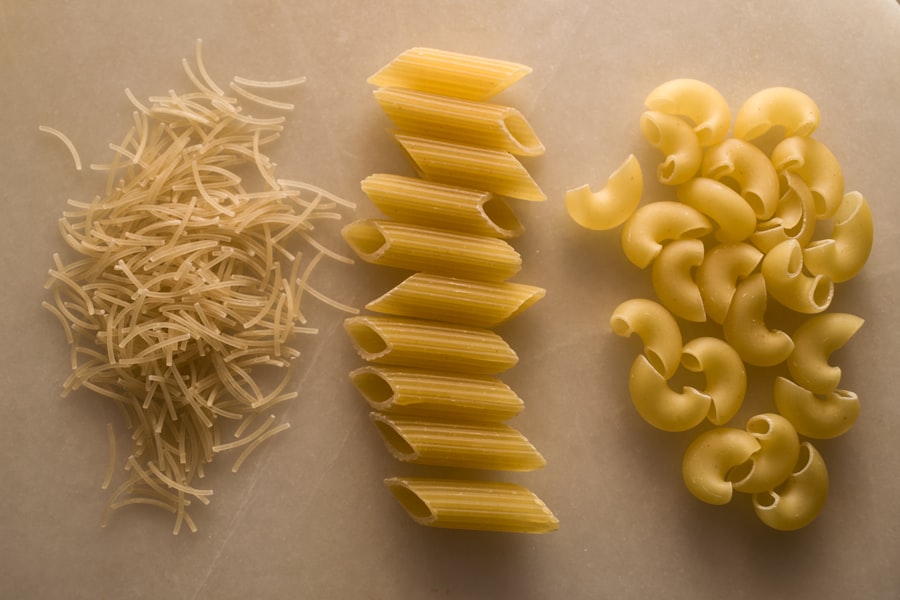
The variety of pasta shapes is vast, with each shape designed to complement specific sauces and ingredients.
For instance, long strands like spaghetti are ideal for lighter sauces, while shapes like rigatoni or penne are better suited for thicker, chunkier sauces that can cling to their ridges.
Understanding these basics is essential for anyone looking to create authentic Italian dishes, as the choice of pasta can enhance the flavors and textures of the meal.
If you’re looking to complement your authentic Italian pasta dishes with a refreshing side, consider trying a delightful salad that balances flavors beautifully. Check out this article on how to make a Crunchy Creamy Cucumber Avocado Salad. This vibrant salad not only adds a burst of freshness to your meal but also pairs wonderfully with the rich and savory notes of Italian pasta, making it a perfect addition to your culinary repertoire.
Key Takeaways
- Different pasta shapes suit specific sauces and dishes for authentic Italian flavor.
- Homemade pasta requires mastering dough consistency and proper rolling techniques.
- Achieving al dente pasta involves precise cooking time and frequent testing.
- Authentic Italian sauces rely on fresh ingredients and balanced seasoning.
- Pairing pasta with the right wine enhances the overall dining experience.
Choosing the Right Pasta for Your Dish
Selecting the appropriate pasta for a dish involves considering both the sauce and the overall flavor profile. For example, if you are preparing a rich meat sauce, a robust pasta shape such as pappardelle or fettuccine can hold up well against the heaviness of the sauce. Conversely, lighter sauces, such as those based on olive oil or fresh tomatoes, pair well with thinner pastas like angel hair or linguine. The goal is to create a harmonious balance between the pasta and the sauce, ensuring that neither overpowers the other.
Additionally, regional variations in Italy often dictate pasta choices. In northern regions, you might find more egg-based pastas like tagliatelle, while southern regions favor durum wheat pastas that are dried. Understanding these regional preferences can enhance your cooking by allowing you to incorporate traditional elements into your dishes. Ultimately, choosing the right pasta is about enhancing the overall dining experience and respecting the culinary traditions of Italy.
Mastering the Art of Making Homemade Pasta
Making homemade pasta is a rewarding process that allows for greater control over texture and flavor. The basic ingredients—flour, eggs, and a pinch of salt—can be adjusted to suit personal preferences. The dough should be kneaded until smooth and elastic, which typically takes about 10 minutes. Once kneaded, it should rest for at least 30 minutes to allow the gluten to relax, making it easier to roll out.
Rolling out the dough can be done with a rolling pin or a pasta machine. The thickness of the pasta will depend on the intended use; for example, lasagna sheets should be rolled out thinner than fettuccine. After cutting the pasta into desired shapes, it can be cooked immediately or dried for later use. Homemade pasta not only offers superior taste but also provides a sense of accomplishment that comes from creating something from scratch.
Perfecting the Sauce: Tips for Making Authentic Italian Sauces
The sauce is a crucial component of any pasta dish and can elevate a simple meal into something extraordinary. Authentic Italian sauces often rely on fresh ingredients and traditional techniques. For example, a classic marinara sauce is made by sautéing garlic in olive oil before adding crushed tomatoes and simmering until thickened. Fresh herbs like basil or oregano can enhance the flavor profile without overwhelming it.
Another important aspect of sauce preparation is allowing time for flavors to meld. Many sauces benefit from simmering for an extended period, which allows the ingredients to develop depth and complexity. Additionally, balancing acidity with sweetness is key; adding a pinch of sugar can help counteract the acidity of tomatoes in certain sauces. Mastering these techniques will lead to more authentic and flavorful results in your Italian cooking.
If you’re looking to elevate your Italian cooking skills beyond pasta, you might find inspiration in a delightful article about making a Chicken Bruschetta Sandwich at home. This recipe complements your pasta dishes perfectly, offering a fresh and flavorful option for a complete Italian meal. To explore this delicious sandwich, check out the recipe here.
Cooking Pasta to Al Dente Perfection
| Step | Action | Key Tips | Estimated Time | Common Ingredients |
|---|---|---|---|---|
| 1 | Choose the Right Pasta | Use high-quality durum wheat pasta; match pasta shape to sauce type | 5 minutes | Spaghetti, penne, fettuccine, rigatoni |
| 2 | Boil Pasta Properly | Use plenty of salted water; cook until al dente (firm to bite) | 8-12 minutes | Water, salt |
| 3 | Prepare Authentic Sauce | Use fresh ingredients; avoid overcooking; balance flavors | 15-30 minutes | Tomatoes, garlic, olive oil, basil, Parmesan |
| 4 | Combine Pasta and Sauce | Reserve pasta water to adjust sauce consistency; toss pasta in sauce | 2-3 minutes | Reserved pasta water, sauce |
| 5 | Finish with Garnishes | Add fresh herbs, grated cheese, or a drizzle of olive oil | 1-2 minutes | Basil, parsley, Parmesan, olive oil |
Cooking pasta to al dente—meaning “to the tooth” in Italian—ensures that it retains a slight firmness when bitten. This texture not only enhances the eating experience but also allows the pasta to hold up better when combined with sauces. To achieve this, it is essential to use a large pot of boiling salted water; this helps maintain temperature when the pasta is added and prevents it from becoming sticky.
Timing is crucial when cooking pasta; following package instructions can provide a good starting point, but tasting is the best way to determine doneness. Typically, fresh pasta cooks much faster than dried varieties, often requiring just a few minutes in boiling water. Once cooked to al dente perfection, it should be drained immediately and tossed with sauce or olive oil to prevent sticking.
Adding the Finishing Touches: Garnishes and Toppings
Finishing touches can elevate a pasta dish from ordinary to exceptional. Common garnishes include freshly grated cheese, such as Parmigiano-Reggiano or Pecorino Romano, which add richness and depth of flavor. Fresh herbs like basil or parsley can provide a burst of color and freshness that complements the dish beautifully.
Other toppings may include toasted nuts or breadcrumbs for added texture or a drizzle of high-quality olive oil for richness. The key is to enhance—not overshadow—the main components of the dish. Thoughtful garnishing not only improves presentation but also contributes to the overall flavor experience.
Pairing Your Pasta Dish with the Perfect Wine
Wine pairing can significantly enhance the enjoyment of a pasta dish. The general rule is to match the weight and flavor intensity of the wine with that of the food. For example, lighter pasta dishes with olive oil or seafood sauces pair well with white wines such as Pinot Grigio or Verdicchio. In contrast, heartier meat sauces often call for red wines like Chianti or Barbera.
It’s also important to consider acidity levels; wines with higher acidity can complement tomato-based sauces effectively by balancing their tartness. Experimenting with different pairings can lead to delightful discoveries that enhance both the food and wine experience.
Tips for Serving and Presenting Your Italian Pasta Dish
Presentation plays an important role in serving Italian pasta dishes. A well-presented plate not only looks appealing but also enhances the dining experience. Using warm plates can help maintain temperature while serving; this is particularly important for dishes served with rich sauces that may cool quickly.
When plating pasta, twirling it into nests or using tongs to create an elegant mound can add visual interest. Drizzling sauce artfully around the plate or adding garnishes strategically can elevate the overall appearance. Finally, serving with freshly grated cheese on the side allows guests to customize their meal according to their preferences.
In conclusion, mastering Italian pasta involves understanding its fundamentals, selecting appropriate types for various dishes, and honing skills in both preparation and presentation. By focusing on authentic ingredients and techniques—from making homemade pasta to perfecting sauces—cooks can create memorable meals that honor Italy’s rich culinary heritage.
FAQs
What type of pasta is best for authentic Italian dishes?
Authentic Italian pasta dishes often use specific types of pasta that complement the sauce or ingredients. For example, spaghetti is commonly paired with tomato-based sauces, while penne works well with chunky sauces. Using high-quality durum wheat pasta is recommended for the best texture and flavor.
How do I make fresh pasta at home?
To make fresh pasta, combine flour (usually ’00’ flour) with eggs and a pinch of salt. Knead the dough until smooth, let it rest, then roll it out thinly before cutting into desired shapes. Fresh pasta cooks faster than dried pasta and has a tender texture.
What are the key ingredients in authentic Italian pasta sauces?
Authentic Italian pasta sauces typically use simple, fresh ingredients such as ripe tomatoes, garlic, olive oil, fresh basil, Parmesan cheese, and sometimes anchovies or pancetta. The focus is on quality and balance rather than heavy seasoning.
How should I cook pasta to achieve the perfect texture?
Cook pasta in a large pot of boiling salted water until al dente, meaning it is tender but still firm to the bite. Avoid overcooking, as authentic Italian pasta should have a slight chewiness. Drain the pasta but reserve some cooking water to adjust sauce consistency if needed.
Can I substitute ingredients in traditional Italian pasta recipes?
While traditional recipes emphasize specific ingredients, substitutions can be made based on availability or dietary preferences. However, to maintain authenticity, it is best to use traditional ingredients and techniques whenever possible. For example, using extra virgin olive oil instead of butter or fresh herbs instead of dried ones helps preserve the dish’s original flavor.