

The foundation of any coleslaw lies in the selection of its ingredients. The primary component is, of course, cabbage, which can be green, red, or a combination of both. Green cabbage is the most commonly used variety due to its crisp texture and mild flavor. Red cabbage, on the other hand, adds a vibrant color and a slightly peppery taste, making it an excellent choice for those looking to enhance the visual appeal of their dish. Additionally, other vegetables such as carrots, bell peppers, and onions can be included to provide a range of flavors and textures.
When selecting vegetables, freshness is key.
Look for firm heads of cabbage without any blemishes or soft spots.
Carrots should be bright orange and crisp, while bell peppers should be shiny and free from wrinkles. The quality of these ingredients will directly impact the overall taste and texture of the coleslaw. Furthermore, consider the balance of flavors; for instance, if you choose to add sweet elements like apples or raisins, you may want to offset that sweetness with a tangy dressing or a hint of acidity from vinegar or citrus juice.
If you’re looking to complement your crunchy coleslaw salad with a refreshing dish, consider trying a delightful grilled peach and apricot salad. This vibrant recipe not only adds a burst of flavor to your meal but also pairs beautifully with the crisp textures of coleslaw. For more details on how to prepare this delicious salad, check out the article here: Grilled Peach and Apricot Salad.
Key Takeaways
- Select fresh, high-quality ingredients for the best coleslaw base.
- Properly prepare and shred vegetables to ensure even texture.
- Create a balanced dressing combining creamy and tangy flavors.
- Mix ingredients thoroughly and add crunchy elements for texture contrast.
- Let the coleslaw marinate to enhance flavor before serving or storing.
Preparing the Vegetables
Once the ingredients have been chosen, the next step is to prepare them for mixing. Start by removing any outer leaves from the cabbage and cutting it into quarters. A sharp knife or a mandoline can be used to slice the cabbage into thin shreds. The goal is to achieve uniform pieces that will blend well with the other ingredients. For those who prefer a finer texture, shredding the cabbage using a food processor can save time and effort.
Carrots should be peeled and then grated or julienned to match the size of the cabbage shreds. If using bell peppers or onions, they should be diced or sliced thinly to ensure even distribution throughout the coleslaw. It’s important to keep in mind that the preparation method can influence the final texture of the dish; for example, larger pieces may provide a crunchier bite, while finely shredded vegetables will create a more cohesive mixture. After preparing all the vegetables, place them in a large mixing bowl, ready for the dressing.
Making the Dressing

The dressing is a crucial element that ties all the ingredients together in coleslaw. Traditional recipes often call for a mayonnaise-based dressing, which provides creaminess and richness. To make this dressing, combine mayonnaise with vinegar, sugar, salt, and pepper in a bowl. The vinegar adds acidity that balances the richness of the mayonnaise, while sugar can enhance the overall flavor profile by adding a touch of sweetness.
For those looking for a lighter alternative, yogurt or sour cream can be used instead of mayonnaise. This substitution not only reduces calories but also introduces a tangy flavor that complements the vegetables well. Additionally, incorporating mustard or celery seed can add depth to the dressing. Whisk all ingredients together until smooth and well combined, adjusting seasoning as necessary to achieve the desired taste. The dressing should be flavorful enough to coat the vegetables without overpowering their natural flavors.
Mixing the Coleslaw
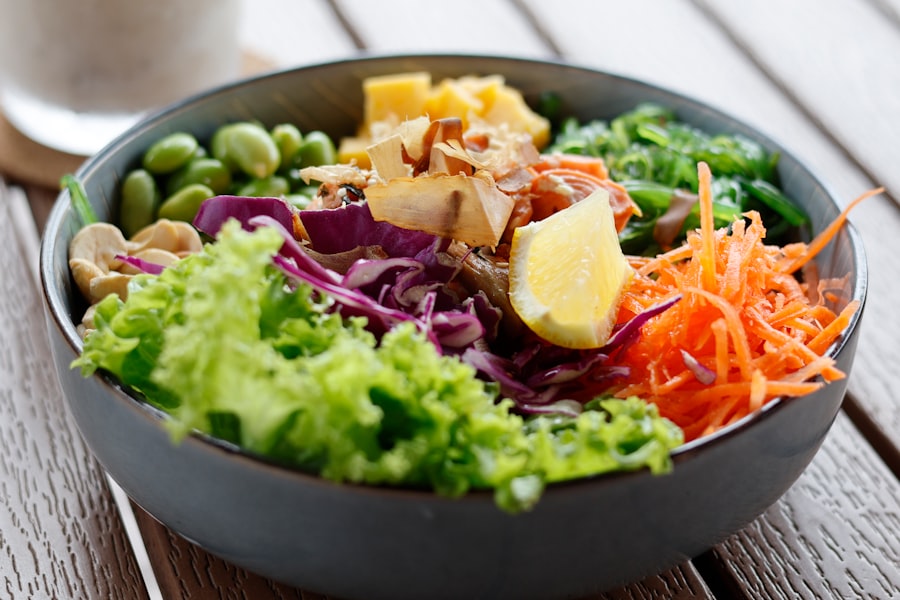
With the vegetables prepared and the dressing made, it’s time to combine everything into a cohesive coleslaw. Begin by pouring the dressing over the prepared vegetables in the mixing bowl. Using tongs or a large spoon, gently toss the ingredients together until all the vegetables are evenly coated with the dressing. It’s important to mix thoroughly but carefully to avoid bruising the delicate cabbage leaves.
After mixing, allow the coleslaw to sit for a few minutes before serving. This resting period allows the flavors to meld together and ensures that each bite is well-seasoned. If you find that the coleslaw appears too dry after mixing, feel free to add more dressing until you reach your desired consistency. The final mixture should be vibrant and colorful, showcasing the variety of vegetables used while maintaining a balance between crunchiness and creaminess.
If you’re looking to elevate your culinary skills while enjoying a refreshing side dish, you might find inspiration in our article on how to make a crunchy coleslaw salad. This vibrant dish pairs wonderfully with various meals, making it a versatile addition to your dining table. For more creative ideas that can enhance your cooking experience, check out this article on dorm room ideas that are perfect for any home chef.
Adding Crunchy Elements
| Ingredient | Quantity | Preparation | Purpose for Crunchiness |
|---|---|---|---|
| Green Cabbage | 4 cups, shredded | Thinly shredded | Provides a crisp, crunchy base |
| Red Cabbage | 2 cups, shredded | Thinly shredded | Adds color and extra crunch |
| Carrots | 1 cup, shredded | Grated finely | Offers sweetness and crunch |
| Celery | 1/2 cup, chopped | Chopped into small pieces | Enhances crunch and freshness |
| Green Onions | 1/4 cup, sliced | Thinly sliced | Adds mild crunch and flavor |
| Mayonnaise | 1/2 cup | Mixed into dressing | Coats ingredients without sogginess |
| Apple Cider Vinegar | 2 tbsp | Added to dressing | Balances flavors and keeps crunch |
| Sugar | 1 tbsp | Added to dressing | Enhances sweetness without softening |
| Salt | 1 tsp | Sprinkled on cabbage before mixing | Draws out moisture to maintain crunch |
| Black Pepper | 1/2 tsp | Added to dressing | Adds subtle spice without affecting texture |
To elevate coleslaw beyond its basic form, consider incorporating additional crunchy elements that enhance both texture and flavor. Nuts and seeds are excellent choices; for instance, toasted sunflower seeds or chopped walnuts can add a satisfying crunch while also providing healthy fats and protein. These additions not only contribute to the overall texture but also introduce new flavors that complement the existing ingredients.
Another option is to include crispy elements such as croutons or fried onions. These toppings can provide an unexpected twist and make the coleslaw more interesting. When adding these crunchy components, it’s best to do so just before serving to maintain their crispness. This way, they won’t become soggy from sitting in the dressing for too long. Experimenting with different crunchy elements can lead to unique variations of coleslaw that cater to personal preferences.
If you’re looking to elevate your meal with a refreshing side dish, you might want to explore how to make a crunchy coleslaw salad. This vibrant dish pairs well with a variety of main courses and adds a delightful texture to your plate.
Additionally, if you’re interested in maintaining your health during the colder months, you can check out this article on