

Arroz con leche, a beloved dish in many Latin American countries, is a creamy rice pudding that evokes nostalgia and warmth. This dessert, which translates to “rice with milk,” is not merely a dish; it is a cultural emblem that carries with it the stories and traditions of generations. The simplicity of its ingredients belies the depth of flavor and comfort it provides, making it a staple in homes and celebrations alike.
Whether served warm or chilled, arroz con leche has a unique ability to bring people together, often enjoyed during family gatherings, holidays, or simply as a sweet treat after dinner. The origins of arroz con leche can be traced back to various cultures, with each region adding its own twist to the classic recipe. While the basic components remain consistent—rice, milk, sugar, and spices—the variations are endless.
In some countries, it is enriched with coconut milk or flavored with cinnamon and vanilla, while others might incorporate raisins or nuts. This adaptability not only showcases the dish’s versatility but also reflects the diverse culinary traditions across Latin America and beyond. As we delve into the ingredients, preparation methods, and cultural significance of this delightful dessert, we will uncover why arroz con leche holds a special place in the hearts of many.
Key Takeaways
- Arroz con Leche is a traditional creamy rice pudding with rich cultural roots.
- Key ingredients include rice, milk, sugar, and cinnamon for authentic flavor.
- Following precise cooking steps ensures a smooth, creamy texture.
- Tips like stirring frequently and using whole milk enhance the dish’s creaminess.
- Variations can include adding raisins, coconut, or citrus zest for unique twists.
Ingredients for Creamy Arroz con Leche
To create a truly creamy arroz con leche, one must gather a few essential ingredients that work harmoniously to produce the desired texture and flavor. The primary ingredient is rice, typically short-grain varieties such as Arborio or sushi rice, which are known for their ability to absorb liquid and release starch, resulting in a rich and creamy consistency.
In addition to rice and milk, sugar is a crucial component that sweetens the dish. Granulated sugar is commonly used, but brown sugar can add a deeper caramel flavor. Spices such as cinnamon and vanilla extract are essential for infusing the pudding with warmth and aroma.
Some recipes also call for a pinch of salt to enhance the sweetness and balance the flavors. Optional ingredients like raisins or nuts can be added for texture and additional taste, making each batch of arroz con leche unique to the cook’s preferences.
Step-by-step Instructions for Making Creamy Arroz con Leche
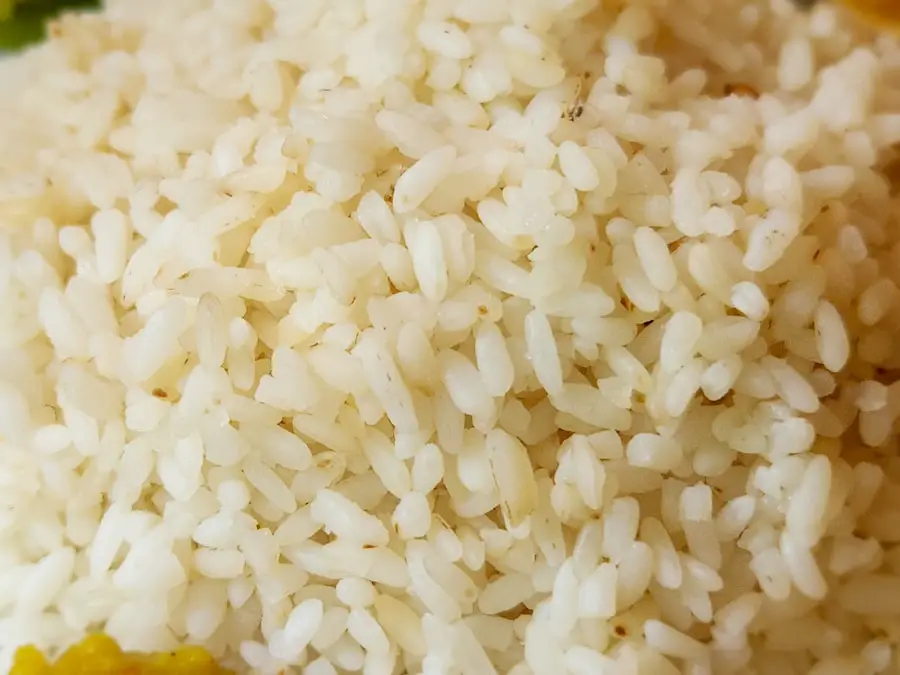
The process of making creamy arroz con leche is straightforward yet requires attention to detail to achieve the perfect consistency. Begin by rinsing one cup of short-grain rice under cold water until the water runs clear. This step removes excess starch and prevents the rice from becoming overly sticky.
In a large saucepan, combine the rinsed rice with four cups of whole milk and a pinch of salt. Bring this mixture to a gentle boil over medium heat while stirring occasionally to prevent the rice from sticking to the bottom of the pan. Once boiling, reduce the heat to low and allow the rice to simmer uncovered for about 20-25 minutes.
During this time, stir frequently to ensure even cooking and prevent clumping. As the rice absorbs the milk, it will begin to soften and swell. After 25 minutes, add half a cup of sugar, one teaspoon of vanilla extract, and one cinnamon stick for flavor.
Continue to simmer for an additional 10-15 minutes until the mixture thickens to your desired creaminess. If you prefer a thicker pudding, you can cook it longer; if you like it more fluid, remove it from heat sooner.
Tips for Making the Perfect Arroz con Leche
| Tip | Description | Recommended Quantity/Time | Benefit |
|---|---|---|---|
| Rice Type | Use short-grain or medium-grain rice for creamier texture | 1 cup | Ensures creamy consistency |
| Milk | Use whole milk or a mix of milk and cream for richness | 4 cups | Enhances flavor and creaminess |
| Cooking Time | Simmer rice gently until tender and liquid is absorbed | 30-40 minutes | Prevents rice from becoming mushy or undercooked |
| Sweetener | Add sugar gradually to taste | 1/2 to 3/4 cup | Balances sweetness without overpowering |
| Flavorings | Include cinnamon sticks and lemon or orange zest | 1-2 cinnamon sticks, zest of 1 lemon/orange | Adds aromatic depth and complexity |
| Stirring | Stir frequently to prevent sticking and burning | Every 5 minutes | Ensures even cooking and smooth texture |
| Resting Time | Let the arroz con leche cool slightly before serving | 10-15 minutes | Allows flavors to meld and thickens the dessert |
| Serving | Sprinkle ground cinnamon on top before serving | To taste | Enhances presentation and flavor |
Achieving the perfect arroz con leche requires not only following the recipe but also employing some helpful tips that can elevate your dish. One key tip is to use high-quality ingredients; fresh milk and premium rice can significantly impact the final flavor and texture. Additionally, consider soaking the rice in water for about 30 minutes before cooking.
This pre-soaking step can help reduce cooking time and enhance the creaminess of the pudding. Another important aspect is temperature control during cooking. Maintaining a low simmer rather than a rolling boil allows for even cooking without risking burnt rice at the bottom of the pot.
Stirring frequently is also crucial; this not only prevents sticking but also helps release more starch from the rice into the milk, contributing to that signature creaminess. Finally, taste as you go—adjusting sweetness or spice levels according to your preference can make all the difference in creating a personalized version of this classic dish.
Variations and Additions to Arroz con Leche
While traditional arroz con leche is delightful on its own, there are numerous variations and additions that can enhance its flavor profile or cater to different dietary needs. For instance, coconut milk can be used instead of whole milk for a tropical twist that adds richness and depth. Some recipes incorporate sweetened condensed milk for an ultra-creamy texture and added sweetness that elevates the dish further.
In terms of flavorings, consider adding citrus zest—such as lemon or orange—for a refreshing brightness that contrasts beautifully with the creamy base. Dried fruits like raisins or cranberries can introduce chewiness and bursts of sweetness, while nuts such as almonds or pistachios provide crunch and an additional layer of flavor. For those who enjoy chocolate, incorporating cocoa powder or chocolate chips can transform arroz con leche into an indulgent dessert that appeals to chocolate lovers.
Serving and Presentation Ideas for Arroz con Leche

Presentation plays an essential role in enhancing the dining experience of arroz con leche. Traditionally served in small bowls or ramekins, this dessert can be garnished with a sprinkle of ground cinnamon or a drizzle of honey for added visual appeal. For an elegant touch, consider serving it in clear glass cups that showcase its creamy texture layered with toppings like toasted coconut flakes or fresh fruit.
Chilling arroz con leche before serving can provide a refreshing contrast, especially during warmer months. Alternatively, serving it warm with a dollop of whipped cream on top can create a comforting experience reminiscent of home-cooked meals. For special occasions, consider pairing it with fresh berries or edible flowers for an eye-catching presentation that elevates this humble dessert into something truly special.
History and Cultural Significance of Arroz con Leche
Arroz con leche has deep historical roots that reflect its journey through various cultures over centuries.
As Spanish colonization spread throughout Latin America, so too did this beloved dish, adapting along the way to incorporate local ingredients and flavors.
In many Latin American countries, arroz con leche is more than just a dessert; it symbolizes comfort and familial bonds. It is often prepared during festive occasions such as Christmas or Día de los Muertos (Day of the Dead), where it serves as an offering to honor deceased loved ones. The act of making arroz con leche is often passed down through generations, with each family adding their unique touch—be it a secret ingredient or a specific method—making it a cherished tradition that connects people to their heritage.
Conclusion and Final Thoughts on Creamy Arroz con Leche
Creamy arroz con leche stands as a testament to the beauty of simple ingredients coming together to create something extraordinary. Its versatility allows for endless variations while maintaining its core essence as a comforting dessert that resonates with many cultures around the world. Whether enjoyed in its traditional form or with modern twists, arroz con leche continues to evoke feelings of nostalgia and warmth.
As you embark on your journey to create this delightful dish, remember that each bowl tells a story—of family gatherings, cultural heritage, and personal memories. Embrace the process of making arroz con leche as an opportunity not only to savor its deliciousness but also to connect with those around you through shared experiences and flavors that transcend borders.
Arroz con leche, a delightful rice pudding popular in many Latin American countries, is often enjoyed as a comforting dessert. If you’re looking to complement this sweet treat with a savory dish, consider trying a delicious chicken bruschetta sandwich. The combination of flavors in the bruschetta can provide a perfect balance to the creamy sweetness of the arroz con leche. You can find a great recipe for this sandwich in the article here.
FAQs
What is Arroz con leche?
Arroz con leche is a traditional dessert made from rice, milk, sugar, and cinnamon. It is a popular dish in many Spanish-speaking countries and is often served warm or cold.
What are the main ingredients in Arroz con leche?
The main ingredients typically include rice, milk, sugar, cinnamon sticks, and sometimes lemon or orange zest. Some recipes also add raisins or condensed milk for extra flavor.
How is Arroz con leche prepared?
Arroz con leche is prepared by cooking rice slowly in milk with sugar and cinnamon until the mixture becomes creamy. The rice absorbs the milk, creating a rich and sweet pudding-like consistency.
Can Arroz con leche be made vegan or dairy-free?
Yes, Arroz con leche can be made vegan or dairy-free by substituting cow’s milk with plant-based milks such as almond, coconut, or soy milk. Sweeteners like agave or maple syrup can replace sugar if desired.
Is Arroz con leche served hot or cold?
Arroz con leche can be served either hot or cold, depending on personal preference. Some people enjoy it warm as a comforting dessert, while others prefer it chilled.
What occasions is Arroz con leche typically served?
Arroz con leche is often served during holidays, family gatherings, and special occasions. It is a comforting dessert that is enjoyed year-round in many cultures.
Are there regional variations of Arroz con leche?
Yes, there are many regional variations. Some versions include additional spices like cloves or nutmeg, while others incorporate ingredients like coconut milk or fruit. The texture and sweetness can also vary by region.
How long does Arroz con leche last when stored?
When stored in an airtight container in the refrigerator, Arroz con leche typically lasts 3 to 5 days. It should be consumed within this time frame for best taste and safety.
Can Arroz con leche be frozen?
While it is possible to freeze Arroz con leche, the texture may change upon thawing, becoming grainy or watery. It is generally recommended to consume it fresh or refrigerated rather than frozen.