

Gluten-free diets have gained significant traction in recent years, primarily due to the increasing awareness of celiac disease and gluten sensitivity. Gluten is a protein found in wheat, barley, and rye, which can trigger adverse reactions in individuals with these conditions. Celiac disease is an autoimmune disorder where the ingestion of gluten leads to damage in the small intestine, resulting in a range of symptoms from gastrointestinal distress to neurological issues.
For those diagnosed with celiac disease, adhering to a strict gluten-free diet is not just a lifestyle choice but a medical necessity. Beyond celiac disease, many people report feeling better when they eliminate gluten from their diets, even if they do not have a formal diagnosis of gluten sensitivity. This has led to a broader trend where individuals choose gluten-free options for perceived health benefits, weight management, or simply as part of a clean eating philosophy.
However, it is essential to note that gluten-free does not automatically equate to healthy. Many gluten-free products are highly processed and can be low in essential nutrients. Therefore, understanding the principles of a balanced gluten-free diet is crucial for those who choose this path.
Key Takeaways
- Gluten-free diets are necessary for individuals with celiac disease or gluten sensitivity, and involve avoiding wheat, barley, and rye.
- Gluten-free salads offer numerous health benefits, including improved digestion, increased energy levels, and potential weight loss.
- Key ingredients for gluten-free salads include quinoa, brown rice, chickpeas, and a variety of fresh vegetables and fruits.
- Simple and delicious gluten-free salad recipes include quinoa tabbouleh, Greek salad with chickpeas, and Thai mango salad.
- Creative gluten-free salad dressings can be made using ingredients such as olive oil, balsamic vinegar, honey, and fresh herbs.
Benefits of Gluten-Free Salads
Salads are inherently versatile and can be easily adapted to fit a gluten-free diet. One of the primary benefits of gluten-free salads is their ability to incorporate a wide variety of fresh vegetables, fruits, nuts, and seeds, all of which are naturally gluten-free. This diversity not only enhances the flavor profile but also boosts the nutritional value of the meal.
Leafy greens like spinach and kale provide essential vitamins and minerals, while colorful vegetables such as bell peppers and carrots add antioxidants that support overall health. Another significant advantage of gluten-free salads is their potential for weight management. Salads are typically low in calories yet high in fiber, which can promote satiety and help control hunger.
By focusing on whole, unprocessed ingredients, individuals can create satisfying meals that align with their dietary goals without the added burden of gluten. Furthermore, salads can be easily customized to suit personal tastes and dietary restrictions, making them an ideal choice for gatherings or meal prep.
Key Ingredients for Gluten-Free Salads
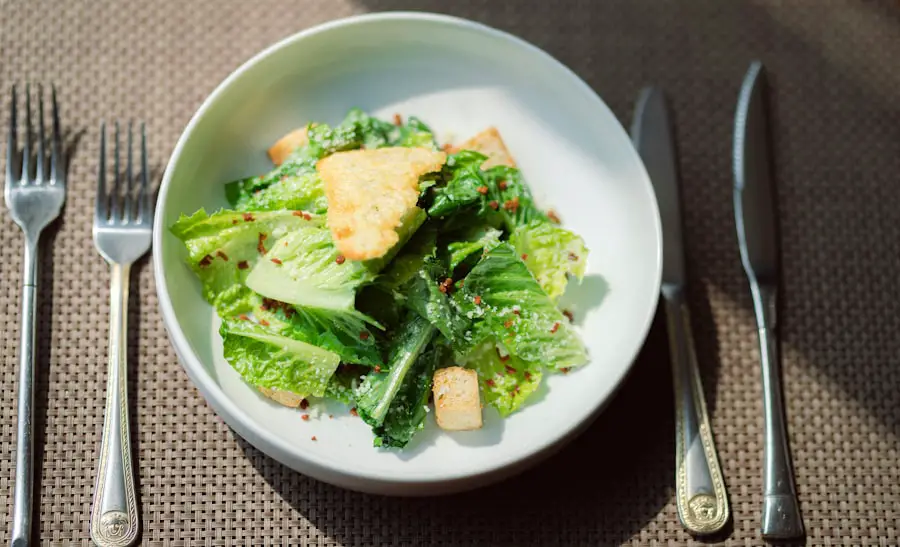
When crafting gluten-free salads, the choice of ingredients plays a pivotal role in both flavor and texture. Fresh vegetables should form the foundation of any salad; options like romaine lettuce, arugula, cherry tomatoes, cucumbers, and radishes provide crunch and freshness. Additionally, incorporating fruits such as avocados, berries, or citrus can add a delightful sweetness that balances savory elements.
Grains and legumes can also be included in gluten-free salads to enhance their heartiness. Quinoa is a popular choice due to its high protein content and nutty flavor; it is also a complete protein source, making it an excellent option for vegetarians and vegans.
For added protein and texture, beans such as chickpeas or black beans can be tossed into the mix. Nuts and seeds like almonds, walnuts, or pumpkin seeds not only contribute healthy fats but also provide a satisfying crunch.
Simple and Delicious Gluten-Free Salad Recipes
Creating gluten-free salads can be both simple and delicious with the right combination of ingredients. One classic recipe is a quinoa salad featuring cooked quinoa as the base. Combine it with diced cucumbers, cherry tomatoes, red onion, and parsley for freshness.
Drizzle with olive oil and lemon juice for a light dressing that enhances the flavors without overpowering them. This salad is not only gluten-free but also packed with protein and fiber. Another delightful option is a Mediterranean chickpea salad.
Start with canned chickpeas (rinsed and drained) as the main ingredient. Add diced bell peppers, red onion, Kalamata olives, and crumbled feta cheese for a burst of flavor. Toss everything together with a dressing made from olive oil, red wine vinegar, garlic, and oregano.
This salad is vibrant and filling while being entirely gluten-free.
Creative Gluten-Free Salad Dressings
The dressing can make or break a salad, especially when it comes to gluten-free options. Many store-bought dressings contain hidden gluten in the form of malt vinegar or modified food starches. Therefore, making homemade dressings is often the best way to ensure they are safe for those avoiding gluten.
A simple vinaigrette can be made by whisking together olive oil, balsamic vinegar, Dijon mustard (ensure it’s gluten-free), honey, salt, and pepper. For those looking for something creamier, a tahini-based dressing can add richness without gluten. Combine tahini with lemon juice, garlic, water to thin it out, and salt for flavor.
This dressing pairs beautifully with salads featuring roasted vegetables or grains like quinoa or farro (if certified gluten-free). Experimenting with different herbs and spices can also elevate dressings; adding fresh basil or dill can provide an aromatic twist.
Tips for Making Gluten-Free Salads
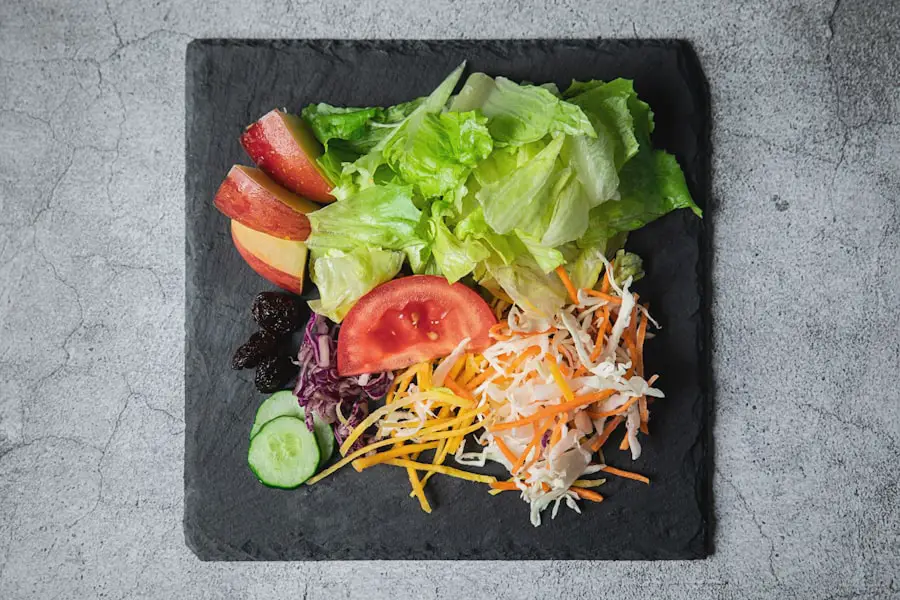
When preparing gluten-free salads, there are several tips to keep in mind to ensure both safety and flavor. First and foremost, always check labels on packaged ingredients to confirm they are certified gluten-free. Cross-contamination can occur during processing or packaging; therefore, opting for products that explicitly state they are free from gluten is essential.
Another important tip is to incorporate a variety of textures into your salads. Combining crunchy vegetables with creamy elements like avocado or cheese creates a more satisfying eating experience. Additionally, consider adding grains or legumes for heartiness; this not only enhances the nutritional profile but also makes the salad more filling.
Lastly, don’t shy away from bold flavors—using fresh herbs, spices, or even roasted garlic can transform a simple salad into something extraordinary.
Pairing Gluten-Free Salads with Protein
To create a well-rounded meal that includes gluten-free salads, pairing them with protein sources is crucial. Grilled chicken breast is a classic option that complements many salad types; marinating it in lemon juice and herbs before grilling adds flavor without introducing gluten. For those seeking plant-based proteins, grilled tofu or tempeh can be excellent alternatives that absorb flavors well.
Seafood also makes for an excellent pairing with salads; shrimp or salmon can be grilled or baked and served atop a bed of greens for a nutritious meal. For a quick protein boost without cooking, canned tuna or salmon can be mixed directly into salads for added convenience. Incorporating these protein sources not only enhances the meal’s nutritional value but also ensures it remains satisfying and filling.
Gluten-Free Salad Recipes for Special Occasions
For special occasions or gatherings, creating impressive gluten-free salads can elevate any menu while accommodating dietary restrictions. A festive option could be a roasted beet salad featuring roasted beets served on a bed of arugula with goat cheese crumbles and candied walnuts. Drizzle with balsamic reduction for an elegant touch that enhances both flavor and presentation.
Another crowd-pleaser is a tropical fruit salad that combines fresh pineapple, mangoes, kiwi, and strawberries tossed with lime juice and mint leaves. This refreshing dish serves as a perfect complement to grilled meats or seafood at summer barbecues or outdoor gatherings. By focusing on seasonal ingredients and vibrant colors, these salads not only cater to gluten-free diets but also become the centerpiece of any meal.
With an array of fresh ingredients at one’s disposal and creative approaches to preparation and presentation, gluten-free salads can be both nutritious and delicious while catering to various tastes and occasions.
If you’re looking for a unique and flavorful salad recipe to add to your gluten-free repertoire, you might want to try this Grilled Peach and Apricot Salad. This recipe combines the sweetness of grilled peaches and apricots with the freshness of mixed greens and a tangy vinaigrette dressing. It’s a perfect option for those with sensitive diets who are looking for a delicious and healthy meal.
FAQs
What is a gluten-free diet?
A gluten-free diet is a diet that excludes the protein gluten, which is found in grains such as wheat, barley, and rye. It is essential for individuals with celiac disease, gluten sensitivity, or wheat allergy.
What are some common gluten-free salad ingredients?
Common gluten-free salad ingredients include leafy greens (such as spinach, kale, and arugula), vegetables (such as tomatoes, cucumbers, and bell peppers), fruits (such as berries and citrus fruits), nuts and seeds, and gluten-free grains (such as quinoa and rice).
What are some gluten-free salad dressing options?
Gluten-free salad dressing options include vinaigrettes made with olive oil and vinegar, homemade dressings using gluten-free ingredients, and store-bought dressings labeled as gluten-free.
Are there any gluten-free grains that can be used in salads?
Yes, there are several gluten-free grains that can be used in salads, including quinoa, rice, millet, and buckwheat. These grains can add texture and substance to gluten-free salads.
What are some tips for creating gluten-free salads for sensitive diets?
Some tips for creating gluten-free salads for sensitive diets include reading ingredient labels carefully, avoiding cross-contamination with gluten-containing ingredients, and using naturally gluten-free ingredients such as fresh produce, lean proteins, and gluten-free grains.