

Toddy, a traditional alcoholic beverage derived from the sap of palm trees, has a rich and storied history in South India. Its origins can be traced back thousands of years, with references to palm wine appearing in ancient texts and folklore. The cultivation of palm trees, particularly the coconut and date palms, has been an integral part of South Indian agriculture and culture.
Historical records suggest that toddy was consumed by various communities, serving not only as a source of nutrition but also as a social lubricant during gatherings and celebrations. The beverage is believed to have been used in rituals and ceremonies, highlighting its significance beyond mere consumption. The production of toddy is deeply intertwined with the agricultural practices of the region.
Farmers have traditionally tapped palm trees for their sap, a practice that has been passed down through generations. This method of harvesting is often seen as an art form, requiring skill and knowledge of the trees’ cycles. The historical context of toddy is also reflected in the various names it is known by across different regions, such as “kallu” in Kannada and “toddy” in Tamil.
Each name carries with it a unique cultural significance, showcasing the beverage’s widespread acceptance and integration into the daily lives of South Indians.
Key Takeaways
- Toddy, also known as palm wine, has a long history in South India, with its origins dating back to ancient times.
- The process of making toddy involves tapping the sap from palm trees and allowing it to ferment naturally, resulting in a mildly alcoholic beverage.
- Toddy holds significant cultural importance in South Indian traditions, often being used in religious ceremonies and social gatherings.
- Palm wine is rich in nutrients such as vitamins, minerals, and antioxidants, making it a potentially beneficial addition to one’s diet.
- Toddy is not only consumed as a beverage, but it is also used in South Indian cuisine for cooking and pairing with various dishes, adding a unique flavor profile to the food.
The Process of Making Toddy: From Palm Trees to the Fermentation Process
The Fascinating Journey of Toddy
Tapping the Palm Tree
The journey of toddy from palm trees to a fermented beverage is a fascinating process that involves several meticulous steps. The first stage begins with the tapping of the palm tree, where skilled harvesters make incisions in the flower buds to collect the sap. This sap, known as “toddy” or “neera,” is a sweet, clear liquid that is collected in containers hung from the tree.
The sap can be consumed fresh as a non-alcoholic drink or allowed to ferment naturally.
Fermentation and Flavor Profile
Once collected, the sap undergoes fermentation, which is facilitated by wild yeast present in the environment. This fermentation process typically takes place over several hours to a day, during which the sugars in the sap convert into alcohol. The resulting beverage has a low alcohol content initially but can become stronger if left to ferment longer. The flavor profile of toddy varies depending on factors such as the type of palm tree used, the fermentation duration, and local climatic conditions. This variability adds to the uniqueness of toddy from different regions within South India, making each batch a reflection of its specific environment.
The Cultural Significance of Toddy: How Palm Wine is Embedded in South Indian Traditions

Toddy holds a prominent place in the cultural fabric of South India, serving as more than just a beverage; it is a symbol of community and tradition. In many rural areas, toddy shops are social hubs where people gather to share stories, celebrate milestones, and enjoy each other’s company. These establishments often serve as informal meeting places where friendships are forged over shared drinks and local delicacies.
The communal aspect of toddy drinking fosters a sense of belonging and camaraderie among patrons, reinforcing social bonds within communities. Moreover, toddy is often featured in various cultural rituals and festivals across South India. For instance, during harvest festivals like Pongal or Onam, it is common for families to include toddy as part of their celebratory meals.
In some regions, it is even offered to deities during religious ceremonies, signifying its importance in spiritual practices. The beverage’s role in these traditions underscores its significance as a cultural artifact that transcends mere consumption; it embodies the values and customs of the communities that cherish it. Source: The Better India
The Health Benefits of Toddy: Exploring the Nutritional Value of Palm Wine
Beyond its cultural significance, toddy also boasts several health benefits that contribute to its popularity among locals. Rich in nutrients, fresh toddy contains vitamins such as B-complex vitamins, vitamin C, and essential minerals like potassium, calcium, and magnesium. These nutrients play vital roles in maintaining overall health, supporting metabolic functions, and promoting hydration.
Additionally, the presence of antioxidants in toddy can help combat oxidative stress in the body, potentially reducing the risk of chronic diseases. The fermentation process also enhances the nutritional profile of toddy. As it ferments, beneficial probiotics develop, which can aid digestion and promote gut health.
Some studies suggest that moderate consumption of fermented beverages like toddy may contribute to improved gut microbiota diversity.
The Role of Toddy in South Indian Cuisine: How Palm Wine is Used in Cooking and Pairing with Food
In South Indian cuisine, toddy is not only enjoyed as a drink but also serves as an ingredient that enhances various dishes. Its unique flavor profile adds depth to curries and marinades, making it a sought-after component in traditional cooking. For instance, some coastal communities use toddy as a tenderizing agent for meats or seafood due to its acidic nature.
When marinated with spices and toddy, meats absorb flavors more effectively while becoming more succulent during cooking. Pairing toddy with food is an art form in itself. In many regions, it is commonly enjoyed alongside spicy dishes such as fish curry or spicy fried snacks like “prawn fry” or “chicken fry.” The sweetness and slight acidity of toddy complement the heat from spices, creating a harmonious balance on the palate.
Additionally, local delicacies like “puttu” (steamed rice cake) or “appam” (rice pancakes) are often served with toddy during meals, showcasing how this beverage seamlessly integrates into culinary traditions.
The Future of Toddy: Modern Innovations and Sustainability Efforts in the Palm Wine Industry
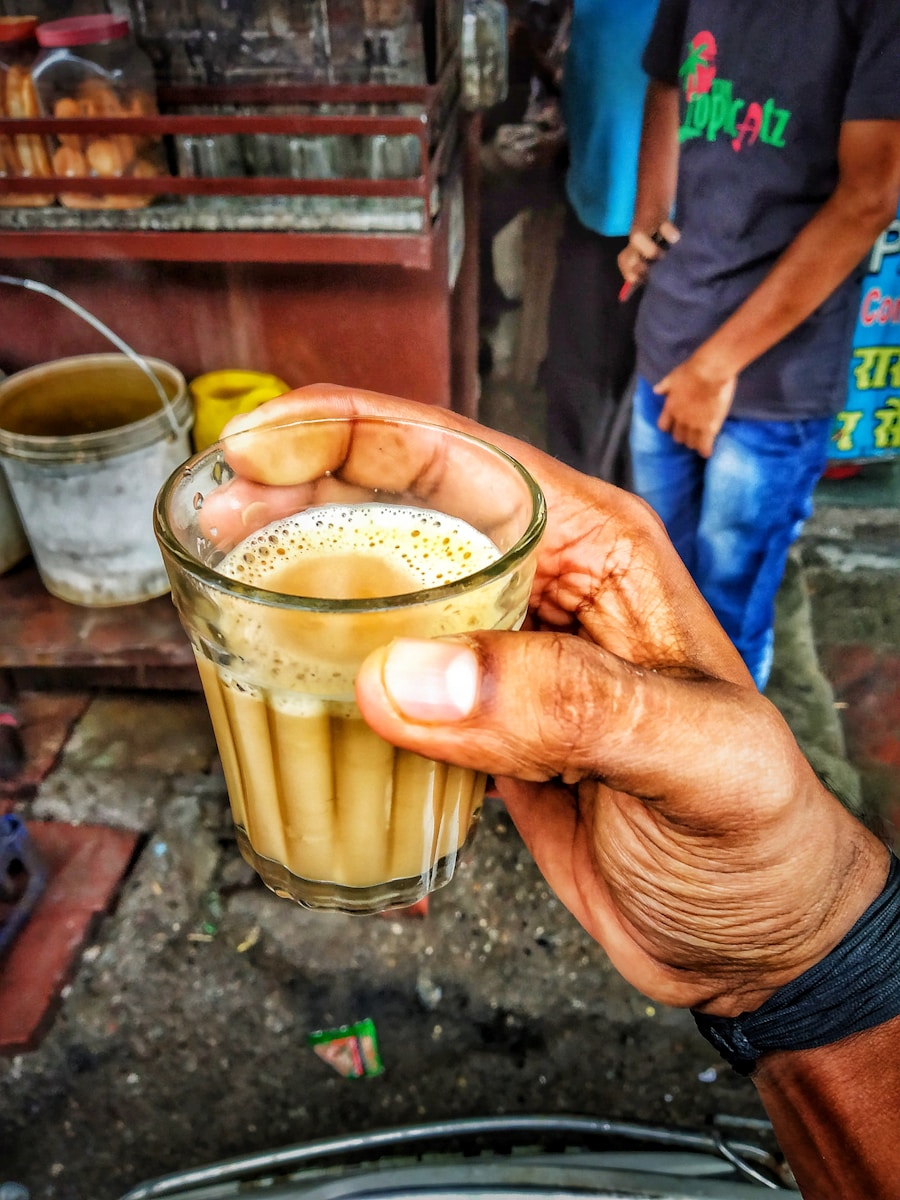
Enhancing Production Methods
Some entrepreneurs are exploring ways to improve harvesting techniques through technology that minimizes environmental impact and maximizes sap yield without harming palm trees. This approach not only preserves traditional practices but also aligns with contemporary sustainability goals.
Promoting Artisanal Products
Furthermore, there is an increasing emphasis on promoting toddy as an artisanal product that can appeal to both local and international markets. Craft producers are experimenting with flavor infusions and unique fermentation techniques to create distinct varieties of toddy that cater to diverse palates.
Revitalizing Interest and Economic Opportunities
This trend not only revitalizes interest in traditional beverages but also provides economic opportunities for local communities involved in palm wine production. As awareness grows about the cultural heritage associated with toddy, efforts are being made to protect traditional knowledge while fostering innovation within this age-old industry.
If you enjoyed reading about Toddy Tales: The Palm Wine of South India, you may also be interested in learning about the Perfectly Cooked Boneless Chicken Breast Recipe. This article provides a step-by-step guide on how to cook juicy and flavorful chicken breasts. Check it out here!
FAQs
What is Toddy?
Toddy is a traditional alcoholic beverage made from the sap of various palm trees, particularly the coconut palm and the palmyra palm, in South India.
How is Toddy made?
Toddy is made by tapping the sap from the flower buds of the palm tree and collecting it in containers. The sap is then left to ferment naturally, resulting in a mildly alcoholic beverage.
What does Toddy taste like?
Toddy has a slightly sweet and sour taste with a hint of coconut flavor. The taste can vary depending on the type of palm tree from which the sap is collected.
Is Toddy popular in South India?
Yes, Toddy is a popular traditional beverage in South India, particularly in the states of Kerala, Tamil Nadu, and Karnataka. It is often consumed in local taverns and roadside stalls.
What are the health benefits of Toddy?
Toddy is believed to have some health benefits, including being rich in vitamins and minerals. It is also considered to have probiotic properties that can aid in digestion.
Is Toddy legal in South India?
The production and sale of Toddy are regulated by the government in South India. It is legal to produce and sell Toddy, but there are regulations in place to ensure its quality and safety.