

Pastéis de Belém originated in the early 19th century in Lisbon, Portugal. In 1837, a bakery located near the Jerónimos Monastery began producing these custard tarts. According to historical accounts, the recipe was developed by monks at the monastery who had surplus egg yolks from other culinary activities, prompting them to create a dessert to utilize these ingredients efficiently.
The bakery, officially named “Fábrica dos Pastéis de Belém,” was founded by a former monk following the dissolution of Portuguese monasteries during this period. The pastries gained widespread recognition due to their distinctive combination of crispy pastry shells and smooth custard filling. This popularity extended beyond local consumers to include international visitors.
The bakery has preserved its original production methods throughout its operational history, maintaining consistency in the preparation process. Pastéis de Belém has become an established element of Portuguese culinary tradition and continues to attract tourists seeking to experience this regional specialty.
Key Takeaways
- Pasteis de Belem has a rich history dating back to the 19th century in Lisbon.
- Its unique custard filling and flaky pastry distinguish it from other Portuguese tarts.
- The original Pasteis de Belem shop in Lisbon is renowned for offering the best authentic tarts.
- The secret recipe remains closely guarded, contributing to its distinctive flavor and texture.
- Locals enjoy Pasteis de Belem with specific accompaniments and have insider tips for the best experience.
What Makes Pasteis de Belem Unique
What sets Pasteis de Belem apart from other custard tarts is its distinctive preparation and flavor profile. The pastry is made from a secret blend of ingredients that results in a perfectly flaky and crispy crust. Unlike many other pastries that may rely on a single type of dough, the crust of Pasteis de Belem is layered, creating a texture that is both light and satisfying.
This meticulous process requires skill and patience, as each layer must be rolled and folded multiple times to achieve the desired flakiness. The custard filling is another aspect that contributes to its uniqueness. It is rich and creamy, with a delicate balance of sweetness and vanilla flavor.
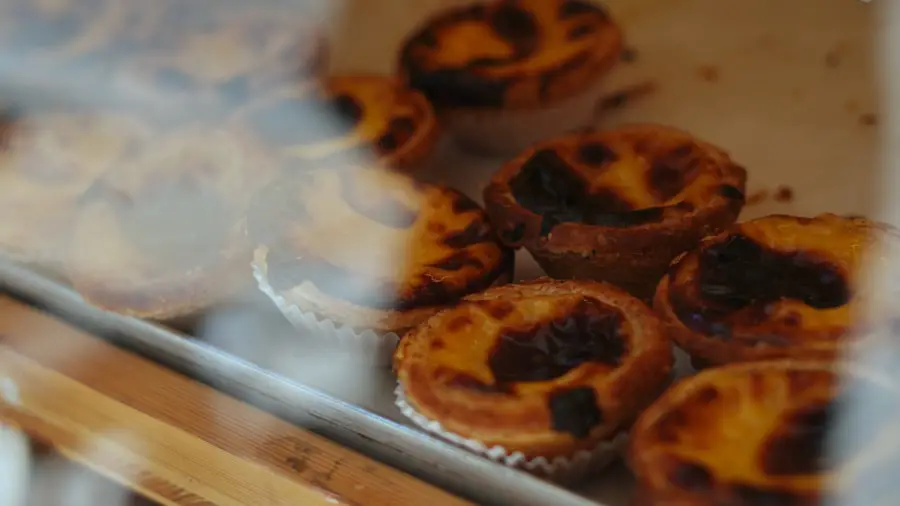
The filling is made from fresh eggs, sugar, milk, and a hint of cinnamon, which adds depth to the overall taste. The tarts are baked at high temperatures, resulting in a caramelized top that contrasts beautifully with the smooth custard beneath. This combination of textures and flavors creates an experience that is truly one-of-a-kind, making Pasteis de Belem a must-try for anyone visiting Lisbon.
Where to Find the Best Pasteis de Belem in Lisbon
While there are numerous places in Lisbon where one can enjoy custard tarts, none can compare to the original Fábrica dos Pastéis de Belém. Located in the Belem district, this historic bakery has been serving its famous tarts for over 180 years. The moment you step inside, you are greeted by the warm aroma of freshly baked pastries and the sight of bakers diligently preparing each batch.
The atmosphere is lively, with both locals and tourists eagerly waiting to savor these iconic treats.
For instance, Manteigaria is another popular spot known for its high-quality custard tarts. With locations throughout the city, Manteigaria has gained a loyal following thanks to its commitment to using fresh ingredients and traditional techniques. Each tart is served warm, allowing you to experience the delightful contrast between the crispy crust and creamy filling.
The Secret Recipe of Pasteis de Belem
The allure of Pasteis de Belem lies not only in its taste but also in the mystery surrounding its recipe. The original recipe has been closely guarded for generations, with only a select few individuals privy to its exact formulation. This secrecy has contributed to the pastry’s legendary status and has sparked curiosity among culinary enthusiasts worldwide.
While many have attempted to replicate the recipe, none have succeeded in capturing the authentic flavor that defines Pasteis de Belem. The bakery employs a unique method for preparing the custard filling that involves cooking it at precise temperatures to achieve the perfect consistency. This attention to detail ensures that each tart maintains its signature creaminess while avoiding any curdling or separation.
Additionally, the pastry dough is crafted using a blend of flour and butter that creates an ideal balance between richness and lightness. The combination of these carefully selected ingredients and techniques results in a product that remains unmatched in flavor and quality.
How to Enjoy Pasteis de Belem Like a Local
| Metric | Value |
|---|---|
| Origin | Lisbon, Portugal |
| First Created | 1837 |
| Main Ingredients | Egg yolks, sugar, milk, cinnamon, puff pastry |
| Average Weight | 50 grams |
| Calories per Unit | 200 kcal |
| Serving Temperature | Warm |
| Famous Location | Pastéis de Belém Bakery, Lisbon |
| Annual Production | Over 20 million units |
To truly appreciate Pasteis de Belem like a local, it’s essential to embrace the cultural rituals surrounding this beloved treat. First and foremost, it’s customary to enjoy these pastries fresh out of the oven. Locals often visit Fábrica dos Pastéis de Belém during peak hours when the tarts are being baked in large batches.
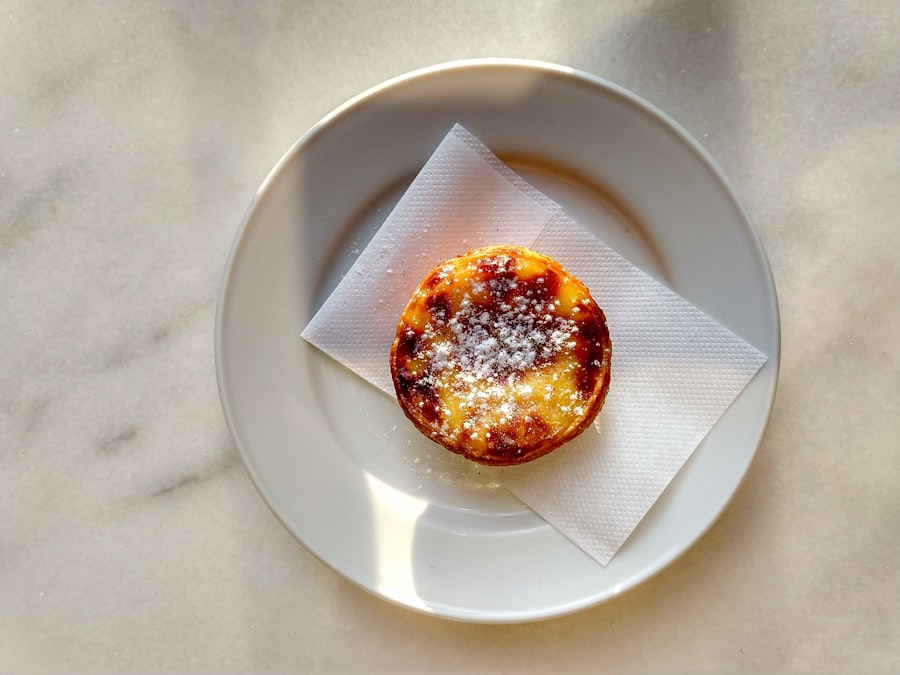
The experience of biting into a warm tart with its crisp exterior and velvety filling is unparalleled. Another local tradition involves sprinkling cinnamon or powdered sugar on top of the tart before taking a bite. This simple addition enhances the flavor profile and adds an extra layer of sweetness that many locals swear by.
Additionally, pairing your Pasteis de Belem with a bica (a strong Portuguese espresso) is a common practice. The bitterness of the coffee complements the sweetness of the tart beautifully, creating a harmonious balance that elevates your tasting experience.
The Best Accompaniments for Pasteis de Belem
While Pasteis de Belem can be enjoyed on their own, there are several accompaniments that can enhance your tasting experience even further. One popular pairing is fresh fruit, particularly berries such as strawberries or raspberries. The tartness of these fruits contrasts nicely with the sweetness of the custard tart, providing a refreshing balance on your palate.
Another excellent accompaniment is whipped cream or crème fraîche. A dollop of either adds richness and creaminess that complements the already indulgent nature of the tart.
Insider Tips for Ordering Pasteis de Belem
When visiting Fábrica dos Pastéis de Belém or any other bakery known for their custard tarts, there are some insider tips that can enhance your experience. First, it’s advisable to order your tarts in batches rather than individually; this not only ensures you get them fresh but also allows you to share with friends or family. A typical order might include six or twelve tarts, which can be enjoyed over coffee or as part of a leisurely afternoon snack.
Additionally, don’t hesitate to ask for your tarts to be served warm if they aren’t already; this is when they are at their best! If you’re feeling adventurous, try ordering a few different pastries alongside your Pasteis de Belem to explore other traditional Portuguese sweets available at the bakery. This way, you can indulge in a variety of flavors while enjoying your time at one of Lisbon’s most iconic establishments.
The Future of Pasteis de Belem in Lisbon
As culinary trends evolve and new generations emerge, one might wonder about the future of Pasteis de Belem in Lisbon. Despite the rise of modern pastry shops and innovative dessert concepts, there remains an unwavering appreciation for traditional recipes like Pasteis de Belem. The bakery continues to attract both locals and tourists alike, ensuring that this iconic treat remains relevant in contemporary food culture.
Moreover, there has been an increasing interest in preserving traditional culinary practices among younger chefs and bakers in Lisbon. Many are taking inspiration from classic recipes while incorporating their own creative twists, ensuring that while the essence of Pasteis de Belem remains intact, it also adapts to modern tastes. This blend of tradition and innovation bodes well for the future of this beloved pastry, promising that it will continue to delight palates for generations to come.
If you’re a fan of Pasteis de Belem, you might also enjoy exploring the vibrant flavors of Caribbean cuisine. A great way to experience this is through the Jamaican Jerk Chicken Recipe with Pineapple Rum Sauce, which offers a delightful blend of spices and sweetness that can transport your taste buds to a tropical paradise. Whether you’re indulging in a sweet pastry or savoring a savory dish, both experiences celebrate the joy of culinary exploration.
FAQs
What are Pasteis de Belem?
Pasteis de Belem are traditional Portuguese custard tarts made with a flaky pastry crust and a creamy egg custard filling. They are a popular pastry originating from the Belem district in Lisbon, Portugal.
What ingredients are used in Pasteis de Belem?
The main ingredients include puff pastry, egg yolks, sugar, milk, cream, flour, and lemon zest or cinnamon for flavoring. The exact recipe is a closely guarded secret by the original bakery.
Where did Pasteis de Belem originate?
Pasteis de Belem originated in the Belem district of Lisbon, Portugal. They were first made by monks at the Jerónimos Monastery in the early 19th century and later sold to the public.
How are Pasteis de Belem traditionally served?
They are typically served warm, dusted with powdered sugar and cinnamon. They are often enjoyed with coffee or tea.
What is the difference between Pasteis de Belem and Pastel de Nata?
Pasteis de Belem and Pastel de Nata are very similar custard tarts. However, Pasteis de Belem refers specifically to those made by the original bakery in Belem, Lisbon, using their secret recipe, while Pastel de Nata is a more general term for Portuguese custard tarts made elsewhere.
Can Pasteis de Belem be found outside Portugal?
While authentic Pasteis de Belem are primarily found in Lisbon, many bakeries around the world make similar custard tarts called Pastel de Nata. However, the original Pasteis de Belem with the secret recipe is unique to the Belem bakery.
How long do Pasteis de Belem last?
Pasteis de Belem are best enjoyed fresh and warm on the day they are made. They can be stored in the refrigerator for up to 2 days but may lose their crispness and flavor over time.
Are Pasteis de Belem gluten-free?
No, Pasteis de Belem are not gluten-free as they contain puff pastry made from wheat flour.
Is there a best time to visit Pasteis de Belem bakery?
The bakery is popular and can get crowded, especially during weekends and holidays. Visiting early in the morning or late in the afternoon is recommended to avoid long lines.