

Black tea, one of the most popular beverages worldwide, has a rich history that dates back thousands of years. Originating in China, it has since spread across the globe, becoming a staple in many cultures. The process of making black tea involves fully oxidizing the leaves, which gives it a distinctive dark color and robust flavor.
Unlike green tea, which is minimally processed, black tea undergoes a more extensive fermentation process, resulting in its characteristic taste profile that can range from malty and sweet to brisk and astringent. This complexity makes black tea not only a delightful drink but also a subject of interest for researchers and health enthusiasts alike. The cultural significance of black tea cannot be overstated.
In countries like India and Sri Lanka, it is an integral part of daily life, often served with milk and sugar or enjoyed plain. The British tradition of afternoon tea, which prominently features black tea, highlights its role in social gatherings and rituals. Beyond its cultural importance, black tea has also been the focus of numerous studies investigating its potential health benefits.
Key Takeaways
- Black tea is a popular type of tea that is made from the leaves of the Camellia sinensis plant.
- Drinking black tea may have potential health benefits, including improved heart health and mental well-being.
- Black tea contains antioxidants such as theaflavins and thearubigins, which can help protect the body from damage by free radicals.
- Research suggests that regularly consuming black tea may be associated with a reduced risk of heart disease and stroke.
- Incorporating black tea into a healthy lifestyle, along with a balanced diet and regular exercise, may contribute to overall well-being.
Health Benefits of Black Tea
Cardiovascular Health
Regular consumption of black tea has been linked to lower cholesterol levels and improved blood vessel function. Studies have shown that individuals who consume black tea regularly may experience a reduced risk of heart disease, thanks in part to the presence of flavonoids—compounds known for their heart-protective properties.
Digestive Health
Black tea has been associated with improved digestive health. The tannins present in black tea can help soothe the digestive tract and may alleviate symptoms of gastrointestinal discomfort. Furthermore, the caffeine content in black tea can stimulate digestion by promoting the production of gastric juices.
A Refreshing and Functional Beverage
This dual action makes black tea not only a refreshing beverage but also a functional drink that can support digestive processes.
Antioxidants in Black Tea

One of the standout features of black tea is its rich antioxidant content. Antioxidants are compounds that help neutralize free radicals in the body, which can cause oxidative stress and lead to chronic diseases. Black tea is particularly high in polyphenols, a category of antioxidants that includes flavonoids and catechins.
These compounds have been extensively studied for their potential health benefits, including their role in reducing inflammation and protecting against various diseases. Research has indicated that the antioxidants found in black tea can play a crucial role in reducing the risk of certain cancers. For instance, some studies suggest that regular consumption of black tea may lower the risk of breast and prostate cancers due to its ability to inhibit tumor growth and promote apoptosis (programmed cell death) in cancer cells.
Additionally, the antioxidant properties of black tea may contribute to improved skin health by protecting against UV damage and promoting a more youthful appearance.
Black Tea and Heart Health
| Study | Findings |
|---|---|
| European Journal of Clinical Nutrition, 2017 | Regular consumption of black tea is associated with a reduced risk of heart disease. |
| Harvard Health Publishing, 2019 | Black tea consumption is linked to lower levels of LDL cholesterol, which is beneficial for heart health. |
| Journal of Nutrition, 2015 | Black tea intake is associated with improved blood vessel function, which can contribute to better heart health. |
The relationship between black tea and heart health is particularly noteworthy, as numerous studies have highlighted its potential to reduce cardiovascular risk factors. One key mechanism through which black tea exerts its protective effects is by improving endothelial function—the ability of blood vessels to dilate and contract effectively. This is crucial for maintaining healthy blood pressure levels and ensuring adequate blood flow throughout the body.
Moreover, research has shown that regular consumption of black tea can lead to lower levels of LDL cholesterol, often referred to as “bad” cholesterol. Elevated LDL cholesterol is a significant risk factor for heart disease, as it can lead to plaque buildup in the arteries. By incorporating black tea into one’s daily routine, individuals may be able to manage their cholesterol levels more effectively.
A meta-analysis published in the American Journal of Clinical Nutrition found that individuals who consumed three or more cups of black tea daily had a 20% lower risk of developing heart disease compared to those who did not consume black tea regularly.
Black Tea and Mental Well-being
Beyond its physical health benefits, black tea also plays a role in enhancing mental well-being. The caffeine content in black tea can provide a gentle energy boost without the jitteriness often associated with coffee consumption.
Additionally, the presence of L-theanine—a unique amino acid found in tea—can promote relaxation and reduce stress levels. This combination of caffeine and L-theanine creates a state of alert calmness, making black tea an ideal beverage for studying or working. Furthermore, some studies suggest that regular consumption of black tea may be linked to a lower risk of cognitive decline as individuals age.
The antioxidants present in black tea may help protect brain cells from oxidative stress and inflammation, both of which are associated with neurodegenerative diseases such as Alzheimer’s and Parkinson’s disease. By incorporating black tea into one’s daily routine, individuals may not only enjoy its rich flavor but also support their cognitive health over time.
Incorporating Black Tea into a Healthy Lifestyle
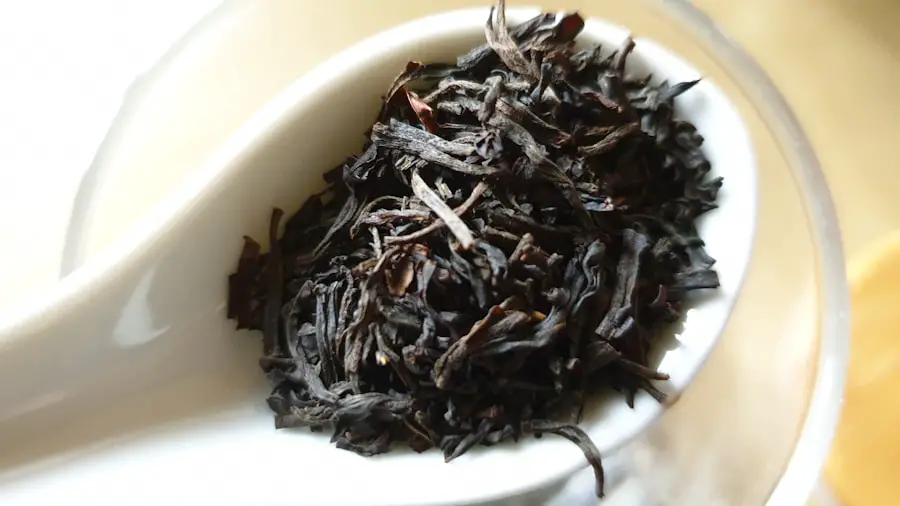
Incorporating black tea into a healthy lifestyle can be both enjoyable and beneficial for overall well-being. With its myriad health benefits ranging from improved heart health to enhanced mental clarity, it serves as an excellent addition to daily routines. Whether enjoyed as part of a morning ritual or as an afternoon pick-me-up, black tea offers versatility in preparation—ranging from traditional brewing methods to modern iced variations.
To maximize the health benefits associated with black tea, it is advisable to consume it without excessive added sugars or creamers that could negate some of its positive effects. Experimenting with different varieties—such as Assam, Darjeeling, or Earl Grey—can also enhance the experience while providing unique flavor profiles and potential health benefits specific to each type. As research continues to unveil the numerous advantages of this ancient beverage, it becomes increasingly clear that black tea is not just a delightful drink but also a powerful ally in promoting a healthier lifestyle.
If you’re a fan of black tea, you may also enjoy trying out a recipe for Garlicky Roasted Potato Salad. This flavorful side dish pairs well with a hot cup of tea and can be a great addition to any meal. Check out the recipe here for a delicious and satisfying dish that complements the bold flavors of black tea.
FAQs
What is black tea?
Black tea is a type of tea that is more oxidized than green, oolong, and white teas. It is made from the leaves of the Camellia sinensis plant and is known for its strong flavor and dark color.
How is black tea made?
Black tea is made through a process of withering, rolling, oxidation, and drying. The leaves are withered to reduce moisture content, rolled to release enzymes that initiate oxidation, oxidized to develop flavor and color, and then dried to halt the oxidation process.
What are the health benefits of black tea?
Black tea contains antioxidants called polyphenols, which have been linked to various health benefits, including improved heart health, lower cholesterol levels, and reduced risk of stroke. It also contains caffeine, which can help improve alertness and mental focus.
How is black tea different from other types of tea?
Black tea is different from other types of tea primarily in terms of oxidation. Green tea is not oxidized, oolong tea is partially oxidized, and white tea is minimally processed. Black tea is fully oxidized, which gives it its characteristic strong flavor and dark color.
What are the popular varieties of black tea?
Some popular varieties of black tea include Assam, Darjeeling, Earl Grey, English Breakfast, and Ceylon. These teas are named after the regions where they are grown or the specific blends and flavors they offer.