

Thandai, a traditional Indian beverage, has a rich history that intertwines with the cultural fabric of India, particularly during the festival of Holi.
Historical accounts suggest that thandai was not merely a drink but a symbol of hospitality and celebration.
The Mughal emperors, known for their opulence and love for culinary arts, popularized thandai as a refreshing drink during the sweltering summer months. It was often served to guests as a gesture of goodwill and festivity, embodying the spirit of togetherness that is central to Indian culture. The drink’s name itself is derived from the Hindi word “thanda,” meaning cold, which reflects its refreshing nature.
Over centuries, thandai evolved from a simple concoction of milk and spices to a more elaborate beverage infused with various nuts, seeds, and flavorings. The drink gained prominence not only in royal households but also among the common people, becoming an integral part of various festivals, especially Holi. The association of thandai with Holi is particularly significant, as it symbolizes the arrival of spring and the joyous celebration of colors.
This historical context enriches the experience of consuming thandai, making it more than just a drink; it is a connection to India’s vibrant past.
Key Takeaways
- Thandai has a rich history dating back to ancient India, where it was used for its cooling properties during the festival of Holi.
- The traditional ingredients of Thandai include milk, sugar, almonds, fennel seeds, cardamom, and saffron, creating a unique blend of flavors and spices.
- Thandai recipes have evolved over time, with modern twists incorporating ingredients like rose petals, pistachios, and even cannabis seeds.
- Thandai holds great significance in the festival of Holi, as it is believed to symbolize the arrival of spring and the victory of good over evil.
- Thandai offers various health benefits, such as being a good source of protein, calcium, and essential vitamins, while also aiding in digestion and providing a cooling effect.
The Ingredients of Thandai: Uncovering the Traditional Spices and Flavors
The Nutty Base
Almonds and pistachios are often soaked overnight to enhance their texture and flavor before being ground into a fine paste. This nutty base provides a creamy richness that is essential to thandai’s character.
Aromatic Depth
Cardamom adds a fragrant warmth, while saffron imparts a luxurious golden hue and an aromatic depth that elevates the drink. In addition to these primary ingredients, sugar or jaggery is commonly added to sweeten the beverage, balancing the spices’ intensity.
Floral Notes and Spicy Variations
The use of rose petals or rose water introduces a floral note that complements the other flavors beautifully. Some variations may include black pepper or fennel seeds, which add an intriguing spiciness and complexity to the drink. The meticulous selection and preparation of these ingredients reflect the artistry involved in crafting thandai, showcasing how each component plays a vital role in creating a refreshing and flavorful experience.
Thandai Recipes: From Traditional to Modern Twists

While traditional thandai recipes remain popular, contemporary interpretations have emerged that cater to diverse palates and dietary preferences. The classic preparation involves soaking nuts overnight, grinding them into a paste, and then mixing this with chilled milk and sweeteners. However, modern recipes often incorporate innovative elements such as fruit purees or flavored syrups to create unique variations.
For instance, mango thandai combines the traditional ingredients with ripe mango pulp, resulting in a tropical twist that is particularly refreshing during the summer months. Another modern take on thandai is the vegan version, which substitutes dairy milk with almond or coconut milk. This adaptation not only caters to those with lactose intolerance but also appeals to health-conscious consumers seeking plant-based alternatives.
Additionally, some recipes experiment with spices like turmeric or ginger, which not only enhance flavor but also add nutritional benefits. These modern twists on thandai demonstrate how this classic beverage can evolve while still honoring its rich heritage.
Thandai and Holi: The Significance of this Refreshing Beverage in the Festival
Holi, known as the festival of colors, is one of India’s most vibrant celebrations, marking the arrival of spring and the triumph of good over evil. Thandai plays a pivotal role in this festival, serving as a symbol of joy and festivity. During Holi, families and friends gather to celebrate by throwing colored powders at each other, dancing, and indulging in delicious food and drinks.
Thandai is often served as a refreshing respite from the heat generated by the festivities, allowing participants to cool down while enjoying its rich flavors. The significance of thandai during Holi extends beyond mere refreshment; it embodies the spirit of sharing and togetherness that characterizes the festival. Traditionally prepared in large quantities, thandai is offered to guests as a gesture of hospitality.
The act of sharing this beverage fosters connections among family members and friends, reinforcing social bonds that are central to Indian culture. Moreover, thandai’s association with bhang (cannabis) in some regions adds another layer to its significance during Holi. In these contexts, thandai becomes not just a drink but an integral part of the celebratory experience, enhancing the sense of euphoria that accompanies the festival.
Health Benefits of Thandai: Exploring the Nutritional Aspects of this Festive Drink
Beyond its delightful taste and cultural significance, thandai boasts several health benefits attributed to its nutritious ingredients. Almonds and pistachios are rich sources of healthy fats, protein, vitamins, and minerals.
The presence of cardamom not only enhances flavor but also aids digestion and has antioxidant properties that can help combat inflammation. Saffron, another key ingredient in thandai, is renowned for its mood-enhancing properties and potential benefits for skin health. It contains compounds that may improve mood and alleviate symptoms of depression.
Additionally, rose petals are known for their calming effects and can aid in reducing stress levels. The combination of these ingredients makes thandai not only a festive treat but also a nourishing beverage that supports overall well-being. As people increasingly seek healthier options during celebrations, thandai stands out as a delicious yet beneficial choice.
Thandai Variations: How Different Regions Put their Unique Spin on this Holi Favorite
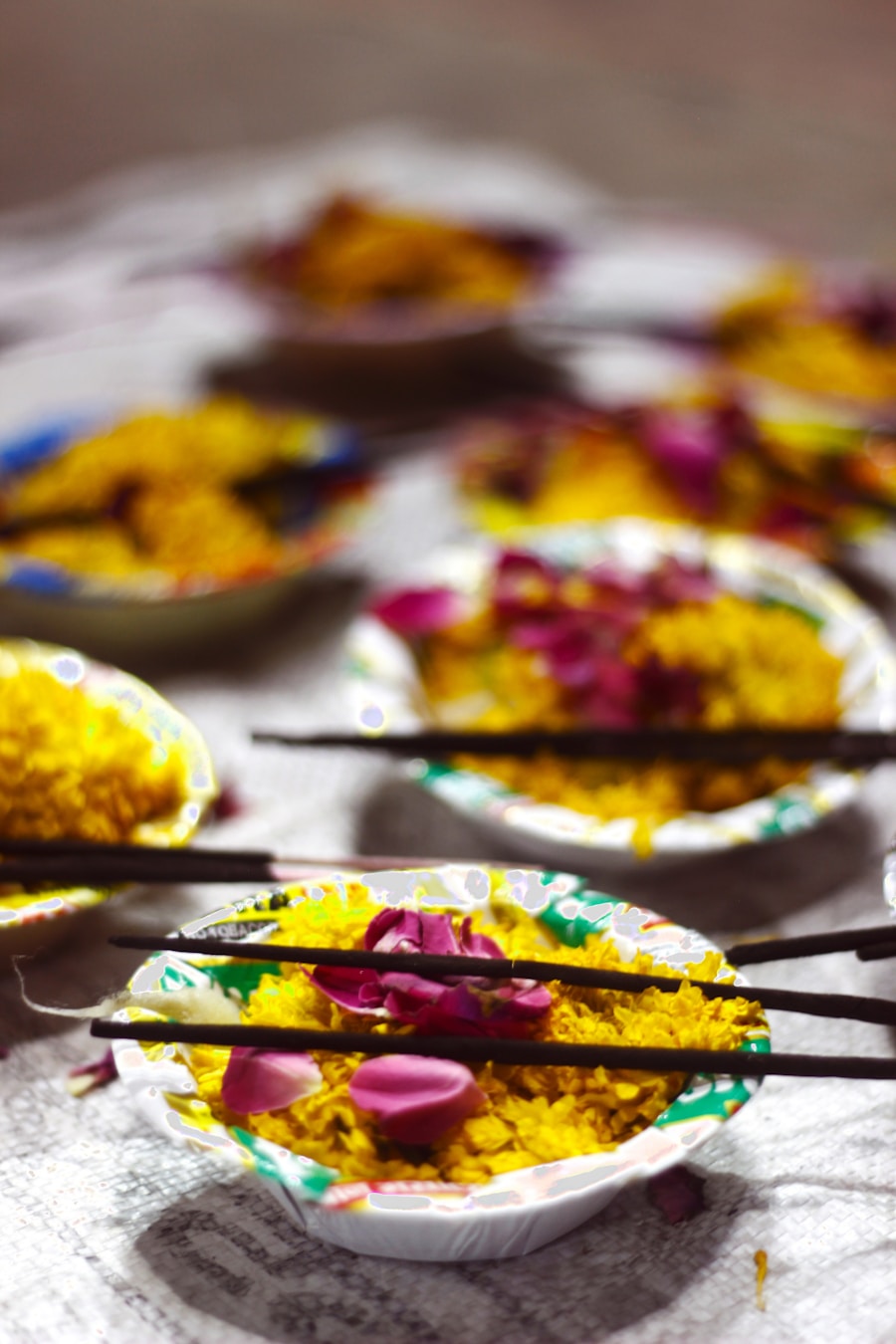
Thandai’s versatility allows for regional variations that reflect local tastes and traditions across India. In Rajasthan, for instance, thandai may be enriched with additional spices like black pepper or even infused with local fruits such as pomegranate or watermelon for added flavor complexity. This regional adaptation showcases how local ingredients can transform a classic recipe into something uniquely representative of its cultural context.
In contrast, in Maharashtra, thandai might be prepared with coconut milk or flavored with jaggery instead of sugar, giving it a distinct sweetness that resonates with local culinary preferences. Similarly, in South India, variations may include tropical fruits like mango or banana blended into the mix, creating a refreshing drink that aligns with the region’s climate and agricultural bounty. These regional spins on thandai not only highlight the diversity within Indian cuisine but also illustrate how traditional recipes can be adapted to suit local tastes while preserving their essence as beloved festive beverages during Holi celebrations.
If you’re looking for more delicious recipes to try, check out this article on Pan Bagnat: Le French Tuna Salad Sandwich. This French-inspired dish is perfect for a light and flavorful meal.
FAQs
What is Thandai?
Thandai is a traditional Indian drink that is especially popular during the Holi festival. It is a refreshing and cooling beverage made with a mixture of milk, nuts, and spices.
What are the key ingredients in Thandai?
The key ingredients in Thandai include milk, almonds, cashews, pistachios, poppy seeds, fennel seeds, cardamom, saffron, and sugar. Some variations may also include rose water and peppercorns.
How is Thandai traditionally served?
Thandai is traditionally served cold and is often garnished with additional nuts and a sprinkle of saffron. It is a popular choice for serving during the Holi festival, as it helps to cool down and refresh the body after the festivities.
What is the significance of Thandai during the Holi festival?
Thandai is associated with the Holi festival, which is a celebration of the arrival of spring and the triumph of good over evil. The cooling properties of Thandai make it a popular choice for serving during the festival, as it helps to counteract the heat and spice of the traditional Holi foods.
Can Thandai be made with non-dairy milk?
Yes, Thandai can be made with non-dairy milk such as almond milk, cashew milk, or coconut milk for those who are lactose intolerant or prefer a dairy-free option. The flavor may vary slightly, but it can still be a delicious and refreshing beverage.