

The pavlova is a dessert that has captured the hearts and palates of many, but its origins are steeped in a delightful culinary debate between Australia and New Zealand. Named after the famous Russian ballerina Anna Pavlova, who toured both countries in the 1920s, the dessert is said to have been created in her honor. The earliest known recipe for pavlova appeared in a New Zealand cookbook in 1929, while Australian claims to its invention often cite a similar dessert served at a hotel in Perth around the same time.
This rivalry adds a layer of intrigue to the pavlova’s history, as both nations proudly assert their connection to this iconic dish. The significance of pavlova extends beyond its delicious taste; it embodies a cultural symbol for both Australia and New Zealand. In New Zealand, it is often served at festive occasions such as Christmas and birthdays, while Australians enjoy it during summer barbecues and holiday gatherings.
The dessert’s light and airy texture reflects the spirit of celebration, making it a staple at gatherings where joy and togetherness are paramount. The pavlova has evolved over the years, with various adaptations and interpretations emerging, yet its core essence remains unchanged—a delicate meringue base topped with fresh fruits and whipped cream, representing a harmonious blend of flavors and textures.
Key Takeaways
- The pavlova dessert is named after the Russian ballerina Anna Pavlova and has been a source of debate between Australia and New Zealand over its origins.
- Achieving the perfect meringue for pavlova involves using room temperature egg whites, adding sugar gradually, and ensuring a clean mixing bowl and beaters.
- Using fresh, high-quality ingredients such as cream of tartar, cornstarch, and vinegar is essential for creating a delicious and flawless pavlova.
- Baking techniques such as creating a shallow well in the center of the pavlova, using a low oven temperature, and allowing it to cool completely in the oven are crucial for achieving the desired texture.
- Creative ideas for presenting a stunning pavlova include topping it with fresh fruits, edible flowers, chocolate shavings, or flavored whipped cream to add visual appeal.
- Common mistakes in making pavlova include using cold egg whites, overbeating the mixture, or adding acidic ingredients too early, which can result in a collapsed or grainy pavlova.
- To keep pavlova fresh and delicious, it should be stored in an airtight container in a cool, dry place and assembled with toppings just before serving.
- Exploring different flavors and combinations such as tropical fruits, citrus curd, or flavored syrups can add a unique twist to the classic pavlova dessert.
Mastering the Meringue: Tips for Achieving the Perfect Texture and Consistency
Creating the perfect meringue is an essential step in crafting a successful pavlova. The foundation of this dessert lies in the meringue’s texture, which should be crisp on the outside while remaining soft and chewy on the inside. To achieve this balance, it is crucial to start with room temperature egg whites, as they whip up more easily and achieve greater volume compared to cold egg whites.
Using a clean, dry mixing bowl is equally important; any trace of fat or moisture can hinder the egg whites from reaching their full potential. When whipping the egg whites, it is advisable to gradually add sugar once soft peaks begin to form. This slow incorporation allows the sugar to dissolve properly, resulting in a glossy meringue that holds its shape well.
The addition of cornstarch and vinegar or lemon juice can further enhance the meringue’s structure. Cornstarch helps stabilize the mixture, while vinegar or lemon juice contributes to a tender interior by breaking down some of the proteins in the egg whites. The key is to whip until stiff peaks form, ensuring that the meringue is thick enough to hold its shape during baking.
Choosing the Right Ingredients: The Key to a Delicious and Flawless Pavlova
The quality of ingredients plays a pivotal role in determining the success of a pavlova. Fresh, high-quality eggs are essential, as they provide the necessary structure and flavor to the meringue. Free-range or organic eggs are often recommended for their superior taste and vibrant yolks.
Additionally, using superfine sugar instead of granulated sugar can make a significant difference; superfine sugar dissolves more easily, resulting in a smoother meringue without any graininess. Beyond eggs and sugar, the choice of toppings can elevate a pavlova from ordinary to extraordinary. Fresh fruits such as kiwis, strawberries, passion fruit, and blueberries not only add vibrant color but also provide a refreshing contrast to the sweetness of the meringue. When selecting fruits, it is beneficial to consider seasonal availability for optimal flavor. Furthermore, incorporating flavored whipped cream or mascarpone can enhance the overall taste profile.
A hint of vanilla extract or citrus zest can add depth to the cream, complementing the meringue’s sweetness while balancing the dish.
The Art of Baking: Techniques for Achieving a Crisp Exterior and Chewy Interior
| Technique | Result |
|---|---|
| High heat baking | Crisp exterior |
| Use of steam | Crisp exterior |
| Longer fermentation | Chewy interior |
| Use of bread flour | Chewy interior |
Baking a pavlova requires careful attention to temperature and timing to achieve that coveted crisp exterior paired with a chewy interior. Preheating the oven is crucial; a consistent temperature ensures even baking throughout. Many bakers recommend using a low temperature—around 225°F (110°C)—to allow for slow drying of the meringue without browning it too quickly.
This gentle heat helps create a delicate crust while preserving moisture inside. Another important technique involves baking on parchment paper rather than directly on a baking sheet. Parchment paper prevents sticking and allows for easy removal once cooled.
Additionally, some bakers advocate for leaving the oven door slightly ajar during baking to facilitate moisture escape, which contributes to that ideal texture. Once baked, it is essential to let the pavlova cool completely in the oven with the door closed; this gradual cooling process helps prevent cracking and ensures that the meringue retains its structure.
Decorating and Assembling: Creative Ideas for Presenting a Stunning Pavlova
The visual appeal of a pavlova is as important as its taste, making decoration an integral part of its preparation. A simple yet effective approach is to create an inviting nest-like shape with the meringue base. Using a spatula or spoon, form shallow indentations in the center of the pavlova before baking; this will create a natural bowl for holding toppings once cooled.
After baking and cooling, spread whipped cream generously over the surface, allowing it to cascade over the edges for an elegant look. When it comes to toppings, creativity knows no bounds. A colorful assortment of fresh fruits can be arranged artfully atop the whipped cream, creating an eye-catching centerpiece for any gathering.
For those looking to experiment further, consider incorporating flavored syrups or compotes that complement the fruit selection, adding depth and complexity to each bite.
Troubleshooting: Common Mistakes and How to Avoid Them
Even seasoned bakers can encounter challenges when making pavlova. One common issue is cracking during baking or cooling. This can occur due to rapid temperature changes or over-whipping the egg whites.
To mitigate this risk, ensure that your oven temperature remains consistent throughout baking and avoid opening the oven door too frequently. If cracks do appear, they can often be disguised with whipped cream and fruit toppings. Another frequent problem is a weeping pavlova—when moisture seeps out from beneath the toppings.
This can happen if the meringue is not baked long enough or if it is exposed to humidity after baking. To prevent weeping, ensure that your pavlova is fully dried out before removing it from the oven. Additionally, serving it immediately after assembly can help maintain its texture; if you need to prepare it in advance, consider keeping toppings separate until just before serving.
Serving and Storing: Tips for Keeping Your Pavlova Fresh and Delicious
Serving pavlova at its peak freshness is essential for enjoying its delightful textures and flavors. Ideally, pavlova should be assembled shortly before serving to prevent sogginess from whipped cream or fruit juices seeping into the meringue base. If you need to prepare components ahead of time, store the meringue in an airtight container at room temperature for up to two days; this will help maintain its crispness.
When it comes to leftovers, it’s best to store them separately if possible. If you have leftover assembled pavlova, refrigerate it in an airtight container but be aware that it may lose some of its original texture over time. For optimal enjoyment, consume any leftovers within 24 hours; after that period, you may notice that the meringue becomes increasingly soft as it absorbs moisture from the toppings.
Variations and Innovations: Exploring Different Flavors and Combinations for a Unique Twist
While traditional pavlova features classic toppings like fresh fruits and whipped cream, there is ample room for creativity when it comes to flavor combinations and variations. For instance, consider infusing your whipped cream with unique flavors such as lavender or matcha powder for an unexpected twist that elevates your dessert experience. Alternatively, you could experiment with different types of fruit compotes or curds—think passion fruit curd or raspberry coulis—to add layers of flavor that complement the sweetness of the meringue.
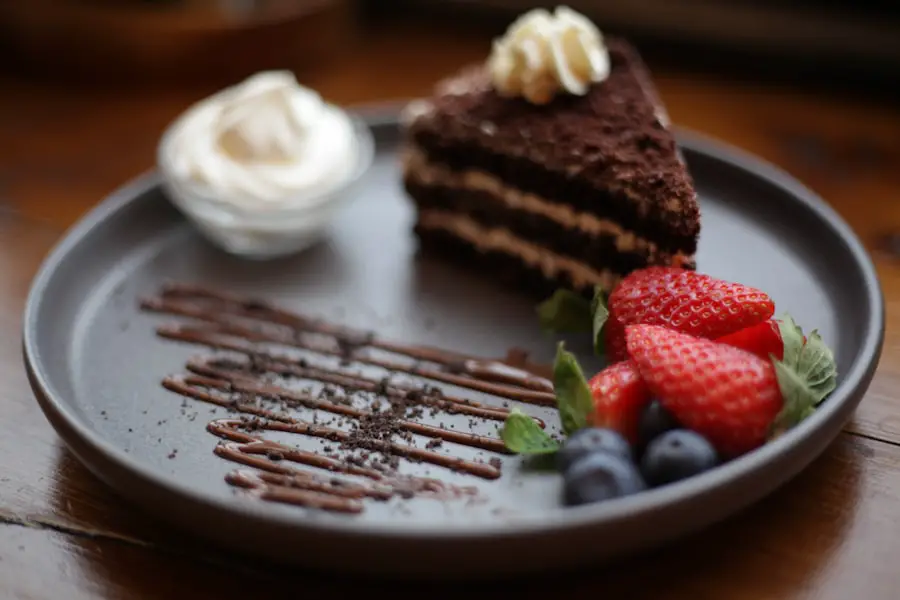
For those looking to explore international influences, consider incorporating elements from other desserts into your pavlova creation. A chocolate pavlova base can be made by adding cocoa powder to your meringue mixture, resulting in a rich chocolate flavor that pairs beautifully with berries or caramel sauce. Another innovative approach could involve layering flavors inspired by popular desserts from around the world—such as tiramisu-inspired pavlova with coffee-flavored cream and cocoa dusting—creating an exciting fusion that delights both visually and gastronomically.
In conclusion, mastering pavlova involves understanding its rich history while honing techniques for creating this beloved dessert from scratch. With attention to detail in ingredient selection, baking methods, decoration strategies, troubleshooting common issues, and exploring innovative variations, anyone can create their own stunning version of this iconic dish that pays homage to its origins while delighting taste buds around the world.
If you’re looking for a delicious dessert to pair with your Pavlova, you might want to try making a Roasted Strawberry Milkshake with Buttermilk. This unique and refreshing recipe from Flavorful Sips combines the sweetness of roasted strawberries with the tanginess of buttermilk for a delightful treat. Check out the recipe here to add a new twist to your dessert menu.
FAQs
What is a Pavlova?
Pavlova is a meringue-based dessert named after the Russian ballerina Anna Pavlova. It is crisp on the outside and soft and marshmallow-like on the inside.
Where did Pavlova originate?
The exact origin of Pavlova is a topic of debate between Australia and New Zealand. Both countries claim to have created the dessert in honor of Anna Pavlova’s visit in the 1920s.
What are the main ingredients in a Pavlova?
The main ingredients in a Pavlova are egg whites, sugar, and vinegar or cream of tartar. It is typically topped with whipped cream and fresh fruit.
How is Pavlova different from meringue?
Pavlova is similar to meringue, but it typically includes vinegar or cream of tartar, which gives it a chewy marshmallow-like texture on the inside. Meringue is usually crisp and dry throughout.
What are some common toppings for Pavlova?
Common toppings for Pavlova include whipped cream, strawberries, kiwi, passionfruit, and other fresh fruits. It can also be topped with a fruit coulis or chocolate shavings.