

Noon Chai, also known as Kashmiri Chai or Gulabi Chai, is a traditional beverage that has become synonymous with the culture and heritage of Kashmir. Its origins can be traced back to the Mughal era, when the region was a favored retreat for emperors and their courts. The Mughals, known for their love of art, architecture, and culinary delights, brought with them a variety of tea traditions from Persia.
It is believed that Noon Chai was influenced by Persian tea-making techniques, which emphasized the use of green tea leaves and the addition of spices and nuts. The name “Noon” itself is derived from the Persian word for salt, reflecting the unique savory flavor profile that distinguishes this tea from other varieties. As the centuries progressed, Noon Chai evolved into a staple of Kashmiri hospitality.
It became a symbol of warmth and welcome, often served to guests during social gatherings and celebrations. The preparation of this tea is an art form in itself, requiring skill and patience to achieve the perfect balance of flavors and textures. The traditional method involves boiling green tea leaves with water and then whisking the mixture vigorously to aerate it, resulting in a frothy, creamy beverage.
The addition of milk, salt, and spices such as cardamom and cinnamon further enhances its complexity. Over time, Noon Chai has transcended its royal origins to become a beloved drink enjoyed by people from all walks of life in Kashmir.
Key Takeaways
- Noon Chai, also known as Kashmiri pink tea, has a rich history dating back centuries in the Kashmir region.
- Brewing the perfect cup of Noon Chai involves a unique process of boiling green tea leaves with baking soda and salt, followed by adding milk and a long period of simmering.
- Noon Chai holds a special place in Kashmiri society, often being served at weddings, religious ceremonies, and other important events, evoking feelings of nostalgia and tradition.
- Despite its high calorie content, Noon Chai offers health benefits such as antioxidants and potential digestive aid, making it a popular choice among locals.
- With its distinct flavor and cultural significance, Noon Chai is gaining recognition beyond Kashmir, appealing to tea enthusiasts and those interested in exploring traditional beverages from around the world.
The Art of Making Noon Chai: A Step-by-Step Guide to Brewing the Perfect Cup
Gathering Ingredients and Boiling Water
The first step involves boiling water in a traditional kettle or pot. Once the water reaches a rolling boil, a generous amount of green tea leaves is added. The mixture is then allowed to simmer for several minutes, allowing the flavors to infuse.
The Aeration Process
The next crucial step is the aeration process, which is what sets Noon Chai apart from other teas. Using a traditional whisk called a “chashni,” the tea is vigorously whisked to incorporate air into the mixture. This not only enhances the flavor but also creates a beautiful frothy texture.
Adding Milk and Seasonings
After whisking for several minutes, the tea is strained to remove the leaves before adding milk. The milk should be heated separately and then poured into the tea mixture, creating a rich and creamy consistency. Finally, salt is added to taste, along with any desired spices. The result is a visually stunning cup of pink-hued Noon Chai that is both aromatic and flavorful.
Nostalgia in a Cup: The Cultural Significance of Noon Chai in Kashmiri Society
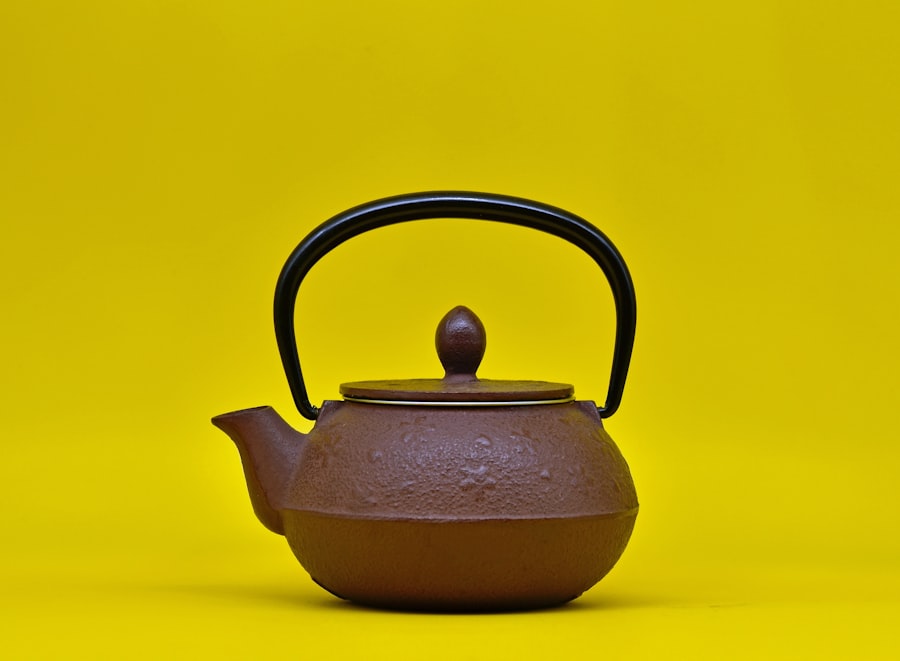
In Kashmiri society, Noon Chai holds profound cultural significance that extends beyond its role as a beverage. It embodies the spirit of hospitality and community, often serving as a bridge between generations. Traditionally, Noon Chai is served during family gatherings, festivals, and special occasions, where it fosters connections among friends and relatives.
The act of preparing and sharing this tea is steeped in ritual; it is not merely about consumption but about creating memories and strengthening bonds. Moreover, Noon Chai has become an integral part of Kashmiri identity. For many expatriates living outside Kashmir, the taste of this unique tea evokes feelings of nostalgia and longing for home.
It serves as a reminder of childhood memories spent with family members around the samovar, sharing stories and laughter over steaming cups of tea. In this way, Noon Chai transcends its physical form; it becomes a vessel for cultural expression and emotional connection. As Kashmiri culture faces challenges from globalization and modernization, Noon Chai remains a steadfast symbol of resilience and continuity.
The Health Benefits of Noon Chai: Exploring the Nutritional Value of this Traditional Beverage
Beyond its cultural significance, Noon Chai also offers several health benefits that contribute to its popularity among locals and visitors alike. One of the primary ingredients in this beverage is green tea, which is renowned for its numerous health properties. Rich in antioxidants known as catechins, green tea has been linked to various health benefits, including improved heart health, enhanced metabolism, and reduced risk of chronic diseases.
The presence of these antioxidants helps combat oxidative stress in the body, promoting overall well-being. Additionally, the spices commonly used in Noon Chai—such as cardamom and cinnamon—are known for their medicinal properties. Cardamom has been traditionally used to aid digestion and freshen breath, while cinnamon is celebrated for its anti-inflammatory effects and ability to regulate blood sugar levels.
The inclusion of milk adds calcium and protein to the mix, making it a nourishing beverage that can be enjoyed at any time of day. While Noon Chai is often associated with indulgence due to its creamy texture and rich flavor, it also serves as a wholesome drink that can contribute positively to one’s health when consumed in moderation.
Noon Chai Around the World: How Kashmir’s Unique Tea Blend is Gaining International Recognition
In recent years, Noon Chai has begun to gain international recognition as more people discover its unique flavor profile and cultural significance.
Food enthusiasts are increasingly drawn to its striking pink color and rich taste, often seeking out authentic experiences that allow them to savor this unique blend.
Social media platforms have played a pivotal role in popularizing Noon Chai on a global scale. Influencers and food bloggers have shared their experiences with this beverage, showcasing its preparation process and inviting their followers to explore Kashmiri cuisine. This newfound visibility has led to an increase in demand for authentic Noon Chai recipes and ingredients outside Kashmir.
Specialty tea shops are now offering pre-packaged blends that allow consumers to recreate this traditional drink at home, further bridging cultural gaps through culinary exploration.
Preserving Tradition: The Importance of Keeping Noon Chai Alive in Modern Times
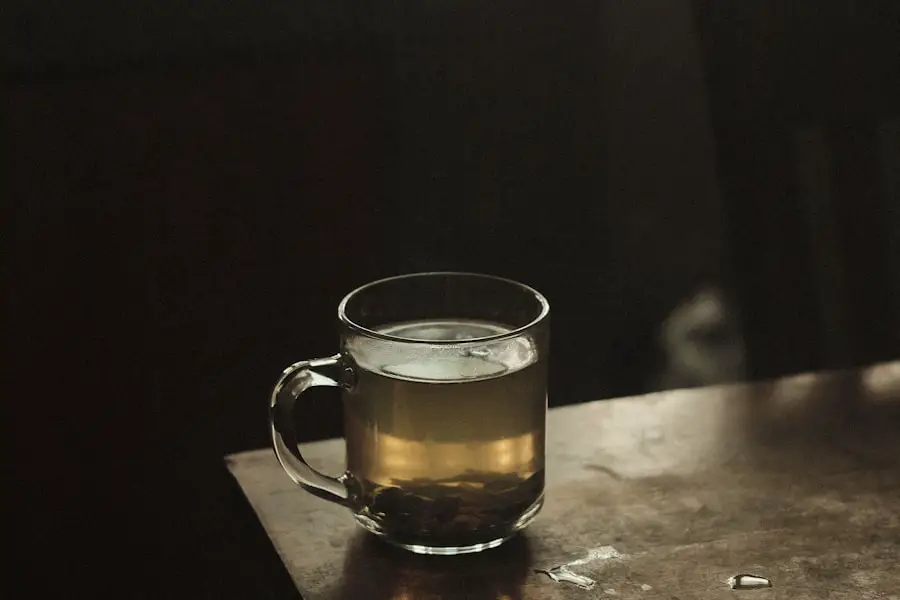
As globalization continues to shape culinary landscapes around the world, preserving traditional beverages like Noon Chai becomes increasingly important.
Local artisans and tea makers are dedicated to maintaining traditional brewing methods while also adapting to contemporary tastes.
Community initiatives aimed at promoting Kashmiri culture often include workshops on how to prepare Noon Chai authentically. These workshops not only teach participants about the intricacies of brewing but also emphasize the importance of cultural heritage in an ever-evolving world. By engaging younger generations in these traditions, there is hope that Noon Chai will continue to be celebrated as more than just a beverage; it will remain a symbol of Kashmiri identity and resilience.
In conclusion, Noon Chai represents much more than just a drink; it encapsulates centuries of history, cultural significance, health benefits, and an evolving global presence. As efforts continue to preserve this unique beverage amidst modern challenges, it stands as a testament to the enduring power of tradition in connecting people across time and space.
If you’re a fan of unique and flavorful beverages like Noon Chai, you may also enjoy learning about Jamaican Beef Patties. These savory pastries are a popular street food in Jamaica and are filled with seasoned ground beef encased in a flaky pastry crust. Check out