

The Mediterranean diet is more than just a way of eating; it embodies a lifestyle that has been cultivated over centuries in the countries bordering the Mediterranean Sea. This dietary pattern is characterized by an abundance of fruits, vegetables, whole grains, legumes, nuts, and healthy fats, particularly olive oil. It also includes moderate consumption of fish and poultry, while red meat and sweets are consumed sparingly.
Research has consistently shown that the Mediterranean diet is associated with numerous health benefits. Studies indicate that it can reduce the risk of chronic diseases such as heart disease, diabetes, and certain cancers.
The diet’s emphasis on whole foods and healthy fats contributes to improved cardiovascular health and better weight management. Furthermore, the Mediterranean lifestyle encourages physical activity and mindful eating, which are essential components of overall well-being. As more people seek to adopt healthier eating habits, the Mediterranean diet has gained popularity worldwide, celebrated not only for its health benefits but also for its vibrant flavors and diverse culinary traditions.
Key Takeaways
- The Mediterranean diet is known for its health benefits and emphasis on fresh, whole foods.
- Eating Mediterranean salads can lead to improved heart health, weight management, and reduced risk of chronic diseases.
- Traditional Mediterranean salad ingredients include fresh vegetables, olive oil, herbs, and feta cheese.
- Classic Mediterranean salad recipes include Greek salad, tabbouleh, and panzanella.
- Modern twists on Mediterranean salads include adding quinoa, chickpeas, or grilled seafood for added protein and flavor.
Benefits of Eating Mediterranean Salads
Nutrient-Dense and Immune-Boosting
One of the primary advantages of incorporating Mediterranean salads into one’s diet is their high nutrient density. Packed with vitamins, minerals, and antioxidants from fresh vegetables and herbs, these salads can help bolster the immune system and promote overall health.
Essential Nutrients and Satiety
Ingredients such as tomatoes, cucumbers, bell peppers, and leafy greens provide essential nutrients like vitamin C, potassium, and dietary fiber, which are crucial for maintaining optimal bodily functions. In addition to their nutritional value, Mediterranean salads are often low in calories yet high in satiety.
A Delicious and Healthy Choice
This makes them an excellent choice for those looking to manage their weight or improve their eating habits. Moreover, the variety of textures and flavors found in Mediterranean salads can make them a delightful addition to any meal, encouraging individuals to consume more vegetables and whole foods in their daily diets.
Traditional Mediterranean Salad Ingredients
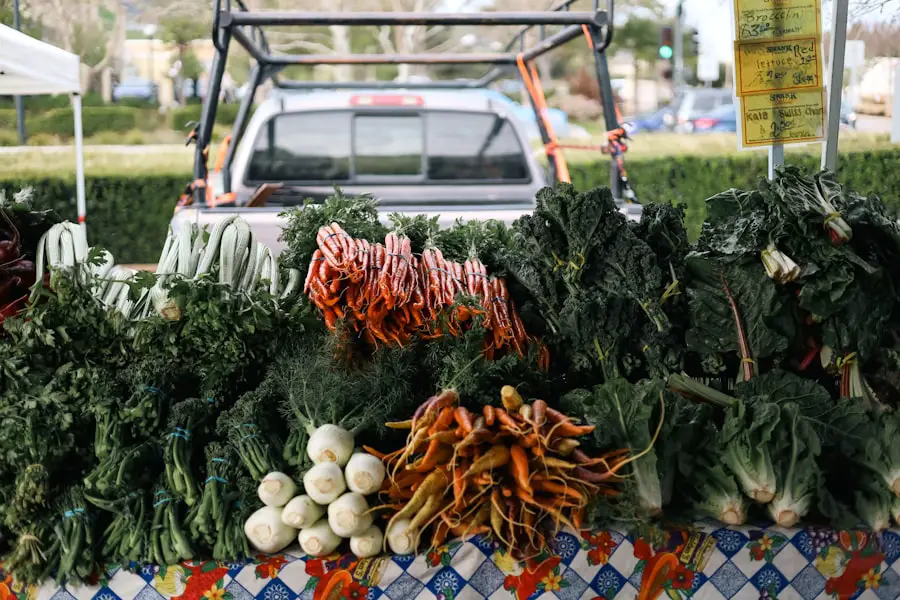
The beauty of Mediterranean salads lies in their simplicity and the quality of their ingredients. Traditional Mediterranean salads often feature a base of fresh greens such as romaine lettuce or arugula, which provide a crisp texture and a mild flavor that complements other ingredients. Tomatoes are another staple; their juiciness adds a refreshing element to salads while providing a rich source of lycopene, an antioxidant linked to various health benefits.
Cucumbers are frequently included for their crunchiness and hydrating properties.
Bell peppers, whether red, yellow, or green, contribute vibrant colors and a sweet crunch while being rich in vitamins A and Additionally, olives—particularly Kalamata or green olives—are often added for their briny flavor and healthy fats.
Feta cheese is another common ingredient that brings creaminess and a tangy taste to salads; it is also a good source of calcium and protein. Fresh herbs like parsley, basil, or mint are often sprinkled throughout to enhance flavor profiles and add aromatic qualities.
Classic Mediterranean Salad Recipes
One of the most iconic Mediterranean salads is the Greek salad, known as Horiatiki. This salad typically consists of ripe tomatoes, cucumbers, red onions, green bell peppers, Kalamata olives, and a generous block of feta cheese drizzled with high-quality olive oil. The ingredients are usually cut into large chunks rather than diced, allowing each component to shine through in terms of flavor and texture.
A sprinkle of oregano adds an aromatic touch that is characteristic of Greek cuisine. Another classic is the Italian panzanella salad, which showcases stale bread as its base. This rustic dish combines cubes of day-old bread with ripe tomatoes, cucumbers, red onions, and fresh basil leaves.
The bread absorbs the juices from the tomatoes and dressing, creating a delightful medley of flavors. A simple vinaigrette made from olive oil and red wine vinegar ties the ingredients together beautifully. Panzanella is particularly popular during the summer months when tomatoes are at their peak ripeness.
Modern Twists on Mediterranean Salads
While traditional Mediterranean salads hold a special place in culinary history, modern interpretations have emerged that incorporate contemporary ingredients and techniques. One such twist is the quinoa tabbouleh salad, which replaces bulgur wheat with quinoa for a gluten-free option. This salad retains the classic elements of parsley, mint, tomatoes, and cucumbers but adds a nutty flavor and protein boost from quinoa.
The use of lemon juice and olive oil as dressing enhances the freshness while keeping it light. Another innovative take is the Mediterranean grain bowl, which layers various grains like farro or barley with roasted vegetables, chickpeas, and a dollop of tzatziki sauce or hummus on top. This approach allows for customization based on personal preferences or seasonal ingredients while maintaining the essence of Mediterranean flavors.
The addition of roasted vegetables not only adds depth but also introduces caramelized notes that contrast beautifully with the freshness of raw ingredients.
Tips for Making a Perfect Mediterranean Salad

The Importance of High-Quality Ingredients
One key tip is to use high-quality ingredients whenever possible. Fresh produce that is in season will not only taste better but also provide maximum nutritional benefits.
Balancing Flavors and Textures
When selecting olive oil for dressing, opt for extra virgin olive oil for its superior flavor and health properties. A well-rounded salad should include a mix of crunchy vegetables, creamy elements like cheese or avocado, and perhaps some protein sources such as chickpeas or grilled chicken.
Elevating the Flavor Profile
Additionally, consider incorporating various herbs and spices to elevate the flavor profile; fresh herbs can add brightness while spices like cumin or sumac can introduce warmth and complexity.
Pairing Mediterranean Salads with Protein
To transform a Mediterranean salad into a complete meal, pairing it with protein sources is essential. Grilled chicken marinated in lemon juice and herbs complements many salads beautifully; its tender texture pairs well with crisp vegetables while adding substantial protein content. For those seeking plant-based options, roasted chickpeas or lentils can provide both protein and fiber without compromising on flavor.
Fish is another excellent protein choice that aligns perfectly with Mediterranean cuisine. Grilled salmon or tuna can be served atop a bed of greens or mixed into salads for added richness. The omega-3 fatty acids found in these fish varieties contribute to heart health while enhancing the overall nutritional profile of the meal.
Additionally, shrimp sautéed with garlic and olive oil can add a delightful seafood twist to any salad.
Conclusion and Final Thoughts
The Mediterranean diet offers a wealth of culinary delights that extend beyond traditional meals to include vibrant salads bursting with flavor and nutrition. By embracing the principles of this diet—focusing on fresh ingredients, healthy fats, and communal dining—individuals can enjoy not only delicious food but also significant health benefits. Whether sticking to classic recipes or experimenting with modern twists, Mediterranean salads provide endless opportunities for creativity in the kitchen while promoting a balanced lifestyle rich in nutrients.
As more people recognize the importance of healthy eating habits in today’s fast-paced world, the Mediterranean diet stands out as an accessible and enjoyable way to nourish both body and soul.
If you’re looking to expand your culinary horizons beyond Mediterranean salads, you might want to try making Duck Breast with Blueberry Port Sauce. This recipe from Flavorful Sips combines the rich flavors of duck with a sweet and tangy blueberry port sauce for a truly decadent dish. For a taste of the Caribbean, check out their recipe for Jamaican Beef Patties, which are filled with spicy beef and encased in a flaky pastry crust. And if you’re in the mood for something warm and comforting, their list of 10 Hearty Soup Recipes with Extra Health Benefits is sure to inspire you in the kitchen. Source
FAQs
What are Mediterranean salad recipes?
Mediterranean salad recipes are dishes that typically include a variety of fresh vegetables, fruits, nuts, and herbs, often combined with olive oil and vinegar for dressing. These salads are inspired by the traditional cuisine of countries bordering the Mediterranean Sea, such as Greece, Italy, and Spain.
What are the key ingredients in Mediterranean salads?
Key ingredients in Mediterranean salads often include tomatoes, cucumbers, bell peppers, red onions, olives, feta cheese, and various leafy greens such as lettuce or spinach. Additionally, Mediterranean salads may feature ingredients like chickpeas, quinoa, or grilled chicken for added protein.
What are the health benefits of Mediterranean salads?
Mediterranean salads are known for their health benefits, as they are typically rich in fiber, vitamins, and antioxidants. The use of olive oil as a dressing provides healthy fats, while the inclusion of vegetables and fruits contributes to a well-rounded, nutritious meal. Additionally, Mediterranean salads are often low in saturated fats and processed sugars.
Are Mediterranean salads suitable for a weight loss diet?
Mediterranean salads can be a great addition to a weight loss diet due to their high fiber content and low calorie density. By incorporating plenty of vegetables and lean proteins, Mediterranean salads can help promote satiety and reduce overall calorie intake, making them a suitable option for those looking to lose weight.
Can Mediterranean salads be customized to dietary restrictions or preferences?
Yes, Mediterranean salads can easily be customized to accommodate various dietary restrictions or preferences. For example, individuals following a vegetarian or vegan diet can omit animal products and focus on plant-based ingredients. Those with gluten sensitivities can choose gluten-free grains or legumes, and individuals with nut allergies can simply omit nuts from the recipe.