

Masala chai, a beloved beverage that has transcended borders and cultures, has a rich history deeply rooted in Indian tradition.
The word “chai” itself simply means “tea” in Hindi, while “masala” refers to a blend of spices.
The combination of these two elements has evolved over centuries, influenced by various cultures and practices. It is believed that the practice of brewing tea with spices began in the 5th century BCE, when Ayurvedic practitioners used herbal infusions to promote health and well-being. The British colonial period in the 19th century played a pivotal role in popularizing tea consumption in India.
The British established tea plantations in Assam and Darjeeling, which led to an increase in tea production and consumption. However, it was the local Indian population that began to experiment with the addition of spices, milk, and sugar to create what we now know as masala chai. This fusion of flavors not only made the beverage more palatable but also infused it with the warmth and comfort associated with home-cooked meals.
Over time, masala chai became a staple in Indian households, served to guests as a gesture of hospitality and enjoyed daily by families across the country.
Key Takeaways
- Masala chai has a rich history in India, where it originated as a spiced tea tradition that dates back centuries.
- The key ingredients of masala chai include spices like cardamom, cinnamon, ginger, and cloves, as well as black tea leaves.
- Brewing the perfect cup of masala chai involves a careful balance of spices, tea leaves, milk, and sweetener, all simmered together to create a harmonious blend of flavors.
- Masala chai varies across different regions and cultures, from the street vendors of Mumbai to the high-end cafes of Delhi, each with its own unique twist on the traditional spiced tea.
- Masala chai offers a range of health benefits, from boosting digestion to providing antioxidants, thanks to the wellness properties of its spices and tea.
The Ingredients of Masala Chai: Exploring the Spices and Tea Leaves That Make It Magical
The Base of Masala Chai: Black Tea
The base of this delightful beverage is typically black tea, often Assam or Darjeeling, known for their robust flavors that can stand up to the bold spices. Assam tea, with its malty undertones, is particularly favored for its ability to create a strong brew that pairs beautifully with milk and sugar.
The Spices that Elevate Masala Chai
The choice of tea leaves is crucial, as they provide the foundation upon which the spices build their intricate layers of flavor. The spices used in masala chai are what truly elevate this drink to a magical experience. Commonly included are ginger, cardamom, cinnamon, cloves, and black pepper.
A Symphony of Flavors and Aromatic Qualities
Each spice brings its own distinct character: ginger adds warmth and a hint of spiciness; cardamom contributes a sweet, floral note; cinnamon introduces a comforting sweetness; cloves offer a rich, aromatic depth; and black pepper adds a subtle heat. Some variations may also incorporate nutmeg, star anise, or fennel seeds, depending on regional preferences or personal tastes. The careful balance of these spices not only creates a symphony of flavors but also reflects the diverse culinary heritage of India.
The Art of Making Masala Chai: Step-by-Step Guide to Brewing the Perfect Cup
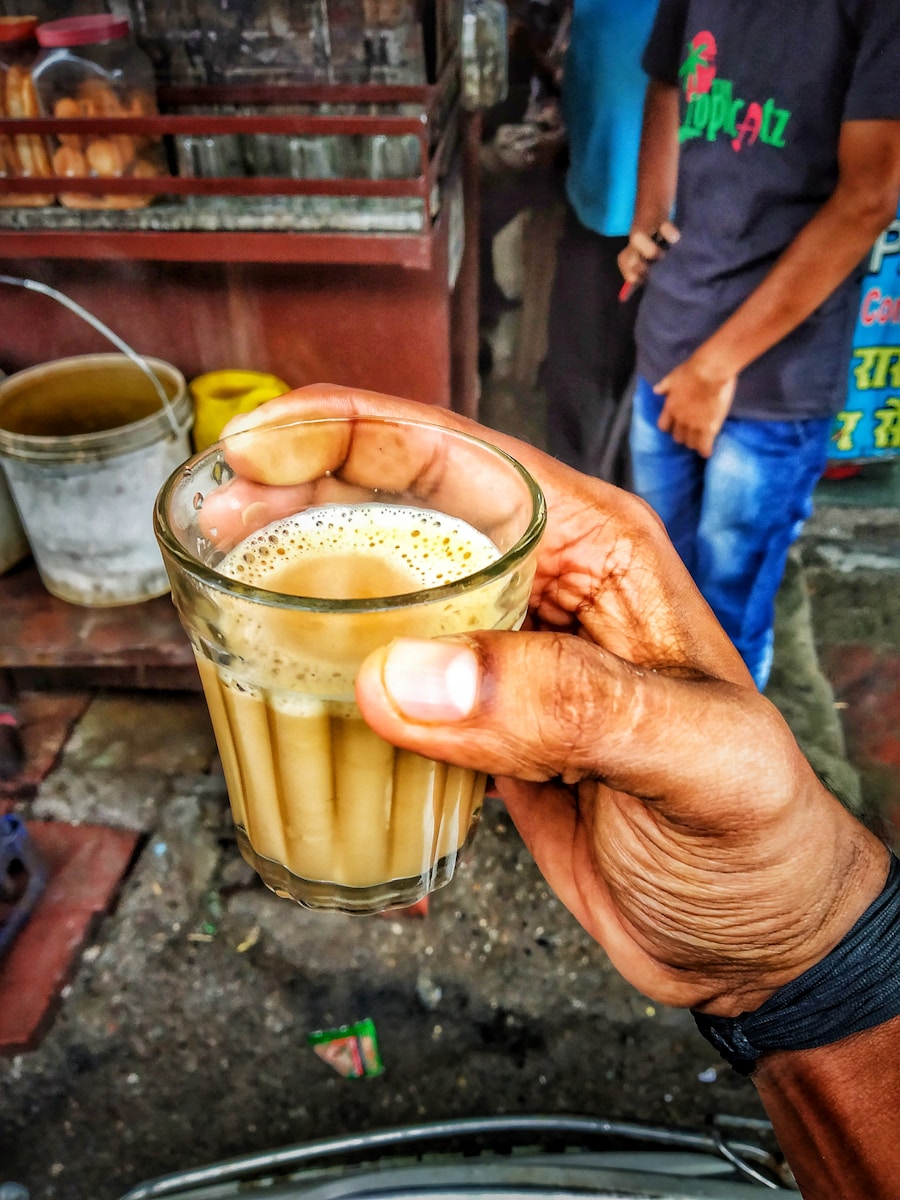
Brewing the perfect cup of masala chai is both an art and a science, requiring attention to detail and an understanding of how each ingredient interacts with one another. To begin, gather your ingredients: water, black tea leaves, milk (whole or evaporated), sugar (or sweetener of choice), and your selection of spices. A typical recipe might call for one cup of water, one cup of milk, two teaspoons of black tea leaves, and a combination of spices according to personal preference.
Start by boiling the water in a saucepan over medium heat. Once it reaches a rolling boil, add the black tea leaves and your chosen spices. Allow this mixture to simmer for about five minutes; this step is crucial as it allows the flavors to meld together.
After simmering, add the milk and sugar to taste. Bring the mixture back to a boil while stirring gently to ensure that the tea leaves and spices are evenly distributed throughout the liquid. Once it reaches a boil again, reduce the heat and let it simmer for an additional two to three minutes.
Finally, strain the chai into cups using a fine mesh strainer to remove the tea leaves and spices. Serve hot and enjoy the aromatic experience that is masala chai.
Variations of Masala Chai: From Street Vendors to High-End Cafes, How Different Regions and Cultures Enjoy Their Spiced Tea
Masala chai is not just a single recipe; it is a canvas upon which countless variations are painted across India and beyond. Street vendors, known as “chai wallahs,” serve their own unique versions of masala chai that reflect local tastes and preferences. In bustling markets and busy street corners, you might find vendors adding a touch of mint or lemongrass for a refreshing twist or using jaggery instead of sugar for a deeper sweetness.
These variations often come with their own stories and traditions, making each cup a reflection of its surroundings. In contrast, high-end cafes have embraced masala chai by elevating its presentation and ingredients. Some establishments may use artisanal teas sourced from specific regions or incorporate exotic spices like saffron or vanilla bean for an upscale experience.
Additionally, modern interpretations may include cold brews or chai lattes made with oat or almond milk, catering to contemporary dietary preferences while still honoring the essence of traditional masala chai. This adaptability has allowed masala chai to maintain its relevance in an ever-evolving culinary landscape while still being cherished as a comforting staple in homes across India.
Health Benefits of Masala Chai: Discover the Wellness Properties of the Spices and Tea in This Traditional Drink
Beyond its delightful taste and aroma, masala chai offers numerous health benefits attributed to its key ingredients. The black tea base is rich in antioxidants known as polyphenols, which help combat oxidative stress in the body. These antioxidants can contribute to improved heart health by reducing cholesterol levels and promoting better circulation.
Additionally, black tea has been linked to enhanced mental alertness due to its caffeine content, making it an excellent choice for those seeking an energy boost. The spices used in masala chai also pack a powerful punch when it comes to health benefits. Ginger is renowned for its anti-inflammatory properties and can aid digestion while alleviating nausea.
Cardamom is known for its ability to freshen breath and may even help regulate blood pressure. Cinnamon has been shown to have anti-diabetic effects by improving insulin sensitivity, while cloves are rich in eugenol, which has analgesic properties. Black pepper enhances nutrient absorption and adds a touch of heat that can aid digestion as well.
Together, these ingredients create not only a flavorful beverage but also one that supports overall wellness.
Masala Chai Recipes: Creative Ways to Enjoy and Experiment with India’s Spiced Tea at Home
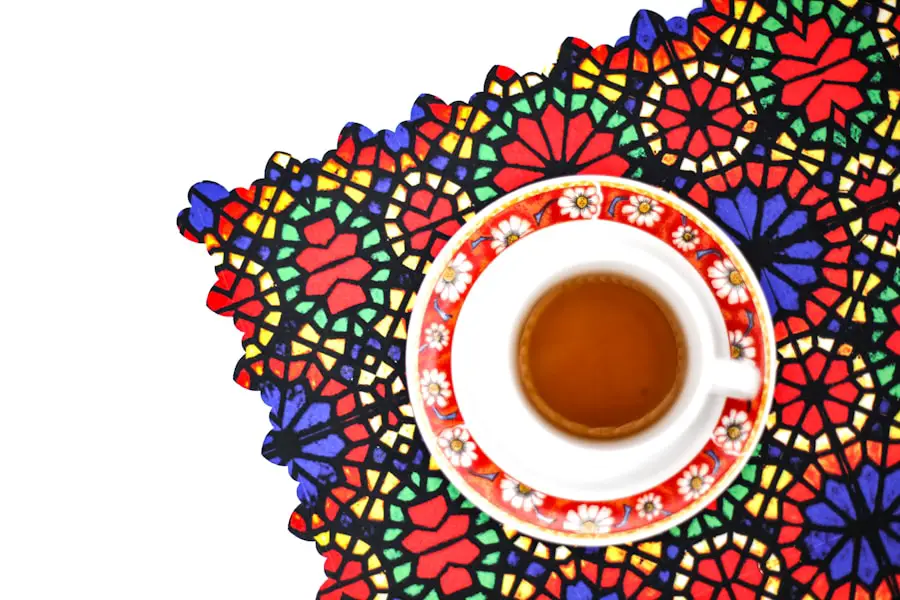
Exploring Adventurous Flavors
For those looking to explore more adventurous flavors, consider creating a “spiced chai smoothie.” Blend brewed masala chai with yogurt or plant-based milk, banana, and ice for a refreshing drink that retains all the warmth of traditional chai while offering a cool twist perfect for warmer days. Alternatively, you can infuse your masala chai with seasonal ingredients like pumpkin puree during fall or fresh berries in summer for unique flavor combinations that celebrate the changing seasons.
A Cultural Tapestry
Experimenting with masala chai opens up endless possibilities for creativity while honoring its traditional roots. Whether you stick to classic recipes or venture into innovative territory, each cup serves as a reminder of the rich cultural tapestry that masala chai represents—a drink that has journeyed through time and continues to evolve while remaining deeply cherished across generations.
If you’re a fan of flavorful sips like Masala Chai, you may also enjoy learning about the delicious Pan Bagnat, a French tuna salad sandwich. This article from Flavorful Sips provides a guide to creating this classic dish that is sure to satisfy your taste buds. Explore more culinary delights like Crispy Salmon with Corn Blackberry Shishito Salad or The Best Fried Chicken Recipe Ever on the same website for a full culinary experience.
FAQs
What is Masala Chai?
Masala Chai is a traditional Indian spiced tea that is made by brewing black tea with a mixture of aromatic spices and herbs. It is known for its rich, creamy, and flavorful taste.
What are the common spices used in Masala Chai?
The common spices used in Masala Chai include ginger, cardamom, cinnamon, cloves, and black pepper. Some variations may also include star anise, fennel seeds, and nutmeg.
How is Masala Chai traditionally prepared?
To prepare Masala Chai, the spices are first crushed or ground and then simmered with water, milk, and black tea leaves. The mixture is then strained and sweetened with sugar or honey before serving.
What are the health benefits of Masala Chai?
Masala Chai is believed to have several health benefits due to the presence of spices like ginger, cardamom, and cloves. These spices are known for their anti-inflammatory, digestive, and antioxidant properties.
Is Masala Chai caffeinated?
Yes, Masala Chai is caffeinated as it is made with black tea leaves. The caffeine content in Masala Chai can vary depending on the strength of the tea used.
Can Masala Chai be made without dairy milk?
Yes, Masala Chai can be made with non-dairy milk alternatives such as almond milk, soy milk, or coconut milk for those who are lactose intolerant or prefer a vegan option.