

Kallu, often referred to as palm wine, has a rich and storied history that dates back thousands of years. Its origins can be traced to the tropical regions of Southeast Asia and Africa, where the sap of various palm trees has been harvested for consumption. In Kerala, India, kallu has been an integral part of local culture and tradition, serving not only as a beverage but also as a symbol of community and celebration.
Historical texts and archaeological findings suggest that the practice of tapping palm trees for their sap may have begun as early as 3000 BCE. Ancient civilizations recognized the nutritional value and intoxicating properties of kallu, leading to its widespread use in rituals, festivals, and social gatherings. As time progressed, kallu evolved from a local delicacy to a beverage enjoyed by various communities across the globe.
In Kerala, it became particularly popular among the agricultural communities who relied on the sap for sustenance during labor-intensive periods. The drink was often consumed fresh, with its sweet and slightly tangy flavor appealing to many. Over centuries, kallu has been mentioned in various literary works, folklore, and oral traditions, highlighting its significance in the daily lives of people.
Key Takeaways
- Kallu has a long history in Kerala, dating back to ancient times as a traditional beverage.
- The making of Kallu involves tapping sap from palm trees and fermenting it to create the alcoholic drink.
- Kallu holds cultural significance in Kerala, often being used in religious rituals and social gatherings.
- While Kallu offers health benefits such as being rich in nutrients, it also poses risks when consumed in excess.
- In the modern world, Kallu faces challenges such as competition from other beverages, but also opportunities for innovation and marketing.
- Efforts are being made to preserve Kallu heritage through initiatives to protect and promote Kerala’s palm wine legacy.
The Making of Kallu: From Palm Trees to Fermentation
The Tapping Process
Skilled tappers make precise incisions in the flower buds of the palm tree, allowing the sap to flow into containers placed below. This sap is collected early in the morning and again in the evening, ensuring that it remains fresh and sweet.
Natural Fermentation
Once collected, the sap undergoes a natural fermentation process that transforms it into kallu. The fermentation occurs due to the presence of wild yeast and bacteria in the environment, which convert the sugars in the sap into alcohol. This process can take anywhere from a few hours to a couple of days, depending on environmental conditions such as temperature and humidity.
Unique Flavor Profile
The resulting beverage is typically low in alcohol content when consumed fresh but can become stronger if left to ferment for longer periods. The flavor profile of kallu varies based on factors such as the type of palm used, the time of harvest, and the fermentation duration, making each batch unique.
The Cultural Significance of Kallu in Kerala
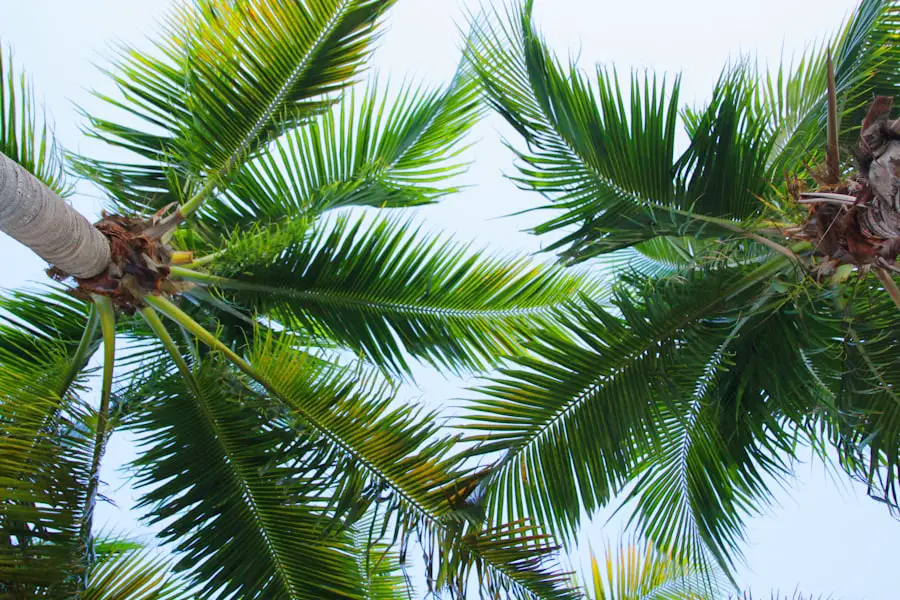
In Kerala, kallu is more than just a drink; it is woven into the very fabric of social life and cultural identity. Traditionally consumed during festivals, weddings, and communal gatherings, kallu serves as a catalyst for social interaction and bonding among community members. It is often accompanied by local delicacies such as spicy fish curry or fried snacks, enhancing the overall culinary experience.
The act of sharing kallu fosters camaraderie and strengthens relationships within families and communities. Moreover, kallu holds a special place in various cultural rituals and ceremonies. For instance, during harvest festivals like Onam, kallu is often featured prominently in feasts known as “Onam Sadhya.” This celebration not only marks the agricultural bounty but also reinforces cultural heritage through shared meals and traditional practices.
Additionally, kallu is sometimes used in religious offerings and rituals, symbolizing abundance and prosperity. Its presence in these significant events underscores its role as a cultural emblem that transcends mere consumption.
Kallu and Health: Benefits and Risks of Consuming Palm Wine
The health implications of consuming kallu are multifaceted, encompassing both potential benefits and risks. On one hand, kallu is often lauded for its nutritional content. It is rich in vitamins such as B-complex vitamins, which play a crucial role in energy metabolism and overall health.
Additionally, kallu contains minerals like potassium, magnesium, and calcium, contributing to hydration and electrolyte balance. Some proponents argue that moderate consumption can aid digestion due to its probiotic properties resulting from fermentation. However, it is essential to approach kallu with caution due to its alcoholic content.
While fresh kallu may have a lower alcohol concentration compared to other alcoholic beverages, prolonged fermentation can lead to higher levels of alcohol that may pose health risks if consumed excessively. Furthermore, improper handling or storage can lead to contamination with harmful bacteria or toxins, potentially resulting in foodborne illnesses. Therefore, while kallu can be enjoyed responsibly as part of a balanced diet, awareness of its risks is crucial for ensuring safe consumption.
Kallu in the Modern World: Challenges and Opportunities
In recent years, kallu has faced numerous challenges that threaten its traditional production methods and cultural significance. Urbanization and modernization have led to a decline in palm cultivation as land is repurposed for development projects or other agricultural practices. This shift has resulted in fewer skilled tappers available to continue the age-old tradition of harvesting sap from palm trees.
Additionally, changing consumer preferences towards commercially produced alcoholic beverages have further marginalized kallu in contemporary society. Despite these challenges, there are also opportunities for revitalizing interest in kallu both locally and globally.
Entrepreneurs are beginning to explore innovative ways to market kallu as a unique cultural product that embodies Kerala’s heritage. Initiatives aimed at promoting sustainable palm cultivation practices can also help preserve this vital resource while supporting local economies. By leveraging modern marketing strategies alongside traditional practices, there is potential for kallu to regain its prominence in both local markets and international arenas.
Preserving Kallu Heritage: Efforts to Protect and Promote Kerala’s Palm Wine Legacy

Recognizing the cultural significance of kallu, various organizations and community groups have initiated efforts to preserve this heritage for future generations. These initiatives often focus on educating younger generations about the traditional methods of tapping palm trees and producing kallu. Workshops and training programs are being organized to equip aspiring tappers with the necessary skills while fostering an appreciation for this age-old craft.
Moreover, there are ongoing efforts to document the history and cultural practices associated with kallu through research projects and community storytelling initiatives. By archiving oral histories and traditional knowledge related to kallu production, these projects aim to create a comprehensive understanding of its significance within Kerala’s cultural landscape. Additionally, collaborations between local artisans and tourism boards are being explored to promote kallu as part of Kerala’s rich culinary tourism offerings.
Such initiatives not only help preserve the legacy of kallu but also contribute to sustainable economic development by attracting visitors interested in authentic cultural experiences. Through these concerted efforts, there is hope that kallu will continue to thrive as a cherished aspect of Kerala’s identity while adapting to modern challenges. As communities come together to celebrate their heritage and share their stories, kallu remains a testament to resilience—a drink that embodies both tradition and innovation in an ever-changing world.
If you enjoyed reading about Kallu Kick: Kerala’s Palm Wine Legacy, you may also be interested in learning about a delicious recipe for Creamy Gorgonzola Farfalle with Apples and Pecans. This flavorful dish combines creamy gorgonzola cheese with sweet apples and crunchy pecans for a unique and satisfying meal. Check out the recipe here for a tasty culinary experience.
FAQs
What is Kallu Kick?
Kallu Kick refers to the traditional palm wine that is popular in the state of Kerala, India. It is a natural alcoholic beverage made from the sap of coconut palms.
How is Kallu made?
Kallu is made by tapping the sap from the flower buds of coconut palms. The sap is collected in earthen pots and left to ferment naturally, resulting in a mildly alcoholic beverage.
What is the significance of Kallu in Kerala’s culture?
Kallu has been a part of Kerala’s culture for centuries and is often associated with social gatherings, festivals, and traditional rituals. It holds a special place in the hearts of the local community.
Is Kallu legal in Kerala?
The production and sale of Kallu is legal in Kerala, but there are regulations in place to ensure its quality and safety for consumption.
What are the health benefits of Kallu?
Kallu is believed to have certain health benefits, including being rich in vitamins and minerals. However, it should be consumed in moderation, as excessive alcohol consumption can have negative effects on health.
How is Kallu served and consumed?
Kallu is typically served fresh and consumed within a few hours of being tapped. It is often enjoyed in traditional coconut shell cups and pairs well with local cuisine.