

Caramel has a rich and storied history that dates back to ancient civilizations. The earliest known use of sugar can be traced to the Indian subcontinent, where sugarcane was cultivated around 500 AD. The process of boiling sugar to create a syrupy substance likely led to the first forms of caramel.
However, it wasn’t until the 17th century that the term “caramel” began to appear in European culinary texts. The word itself is believed to have originated from the Spanish “caramelo,” which is derived from the Latin “canna,” meaning sugar cane. This evolution reflects the journey of caramel from a simple sweetener to a beloved confection.
As sugar became more accessible in Europe, particularly after the establishment of sugar plantations in the Caribbean, the art of making caramel evolved. By the 18th century, recipes for caramel candies began to emerge, showcasing various techniques for creating this delectable treat. The introduction of milk and cream into caramel recipes marked a significant turning point, leading to the creation of creamy caramels that are now a staple in many desserts.
The industrial revolution further propelled caramel into the mainstream, with mass production techniques allowing for the widespread availability of caramel candies, sauces, and desserts.
Key Takeaways
- Caramel has a rich history dating back to ancient times, with evidence of its use in various cultures around the world.
- The art of making caramel involves precise techniques and tips for success, including controlling the temperature and using the right ingredients.
- Caramel can be used in a variety of culinary delights, from sauces and candies to desserts and baked goods, adding a rich and sweet flavor.
- Surprisingly, caramel has some nutritional advantages, including being a good source of energy and containing small amounts of vitamins and minerals.
- Different cultures around the world enjoy caramel in various forms, from flan in Latin America to salted caramel in Europe and the United States.
The Art of Making Caramel: Techniques and Tips for Success
Creating caramel is both an art and a science, requiring precision and attention to detail. The fundamental technique involves heating sugar until it melts and turns into a golden-brown liquid. This process, known as caramelization, occurs at temperatures between 320°F and 350°F (160°C to 180°C).
One of the most critical aspects of making caramel is ensuring that the sugar is heated evenly to prevent burning. Using a heavy-bottomed saucepan can help distribute heat more uniformly, reducing the risk of hot spots that can lead to scorched sugar. There are several methods for making caramel, including dry and wet techniques.
The dry method involves melting granulated sugar directly in a pan without any added liquid, while the wet method incorporates water or other liquids to dissolve the sugar before heating. Each method has its advantages; for instance, the wet method can be more forgiving for beginners, as it reduces the likelihood of burning. Regardless of the technique chosen, patience is essential.
Caramel requires constant monitoring and gentle swirling to ensure even melting and prevent crystallization. Once the desired color is achieved, adding cream or butter must be done carefully, as the mixture will bubble vigorously.
Caramel in Culinary Delights: Recipes and Ideas for Using Caramel in Cooking and Baking
Caramel’s versatility makes it an ideal ingredient in a wide array of culinary creations. One classic application is in desserts such as flan or crème brûlée, where caramel serves as a rich topping or base that adds depth and flavor. For instance, a traditional flan features a layer of caramelized sugar that hardens into a glossy shell, providing a delightful contrast to the creamy custard beneath.
Similarly, in crème brûlée, a layer of caramelized sugar is torched to create a crisp topping that complements the smooth vanilla custard. Beyond traditional desserts, caramel can elevate savory dishes as well. A prime example is caramelized onions, which are created by slowly cooking onions in butter until they turn golden brown and sweet.
This technique enhances the natural sugars in onions and adds complexity to dishes like French onion soup or gourmet burgers. Additionally, caramel can be used in sauces to drizzle over roasted vegetables or meats, providing a sweet and savory balance that enhances flavors.
Health Benefits of Caramel: Surprising Nutritional Advantages
| Nutrient | Amount |
|---|---|
| Calories | 52 per tablespoon |
| Fat | 0g |
| Carbohydrates | 13g |
| Sugar | 12g |
| Protein | 0g |
| Vitamin E | 0.1mg (1% DV) |
| Vitamin K | 0.4mcg (0% DV) |
| Calcium | 12mg (1% DV) |
| Iron | 0.1mg (1% DV) |
While caramel is often viewed as an indulgent treat, it does offer some surprising health benefits when consumed in moderation. One notable advantage is its potential as an energy source. Caramel is primarily composed of sugar, which provides a quick source of energy for the body.
This can be particularly beneficial for athletes or individuals needing an energy boost during physical activity. Additionally, certain types of caramel made with natural ingredients may contain trace amounts of minerals such as calcium and potassium, which are essential for maintaining overall health. Moreover, when made with high-quality ingredients like organic butter or cream, caramel can provide some nutritional value beyond mere calories.
For instance, butter contains fat-soluble vitamins such as A, D, E, and K, which play vital roles in various bodily functions. Furthermore, using natural sweeteners like honey or maple syrup in place of refined sugar can enhance the nutritional profile of homemade caramel sauces or candies. These alternatives often contain antioxidants and other beneficial compounds that contribute positively to health when enjoyed as part of a balanced diet.
Caramel Around the World: How Different Cultures Enjoy this Sweet Treat
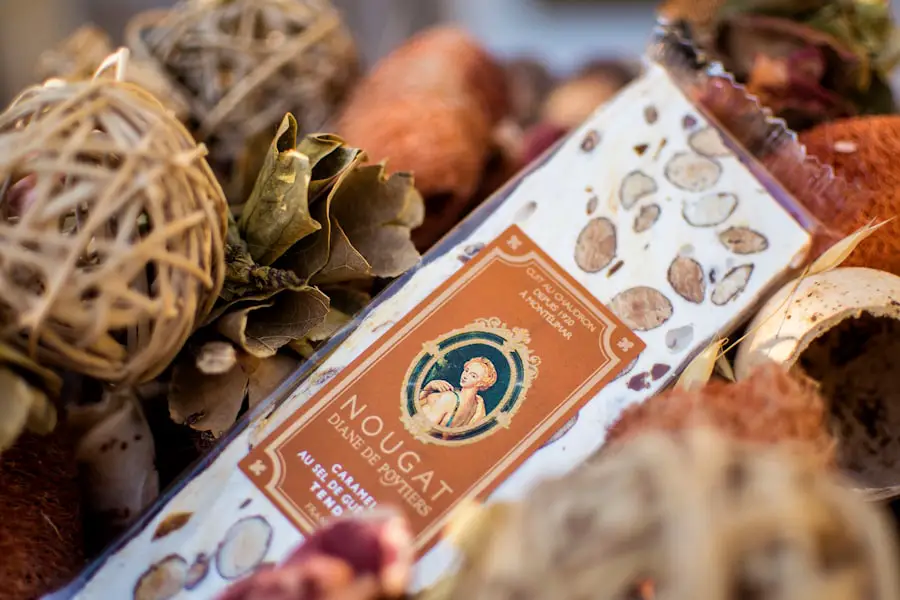
Caramel’s appeal transcends cultural boundaries, with various countries incorporating it into their culinary traditions in unique ways. In France, for example, “caramel au beurre salé” (salted butter caramel) has become a beloved delicacy. This version combines sweet caramel with salted butter, creating a rich flavor profile that has gained international acclaim.
It is often used as a filling for pastries or drizzled over desserts like ice cream and tarts. In Latin America, dulce de leche is a popular treat that shares similarities with caramel but is made by slowly heating sweetened milk until it thickens and turns a deep brown color. This creamy confection is used in various desserts such as alfajores (sandwich cookies) and tres leches cake.
In contrast, in Japan, “karameru” refers to a type of candy that often incorporates flavors like matcha or yuzu, showcasing how local ingredients can influence traditional caramel recipes.
Caramel in Popular Culture: Its Influence on Movies, Music, and Literature

Caramel has made its mark on popular culture through various forms of media, often symbolizing indulgence and comfort.
For instance, movies like “Willy Wonka & the Chocolate Factory” showcase fantastical candy creations that include caramel elements, capturing the imagination of audiences young and old alike.
In literature, authors have used caramel as a metaphor for sweetness and temptation. The imagery associated with caramel often conveys warmth and comfort, making it a popular choice for writers seeking to evoke sensory experiences in their narratives. Additionally, musicians have referenced caramel in songs to symbolize love or desire; its rich flavor serves as an apt metaphor for deep emotional connections.
Caramel in Art and Design: How this Sweet Flavor Inspires Creativity
The allure of caramel extends beyond culinary applications into the realms of art and design. Artists have drawn inspiration from its rich color palette—golden browns and deep ambers—creating works that evoke warmth and nostalgia. In contemporary art installations, edible materials like caramel have been used to explore themes of consumption and impermanence, challenging viewers’ perceptions of food as art.
In design, caramel’s warm hues have influenced interior decor trends, with shades reminiscent of caramel appearing in textiles and color palettes for homes and restaurants alike. The inviting nature of these colors creates a sense of comfort and coziness that resonates with people seeking warmth in their living spaces. Additionally, packaging design for confectionery products often utilizes caramel-inspired colors to evoke feelings of indulgence and luxury.
Caramel Pairings: The Best Foods and Drinks to Enjoy with Caramel
The versatility of caramel allows it to pair beautifully with a wide range of foods and beverages. One classic combination is caramel with apples; the crispness of fresh apples contrasts delightfully with the smooth sweetness of caramel sauce. This pairing is especially popular during autumn when apple orchards are abundant.
In addition to fruits, caramel complements various nuts such as pecans or almonds; their crunchiness adds texture to desserts like turtle candies or nut-topped brownies drizzled with caramel sauce. When it comes to beverages, coffee lovers often enjoy caramel-flavored lattes or macchiatos; the sweetness balances the bitterness of coffee while adding depth to its flavor profile. Chocolate is another beloved companion for caramel; whether it’s in chocolate-covered caramels or layered desserts like chocolate torte with salted caramel sauce, this combination never fails to delight palates.
Furthermore, pairing caramel with savory elements like cheese can create intriguing flavor contrasts; for example, drizzling aged cheddar with a touch of caramel can elevate cheese boards into gourmet experiences. In conclusion, caramel’s journey from ancient times to modern culinary applications showcases its enduring appeal across cultures and generations. Its versatility allows it to shine in both sweet and savory dishes while inspiring creativity in art and design.
Whether enjoyed on its own or paired with complementary flavors, caramel continues to be a beloved treat that captivates taste buds worldwide.
If you’re a fan of sweet treats like caramel, you may also enjoy trying out this chocolate strawberry layer cake recipe that combines rich chocolate with fresh strawberries for a decadent dessert.
FAQs
What is caramel?
Caramel is a confectionery product made by heating sugar at a high temperature until it melts and turns into a golden-brown liquid. It is commonly used as a flavoring in desserts and candies.
How is caramel made?
Caramel is made by heating sugar in a saucepan until it melts and turns into a golden-brown liquid. Sometimes, butter and cream are added to create a smooth and creamy texture.
What are the different types of caramel?
There are several types of caramel, including soft caramel, hard caramel, caramel sauce, and caramel candies. Each type has a different texture and flavor profile.
What are some popular uses for caramel?
Caramel is commonly used as a flavoring in desserts such as cakes, cookies, and ice cream. It is also used to make candies, sauces, and toppings for various sweet treats.
Is caramel the same as butterscotch?
No, caramel and butterscotch are not the same. Caramel is made by heating sugar, while butterscotch is made with brown sugar and butter, giving it a different flavor profile.
Is caramel gluten-free?
Pure caramel made from sugar, butter, and cream is gluten-free. However, some commercially made caramel products may contain gluten as an additive, so it’s important to check the ingredients.