

Panettone, a sweet bread loaf with origins in Italy, has a rich history that dates back to the Roman Empire. While its exact beginnings are somewhat obscured by time, it is widely believed that the treat evolved from earlier forms of bread made with honey and dried fruits. The name “panettone” itself is derived from the Italian word “pane,” meaning bread, with the suffix “-tone” suggesting a large size. The modern version of panettone as we know it today began to take shape in Milan during the 15th century. It is said that a nobleman named Ludovico il Moro commissioned a baker to create a special dessert for Christmas, leading to the creation of the first panettone.
Over the centuries, panettone became associated with Christmas celebrations in Italy, particularly in the northern regions. Its popularity surged in the 19th century when it was mass-produced and sold in bakeries across the country. The treat’s rise was further fueled by Italian immigrants who brought their culinary traditions to various parts of the world, particularly to the United States and South America. Today, panettone is enjoyed not only in Italy but also globally, becoming a symbol of festive gatherings and holiday cheer.
If you’re looking to complement your holiday celebrations with a delightful dish, consider pairing your Panettone with a savory option like lemon and herb roasted chicken. This dish not only enhances the festive spirit but also balances the sweetness of the Panettone. For a detailed recipe, check out this related article on flavorful sips: Lemon and Herb Roasted Chicken.
Key Takeaways
- Panettone originated in Italy and has become a beloved holiday treat worldwide with rich cultural traditions.
- Its light, fluffy texture and distinctive flavor come from unique ingredients and a special baking process.
- There are many varieties of panettone, ranging from classic fruit-filled to modern versions with chocolate and cream.
- Pairing panettone with the right wines enhances its flavors, making it perfect for festive gatherings.
- Panettone holds a special place in Italian holiday culture and can be enjoyed in various ways, including homemade recipes.
What Makes Panettone Special
The unique characteristics of panettone stem from its specific ingredients and meticulous baking process. Traditional panettone is made with high-quality flour, sugar, eggs, butter, and natural yeast, which contribute to its distinctive light and airy texture. The use of natural yeast, or sourdough starter, is crucial as it allows for a slow fermentation process that enhances the flavor and texture of the bread. This method requires patience and skill, as the dough must be kneaded and left to rise multiple times before baking.
The addition of candied fruits, such as orange and lemon peel, along with raisins or sultanas, adds a burst of flavor that complements the sweet bread. The balance between the rich buttery taste and the fruity notes creates a harmonious blend that is both satisfying and indulgent. The baking process itself is also essential; panettone is typically baked in tall molds that allow it to rise high, resulting in its signature dome shape. This combination of quality ingredients and careful preparation is what sets panettone apart from other holiday treats.
Varieties of Panettone
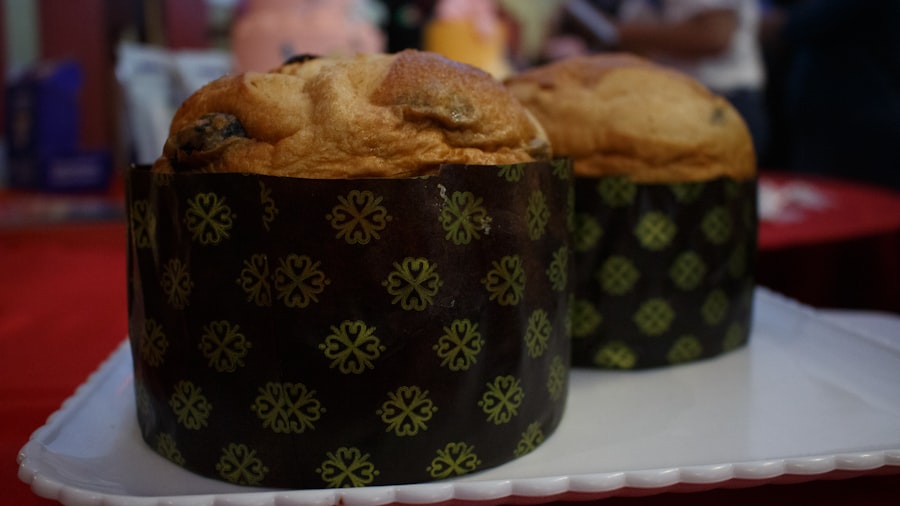
While traditional panettone is often filled with candied fruits and raisins, numerous variations have emerged over time to cater to diverse palates. One popular alternative is chocolate panettone, which incorporates chunks of dark or milk chocolate into the dough, providing a rich and decadent twist on the classic recipe. This version appeals to chocolate lovers and has gained significant traction in recent years.
In addition to chocolate, modern bakers have experimented with flavors such as pistachio, tiramisu, and even savory options that include cheese or herbs. These innovative takes on panettone reflect contemporary culinary trends while still honoring the traditional roots of this beloved Italian treat. As a result, consumers can find an array of choices that range from classic to avant-garde, making panettone a versatile dessert suitable for various occasions.
Pairing Panettone with Wine
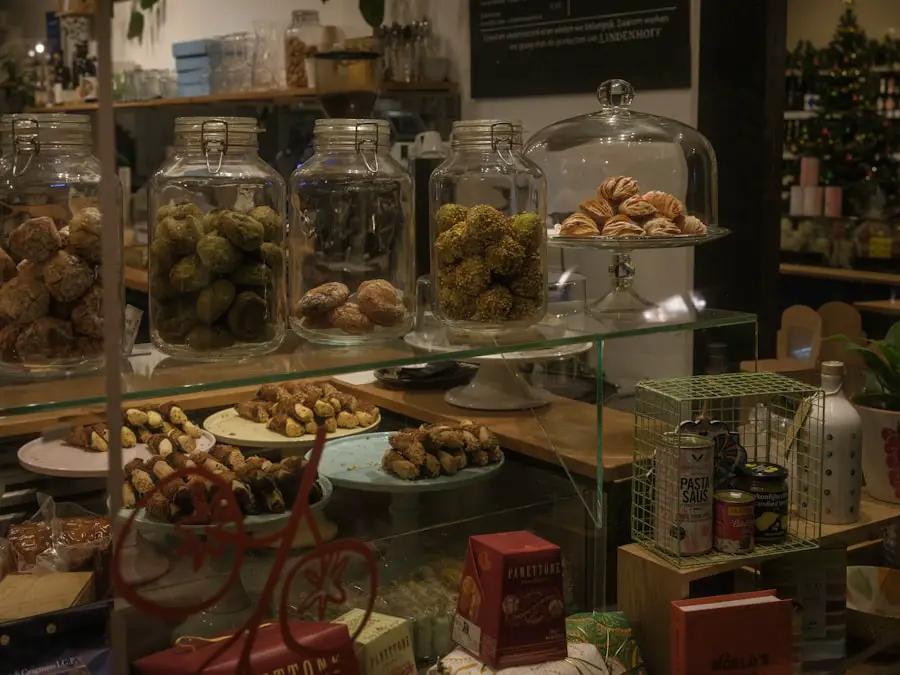
Pairing panettone with wine can elevate the experience of enjoying this festive treat. The sweetness and complexity of panettone call for wines that can complement its flavors without overwhelming them. A popular choice is Vin Santo, a traditional Italian dessert wine that offers notes of dried fruit and honey, harmonizing beautifully with the fruity elements of panettone. The wine’s acidity balances the richness of the bread, creating a delightful pairing.
Another excellent option is Prosecco, which provides a refreshing contrast to the dense texture of panettone. The bubbles in Prosecco cleanse the palate between bites, enhancing the overall tasting experience. For those who prefer red wine, a light-bodied option like Lambrusco can work well, especially if you are enjoying a chocolate-filled version of panettone. Ultimately, the key to successful pairing lies in balancing flavors and textures to create a memorable holiday gathering.
Panettone, the beloved Italian sweet bread, is often enjoyed during the festive season, but its delightful flavors can inspire various culinary creations year-round. For those looking to explore unique and wholesome recipes, a great option is a Southwestern quinoa salad that combines vibrant ingredients and robust flavors. You can find the recipe in this
Some people enjoy it plain, while others prefer to toast it lightly and spread a layer of butter or mascarpone cheese on top for added indulgence. This method enhances the flavors and adds a creamy element that complements the sweetness of the bread.
For those looking to incorporate panettone into a more elaborate dessert presentation, it can be used as a base for trifles or layered desserts. Crumbled pieces can be combined with custard, whipped cream, and fresh fruit for a visually appealing and delicious treat. Regardless of how it is served, panettone remains a versatile dessert that can be enjoyed in various ways throughout the holiday season.
Panettone, the beloved Italian sweet bread, often finds itself paired with various delightful dishes during the festive season. One such complementary recipe is a warm salad that brings together the earthy flavors of squash and chickpeas, creating a perfect balance to the rich sweetness of panettone. If you’re interested in exploring this unique combination, you can check out the article on a delicious warm squash chickpea salad that features tahini, which can serve as a wonderful side to your holiday dessert.
Panettone in Italian Culture
In Italy, panettone holds significant cultural importance during the Christmas season. It is often gifted among family and friends as a gesture of goodwill and celebration. Many families have their own recipes passed down through generations, making the preparation of panettone a cherished tradition that brings loved ones together during the holidays. The act of sharing this sweet bread symbolizes unity and joy during festive gatherings.
Moreover, panettone has become an integral part of Italian holiday meals. It is commonly served alongside coffee or dessert wines after Christmas dinner, allowing families to extend their celebrations into the evening.
In some regions, it is customary to enjoy panettone on New Year’s Day as well, further solidifying its status as a beloved holiday staple.
Making Panettone at Home
For those interested in bringing the tradition of panettone into their own kitchens, making it from scratch can be a rewarding experience. While it requires time and patience due to its lengthy fermentation process, many home bakers find joy in crafting this iconic treat. To start, one must gather high-quality ingredients such as flour, eggs, butter, sugar, and natural yeast or sourdough starter.
The process typically involves creating a starter dough that ferments overnight before being mixed with additional ingredients to form the final dough. Kneading is essential to develop gluten structure, which contributes to the bread’s lightness. After several rises and careful shaping into molds, baking completes the transformation into a golden-brown loaf. While making panettone at home can be challenging, it allows bakers to customize flavors and create unique variations that reflect personal tastes.
Where to Find the Best Panettone
Finding high-quality panettone can enhance one’s holiday experience significantly. Many artisanal bakeries in Italy produce traditional versions using time-honored recipes and techniques. These bakeries often prioritize quality ingredients and craftsmanship over mass production, resulting in superior flavor and texture. For those outside Italy, specialty shops or gourmet grocery stores may carry imported options from renowned Italian brands.
Additionally, local bakeries may offer their own interpretations of panettone, showcasing regional flavors or innovative twists on the classic recipe. Exploring these options can lead to delightful discoveries and unique variations that cater to individual preferences. Whether seeking traditional or modern takes on this beloved treat, there are numerous avenues for finding exceptional panettone during the holiday season.
FAQs
What is Panettone?
Panettone is a traditional Italian sweet bread loaf, typically enjoyed during Christmas and New Year. It is known for its tall, dome-shaped appearance and is usually filled with candied fruits, raisins, and sometimes chocolate or nuts.
Where does Panettone originate from?
Panettone originates from Milan, Italy. It has been a popular holiday treat in Italian culture for centuries and has since gained international recognition.
What are the main ingredients of Panettone?
The main ingredients of Panettone include flour, sugar, eggs, butter, natural yeast or sourdough starter, candied orange peel, raisins, and sometimes lemon zest or vanilla for flavor.
How is Panettone traditionally made?
Panettone is traditionally made through a long fermentation process using natural yeast or sourdough, which gives it a light and airy texture. The dough is carefully kneaded and allowed to rise multiple times before being baked in a tall, cylindrical mold.
How should Panettone be stored to maintain freshness?
Panettone should be stored in an airtight container or wrapped tightly in plastic wrap to keep it moist. It is best kept at room temperature and consumed within a week, although it can also be frozen for longer storage.