

The art of cake making has a rich and varied history that dates back to ancient civilizations. The earliest cakes were not the sweet, fluffy confections we know today but rather bread-like creations made from grains and sweetened with honey. The ancient Egyptians are credited with some of the first documented instances of cake-like baked goods, which were often used in religious ceremonies and celebrations.
These early cakes were dense and heavy, often flavored with nuts and dried fruits, reflecting the ingredients available at the time. As civilizations evolved, so did the concept of cake, with the Greeks and Romans contributing their own variations, including the use of eggs and milk to create a lighter texture. The Middle Ages saw significant advancements in cake making, particularly in Europe.
The introduction of refined sugar from the Middle East transformed cakes into sweeter delicacies. By the 15th century, cakes began to resemble what we recognize today, with the emergence of fruitcakes and spiced cakes that were often served at weddings and other significant events. The invention of baking powder in the 19th century marked a turning point in cake making, allowing for lighter and fluffier cakes.
This period also saw the rise of specialized cake shops and bakeries, making cakes more accessible to the general public. As technology advanced, so did baking techniques, leading to the diverse array of cakes we enjoy in modern times.
Key Takeaways
- Cake making has a long history, dating back to ancient times, and has evolved into the modern day with various techniques and flavor combinations.
- Essential tools and ingredients such as a mixer, cake pans, flour, sugar, and leavening agents are crucial for successful cake making.
- Understanding the science behind baking, including the chemistry of cakes, can help improve the quality of your baked goods.
- Mastering different cake making techniques, such as buttercream and fondant, can elevate the presentation of your cakes.
- Exploring flavor combinations and creative cake designs can add a unique and personal touch to your baked creations.
Essential Tools and Ingredients for Successful Cake Making
To embark on a successful cake-making journey, one must be equipped with the right tools and ingredients. Essential tools include mixing bowls, measuring cups and spoons, a whisk or electric mixer, and a set of baking pans in various sizes. A good quality spatula is crucial for folding ingredients together without deflating the batter, while a cooling rack allows cakes to cool evenly after baking.
Additionally, a kitchen scale can be invaluable for precise measurements, especially in recipes that require accuracy for optimal results. When it comes to ingredients, flour is the backbone of any cake recipe, with all-purpose flour being the most commonly used. However, specialty flours like cake flour can yield a lighter texture due to its lower protein content.
Sugar not only sweetens but also contributes to the cake’s structure and moisture. Eggs play a vital role in binding ingredients together and adding richness. Other key ingredients include butter or oil for moisture and flavor, baking powder or baking soda as leavening agents, and milk or other liquids to achieve the desired consistency.
Flavorings such as vanilla extract or cocoa powder can elevate a cake’s taste profile, while add-ins like nuts or chocolate chips can provide delightful surprises in every bite.
The Science Behind Baking: Understanding the Chemistry of Cakes
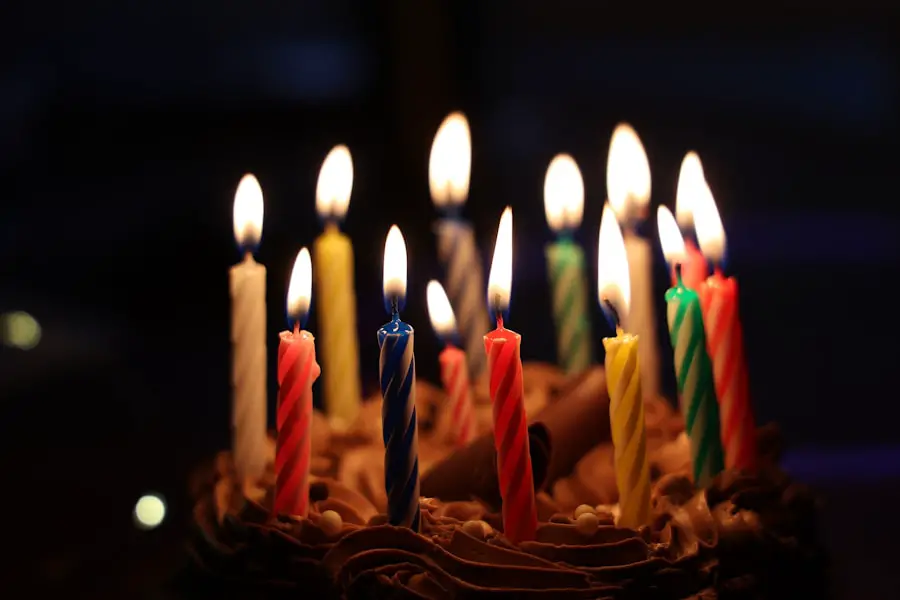
Baking is as much a science as it is an art, with chemical reactions playing a crucial role in transforming raw ingredients into a delicious cake. When flour is mixed with liquid, gluten begins to develop, creating a network that gives structure to the cake. The balance between flour and liquid is essential; too much flour can lead to a dry cake, while too little can result in a dense texture.
The role of leavening agents cannot be overstated; baking powder and baking soda release carbon dioxide when activated by moisture and heat, causing the batter to rise and creating that light, airy texture we associate with cakes. Another important aspect of cake chemistry is the Maillard reaction, which occurs when sugars and proteins react under heat, resulting in browning and complex flavors. This reaction is responsible for the golden crust on a cake’s exterior.
Additionally, the temperature of ingredients can significantly impact the final product; for instance, using room temperature eggs and butter allows for better emulsification, leading to a smoother batter. Understanding these scientific principles can empower bakers to troubleshoot issues such as dense cakes or uneven rising, ultimately leading to more successful baking endeavors.
Mastering Different Cake Making Techniques: From Buttercream to Fondant
| Technique | Level | Time Required |
|---|---|---|
| Buttercream | Intermediate | 1-2 hours |
| Fondant | Advanced | 2-3 hours |
| Layering | Beginner | 1 hour |
| Decorating | Intermediate | 1-2 hours |
Cake making encompasses a variety of techniques that can elevate a simple dessert into a stunning centerpiece.
This versatile frosting can be flavored with extracts or cocoa powder and can be piped into intricate designs or spread smoothly over cakes.
Mastering buttercream requires practice in achieving the right consistency; too soft and it will slide off the cake, while too stiff will be difficult to spread. Fondant is another technique that has gained popularity for its smooth finish and ability to create elaborate designs. Made from sugar, water, and gelatin, fondant can be rolled out and draped over cakes for a polished look.
Working with fondant requires skill in kneading it to the right pliability and using cornstarch or powdered sugar to prevent sticking. Additionally, techniques such as marzipan modeling allow bakers to create decorative elements like flowers or figurines that can enhance the overall presentation of a cake. Each technique offers unique challenges and rewards, allowing bakers to express their creativity while honing their skills.
Exploring Flavor Combinations and Creative Cake Designs
The world of cake making is limited only by one’s imagination when it comes to flavor combinations and designs. Traditional flavors like vanilla, chocolate, and red velvet remain popular choices; however, innovative bakers are increasingly experimenting with unique pairings such as lavender lemon or chai spice. Incorporating fresh fruits like berries or citrus can add brightness and acidity that balances sweetness.
Additionally, infusing cakes with herbs or spices can create unexpected depth; for example, rosemary-infused olive oil cakes offer a savory twist on classic recipes. Creative cake designs have also evolved significantly over time. From simple layer cakes adorned with fresh fruit to elaborate multi-tiered wedding cakes featuring intricate sugar flowers, the possibilities are endless.
Techniques such as watercolor painting on fondant or using edible gold leaf can add an artistic flair to any creation. Furthermore, themed cakes that reflect personal interests or milestones—such as a favorite book or hobby—allow bakers to tell a story through their designs. This blend of flavor exploration and artistic expression makes cake making an exciting endeavor for both novice bakers and seasoned professionals alike.
Tips and Tricks for Perfecting Your Cake Decorating Skills
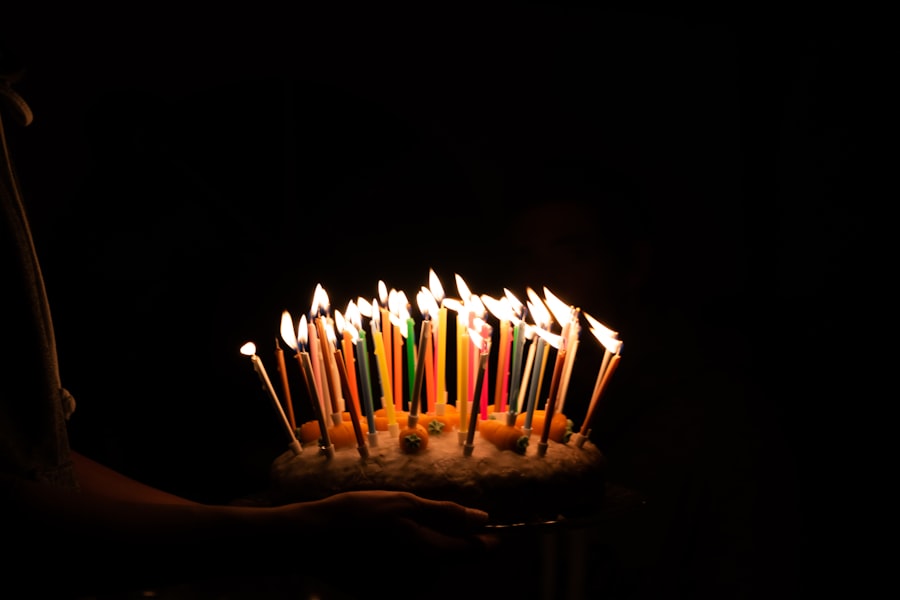
Preparing the Cake
One fundamental tip is to ensure that cakes are completely cooled before attempting to frost them; warm cakes can cause frosting to melt and slide off. Leveling the tops of cakes with a serrated knife creates an even surface for decorating and prevents unsightly bulges.
Applying Frosting and Piping
Using a crumb coat—a thin layer of frosting applied before the final coat—can help seal in crumbs and create a smooth base for decoration. Piping techniques are essential for adding decorative elements such as borders or flowers. Investing in quality piping bags and tips can make a significant difference in achieving professional-looking results.
Refining Your Technique
Practicing on parchment paper before applying designs directly onto the cake allows bakers to refine their technique without risking their creation. Additionally, using tools like offset spatulas for spreading frosting or bench scrapers for smoothing sides can enhance precision in decorating. With patience and experimentation, bakers can develop their unique style while mastering these essential skills.
The Healthier Side of Cake Making: Exploring Gluten-Free and Vegan Options
As dietary preferences evolve, so too does the world of cake making, with gluten-free and vegan options gaining popularity among health-conscious consumers.
Each type of flour behaves differently in recipes; for instance, almond flour adds moisture but may require additional binding agents like eggs or flaxseed meal to achieve structure.
Vegan baking presents its own set of challenges but also opens up creative avenues for flavor and texture. Instead of eggs, bakers can use ingredients like applesauce, mashed bananas, or aquafaba (the liquid from canned chickpeas) as binding agents. Plant-based milks such as almond or oat milk can replace dairy milk without sacrificing flavor.
Moreover, vegan butter or coconut oil serves as excellent substitutes for traditional butter in recipes. These alternatives not only cater to those with dietary restrictions but also encourage bakers to explore new ingredients that can enhance their creations.
Sharing the Joy of Cake Making: Hosting Cake Decorating Parties and Workshops
Cake making is not just about creating delicious desserts; it’s also about sharing experiences with others. Hosting cake decorating parties can be a fun way to bring friends together while exploring creativity in baking. These gatherings can range from casual get-togethers where participants decorate pre-baked cakes to more structured workshops where attendees learn specific techniques under guidance.
Providing all necessary tools and ingredients ensures that everyone feels included regardless of their skill level. Workshops can focus on various aspects of cake making—from mastering buttercream techniques to exploring fondant artistry—allowing participants to leave with new skills they can apply at home. Additionally, themed parties centered around holidays or special occasions can add an extra layer of excitement; imagine creating Halloween-themed cakes adorned with spooky decorations or festive holiday treats that bring joy during celebrations.
By fostering an environment of collaboration and creativity, cake making becomes not just an individual pursuit but a shared joy that strengthens bonds among friends and family alike.
If you’re a fan of baking, you’ll love this article on 5 Lists You Should Make Before January 1st. It’s always helpful to be organized when planning your baking projects, especially when it comes to making delicious cakes. Whether you’re making a classic vanilla cake or a decadent chocolate creation, having a list of ingredients and equipment needed can make the process much smoother. Plus, you can also check out recipes like Duck Breast with Blueberry Port Sauce or Pot Stickers with Chicken and Chilli Sauce for some savory inspiration to balance out your sweet treats.
FAQs
What is a cake?
A cake is a sweet baked dessert that is typically made from a combination of flour, sugar, eggs, and butter or oil. It can be flavored with various ingredients such as vanilla, chocolate, fruits, or nuts.
What are the different types of cakes?
There are many different types of cakes, including sponge cakes, butter cakes, chiffon cakes, angel food cakes, and cheesecakes. Cakes can also be categorized by flavor, such as chocolate cake, red velvet cake, carrot cake, and fruitcake.
How is a cake typically decorated?
Cakes can be decorated with frosting, icing, fondant, or glaze. They may also be adorned with edible decorations such as sprinkles, fruit, chocolate shavings, or edible flowers. Some cakes are also decorated with piped designs or intricate sugar sculptures.
What occasions are cakes commonly served at?
Cakes are commonly served at celebrations and special occasions such as birthdays, weddings, anniversaries, and holidays. They are also popular for dessert at parties and gatherings.
What are some popular cake flavors?
Popular cake flavors include chocolate, vanilla, red velvet, lemon, carrot, and coconut. There are also many unique and creative flavors available, such as matcha, chai, and salted caramel.