

The Mediterranean diet represents a dietary pattern based on the traditional eating habits of populations living in countries surrounding the Mediterranean Sea, including Greece, Italy, and Spain. This approach to nutrition prioritizes whole, unprocessed foods with an emphasis on plant-based components. The diet consists primarily of fruits, vegetables, whole grains, legumes, nuts, and seeds.
Fish and poultry are consumed in moderate quantities, while red meat intake is limited. Dairy products, including cheese and yogurt, are included but consumed in smaller portions. A distinguishing feature of the Mediterranean diet is its reliance on olive oil as the principal source of dietary fat.
The diet provides significant amounts of antioxidants and anti-inflammatory compounds through its emphasis on plant foods and olive oil. Scientific studies have demonstrated associations between Mediterranean diet adherence and reduced incidence of cardiovascular disease, type 2 diabetes, and certain types of cancer. Research also indicates potential benefits for longevity and overall health outcomes, contributing to its recognition as a beneficial dietary approach for chronic disease prevention.
Key Takeaways
- The Mediterranean diet emphasizes whole foods like fruits, vegetables, olive oil, and herbs.
- Stock your pantry with staples such as olive oil, whole grains, nuts, and legumes.
- Fresh produce is central to meals, providing essential nutrients and vibrant flavors.
- Cooking techniques focus on grilling, roasting, and sautéing with olive oil and aromatic herbs.
- Experimenting with Mediterranean spices and dishes helps create balanced, nutritious, and flavorful meals.
Stocking Your Pantry with Mediterranean Ingredients
To fully embrace the Mediterranean diet, it is essential to stock your pantry with key ingredients that reflect its principles. Start with whole grains such as quinoa, farro, bulgur, and brown rice.
Legumes like chickpeas, lentils, and black beans are also staples in Mediterranean cooking; they are not only rich in protein but also versatile enough to be used in soups, stews, and salads. In addition to grains and legumes, a variety of canned and jarred items can enhance your pantry. Canned tomatoes are a cornerstone of many Mediterranean dishes, providing a rich base for sauces and stews.
Olives and capers add briny depth to salads and pasta dishes. Stocking up on nuts such as almonds, walnuts, and pistachios can provide healthy snacks or toppings for various meals. Finally, don’t forget about spices and herbs; dried oregano, basil, thyme, and cumin can elevate the flavors of your dishes while adhering to the Mediterranean ethos of using fresh ingredients.
Incorporating Fresh Produce into Your Meals
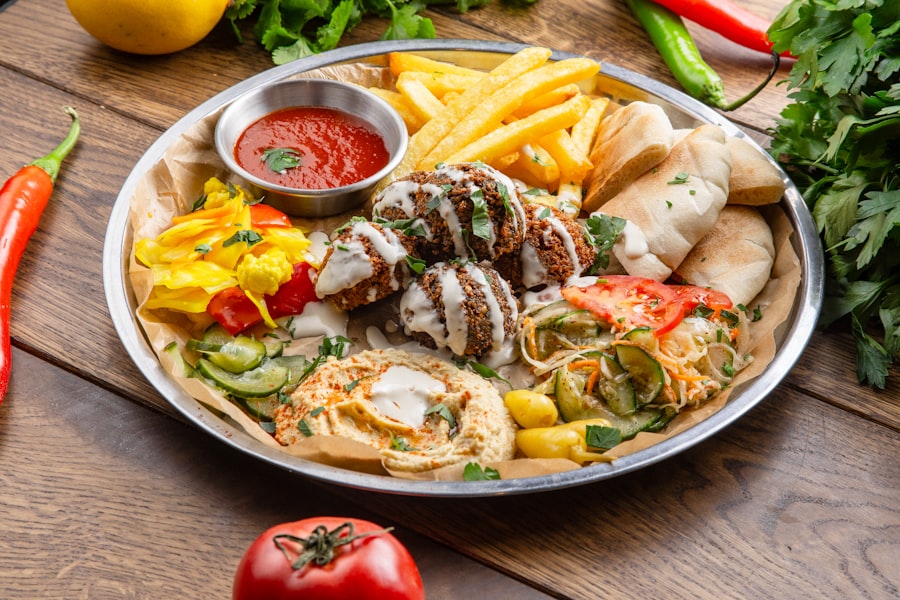
Fresh produce is at the heart of the Mediterranean diet, offering vibrant flavors and essential nutrients. Seasonal fruits and vegetables should be prioritized when planning meals. For instance, tomatoes, cucumbers, bell peppers, and eggplants are commonly found in Mediterranean cuisine and can be used in salads or roasted as side dishes.
Leafy greens like spinach and arugula can serve as bases for salads or be incorporated into cooked dishes for added nutrition. Incorporating fresh produce into your meals can be both simple and rewarding. A classic Greek salad made with ripe tomatoes, crisp cucumbers, red onions, olives, and feta cheese showcases the beauty of fresh ingredients while being easy to prepare.
Roasting vegetables such as zucchini, bell peppers, and asparagus with a drizzle of olive oil brings out their natural sweetness and enhances their flavors. By making fresh produce a focal point of your meals, you not only adhere to the Mediterranean diet but also enjoy a diverse array of flavors and textures.
Cooking with Olive Oil and Herbs
Olive oil is often referred to as the cornerstone of the Mediterranean diet due to its health benefits and versatility in cooking. Rich in monounsaturated fats and antioxidants, high-quality extra virgin olive oil can enhance both the flavor and nutritional profile of your dishes. It can be used for sautéing vegetables, drizzling over salads, or even as a dipping oil for bread.
The key is to choose a high-quality olive oil that is cold-pressed to ensure maximum flavor and health benefits. Herbs play an equally important role in Mediterranean cooking. Fresh herbs like basil, parsley, cilantro, and mint can elevate dishes by adding layers of flavor without the need for excessive salt or fat.
For example, a simple pasta dish can be transformed by tossing it with sautéed garlic, fresh basil, and a generous drizzle of olive oil. Similarly, grilled fish can be enhanced with a sprinkle of fresh herbs mixed with lemon juice and olive oil for a refreshing marinade. By mastering the use of olive oil and herbs in your cooking, you can create dishes that are both flavorful and aligned with the principles of the Mediterranean diet.
Exploring Mediterranean Flavors and Spices
| Metric | Description | Recommended Value/Goal | Tips for Mastery |
|---|---|---|---|
| Number of Mediterranean Recipes Tried | Count of different Mediterranean dishes prepared at home | At least 10 diverse recipes in 3 months | Start with simple dishes like Greek salad and hummus, then progress to more complex meals |
| Use of Olive Oil | Percentage of cooking fat from extra virgin olive oil | 70% or more of cooking fats | Replace butter and other oils with extra virgin olive oil for dressings and cooking |
| Vegetable Intake | Number of servings of vegetables per day | 5 or more servings daily | Incorporate a variety of colorful vegetables in meals and snacks |
| Whole Grains Usage | Percentage of grains consumed that are whole grains | At least 80% | Choose whole wheat bread, brown rice, and quinoa over refined grains |
| Fish and Seafood Consumption | Number of servings per week | 2-3 servings weekly | Include grilled fish or seafood dishes twice a week for omega-3 benefits |
| Legumes and Nuts Intake | Servings per week | 3-4 servings weekly | Add beans, lentils, and nuts to salads, soups, and snacks |
| Red Meat Consumption | Servings per week | Less than 2 servings weekly | Limit red meat and substitute with poultry or plant-based proteins |
| Herbs and Spices Usage | Frequency of use in cooking | Daily use | Use fresh herbs like basil, oregano, and rosemary to enhance flavor without salt |
| Meal Preparation Time | Average time spent cooking Mediterranean meals | 30-45 minutes per meal | Plan meals ahead and prep ingredients in advance to save time |
| Water Consumption | Glasses of water per day | 8 or more glasses daily | Stay hydrated to complement the diet and improve digestion |
The Mediterranean region is known for its diverse culinary traditions that incorporate a wide range of flavors and spices. While herbs are often used to enhance freshness, spices add depth and complexity to dishes. Common spices found in Mediterranean cooking include cumin, coriander, paprika, saffron, and cinnamon.
Each spice brings its unique character to various dishes; for instance, cumin is frequently used in North African tagines while saffron is prized in Spanish paella. Exploring these flavors can open up new avenues for creativity in your cooking. A Moroccan-inspired chickpea stew might feature cumin and coriander alongside tomatoes and spinach for a hearty meal that warms the soul.
Alternatively, a Spanish gazpacho could be spiced with smoked paprika for an added layer of flavor that complements the freshness of the tomatoes and cucumbers. By experimenting with different spices from across the Mediterranean region, you can create an array of dishes that reflect the rich culinary heritage of this vibrant area.
Mastering Mediterranean Cooking Techniques
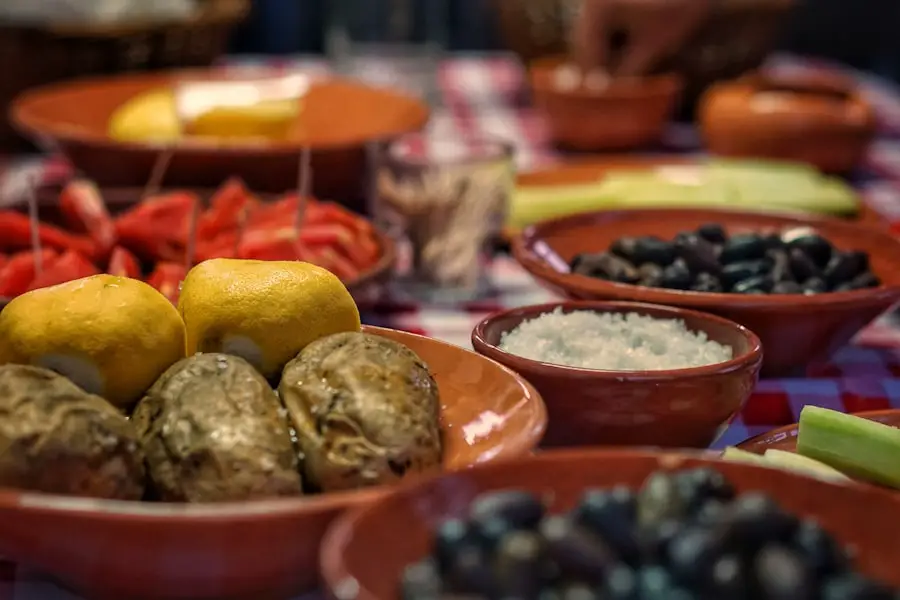
Understanding key cooking techniques is essential for successfully preparing Mediterranean dishes. Many traditional recipes rely on methods such as grilling, roasting, braising, and sautéing to bring out the natural flavors of ingredients. Grilling is particularly popular in Mediterranean cuisine; it imparts a smoky flavor to meats and vegetables while allowing excess fat to drip away.
For example, skewered lamb or chicken marinated in olive oil and herbs can be grilled to perfection for a delicious meal. Roasting is another technique that enhances the sweetness of vegetables while creating a caramelized exterior. Roasted eggplant drizzled with tahini sauce or roasted bell peppers stuffed with grains and herbs exemplify how this method can elevate simple ingredients into something extraordinary.
Sautéing allows for quick cooking while preserving the texture and nutrients of vegetables; this technique is often used in stir-fries or when preparing sauces. By mastering these techniques, you can create authentic Mediterranean dishes that showcase the flavors and ingredients characteristic of this diet.
Creating Balanced and Nutritious Meals
A hallmark of the Mediterranean diet is its emphasis on balanced meals that provide a variety of nutrients.
This approach not only ensures that you receive essential vitamins and minerals but also promotes satiety through fiber-rich foods.
For instance, a well-balanced Mediterranean meal could consist of grilled salmon served atop a bed of quinoa mixed with roasted vegetables like zucchini and bell peppers. Drizzle it with a lemon-olive oil dressing for added flavor while incorporating healthy fats. Alternatively, a chickpea salad featuring diced cucumbers, tomatoes, red onion, parsley, and feta cheese provides protein from legumes along with an array of vitamins from fresh produce.
By focusing on balance in your meals, you can enjoy the health benefits associated with the Mediterranean diet while savoring delicious flavors.
Experimenting with Mediterranean-Inspired Dishes
Once you have grasped the fundamentals of the Mediterranean diet and cooking techniques, it’s time to unleash your creativity by experimenting with Mediterranean-inspired dishes. This culinary tradition offers endless possibilities for innovation while remaining rooted in its core principles. Consider taking classic recipes and putting your own spin on them; for example, you might create a Mediterranean-style pizza topped with roasted vegetables, olives, feta cheese, and a drizzle of balsamic glaze.
Another way to experiment is by incorporating seasonal ingredients into traditional recipes. For instance, during summer months when tomatoes are at their peak ripeness, you could prepare a fresh tomato tart using whole grain pastry crust filled with ricotta cheese and topped with basil leaves. Alternatively, during fall harvests when squash is abundant, consider making a hearty soup featuring roasted butternut squash blended with garlic and sage for warmth on chilly evenings.
By embracing experimentation within the framework of the Mediterranean diet, you not only honor its rich culinary heritage but also create meals that reflect your personal tastes and preferences. The beauty of this diet lies in its flexibility; it encourages exploration while promoting healthful eating habits that can be sustained over time.
To enhance your culinary journey in mastering Mediterranean diet recipes at home, you might find inspiration in the article on Crispy Salmon with Corn, Blackberry, and Shishito Salad. This dish not only embodies the vibrant flavors characteristic of Mediterranean cuisine but also showcases how to incorporate fresh, seasonal ingredients into your meals. Exploring such recipes can help you develop a deeper appreciation for the Mediterranean diet while enjoying delicious and healthy dishes.
FAQs
What is the Mediterranean diet?
The Mediterranean diet is a nutritional approach inspired by the traditional eating habits of countries bordering the Mediterranean Sea. It emphasizes whole foods such as fruits, vegetables, whole grains, legumes, nuts, olive oil, moderate fish and poultry, and limited red meat and sweets.
What are the health benefits of the Mediterranean diet?
The Mediterranean diet is associated with numerous health benefits, including improved heart health, reduced risk of chronic diseases like diabetes and certain cancers, better weight management, and enhanced brain function.
What ingredients are commonly used in Mediterranean diet recipes?
Common ingredients include olive oil, fresh vegetables, fruits, whole grains like quinoa and barley, legumes such as chickpeas and lentils, nuts, seeds, herbs, fish, poultry, and moderate amounts of dairy like yogurt and cheese.
Can I prepare Mediterranean diet recipes at home easily?
Yes, Mediterranean diet recipes are generally simple to prepare, focusing on fresh, whole ingredients and straightforward cooking methods like grilling, roasting, and sautéing.
Are Mediterranean diet recipes suitable for vegetarians?
Many Mediterranean diet recipes are vegetarian or can be easily adapted by focusing on plant-based ingredients like legumes, grains, vegetables, nuts, and olive oil.
How can I start incorporating Mediterranean diet recipes into my daily meals?
Start by including more fruits and vegetables, using olive oil instead of butter, choosing whole grains, adding legumes to meals, and incorporating fish or poultry a few times a week while reducing red meat consumption.
Is olive oil the only fat used in Mediterranean cooking?
Olive oil is the primary fat used due to its health benefits, but other healthy fats like nuts and seeds are also common. Butter and processed fats are generally limited.
Do Mediterranean diet recipes require special cooking equipment?
No special equipment is needed. Basic kitchen tools like pots, pans, knives, and baking sheets are sufficient for most Mediterranean recipes.
Can Mediterranean diet recipes help with weight loss?
Yes, the Mediterranean diet can support healthy weight loss when combined with portion control and physical activity, due to its emphasis on nutrient-dense, whole foods.
Where can I find reliable Mediterranean diet recipes?
Reliable recipes can be found in cookbooks dedicated to Mediterranean cuisine, reputable health and nutrition websites, and from registered dietitians specializing in Mediterranean eating patterns.
Great platform with robust security — it made my crypto journey easier. The dashboard gives a complete view of my holdings.