

Incorporating salad into your lunch routine offers a multitude of health benefits that can significantly enhance your overall well-being. One of the most notable advantages is the high nutrient density of salads. Leafy greens, vegetables, and fruits are packed with essential vitamins, minerals, and antioxidants that contribute to better health.
For instance, spinach is rich in iron and vitamin K, while tomatoes provide a good source of vitamin C and lycopene, a powerful antioxidant. Consuming a salad for lunch can help meet your daily vegetable intake, which is crucial for maintaining a balanced diet and preventing chronic diseases.
The fiber content aids in digestion and promotes a feeling of fullness, which can help curb unhealthy snacking later in the day. This satiety factor is particularly beneficial for individuals who may struggle with portion control or are trying to lose weight. Additionally, the act of eating a colorful salad can be visually appealing and psychologically satisfying, which can enhance the overall lunch experience and encourage healthier eating habits.
Key Takeaways
- Eating salad for lunch boosts nutrition and supports weight management.
- Quick recipes and nutritious ingredients make salads easy and healthy.
- Proper preparation and packing tips keep salads fresh for work.
- Adding protein and creative combinations enhances salad satisfaction.
- Healthy dressing choices improve flavor without extra calories.
Quick and Easy Salad Recipes
Creating a delicious salad doesn’t have to be a time-consuming task. There are numerous quick and easy recipes that can be prepared in under 15 minutes, making them perfect for busy workdays. One such recipe is a classic Greek salad, which combines diced cucumbers, ripe tomatoes, red onions, Kalamata olives, and feta cheese.
Toss these ingredients with a drizzle of olive oil and a splash of red wine vinegar for a refreshing and tangy dish. This salad not only bursts with flavor but also provides a healthy dose of healthy fats from the olives and cheese. Another simple yet satisfying option is a quinoa salad.
Cooked quinoa serves as a nutritious base, providing protein and fiber. Mix in black beans, corn, diced bell peppers, and avocado for a colorful and filling meal. Season with lime juice, cilantro, and cumin for an added kick.
This salad is not only quick to prepare but also versatile; you can easily swap out ingredients based on what you have on hand or your personal preferences.
Nutritious Ingredients to Include in Your Salad
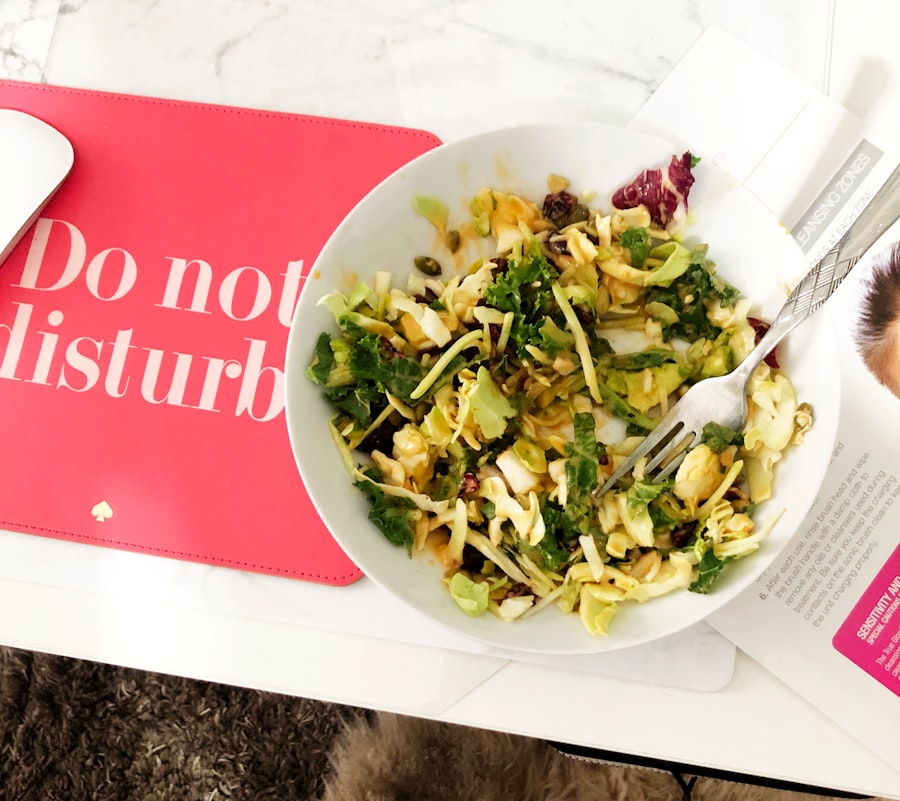
When crafting a salad, the choice of ingredients plays a pivotal role in determining its nutritional value. Leafy greens such as kale, arugula, and romaine lettuce are excellent foundations due to their high vitamin content and low calorie count. These greens are rich in vitamins A, C, and K, as well as folate and calcium.
Adding a variety of colorful vegetables like bell peppers, carrots, and radishes not only enhances the visual appeal but also increases the range of nutrients. For example, orange bell peppers are high in vitamin C, while carrots provide beta-carotene. In addition to vegetables, incorporating fruits can elevate the flavor profile and add natural sweetness to your salad.
Berries such as strawberries or blueberries are rich in antioxidants and can complement savory ingredients beautifully. Nuts and seeds are also valuable additions; they provide healthy fats, protein, and crunch. Almonds, walnuts, sunflower seeds, or pumpkin seeds can enhance both the texture and nutritional content of your salad.
Finally, consider adding whole grains like farro or barley for added fiber and sustenance.
Tips for Preparing and Packing Salads for Work
Preparing salads for work requires some strategic planning to ensure freshness and flavor throughout the day. One effective method is to layer your ingredients properly when packing your salad in a container. Start with the dressing at the bottom to prevent the greens from wilting.
Next, add sturdier vegetables like cucumbers or carrots before layering softer ingredients such as tomatoes or avocados on top. This technique helps maintain the integrity of each component until you’re ready to eat.
Mason jars are particularly popular for this purpose; they allow you to see the vibrant colors of your salad while keeping everything contained. Additionally, consider preparing your salads in advance—batch prepping on weekends can save time during busy weekdays. Store individual portions in containers so you can simply grab one on your way out the door.
Creative Salad Combinations to Try
| Salad Idea | Main Ingredients | Calories (approx.) | Protein (g) | Preparation Time | Benefits |
|---|---|---|---|---|---|
| Quinoa & Chickpea Salad | Quinoa, chickpeas, cucumber, cherry tomatoes, parsley, lemon dressing | 350 | 12 | 15 minutes | High in protein and fiber, gluten-free |
| Greek Salad | Cucumber, tomatoes, red onion, olives, feta cheese, olive oil | 300 | 8 | 10 minutes | Rich in antioxidants and healthy fats |
| Chicken & Avocado Salad | Grilled chicken, avocado, mixed greens, cherry tomatoes, vinaigrette | 400 | 30 | 20 minutes | High protein, healthy fats, supports muscle repair |
| Spinach & Strawberry Salad | Spinach, strawberries, walnuts, goat cheese, balsamic dressing | 280 | 6 | 10 minutes | Rich in vitamins, antioxidants, and omega-3 fatty acids |
| Lentil & Veggie Salad | Lentils, bell peppers, carrots, red onion, cilantro, lemon dressing | 320 | 18 | 25 minutes | High in protein and fiber, supports digestion |
Exploring creative combinations can transform your salads from mundane to extraordinary. One innovative idea is to create a Mediterranean-inspired salad featuring roasted chickpeas, cherry tomatoes, cucumber ribbons, and crumbled feta cheese over a bed of mixed greens. Drizzle with tahini dressing for an added layer of flavor that complements the earthy chickpeas beautifully.
Another exciting combination is a Thai-inspired salad that incorporates shredded cabbage, grated carrots, edamame, and fresh herbs like cilantro and mint. Toss these ingredients with a zesty peanut dressing made from peanut butter, soy sauce, lime juice, and honey for a delightful fusion of flavors that will transport your taste buds to Southeast Asia. These creative combinations not only keep lunchtime interesting but also encourage you to experiment with different textures and tastes.
Ways to Make Your Salad More Filling and Satisfying
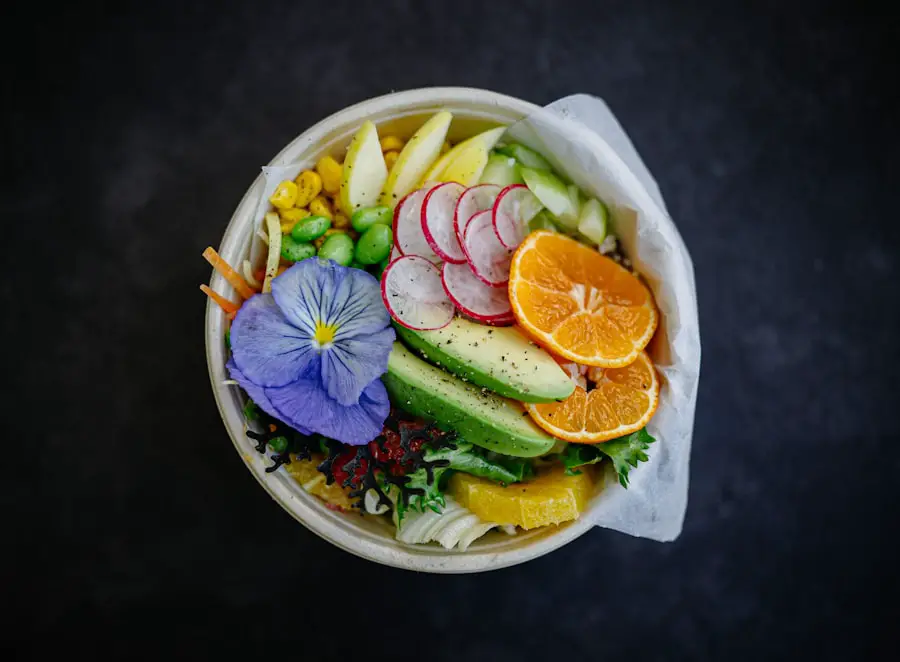
To ensure that your salad is not only nutritious but also filling enough to sustain you through the afternoon, consider incorporating heartier ingredients that provide lasting energy. Whole grains such as quinoa or farro can add bulk while offering complex carbohydrates that fuel your body throughout the day. These grains are not only satisfying but also contribute additional fiber and protein.
Another effective strategy is to include healthy fats in your salad. Avocado is an excellent choice; its creamy texture adds richness while providing monounsaturated fats that promote satiety. Similarly, incorporating nuts or seeds can enhance both flavor and texture while delivering essential fatty acids.
For those who enjoy cheese, adding a small amount of goat cheese or feta can provide creaminess without overwhelming the dish with calories.
Salad Dressing Options for a Healthy Office Lunch
The dressing you choose can significantly impact the healthfulness of your salad. Opting for homemade dressings allows you to control the ingredients and avoid added sugars or preservatives often found in store-bought options. A simple vinaigrette made from olive oil, balsamic vinegar, Dijon mustard, and honey can elevate any salad while providing healthy fats.
For those who prefer creamier dressings without the guilt, consider yogurt-based options that offer tanginess without excessive calories. Greek yogurt mixed with herbs like dill or basil creates a flavorful dressing that pairs well with various salads. Additionally, avocado-based dressings provide creaminess while being rich in healthy fats—blending ripe avocado with lime juice and garlic creates a smooth dressing that complements both leafy greens and grain-based salads.
How to Incorporate Protein into Your Salad
Adding protein to your salad not only enhances its nutritional profile but also makes it more satisfying and filling. There are numerous ways to incorporate protein-rich ingredients into your meal without compromising flavor or texture. Grilled chicken breast is a classic choice; it adds lean protein while remaining versatile enough to pair with various dressings and toppings.
For those seeking plant-based options, legumes such as chickpeas or black beans are excellent sources of protein that also contribute fiber to your meal. Tofu or tempeh can be marinated and grilled or sautéed for added flavor; these soy products are rich in protein and can absorb the flavors of any dressing you choose. Additionally, hard-boiled eggs provide an easy-to-prepare protein source that adds creaminess when sliced over salads.
Incorporating these elements into your lunch routine not only promotes better health but also encourages creativity in meal preparation. By experimenting with different ingredients and combinations, you can enjoy delicious salads that keep you energized throughout the day while supporting your nutritional goals.
If you’re looking to elevate your office lunch game with nutritious options, consider exploring some delicious salad ideas that are both healthy and satisfying. One great recipe to try is the Roasted Potato Salad with Mustard Walnut Vinaigrette, which combines hearty roasted potatoes with a tangy dressing, making it a perfect addition to your lunch rotation. This salad not only provides a burst of flavor but also keeps you energized throughout the workday.
FAQs
What are some healthy salad ingredients suitable for office lunches?
Healthy salad ingredients for office lunches include leafy greens like spinach, kale, and arugula, fresh vegetables such as cucumbers, tomatoes, and bell peppers, lean proteins like grilled chicken, tofu, or chickpeas, healthy fats from avocado or nuts, and whole grains like quinoa or brown rice.
How can I keep my salad fresh until lunchtime at the office?
To keep your salad fresh, store wet ingredients like tomatoes and cucumbers separately and add them just before eating. Use airtight containers and keep dressings in small, separate containers to prevent sogginess. Refrigerate your salad until it’s time to eat.
What are some easy-to-make salad dressings for office lunches?
Simple and healthy salad dressings include vinaigrettes made with olive oil, lemon juice or vinegar, mustard, and herbs. Yogurt-based dressings with herbs and garlic or tahini dressings are also nutritious and easy to prepare.
Can salads provide enough energy for a full workday?
Yes, salads can provide sufficient energy if they include a balance of macronutrients: proteins, healthy fats, and complex carbohydrates. Adding ingredients like beans, nuts, seeds, whole grains, and lean proteins helps sustain energy levels throughout the day.
Are there any tips for making salads more filling and satisfying?
To make salads more filling, include protein sources such as grilled chicken, boiled eggs, or legumes, add healthy fats like avocado or nuts, and incorporate fiber-rich ingredients like beans, quinoa, or whole grains. These components help increase satiety and prevent mid-afternoon hunger.
How can I avoid salads becoming boring for office lunches?
To keep salads interesting, vary your ingredients regularly, experiment with different dressings and herbs, add a mix of textures like crunchy nuts or seeds, and include seasonal produce. Trying international salad recipes can also add variety.
Is it possible to prepare salads in advance for the entire workweek?
Yes, you can prepare salads in advance by storing ingredients separately and assembling them daily. Some hearty salads with durable ingredients like kale, cabbage, or grains can be pre-mixed and stored in airtight containers for up to 3-4 days without losing freshness.