

Handia, a traditional rice beer, has deep roots in the cultural and social fabric of Eastern India, particularly among the tribal communities of Jharkhand, Odisha, and West Bengal. Its origins can be traced back centuries, with references to similar fermented beverages found in ancient texts and folklore. The preparation and consumption of Handia are often intertwined with various rituals and celebrations, marking significant life events such as births, marriages, and festivals.
This beverage is not merely a drink; it embodies the history and traditions of the communities that produce it. The historical significance of Handia is further underscored by its role in social gatherings. In many tribal societies, sharing Handia is a gesture of hospitality and camaraderie.
It serves as a medium for storytelling, where elders recount tales of yore while the younger generation listens intently, fostering a sense of community and continuity. The brewing process itself is often a communal activity, with families coming together to prepare the ingredients and ferment the rice. This collective effort reinforces social bonds and highlights the importance of Handia as more than just a beverage; it is a symbol of unity and cultural identity.
Key Takeaways
- Handia is a traditional rice beer with a long history in Eastern India, dating back to ancient times.
- The making of Handia involves simple ingredients like rice, water, and a traditional starter culture, and a fermentation process that can take several days.
- Handia holds cultural significance in Eastern India, being used in various rituals, festivals, and social gatherings.
- Efforts are being made to revive and preserve the tradition of Handia in modern times, with a focus on sustainability and commercialization.
- While Handia is believed to have health benefits, excessive consumption can pose risks, and its future depends on sustainable practices and responsible consumption.
The Making of Handia: Ingredients and Process
The preparation of Handia is an intricate process that reflects the traditional knowledge passed down through generations. The primary ingredient is rice, typically a local variety that is well-suited for fermentation. The rice is first washed and soaked in water for several hours before being steamed or boiled until it reaches a soft consistency.
This cooked rice is then spread out to cool, allowing it to reach the ideal temperature for fermentation. Once cooled, the rice is mixed with a specific type of yeast known as “handia khoya,” which is often made from the bark of certain trees or from previously fermented Handia. This yeast culture is crucial as it kickstarts the fermentation process, converting the sugars in the rice into alcohol.
The mixture is then placed in a container, usually made from clay or bamboo, and covered with a cloth to allow air circulation while preventing contaminants from entering. The fermentation process can take anywhere from a few days to a week, depending on environmental conditions and desired alcohol content. During fermentation, the mixture undergoes significant changes in flavor and aroma.
The resulting Handia has a slightly cloudy appearance and a unique taste profile that varies based on the ingredients used and the fermentation time. Some variations may include additional ingredients like herbs or spices, which can enhance the flavor and add complexity to the beverage. The final product is typically served chilled and can be enjoyed straight or mixed with other beverages.
Cultural Significance of Handia in Eastern India

Handia holds immense cultural significance in Eastern India, particularly among tribal communities where it is often associated with various rituals and ceremonies. For many tribes, the brewing and consumption of Handia are integral to their identity and heritage. It is commonly served during festivals such as Sohrai and Karam, where it plays a central role in celebrations that honor agricultural cycles and ancestral spirits.
The act of brewing Handia is often accompanied by traditional songs and dances, further enriching the cultural experience. Moreover, Handia serves as a medium for social interaction and bonding within communities. It is customary for families to offer Handia to guests as a sign of respect and hospitality.
This practice fosters connections between individuals and strengthens communal ties. In many cases, the sharing of Handia transcends mere consumption; it becomes a ritualistic act that reinforces social hierarchies and relationships within the community. Elders are often given precedence in drinking first, symbolizing their wisdom and status.
In addition to its role in social gatherings, Handia also has spiritual connotations. It is believed to possess purifying properties, making it an essential component in various rites of passage. For instance, during marriage ceremonies, Handia may be offered to deities as part of the rituals to seek blessings for the couple’s future.
This intertwining of Handia with spiritual practices highlights its importance beyond mere sustenance; it is a conduit for cultural expression and spiritual connection.
Handia in Modern Times: Revival and Preservation Efforts
In recent years, there has been a growing recognition of Handia as an important cultural heritage that needs preservation amidst globalization and changing lifestyles. Many tribal communities are actively engaged in efforts to revive traditional brewing practices that have been overshadowed by commercial alcoholic beverages. Organizations focused on cultural preservation have initiated programs to educate younger generations about the significance of Handia, ensuring that traditional knowledge is not lost.
These revival efforts often include workshops where community members can learn about the traditional brewing process, emphasizing sustainable practices that respect local resources. Additionally, some initiatives aim to create platforms for local artisans to market their Handia, providing them with economic incentives to continue their craft. By promoting Handia as a unique cultural product, these efforts not only help preserve traditional practices but also empower communities economically.
Furthermore, there has been an increasing interest from researchers and anthropologists who study indigenous brewing techniques. Their work often highlights the ecological wisdom embedded in traditional practices, showcasing how these methods can contribute to sustainable development goals. By documenting these practices, they aim to raise awareness about the importance of preserving not just Handia but also the broader cultural heritage associated with it.
Health Benefits and Risks of Consuming Handia
Handia is often touted for its potential health benefits, particularly when consumed in moderation. As a fermented beverage, it contains probiotics that can aid digestion and promote gut health. The fermentation process also enhances the bioavailability of certain nutrients found in rice, making them easier for the body to absorb.
Additionally, some studies suggest that moderate alcohol consumption may have cardiovascular benefits; however, these claims should be approached with caution. Despite its potential benefits, there are also risks associated with consuming Handia.
Furthermore, because Handia is often produced in informal settings without strict quality control measures, there may be concerns regarding hygiene and safety. Contaminants introduced during brewing can pose health risks if not properly managed. Moreover, excessive consumption of any alcoholic beverage can lead to adverse health effects, including addiction and liver damage.
It is essential for consumers to be aware of their limits and approach Handia with respect for its cultural significance while also considering their health. Education about responsible drinking practices within communities can help mitigate these risks while allowing individuals to enjoy this traditional beverage safely.
The Future of Handia: Sustainability and Commercialization
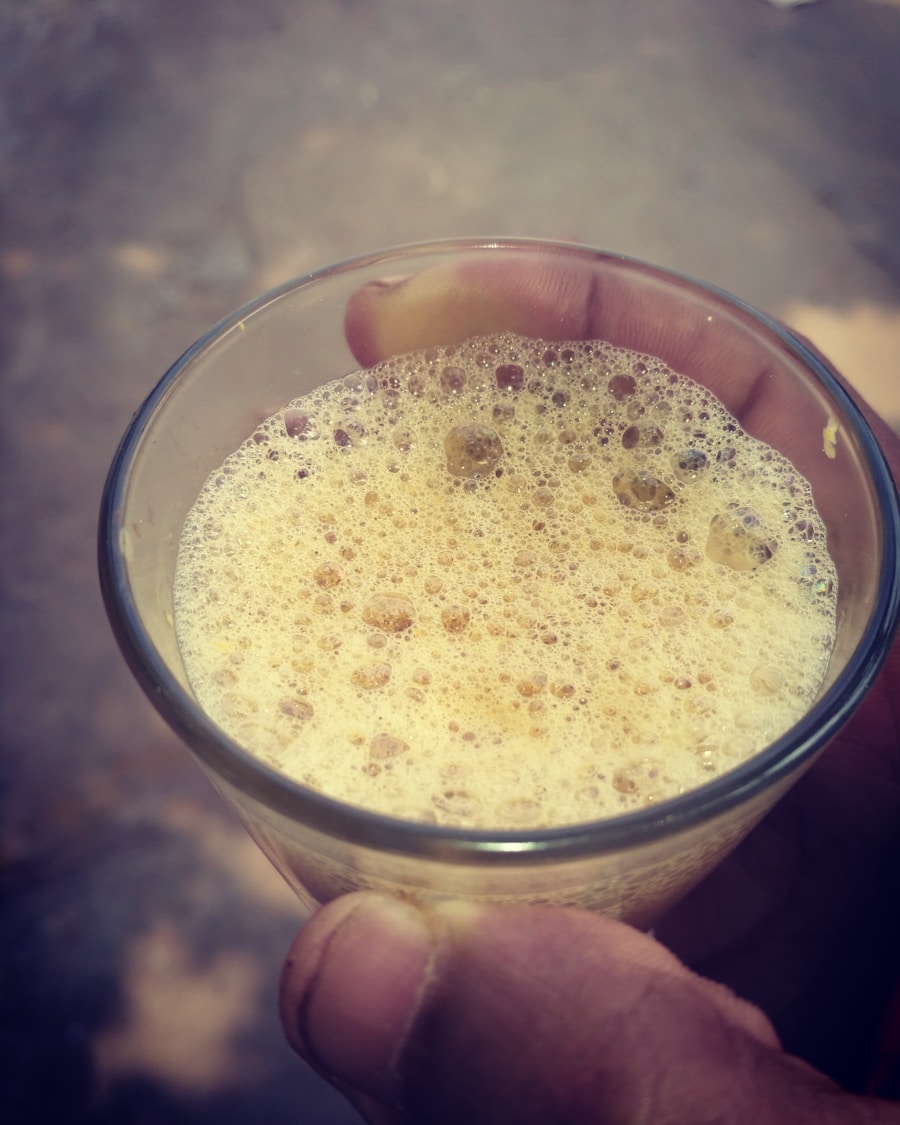
The future of Handia lies at the intersection of sustainability and commercialization. As interest in artisanal and traditional beverages grows globally, there is potential for Handia to find its place in broader markets while maintaining its cultural integrity.
Sustainability will play a crucial role in shaping the future of Handia production. Emphasizing eco-friendly brewing methods that utilize local ingredients can help preserve biodiversity while supporting local economies. Initiatives aimed at promoting organic farming practices for rice cultivation can further enhance sustainability efforts within communities engaged in Handia production.
Moreover, collaborations between local brewers and entrepreneurs can create opportunities for innovative marketing strategies that highlight the unique qualities of Handia. By positioning it as an authentic cultural product with historical significance, there is potential for it to attract both domestic and international consumers interested in exploring diverse culinary experiences. In conclusion, while the future of Handia presents exciting opportunities for growth and recognition on a larger scale, it is imperative that these developments are rooted in respect for its cultural heritage.
Balancing commercialization with sustainability will be key to ensuring that Handia continues to thrive as both a cherished traditional beverage and a symbol of community identity in Eastern India.
If you’re interested in exploring unique cultural traditions like Handia Heritage: The Rice Beer of Eastern India, you may also enjoy reading about the art of wreath-making in this article. Just like the intricate process of brewing handia, creating a beautiful wreath requires patience, skill, and attention to detail. Both traditions offer a glimpse into the rich tapestry of human creativity and craftsmanship.
FAQs
What is handia?
Handia is a traditional rice beer that is popular in the eastern states of India, particularly in the states of Odisha, Jharkhand, Bihar, and West Bengal.
How is handia made?
Handia is made by fermenting a mixture of cooked rice and a traditional starter culture called “ranu” or “bheu”. The fermentation process can take anywhere from 2 days to a week, depending on the desired strength and flavor of the handia.
What are the key ingredients of handia?
The key ingredients of handia include rice, water, and the traditional starter culture “ranu” or “bheu”. Sometimes, herbs and spices are also added to enhance the flavor of the handia.
What is the significance of handia in the local culture?
Handia holds a significant place in the local culture of the eastern states of India. It is often used in religious ceremonies, festivals, and social gatherings. It is also considered to have medicinal properties and is used in traditional medicine.
Is handia legal in India?
Handia is legal in the states where it is traditionally consumed. However, regulations regarding the production and sale of handia vary from state to state.
Is handia similar to other types of rice beer?
Handia is similar to other traditional rice beers found in different parts of India and Southeast Asia, such as “toddy” in South India and “tapai” in Indonesia. However, each type of rice beer has its own unique flavor and production process.