

Kale, often hailed as a superfood, has gained immense popularity in recent years due to its remarkable nutritional profile and health benefits. This leafy green vegetable belongs to the Brassica family, which also includes broccoli, Brussels sprouts, and cabbage. Kale is rich in vitamins A, C, and K, as well as minerals like calcium and potassium.
Its high fiber content aids in digestion, while antioxidants such as quercetin and kaempferol help combat oxidative stress in the body. The presence of these nutrients makes kale an excellent choice for those looking to enhance their overall health. In addition to its impressive nutrient density, kale has been linked to various health benefits.
Studies suggest that regular consumption of kale can support heart health by lowering cholesterol levels and reducing the risk of cardiovascular diseases. The anti-inflammatory properties of kale may also play a role in preventing chronic diseases such as diabetes and certain types of cancer. Furthermore, kale is low in calories, making it an ideal food for weight management.
With its versatility in the kitchen, kale can be incorporated into a variety of dishes, making it easier for individuals to enjoy its health benefits.
Key Takeaways
- Kale is a nutrient-dense leafy green with numerous health benefits.
- Basic kale salad involves massaging kale to soften its texture.
- Adding fruits and nuts enhances flavor and nutritional value.
- Diverse kale salad variations include Caesar, Mediterranean, Asian, and quinoa-based options.
- Proper preparation and seasoning are key to making the perfect kale salad.
Basic Kale Salad Recipe
Creating a basic kale salad is a straightforward process that allows the natural flavors of the kale to shine through. To start, select fresh, vibrant kale leaves, preferably Lacinato or curly kale. Begin by washing the leaves thoroughly to remove any dirt or grit.
Once cleaned, remove the tough stems and tear the leaves into bite-sized pieces. This step is crucial as it not only enhances the texture but also makes the salad more enjoyable to eat. For the dressing, a simple combination of olive oil, lemon juice, salt, and pepper works wonders.
The acidity from the lemon juice helps to tenderize the kale, making it less fibrous and more palatable. Drizzle the dressing over the torn kale leaves and massage it gently with your hands for about two minutes. This technique not only helps to soften the leaves but also ensures that every piece is evenly coated with the dressing.
To finish off this basic salad, consider adding toppings such as cherry tomatoes or sliced cucumbers for added freshness and crunch.
Kale Salad with Fruits and Nuts
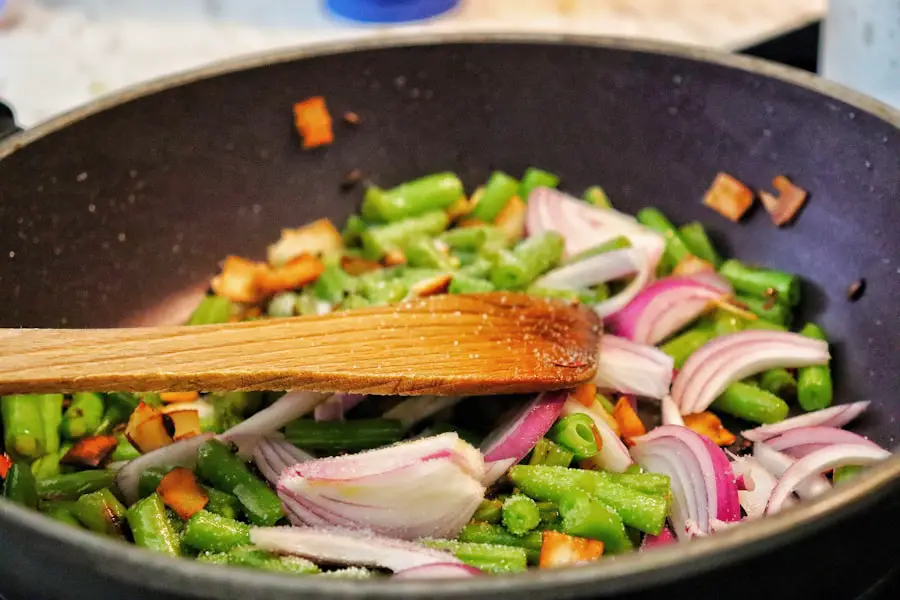
Elevating a basic kale salad can be easily achieved by incorporating fruits and nuts, which add both flavor and texture. For this variation, consider using seasonal fruits such as apples, pears, or berries. These fruits not only provide a natural sweetness that complements the earthy flavor of kale but also contribute additional vitamins and antioxidants.
For instance, apples are rich in fiber and vitamin C, while berries are known for their high levels of antioxidants. Nuts such as walnuts or almonds can be added for a satisfying crunch and healthy fats. Walnuts are particularly beneficial due to their omega-3 fatty acid content, which supports heart health.
To prepare this salad, start with the basic kale salad recipe as a foundation. After massaging the kale with dressing, toss in your choice of chopped fruits and nuts. A sprinkle of feta cheese or goat cheese can also enhance the flavor profile, adding creaminess that balances the crispness of the kale and fruits.
This combination not only makes for a visually appealing dish but also creates a harmonious blend of flavors that is both refreshing and nutritious.
Kale Caesar Salad
The classic Caesar salad gets a nutritious twist when made with kale instead of romaine lettuce. This variation retains all the beloved elements of a traditional Caesar while boosting its health benefits significantly. To begin, prepare the kale by washing it thoroughly and removing the stems before tearing it into bite-sized pieces.
The next step involves creating a homemade Caesar dressing that typically includes ingredients like garlic, anchovies, Dijon mustard, lemon juice, Worcestershire sauce, olive oil, and Parmesan cheese. Once the dressing is ready, combine it with the kale leaves in a large bowl. The key to a successful Kale Caesar salad lies in massaging the dressing into the leaves thoroughly; this not only enhances flavor absorption but also softens the kale’s texture.
To add depth to this dish, consider incorporating croutons made from whole-grain bread that have been toasted with olive oil and garlic powder. The crunchiness of the croutons paired with the creamy dressing creates a delightful contrast that elevates this salad to new heights. For an extra touch of flavor, top with additional grated Parmesan cheese or even crispy bacon bits for those who enjoy a savory kick.
Mediterranean Kale Salad
A Mediterranean-inspired kale salad brings together vibrant flavors and wholesome ingredients that celebrate the essence of Mediterranean cuisine. Start by preparing your kale as usual—washing it thoroughly and tearing it into pieces. The dressing for this salad can be made using olive oil, red wine vinegar, minced garlic, oregano, salt, and pepper.
This combination not only enhances the taste but also aligns perfectly with Mediterranean dietary principles. To create this salad, add ingredients such as cherry tomatoes, cucumber slices, red onion, Kalamata olives, and crumbled feta cheese to your prepared kale. Each ingredient contributes unique flavors and textures; for example, cherry tomatoes add juiciness while olives provide a briny contrast.
Toss everything together with the dressing until well combined. For added protein, consider including chickpeas or grilled chicken breast. This Mediterranean kale salad is not only visually appealing but also packed with nutrients that promote heart health and overall well-being.
Asian-Inspired Kale Salad
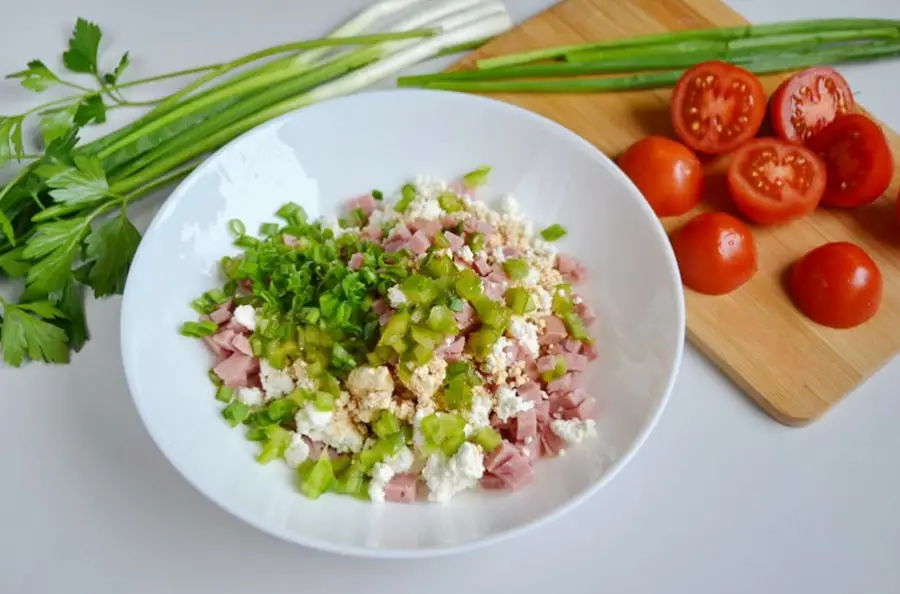
An Asian-inspired kale salad introduces bold flavors and unique ingredients that create an exciting culinary experience.
The dressing for this salad can be crafted from soy sauce or tamari (for a gluten-free option), sesame oil, rice vinegar, honey or maple syrup for sweetness, and freshly grated ginger for an aromatic kick.
Incorporate ingredients such as shredded carrots, sliced bell peppers, edamame beans, and chopped green onions into your kale base.
For an extra crunch, sprinkle toasted sesame seeds on top before serving.
This Asian-inspired kale salad is not only refreshing but also offers a delightful balance of sweet and savory notes that make it a perfect side dish or light meal.
Kale and Quinoa Salad
Combining kale with quinoa creates a nutrient-dense salad that is both filling and satisfying. Quinoa is a complete protein source that contains all nine essential amino acids, making it an excellent addition for those seeking plant-based protein options. To prepare this salad, start by cooking quinoa according to package instructions—typically involving rinsing it under cold water before boiling it in water or broth until fluffy.
Once your quinoa is cooked and cooled slightly, mix it with prepared kale leaves in a large bowl. For added flavor and nutrition, consider incorporating diced bell peppers, cherry tomatoes, cucumber, and avocado into the mix. A zesty lemon vinaigrette made from olive oil, lemon juice, garlic powder, salt, and pepper can tie all these ingredients together beautifully.
This salad not only provides a hearty meal option but also showcases the versatility of both kale and quinoa in creating a balanced dish rich in vitamins and minerals.
Tips for Making the Perfect Kale Salad
Crafting the perfect kale salad involves more than just combining ingredients; it requires attention to detail in preparation and presentation. One essential tip is to choose fresh kale leaves that are vibrant in color without any signs of wilting or browning. The freshness of your greens will significantly impact the overall taste of your salad.
Another important aspect is how you prepare the kale itself. Massaging the leaves with dressing not only enhances flavor but also breaks down some of the fibrous texture that can make raw kale tough to chew. Additionally, allowing your salad to sit for a few minutes after tossing can help meld flavors together more effectively.
When it comes to toppings and mix-ins, variety is key. Incorporating different textures—such as crunchy nuts or creamy cheeses—can elevate your salad from ordinary to extraordinary. Experimenting with seasonal ingredients can also keep your salads exciting throughout the year.
Lastly, don’t shy away from creativity in your dressings; homemade dressings often provide fresher flavors than store-bought options. By combining various oils, vinegars, herbs, and spices, you can create unique dressings tailored to your personal taste preferences while enhancing the nutritional value of your kale salads.
If you’re looking to complement your Fresh Kale Salad with a nutritious and delicious main dish, consider trying out the Steamed Fish with Ginger and Scallions. This recipe not only pairs well with the vibrant flavors of kale but also enhances your meal with additional superfood benefits. The light and zesty fish dish is a perfect match for a health-conscious diet, making it an excellent choice for superfood lovers.
FAQs
What are the health benefits of kale?
Kale is rich in vitamins A, C, and K, as well as minerals like calcium and potassium. It is high in antioxidants and fiber, which support digestion, reduce inflammation, and promote heart health.
How do you prepare kale for a salad?
To prepare kale for a salad, wash the leaves thoroughly, remove the tough stems, and chop or tear the leaves into bite-sized pieces. Massaging the kale with a little olive oil or lemon juice can help soften its texture and reduce bitterness.
Can kale be eaten raw in salads?
Yes, kale can be eaten raw in salads. Massaging the leaves or combining them with acidic dressings helps make raw kale more tender and palatable.
What ingredients pair well with kale in salads?
Kale pairs well with ingredients like nuts, seeds, fruits (such as apples, berries, or citrus), cheese (like feta or parmesan), grains, and a variety of dressings including lemon vinaigrette or tahini-based dressings.
Are there different types of kale suitable for salads?
Yes, common types of kale used in salads include curly kale, dinosaur (Lacinato) kale, and red Russian kale. Each has a slightly different texture and flavor, with dinosaur kale being more tender and mild.
How long can a kale salad be stored?
A kale salad can typically be stored in the refrigerator for 2 to 3 days. Storing the dressing separately and adding it just before serving helps keep the kale fresh and crisp.
Is kale suitable for people on specific diets?
Kale is suitable for most diets, including vegan, vegetarian, gluten-free, paleo, and keto diets, due to its low calorie and high nutrient content.
Can kale salads help with weight management?
Yes, kale salads can support weight management as kale is low in calories but high in fiber, which promotes satiety and helps control appetite.