

Fruit salad is a delightful and versatile dish that has captured the hearts and palates of people around the world. It is a colorful medley of various fruits, often enjoyed as a refreshing snack, a side dish, or even a dessert. The beauty of fruit salad lies not only in its vibrant appearance but also in its ability to cater to diverse tastes and dietary preferences.
Whether served at a summer picnic, a festive gathering, or as a simple breakfast option, fruit salad can be tailored to suit any occasion. The origins of fruit salad can be traced back to ancient civilizations, where fruits were often combined for their flavors and nutritional benefits. Over time, this dish has evolved, incorporating different fruits based on regional availability and cultural influences.
Today, fruit salad is celebrated for its simplicity and the endless possibilities it offers. With the right selection of fruits and a touch of creativity, one can create a dish that is not only visually appealing but also packed with essential vitamins and minerals.
Key Takeaways
- Fruit salad is a refreshing and healthy dish made with a variety of fresh fruits.
- When selecting fruits for a fruit salad, choose ripe, in-season fruits for the best flavor and texture.
- Properly preparing the fruit by washing, peeling, and cutting it into bite-sized pieces is essential for a delicious fruit salad.
- Making a simple dressing with citrus juice, honey, and fresh herbs can enhance the natural flavors of the fruits in the salad.
- Assemble the fruit salad just before serving to maintain the freshness and texture of the fruits, and store any leftovers in the refrigerator for a few days.
Selecting the Best Fruits
Choosing the right fruits is crucial for creating a delicious fruit salad. The selection process begins with considering the seasonality of fruits, as fresh, in-season produce tends to have the best flavor and texture. For instance, summer brings an abundance of juicy berries, peaches, and melons, while fall offers crisp apples and pears.
When selecting fruits, it is essential to look for those that are ripe but not overripe, as this can affect the overall taste and presentation of the salad. In addition to seasonality, one should also consider the variety of flavors and textures that different fruits bring to the table. A well-balanced fruit salad often includes a mix of sweet, tart, and juicy fruits.
For example, combining sweet strawberries with tangy kiwi and refreshing cucumber can create a harmonious blend of flavors. Furthermore, incorporating fruits with varying textures—such as crunchy apples, soft bananas, and succulent oranges—adds depth to the dish. It is also wise to consider any dietary restrictions or preferences of those who will be enjoying the salad, ensuring that everyone can partake in this delightful treat.
Preparing the Fruit
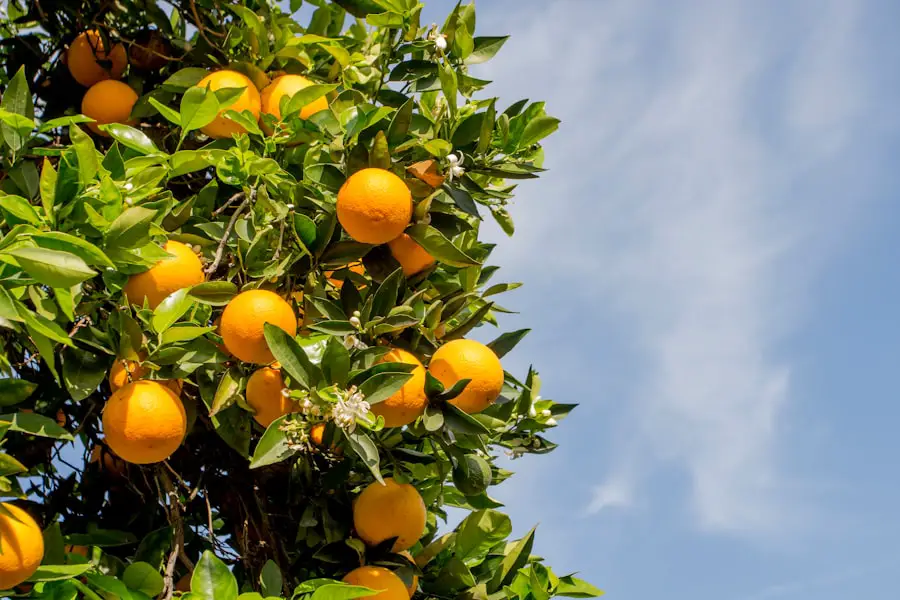
Once the fruits have been selected, the next step is to prepare them for the salad. Proper preparation not only enhances the presentation but also ensures that each bite is enjoyable. Begin by washing all fruits thoroughly under running water to remove any dirt or pesticides.
For fruits with skins that are typically consumed, such as apples or pears, it is advisable to scrub them gently with a brush. For those that are peeled, like kiwis or bananas, use a sharp knife to remove the skin carefully. Cutting the fruits into uniform pieces is essential for both aesthetics and ease of eating.
Aim for bite-sized chunks that are easy to pick up with a fork or spoon. For example, berries can be left whole or halved, while larger fruits like melons should be cubed into manageable pieces. It’s also important to consider the order in which fruits are prepared; firmer fruits like apples should be cut just before serving to prevent browning, while softer fruits like bananas can be added closer to serving time to maintain their texture.
This attention to detail in preparation will elevate the overall quality of the fruit salad.
Making the Dressing
| Metrics | Values |
|---|---|
| Number of dressings made | 150 |
| Time taken to make one dressing | 5 minutes |
| Cost of ingredients per dressing | 1.50 |
| Customer satisfaction rating | 4.5 out of 5 |
While fruit salad can be enjoyed on its own, a dressing can enhance its flavor profile and add an extra layer of complexity. The dressing can range from simple citrus juices to more elaborate mixtures that incorporate herbs or spices. A classic choice is a honey-lime dressing, which combines fresh lime juice with honey for a sweet and tangy finish.
This dressing not only complements the natural sweetness of the fruits but also adds a zesty brightness that elevates the entire dish. For those looking to experiment further, consider adding fresh herbs like mint or basil to the dressing for an aromatic twist. A splash of vanilla extract can also provide depth and warmth to the flavor profile.
When preparing the dressing, it’s important to balance sweetness with acidity; too much sweetness can overwhelm the natural flavors of the fruits. A well-crafted dressing should enhance rather than mask the inherent qualities of each fruit in the salad.
Assembling the Fruit Salad
Assembling the fruit salad is where creativity truly shines. Begin by placing the prepared fruits in a large mixing bowl, allowing for ample space to toss them without bruising. If using a dressing, drizzle it over the top before gently folding the ingredients together with a spatula or wooden spoon.
This method ensures that each piece of fruit is evenly coated without becoming mushy or overly mixed. Presentation plays a significant role in making fruit salad visually appealing. Consider layering different fruits in a clear glass bowl or individual serving cups to showcase their vibrant colors.
Garnishing with fresh mint leaves or edible flowers can add an elegant touch that makes the dish stand out at any gathering. Additionally, serving fruit salad in hollowed-out fruit shells—such as watermelon or pineapple—can create an eye-catching centerpiece that invites guests to dig in.
Serving and Storing
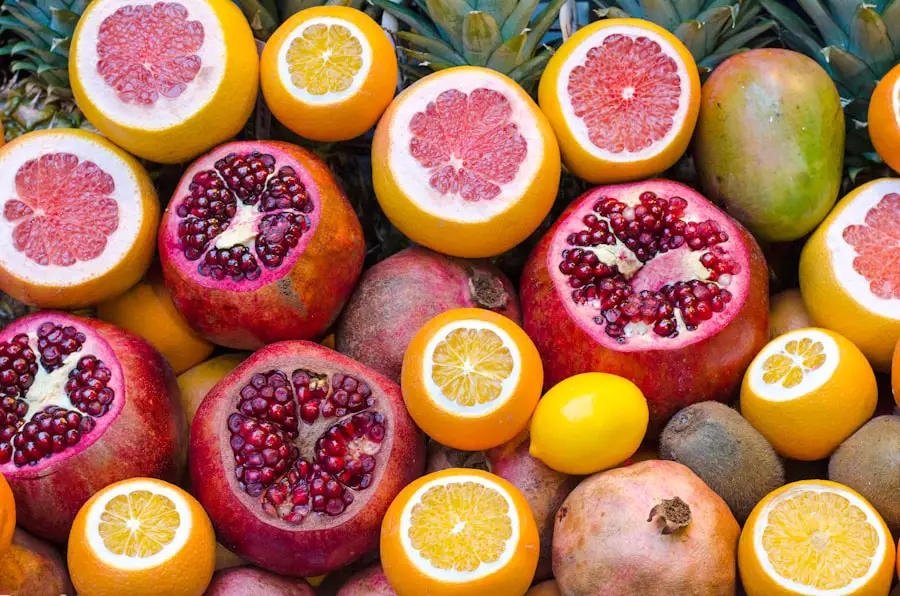
When it comes to serving fruit salad, timing is key. Ideally, it should be served immediately after assembly to ensure maximum freshness and flavor. If preparing in advance, store the salad in an airtight container in the refrigerator to maintain its crispness.
However, be mindful that some fruits may release juices over time, which can lead to a soggy texture if left too long. For optimal enjoyment, consider serving fruit salad chilled on hot days or as part of a brunch spread alongside yogurt or granola for added texture and protein. If leftovers remain, they can be stored for up to two days in the refrigerator; however, it’s best to consume them sooner rather than later for peak freshness.
If you notice excess liquid accumulating at the bottom of the container, simply drain it before serving again.
Variations and Additions
The beauty of fruit salad lies in its adaptability; there are countless variations and additions that can transform this simple dish into something extraordinary. One popular variation is adding nuts or seeds for crunch and added nutrition. Chopped walnuts or slivered almonds can provide a satisfying contrast to the softness of the fruits while contributing healthy fats and protein.
Another exciting twist involves incorporating grains such as quinoa or couscous into the mix for a heartier option. This not only adds texture but also turns fruit salad into a more substantial meal suitable for lunch or dinner. Additionally, experimenting with different flavor profiles by adding spices like cinnamon or nutmeg can create unique combinations that surprise and delight the palate.
For those who enjoy tropical flavors, consider adding coconut flakes or even a splash of coconut milk for an exotic flair.
Health Benefits of Fruit Salad
Fruit salad is not only delicious but also packed with health benefits that make it an excellent addition to any diet. Fruits are rich in vitamins, minerals, and antioxidants that support overall health and well-being. For instance, citrus fruits like oranges and grapefruits are high in vitamin C, which boosts the immune system and promotes healthy skin.
Berries are known for their antioxidant properties, which help combat oxidative stress and reduce inflammation in the body. Moreover, fruit salads are typically low in calories while being high in fiber content, making them an ideal choice for those looking to maintain or lose weight. The fiber found in fruits aids digestion and promotes feelings of fullness, which can help curb unhealthy snacking between meals.
Additionally, incorporating a variety of colorful fruits ensures a wide range of nutrients; each color often represents different phytonutrients that contribute to health benefits such as improved heart health and reduced risk of chronic diseases.
With careful selection of ingredients and thoughtful preparation techniques, anyone can create a vibrant and delicious fruit salad that not only pleases the palate but also supports a healthy lifestyle.
If you’re looking for a fun and easy dish to bring to a Friendsgiving celebration, consider making a delicious fruit salad.
For more ideas on how to make your Friendsgiving gathering extra special, check out this article on Friendsgiving: Giving Back This Year.
FAQs
What is a fruit salad?
A fruit salad is a dish consisting of various types of fruits, typically cut into pieces and mixed together. It is often served as a dessert or a side dish.
What fruits can be used in a fruit salad?
A wide variety of fruits can be used in a fruit salad, including but not limited to: strawberries, blueberries, raspberries, blackberries, kiwi, pineapple, mango, grapes, oranges, apples, bananas, and melons.
How is a fruit salad typically served?
Fruit salad can be served in a bowl or on a plate, and is often garnished with mint leaves or a sprinkle of powdered sugar. It can also be served with a dollop of whipped cream or a scoop of ice cream.
Is fruit salad healthy?
Fruit salad is generally considered to be a healthy dish, as it is made primarily of fresh fruits which are rich in vitamins, minerals, and fiber. However, the addition of sugary syrups or high-calorie toppings can affect its overall nutritional value.
Can fruit salad be made ahead of time?
Yes, fruit salad can be made ahead of time and stored in the refrigerator for a few hours before serving. However, some fruits may become soggy or lose their freshness if prepared too far in advance.