

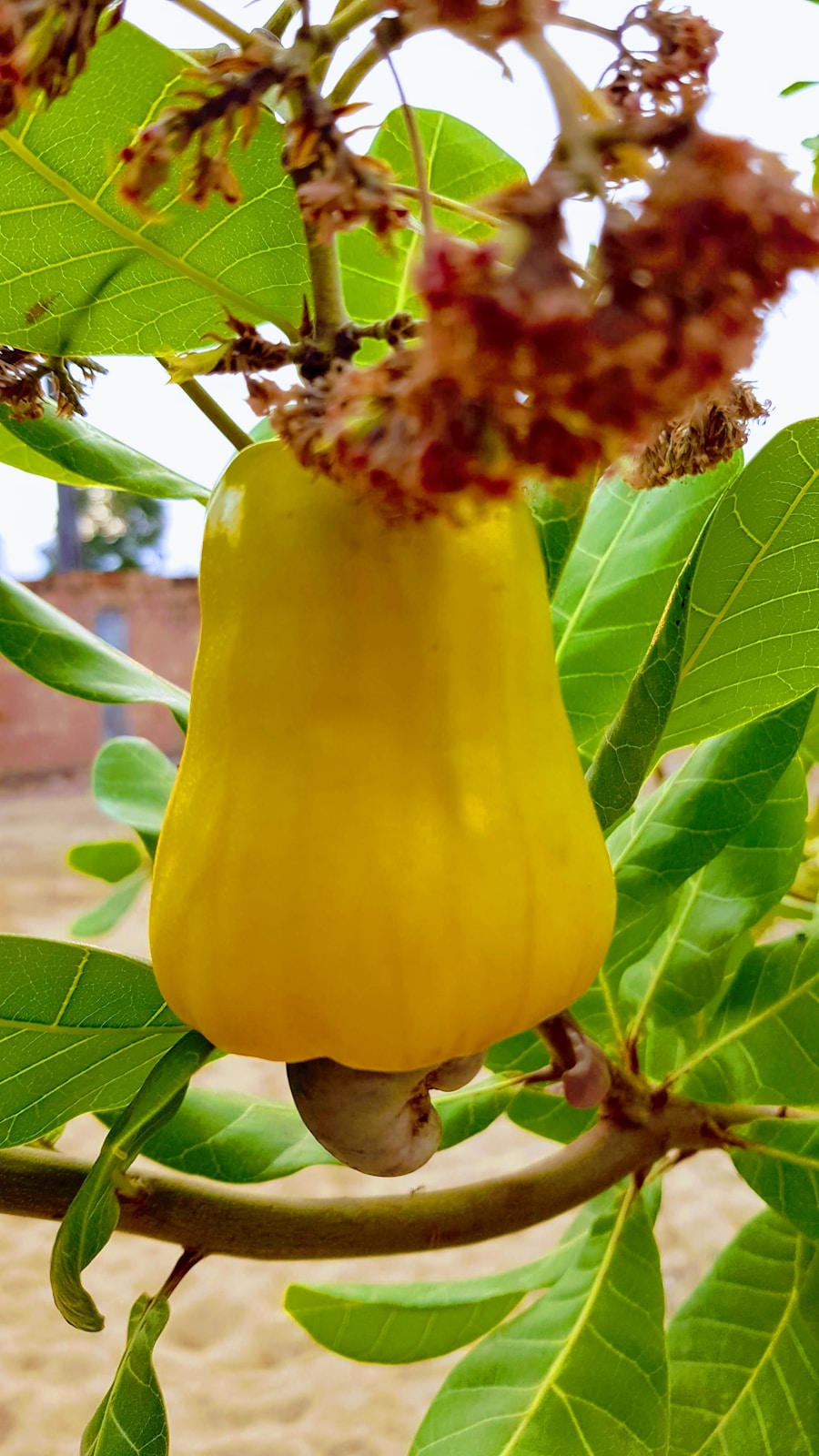
Feni, a traditional spirit from Goa, has a rich history that intertwines with the cultural fabric of the region. Its origins can be traced back to the 16th century when Portuguese colonizers arrived in India. The local population, particularly the coconut farmers, began to ferment the sap of the cashew apple, a fruit native to the region, to create a potent alcoholic beverage.
This early form of Feni was not just a drink; it was a reflection of the agricultural practices and the lifestyle of the Goan people. The process of making Feni was often communal, with families and neighbors coming together to harvest the cashew apples and distill the liquid, creating a sense of community and shared heritage. As time progressed, Feni evolved from a local beverage into a symbol of Goan identity.
The introduction of distillation techniques by the Portuguese further refined the production process, leading to the creation of two distinct types of Feni: cashew Feni and coconut Feni. Cashew Feni, made from the fermented juice of cashew apples, became particularly popular due to its unique flavor profile and higher alcohol content. Coconut Feni, on the other hand, is produced from the sap of coconut trees and has a more subtle taste.
Both varieties reflect the agricultural diversity of Goa and have become integral to its cultural landscape. Today, Feni is not only enjoyed locally but has also gained international recognition, with efforts underway to promote it as a global spirit.
Key Takeaways
- Feni has a long history in Goa, dating back to ancient traditions and evolving into a modern delight.
- The distillation process of Feni sets it apart, using traditional methods and local ingredients for a unique flavor.
- Feni holds cultural significance in Goan society, often being a part of celebrations and rituals.
- Feni tasting allows for exploration of its unique flavors and varieties, from cashew to coconut Feni.
- Feni cocktails offer creative ways to enjoy Goa’s iconic liquor, blending it with other ingredients for new and exciting flavors.
- Feni tourism provides the opportunity to visit distilleries, learn about the production process, and embrace the Feni experience in Goa.
The Distillation Process: How Feni is Made and What Sets it Apart
The Art of Feni Production
Feni production begins with the harvesting of cashew apples or coconut sap. For cashew Feni, ripe cashew apples are collected and crushed to extract their juice.
### Fermentation: The Key to Unique Flavors
This juice is then fermented in large earthen pots for about 24 to 48 hours, allowing natural yeasts to convert the sugars into alcohol. The fermentation process is crucial as it develops the unique flavors that characterize Feni.
### Distillation: Vaporization and Condensation
Once fermentation is complete, the next step is distillation. The fermented liquid is heated in traditional copper stills, where it undergoes a process of vaporization and condensation. The vapors rise through the still and are collected as they cool down, resulting in a clear liquid that is rich in alcohol content.
### The Artisanal Touch
What sets Feni apart from other spirits is its artisanal production methods and the use of local ingredients. Unlike mass-produced liquors, each batch of Feni carries the distinct characteristics of its origin, influenced by factors such as soil quality, climate, and traditional practices passed down through generations.
The Cultural Significance of Feni in Goan Society
Feni holds a special place in Goan society, serving as more than just an alcoholic beverage; it is a cultural emblem that encapsulates the spirit of Goa. Traditionally consumed during festivals, weddings, and family gatherings, Feni fosters social bonds and enhances communal celebrations. Its presence at significant life events underscores its role as a symbol of hospitality and generosity among Goans.
For many locals, offering a glass of Feni to guests is a gesture of warmth and friendship, reflecting the region’s ethos of inclusivity. Moreover, Feni is deeply intertwined with Goan folklore and traditions. It features prominently in local songs and stories, often celebrated for its invigorating qualities and ability to bring people together.
The drink has also been recognized for its medicinal properties in traditional Goan medicine, where it is believed to aid digestion and provide warmth during colder months.
Feni Tasting: Exploring the Unique Flavors and Varieties
Tasting Feni is an experience that engages all the senses, revealing a complex array of flavors that vary between its two primary types: cashew and coconut. Cashew Feni is known for its fruity aroma and robust flavor profile, often described as having notes of tropical fruits like mango and pineapple, along with hints of spice. The initial sweetness gives way to a warm finish that lingers on the palate.
This variety is typically enjoyed neat or on the rocks, allowing drinkers to fully appreciate its intricate flavors. Coconut Feni offers a contrasting experience with its lighter and more delicate taste. It carries subtle notes of coconut and has a slightly sweet undertone that makes it refreshing on hot days.
This variety can be enjoyed straight or mixed into cocktails, showcasing its versatility. When tasting Feni, enthusiasts often recommend pairing it with local Goan cuisine, such as spicy fish curries or tangy vindaloo dishes, as the flavors complement each other beautifully. Additionally, some distilleries offer guided tasting sessions where visitors can sample different varieties and learn about their unique characteristics directly from knowledgeable producers.
Feni Cocktails: Creative Ways to Enjoy Goa’s Iconic Liquor
The versatility of Feni extends beyond traditional consumption; it has found its way into innovative cocktails that highlight its unique flavors while appealing to modern palates. Bartenders in Goa have embraced this local spirit, crafting signature cocktails that showcase its potential in mixology. One popular concoction is the “Feni Mojito,” which combines fresh mint leaves, lime juice, sugar syrup, and soda water with cashew Feni for a refreshing twist on the classic drink.
This cocktail captures the essence of Goa’s tropical climate while introducing drinkers to the distinctive taste of Feni. Another creative cocktail is the “Coconut Feni Colada,” which blends coconut Feni with pineapple juice and coconut cream for a creamy, tropical delight. This drink not only highlights the flavors inherent in coconut Feni but also pays homage to Goa’s coastal heritage.
Mixologists are continually experimenting with new recipes that incorporate local ingredients such as kokum or tamarind, further enhancing the drinking experience while promoting regional flavors. These cocktails not only appeal to tourists seeking a taste of Goa but also help elevate Feni’s status as a globally recognized spirit.
Feni Tourism: Visiting Distilleries and Embracing the Feni Experience
Discover the Art of Feni Production
Numerous distilleries across Goa offer tours that provide insight into the traditional methods used in Feni production. Visitors can witness firsthand the entire process—from harvesting cashew apples or collecting coconut sap to fermentation and distillation—while learning about the history and cultural significance of this beloved beverage.
Immerse in Goan Culture
Many distilleries also host tasting sessions where guests can sample various types of Feni alongside local snacks, creating an immersive experience that celebrates Goan culture. Some establishments even offer workshops where participants can try their hand at making their own cocktails using Feni, guided by expert mixologists who share tips on how to best appreciate this unique liquor.
Celebrating Feni in Goa
In addition to distillery visits, various festivals celebrate Feni throughout the year, showcasing its importance in Goan society. Events such as the “Feni Festival” attract both locals and tourists alike, featuring live music, food stalls serving Goan delicacies, and opportunities to sample different varieties of Feni from various producers.
If you’re looking to pair your Feni Fiesta experience with a delicious dish, consider trying out this Southwestern Quinoa Salad recipe. The flavors of the quinoa, black beans, and corn will complement the unique taste of Goa’s iconic cashew liquor. This refreshing salad is a perfect match for a hot summer day.
FAQs
What is Feni Fiesta?
Feni Fiesta is an annual event in Goa, India, that celebrates the iconic cashew liquor known as Feni. It is a festival that showcases the history, culture, and production of Feni.
What is Feni?
Feni is a traditional spirit produced in Goa, India, and is made from either cashew apples or coconut sap. It is known for its unique flavor and is an integral part of Goan culture.
What can visitors expect at Feni Fiesta?
Visitors can expect to learn about the traditional methods of Feni production, sample different varieties of Feni, enjoy live music and entertainment, and participate in cultural activities.
When does Feni Fiesta take place?
Feni Fiesta typically takes place in April, during the cashew harvesting season in Goa. The exact dates may vary each year, so it is advisable to check the official event schedule.
Is Feni Fiesta open to the public?
Yes, Feni Fiesta is open to the public and welcomes both locals and tourists to participate in the celebration of Feni and Goan culture. Tickets may be required for certain activities or tastings.