

Salads are often perceived as adult food, but they can be a delightful and nutritious option for children as well. Introducing kids to salads at an early age can help cultivate a lifelong appreciation for healthy eating. Easy salad recipes designed specifically for children can make the experience enjoyable and engaging.
By incorporating colorful ingredients, fun shapes, and interactive elements, salads can transform from a mundane side dish into an exciting meal that kids look forward to. The key to making salads appealing to children lies in their presentation and the ingredients used. By focusing on flavors and textures that kids love, such as crunchy vegetables, sweet fruits, and creamy dressings, parents can create salads that are not only nutritious but also delicious.
This article will explore the benefits of including salads in kids’ diets, suggest simple ingredients, and provide creative ways to present salads that will entice even the pickiest eaters.
Key Takeaways
- Introducing kids to easy salad recipes can help develop their taste for healthy foods from a young age.
- Including salads in kids’ diet can provide essential nutrients, promote healthy digestion, and support overall growth and development.
- Simple and healthy salad ingredients for kids include colorful vegetables, fruits, whole grains, and lean proteins.
- Presenting salads to kids in fun and creative ways, such as using cookie cutters or arranging ingredients in a colorful pattern, can make them more appealing.
- Quick and easy salad recipes for kids, like fruit salad skewers or veggie pasta salad, can be nutritious and enjoyable for children to eat.
Benefits of Including Salads in Kids’ Diet
Incorporating salads into children’s diets offers a multitude of health benefits. Salads are typically rich in vitamins, minerals, and fiber, which are essential for growing bodies. For instance, leafy greens like spinach and kale are packed with iron and calcium, crucial for developing strong bones and muscles.
Additionally, colorful vegetables such as bell peppers and carrots provide antioxidants that help protect against various diseases. By consuming a variety of vegetables in salad form, children can easily meet their daily nutritional requirements. Moreover, salads can play a significant role in promoting healthy eating habits.
When children are exposed to a wide range of flavors and textures through salads, they become more adventurous eaters. This exposure can reduce the likelihood of developing picky eating habits later in life. Furthermore, involving kids in the preparation of salads can foster a sense of ownership over their food choices, encouraging them to make healthier decisions independently.
The act of creating something visually appealing can also enhance their interest in trying new ingredients.
Simple and Healthy Salad Ingredients for Kids
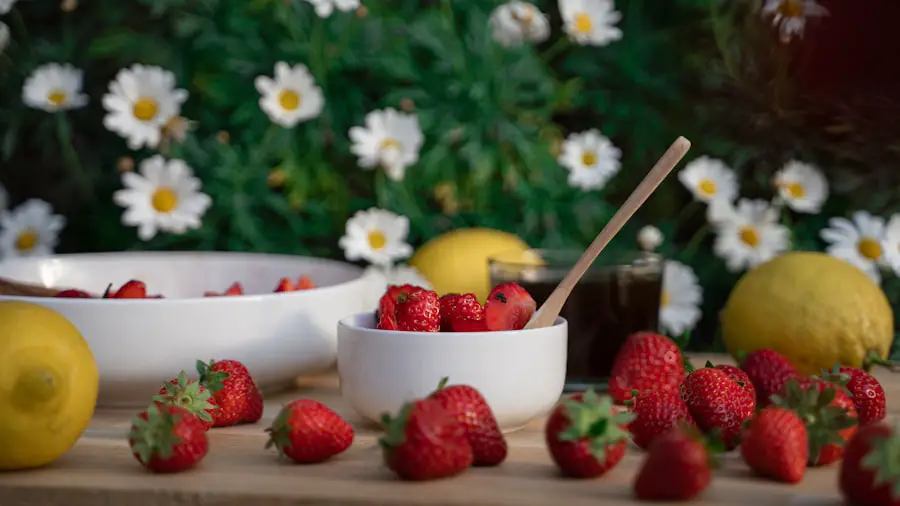
When crafting salads for children, it is essential to choose ingredients that are not only nutritious but also appealing to young palates. Leafy greens such as romaine lettuce, spinach, or arugula serve as excellent bases due to their mild flavors and crisp textures. These greens can be complemented with a variety of colorful vegetables like cherry tomatoes, cucumbers, and shredded carrots.
The vibrant colors not only make the salad visually appealing but also indicate a range of nutrients. Fruits can also be a delightful addition to salads, providing natural sweetness that kids often crave. Ingredients like diced apples, mandarin oranges, or strawberries can enhance the flavor profile while adding essential vitamins.
Additionally, incorporating proteins such as grilled chicken, chickpeas, or cheese can make the salad more filling and satisfying. Nuts and seeds can add a crunchy texture but should be introduced cautiously due to potential allergies. By mixing these ingredients creatively, parents can ensure that their children receive a balanced meal that is both enjoyable and nutritious.
Fun and Creative Ways to Present Salads to Kids
Presentation plays a crucial role in making salads appealing to children. One effective strategy is to create themed salads that align with children’s interests. For example, a “rainbow salad” featuring an array of colorful vegetables arranged in layers can captivate young imaginations.
Using cookie cutters to shape vegetables into fun forms—like stars or hearts—can also add an element of playfulness to the dish. Another engaging approach is to serve salads in unique containers or on skewers. Salad jars are an excellent option; layering ingredients in a clear jar not only looks attractive but also keeps the salad fresh until mealtime.
Alternatively, assembling salad kebabs with chunks of vegetables and fruits on skewers allows kids to eat with their hands, making the experience more interactive. These creative presentations can transform salads from simple side dishes into exciting culinary adventures that children will eagerly anticipate.
Quick and Easy Salad Recipes for Kids
Creating quick and easy salad recipes for kids doesn’t have to be complicated. One simple recipe is the “Taco Salad,” which combines seasoned ground turkey or beef with lettuce, diced tomatoes, black beans, corn, and shredded cheese. Topped with a dollop of sour cream or guacamole, this salad mimics the flavors of a taco while providing essential nutrients.
” This refreshing dish features a mix of seasonal fruits such as berries, bananas, and kiwi tossed with a dollop of yogurt and a sprinkle of granola for added crunch. This salad not only serves as a nutritious snack but can also double as a light dessert. By keeping recipes straightforward and using familiar ingredients, parents can encourage their children to enjoy salads without feeling overwhelmed by complex flavors or textures.
Tips for Getting Kids Involved in Making Salads
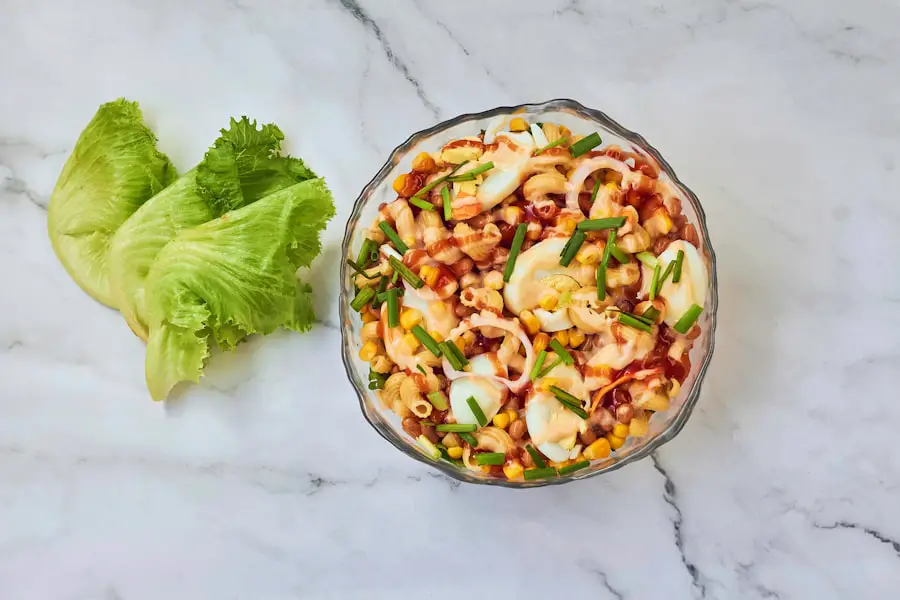
Involving children in the preparation of salads can significantly enhance their interest in eating them. One effective way to do this is by allowing kids to choose their favorite ingredients from a selection of healthy options. This empowers them to make decisions about what goes into their meals while ensuring they are still making nutritious choices.
Additionally, assigning age-appropriate tasks during the preparation process can make it more enjoyable for kids. Younger children can wash vegetables or tear lettuce leaves, while older kids might enjoy chopping ingredients with supervision or mixing dressings. Creating a family salad night where everyone contributes can turn meal preparation into a fun bonding experience.
This not only teaches valuable cooking skills but also instills a sense of pride in creating something delicious and healthy.
Nutritious Salad Dressing Ideas for Kids
Salad dressings can significantly influence children’s willingness to eat salads; therefore, offering nutritious options is essential. Homemade dressings allow parents to control the ingredients while avoiding preservatives found in many store-bought varieties. A simple vinaigrette made from olive oil, apple cider vinegar, honey, and mustard can provide a tangy flavor that complements various salads without overwhelming them.
For those who prefer creamier dressings, yogurt-based options are an excellent choice. Mixing plain yogurt with herbs like dill or basil creates a flavorful dressing that is lower in fat than traditional creamy dressings while still being rich in taste. Another fun idea is to create “dipping sauces” using hummus or guacamole as dressings for salads served with fresh vegetable sticks.
These alternatives not only enhance flavor but also add nutritional value to the meal.
Encouraging Healthy Eating Habits in Kids through Salads
Encouraging healthy eating habits in children through salads is an effective strategy that combines nutrition with creativity. By introducing easy salad recipes that incorporate vibrant ingredients and engaging presentations, parents can foster an appreciation for wholesome foods from an early age. The benefits of including salads in children’s diets extend beyond immediate health; they lay the groundwork for lifelong healthy eating patterns.
As children become more involved in selecting and preparing their meals, they develop a sense of autonomy over their food choices. This empowerment is crucial in helping them make informed decisions about their diets as they grow older.
If you’re looking for a fun and nutritious way to get kids excited about healthy eating, check out our article on Easy Salad Recipes for Kids to Enjoy. For a delightful twist on traditional salads, you might also be interested in the Pan Bagnat: Le French Tuna Salad Sandwich, which combines fresh ingredients in a way that’s both tasty and appealing to young palates.
FAQs
What are some easy salad recipes for kids to enjoy?
Some easy salad recipes for kids to enjoy include fruit salad with a honey-yogurt dressing, pasta salad with colorful vegetables, and a classic Caesar salad with kid-friendly toppings like croutons and grilled chicken.
How can I make salads more appealing to kids?
You can make salads more appealing to kids by involving them in the preparation process, using colorful and fun ingredients, and offering a variety of dressings and toppings for them to choose from.
Are there any tips for getting kids to eat more salads?
Some tips for getting kids to eat more salads include making the salads visually appealing, offering a variety of textures and flavors, and being a positive role model by enjoying salads yourself.
What are some healthy ingredients to include in kids’ salads?
Some healthy ingredients to include in kids’ salads are leafy greens like spinach and kale, colorful vegetables like bell peppers and cherry tomatoes, and protein sources like grilled chicken or chickpeas.
Can kids help with making salads?
Yes, kids can help with making salads by washing and tearing lettuce, chopping soft fruits and vegetables with a child-safe knife, and mixing dressings and toppings. Involving kids in the preparation process can make them more excited to eat the salad.