

Avocado salad has emerged as a popular dish in contemporary cuisine, celebrated for its creamy texture and rich flavor profile. This vibrant salad not only tantalizes the taste buds but also serves as a canvas for a variety of ingredients, making it a versatile option for any meal. The avocado, often referred to as a superfood, is the star of this dish, providing a unique combination of taste and nutrition.
Its buttery consistency complements a range of vegetables, proteins, and dressings, allowing for endless creativity in the kitchen. The appeal of avocado salad extends beyond its deliciousness; it is also a reflection of modern dietary trends that emphasize fresh, whole foods. As more people become aware of the importance of healthy eating, dishes like avocado salad have gained traction for their ability to deliver essential nutrients while being easy to prepare.
Whether served as a side dish, a light lunch, or a main course, avocado salad can be tailored to suit various dietary preferences and occasions, making it a staple in many households.
Key Takeaways
- Avocado salad is a nutritious and delicious dish rich in healthy fats.
- Key ingredients include ripe avocados, fresh vegetables, and simple seasonings.
- Preparation involves easy steps like chopping, mixing, and seasoning.
- Customization options allow adding proteins, herbs, or different dressings.
- Leftover avocado salad should be stored properly to maintain freshness.
Benefits of Avocado for Healthy Fats
Avocados are often lauded for their high content of monounsaturated fats, which are considered heart-healthy. These fats play a crucial role in reducing bad cholesterol levels and lowering the risk of heart disease. Unlike saturated fats found in many animal products, the monounsaturated fats in avocados can help improve overall cardiovascular health.
This makes avocado salad not just a delicious choice but also a smart one for those looking to maintain or improve their heart health. In addition to their healthy fat content, avocados are packed with essential nutrients. They are rich in vitamins such as E, K, and several B vitamins, along with minerals like potassium and magnesium.
These nutrients contribute to various bodily functions, including maintaining healthy skin, supporting bone health, and regulating blood pressure. Furthermore, avocados are an excellent source of dietary fiber, which aids digestion and promotes a feeling of fullness. This combination of healthy fats and nutrients makes avocado salad an ideal choice for anyone seeking to enhance their diet with wholesome ingredients.
Ingredients for Easy Avocado Salad
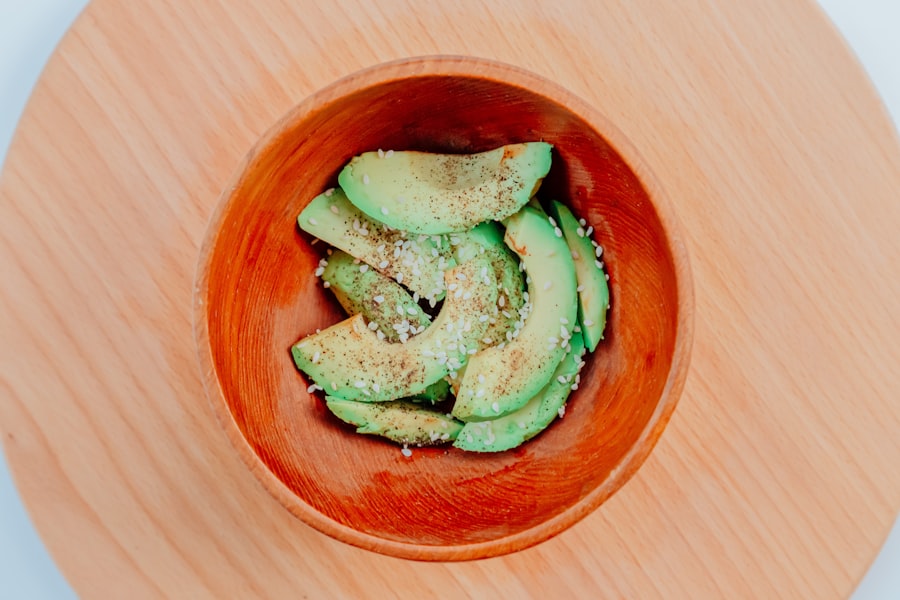
Creating an avocado salad can be as simple or as elaborate as one desires, depending on personal taste and available ingredients. At its core, the essential components include ripe avocados, fresh vegetables, and a dressing that complements the flavors. Ripe avocados should be firm yet slightly soft to the touch; this indicates they are ready to be sliced and incorporated into the salad.
Common vegetable additions include tomatoes, cucumbers, red onions, and bell peppers, each contributing their unique textures and flavors. For those looking to add protein to their avocado salad, options abound. Grilled chicken, shrimp, or chickpeas can elevate the dish while providing additional nutritional benefits.
Fresh herbs such as cilantro or parsley can also enhance the flavor profile, adding brightness and freshness. When it comes to dressing, a simple mixture of olive oil, lemon juice, salt, and pepper can work wonders. Alternatively, one might opt for a creamy dressing like yogurt or tahini to create a richer experience.
The beauty of avocado salad lies in its adaptability; one can easily swap ingredients based on seasonal availability or personal preference.
Step-by-step Instructions for Making Avocado Salad
Making an avocado salad is straightforward and can be accomplished in just a few steps. Begin by gathering all necessary ingredients: ripe avocados, your choice of vegetables, protein (if desired), herbs, and dressing components. Start by preparing the vegetables; wash them thoroughly and chop them into bite-sized pieces.
For example, dice tomatoes and cucumbers into small cubes while slicing red onions thinly to ensure they blend well with the other ingredients. Next, cut the avocados in half lengthwise and remove the pit carefully. Using a spoon, scoop out the flesh and cut it into cubes or slices according to your preference.
Combine the chopped vegetables and avocado in a large mixing bowl. If you are adding protein such as grilled chicken or chickpeas, incorporate them at this stage as well. To finish off the salad, drizzle your chosen dressing over the mixture and gently toss everything together until well combined.
Be cautious not to mash the avocados; you want to maintain their shape for texture.
Tips for Customizing Avocado Salad
| Ingredient | Quantity | Calories | Healthy Fats (g) | Fiber (g) | Vitamin C (mg) |
|---|---|---|---|---|---|
| Avocado | 1 medium (150g) | 240 | 22 | 10 | 12 |
| Cherry Tomatoes | 1 cup (150g) | 30 | 0.3 | 2 | 20 |
| Cucumber | 1 cup sliced (104g) | 16 | 0.1 | 0.5 | 4 |
| Red Onion | 1/4 cup sliced (40g) | 16 | 0 | 0.7 | 3 |
| Olive Oil (dressing) | 1 tbsp (15ml) | 120 | 14 | 0 | 0 |
| Lemon Juice (dressing) | 1 tbsp (15ml) | 4 | 0 | 0.1 | 7 |
| Total | 426 | 36.4 | 13.3 | 46 |
One of the most appealing aspects of avocado salad is its versatility; it can be easily customized to suit individual tastes or dietary needs. For those who enjoy a bit of heat, adding diced jalapeños or a sprinkle of red pepper flakes can provide an exciting kick. Alternatively, if you prefer milder flavors, consider incorporating sweet corn or diced mango for a touch of sweetness that balances the creaminess of the avocado.
For those following specific dietary restrictions or preferences, there are numerous ways to adapt the salad accordingly.
Gluten-free individuals can enjoy this dish without worry since it naturally contains no gluten.
Additionally, experimenting with different dressings can yield delightful results; try using balsamic vinegar for a tangy twist or sesame oil for an Asian-inspired flavor profile. The possibilities are endless when it comes to customizing your avocado salad.
Serving Suggestions for Avocado Salad
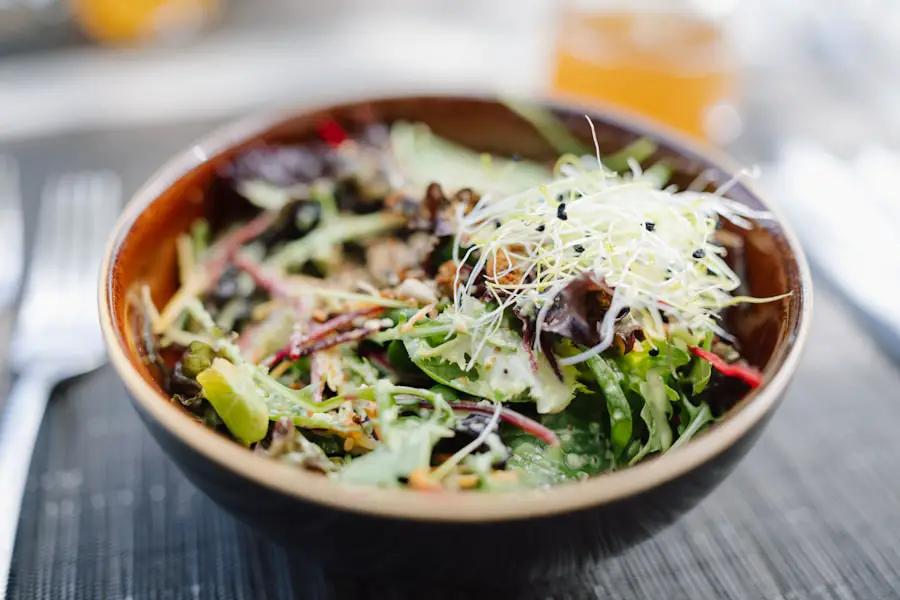
Avocado salad can be served in various ways that enhance its appeal and presentation. For a casual gathering or picnic, consider serving it in individual cups or jars for easy portion control and convenience. This not only makes it visually appealing but also allows guests to enjoy their own servings without needing utensils.
Alternatively, you can serve the salad on a bed of mixed greens or alongside grilled meats for a more substantial meal. For those looking to impress at dinner parties or special occasions, consider plating the avocado salad artistically on a large serving platter. Garnish with fresh herbs or edible flowers to elevate its visual appeal further.
Pairing the salad with complementary dishes such as grilled fish or roasted vegetables can create a harmonious dining experience that highlights the flavors of each component.
Storing Leftover Avocado Salad
Storing leftover avocado salad requires some care to maintain its freshness and prevent browning. The primary concern with avocados is their tendency to oxidize when exposed to air, leading to an unappetizing brown color. To mitigate this issue, consider storing any leftover salad in an airtight container.
If possible, separate the dressing from the salad until you are ready to consume it; this will help keep the ingredients fresh longer. If you find yourself with leftover avocado salad that has already been dressed, adding a splash of lemon juice can help slow down oxidation while enhancing flavor at the same time. When stored properly in the refrigerator, leftover avocado salad can typically last for one to two days before it begins to lose its quality.
However, it’s best enjoyed fresh; thus, making smaller batches may be advisable if you anticipate leftovers.
Conclusion and Final Thoughts on Avocado Salad
Avocado salad stands out as a delightful dish that combines flavor with nutrition in an accessible way. Its versatility allows it to cater to various tastes and dietary preferences while providing numerous health benefits thanks to its star ingredient—the avocado. With simple preparation steps and endless customization options, this salad is perfect for both casual meals and elegant gatherings alike.
As more people embrace healthy eating habits and seek out fresh ingredients, avocado salad will undoubtedly continue to hold its place as a beloved choice in kitchens around the world. Whether enjoyed on its own or as part of a larger meal spread, this dish exemplifies how wholesome ingredients can come together to create something truly special.
If you’re looking to incorporate more healthy fats into your diet, the Easy Avocado Salad is a fantastic choice. For another delicious and nutritious option, you might want to check out the Moros Warm Squash Chickpea Salad with Tahini, which combines wholesome ingredients and healthy fats to create a satisfying meal.
FAQs
What are the health benefits of eating avocado salad?
Avocado salad provides healthy monounsaturated fats, which can help improve heart health, reduce bad cholesterol levels, and support overall brain function. It is also rich in fiber, vitamins, and minerals.
How do I make an easy avocado salad?
An easy avocado salad typically involves chopping ripe avocados and mixing them with fresh vegetables like tomatoes, cucumbers, onions, and a simple dressing made from olive oil, lemon or lime juice, salt, and pepper.
Can avocado salad help with weight management?
Yes, avocado salad can aid in weight management because the healthy fats and fiber promote satiety, helping you feel full longer and potentially reducing overall calorie intake.
Is avocado salad suitable for people with dietary restrictions?
Avocado salad is generally suitable for most diets, including vegetarian, vegan, gluten-free, and keto diets. However, individuals with avocado allergies should avoid it.
How should I store avocado salad to keep it fresh?
To keep avocado salad fresh, store it in an airtight container in the refrigerator and consume it within 1-2 days. Adding lemon or lime juice can help prevent the avocado from browning.
Can I add other ingredients to avocado salad?
Yes, you can customize avocado salad by adding ingredients like nuts, seeds, herbs, cheese, or proteins such as grilled chicken or shrimp to enhance flavor and nutritional value.
Is avocado salad a good source of vitamins and minerals?
Yes, avocado salad is rich in vitamins such as vitamin K, vitamin E, vitamin C, and several B vitamins, as well as minerals like potassium and magnesium.