

Kvass is a traditional fermented beverage that has its roots in Eastern Europe, particularly in Russia and Ukraine. It is often described as a low-alcohol drink, typically containing around 0.5% to 2% alcohol by volume, making it a popular choice for those seeking a refreshing beverage without the intoxicating effects of stronger alcoholic drinks. The primary ingredient in kvass is rye bread, which is fermented with water, sugar, and sometimes additional flavorings such as fruits or herbs.
The fermentation process not only gives kvass its characteristic tangy flavor but also contributes to its effervescence, resulting in a lightly carbonated drink that is both thirst-quenching and satisfying. The flavor profile of kvass can vary significantly depending on the ingredients used and the fermentation time. Traditional kvass has a slightly sour taste, reminiscent of sourdough bread, with a hint of sweetness from the added sugar or fruits.
Some variations may include ingredients like beets, berries, or even herbs, which can impart unique flavors and colors to the final product. Kvass is often enjoyed chilled and can be consumed on its own or used as a base for cocktails and other beverages. Its versatility and refreshing qualities have contributed to its enduring popularity across various cultures.
Key Takeaways
- Kvass is a traditional fermented beverage made from bread, water, and a starter culture, popular in Eastern Europe and Russia.
- The history of kvass dates back to ancient times, with evidence of its consumption in early Slavic and Baltic cultures.
- Health benefits of kvass include probiotic properties, aiding digestion, and providing a source of B vitamins and antioxidants.
- There are various types of kvass, including traditional rye bread kvass, fruit kvass, and beet kvass, each with its own unique flavor and nutritional profile.
- Making kvass at home involves fermenting bread or other ingredients with water and a starter culture, and can be customized with different flavors and additions. Incorporating kvass into your diet can provide a tasty and nutritious alternative to sugary drinks, and can be used in cocktails and cooking.
The History of Kvass
The Humble Beginnings of Kvass
It is believed that kvass was first created by peasants as a way to utilize leftover bread, transforming stale loaves into a nourishing beverage through fermentation. This practice not only minimized food waste but also provided a source of hydration and sustenance during times when clean drinking water was scarce.
Throughout history, kvass has been more than just a beverage; it has played a significant role in cultural rituals and celebrations. In medieval Russia, kvass was often consumed during religious holidays and feasts, symbolizing hospitality and community.
The Spread of Kvass and Its Legacy
The drink was also associated with various folk traditions, where it was believed to possess health benefits and even magical properties. As trade routes expanded and cultural exchanges occurred, kvass began to spread beyond Eastern Europe, influencing similar fermented beverages in other regions. Today, kvass is recognized not only as a traditional drink but also as a symbol of Slavic heritage and identity.
Health Benefits of Kvass
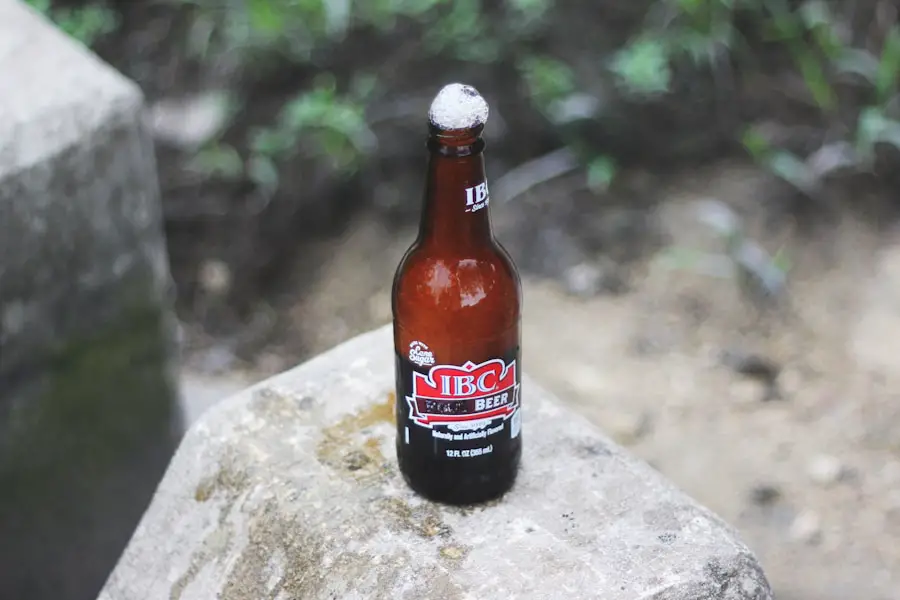
Kvass is often lauded for its potential health benefits, primarily due to its fermentation process. The natural fermentation of kvass produces beneficial probiotics, which are live microorganisms that can promote gut health. These probiotics help maintain a balanced gut microbiome, which is essential for digestion and overall well-being.
Regular consumption of probiotic-rich foods and beverages like kvass may aid in alleviating digestive issues such as bloating, constipation, and irritable bowel syndrome. In addition to its probiotic content, kvass is also rich in vitamins and minerals. The fermentation process enhances the bioavailability of certain nutrients found in the ingredients used to make kvass, such as B vitamins from the bread and antioxidants from any added fruits or herbs.
For instance, beet kvass, which incorporates beets into the recipe, is known for its high levels of nitrates that can improve blood flow and lower blood pressure. Furthermore, kvass is typically lower in calories compared to many sugary soft drinks or alcoholic beverages, making it a healthier alternative for those looking to reduce their sugar intake while still enjoying a flavorful drink.
Different Varieties of Kvass
| Variety | Alcohol Content | Calories per 100ml | Ingredients |
|---|---|---|---|
| Traditional | 0.5-1% | 25 | Rye bread, water, sugar, yeast |
| Fruit-flavored | 0.5-1% | 30 | Rye bread, water, sugar, yeast, fruit juice |
| Honey | 0.5-1% | 28 | Rye bread, water, honey, yeast |
While traditional rye bread kvass remains the most well-known variety, there are numerous regional adaptations and creative interpretations of this beloved beverage. Each variation reflects local ingredients and cultural preferences, resulting in a diverse array of flavors and styles. For example, beet kvass has gained popularity not only for its vibrant color but also for its unique earthy flavor profile.
Made by fermenting beets with water and sugar, this version is often touted for its health benefits, particularly for supporting liver function and detoxification. Another popular variation is fruit kvass, which incorporates seasonal fruits such as apples, berries, or cherries into the fermentation process. These fruity versions tend to be sweeter and more aromatic than traditional kvass, appealing to those who prefer a milder taste.
Some recipes even call for spices like ginger or mint to enhance the flavor further. Additionally, there are modern interpretations that experiment with different grains or sweeteners, such as using wheat or barley instead of rye or incorporating honey instead of sugar. This creativity has led to a resurgence of interest in kvass among craft beverage enthusiasts who appreciate both its historical significance and its potential for innovation.
How to Make Kvass at Home
Making kvass at home is a straightforward process that requires minimal ingredients and equipment. To begin, one would typically gather stale rye bread, water, sugar (or honey), and optional flavorings such as fruits or herbs. The first step involves cutting the bread into small cubes and toasting them lightly in the oven until they are golden brown.
This step enhances the flavor of the bread and contributes to the final taste of the kvass. Once the bread is toasted, it should be placed in a large container or jar along with sugar dissolved in warm water. The mixture is then allowed to cool before adding any additional flavorings or yeast if desired.
Afterward, the container should be covered with a cloth or lid to allow for airflow while preventing contaminants from entering. The mixture needs to ferment at room temperature for about 2 to 5 days, depending on the desired level of fermentation and sourness. During this time, bubbles will form as carbon dioxide is produced, indicating that fermentation is taking place.
Once the kvass reaches the desired flavor profile, it can be strained into bottles for storage in the refrigerator.
Incorporating Kvass into Your Diet

Enjoying Kvass as a Refreshing Beverage
One simple way to enjoy kvass is by drinking it straight as a refreshing beverage alongside meals or as an afternoon pick-me-up.
Kvass as a Base for Unique Drinks
Additionally, kvass can serve as an excellent base for cocktails; mixing it with spirits like vodka or gin can create unique drinks that highlight its complex flavors.
Using Kvass in Cooking and Baking
Beyond drinking it on its own or in cocktails, kvass can also be used creatively in cooking. It can be incorporated into salad dressings for an added depth of flavor or used as a marinade for meats to tenderize them while infusing them with a subtle sourness. Kvass can even be used in baking; substituting it for water or other liquids in bread recipes can yield loaves with enhanced flavor and texture due to its fermentation properties.
If you’re looking for a unique beverage to pair with your meal, consider trying Kvass, a traditional Russian fermented drink made from rye bread. For a delicious meal to enjoy alongside Kvass, check out this recipe for Creamy Gorgonzola Farfalle with Apples and Pecans. The creamy and tangy flavors of the pasta dish will complement the slightly sour and fizzy taste of Kvass perfectly. For more culinary inspiration, be sure to also explore recipes like Pistachio Mint Spice-Crusted Lamb Chops and Cutler & Co’s Wood-Grilled Prawns with Fried Garlic and Chilli Oil.Source
FAQs
What is Kvass?
Kvass is a traditional fermented beverage that originated in Eastern Europe. It is typically made from rye bread, but can also be made from other grains such as barley or wheat.
How is Kvass made?
Kvass is made by fermenting bread or grains with water, sugar, and sometimes fruit or herbs. The mixture is left to ferment for a few days, during which time the natural yeast and bacteria present in the bread or grains convert the sugars into alcohol and carbon dioxide.
What does Kvass taste like?
Kvass has a slightly sour and tangy flavor, with a hint of sweetness. It is often described as refreshing and slightly effervescent.
Is Kvass alcoholic?
Kvass typically has a very low alcohol content, usually less than 1%. However, some traditional recipes may result in a slightly higher alcohol content.
Is Kvass healthy?
Kvass is often considered to be a healthy beverage due to its probiotic content from the fermentation process. It also contains B vitamins and minerals from the grains used in its production.
How is Kvass consumed?
Kvass is often consumed as a refreshing beverage, especially during the summer months. It can also be used as an ingredient in soups, marinades, and salad dressings.