

Compote is a delightful fruit-based dish that has been enjoyed for centuries, characterized by its simplicity and versatility. At its core, compote consists of whole or chopped fruits that are cooked down with sugar and often flavored with spices or citrus. The result is a sweet, syrupy mixture that can be served warm or cold, making it a popular choice for various occasions.
The texture of compote can range from chunky to smooth, depending on the cooking method and the desired outcome. It is often used as a topping for desserts, breakfast items, or even savory dishes, showcasing the fruit’s natural flavors while enhancing them with the sweetness of sugar. The beauty of compote lies in its adaptability.
While traditional recipes often feature fruits like apples, pears, and berries, virtually any fruit can be transformed into a compote. This makes it an excellent way to utilize seasonal produce or to preserve fruits that may be nearing their peak ripeness.
Whether served over pancakes, yogurt, ice cream, or as a filling for pastries, compote adds a burst of flavor and a touch of elegance to any dish.
Key Takeaways
- Compote is a type of fruit preserve made by cooking fruit in a sugar syrup.
- Compote has been enjoyed for centuries, with origins dating back to ancient civilizations.
- The basic ingredients for making compote include fruit, sugar, and sometimes spices or flavorings.
- Different methods for making compote include stovetop cooking, slow cooker, and pressure cooker.
- Tips for making the perfect compote include choosing ripe fruit, balancing sweetness, and adjusting flavors to taste.
The History of Compote
The origins of compote can be traced back to medieval Europe, where it was first documented in French culinary texts. The term “compote” itself comes from the Latin word “compositus,” meaning “put together.” This reflects the dish’s nature as a combination of fruits and sweeteners cooked together. In the 17th century, compote became a staple in French cuisine, often served at banquets and feasts as a way to showcase the bounty of seasonal fruits.
It was not only a dessert but also a means of preserving fruits for later use, especially during the winter months when fresh produce was scarce. As culinary practices evolved, so did the preparation and presentation of compote. By the 18th century, it had gained popularity across Europe and was embraced by various cultures, each adding their unique twist to the dish.
In England, for instance, compote was often served alongside roasted meats as a sweet contrast to savory flavors. Meanwhile, in Eastern European countries, compote took on a more rustic form, often made with dried fruits and served as a comforting beverage or dessert. This rich history highlights how compote has transcended time and geography, adapting to local ingredients and tastes while remaining a beloved culinary tradition.
The Basic Ingredients for Making Compote
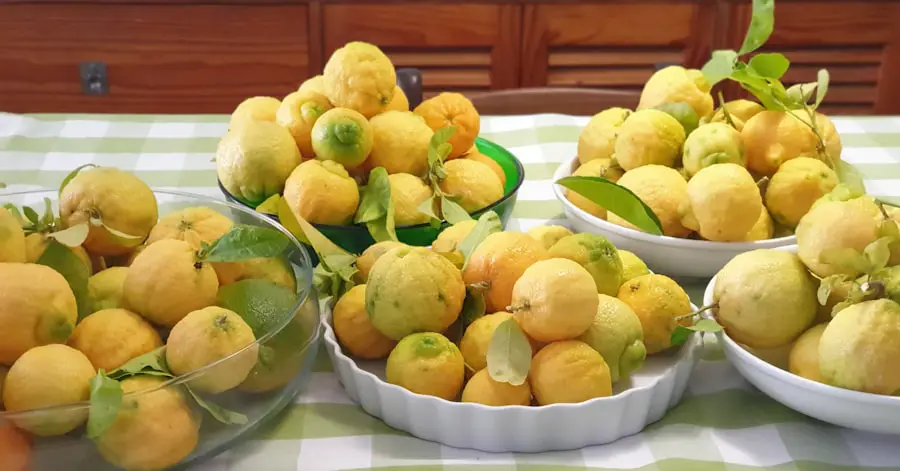
Creating a delicious compote requires only a few essential ingredients, making it an accessible dish for home cooks. The primary component is, of course, the fruit. Fresh fruits such as strawberries, blueberries, peaches, and cherries are commonly used due to their natural sweetness and juiciness.
However, frozen fruits can also be utilized when fresh options are not available, providing year-round versatility. The choice of fruit can significantly influence the flavor profile of the compote; for example, tart fruits like cranberries or rhubarb may require additional sugar to balance their acidity. In addition to fruit, sugar is another crucial ingredient in compote preparation.
The amount of sugar can vary based on personal preference and the natural sweetness of the fruit being used. Some recipes may call for granulated sugar, while others might suggest alternatives like honey or maple syrup for added depth of flavor. To enhance the taste further, spices such as cinnamon, nutmeg, or vanilla can be incorporated into the mixture during cooking.
Citrus zest or juice—such as lemon or orange—can also brighten the flavors and add a refreshing note to the final product.
Different Methods for Making Compote
| Method | Preparation Time | Cooking Time | Servings |
|---|---|---|---|
| Stovetop Method | 10 minutes | 20 minutes | 4 servings |
| Slow Cooker Method | 10 minutes | 2-4 hours | 6 servings |
| Instant Pot Method | 10 minutes | 10 minutes | 4 servings |
There are several methods for preparing compote, each yielding slightly different results in terms of texture and flavor intensity. The most common approach involves simmering the fruit with sugar and any additional flavorings in a saucepan over low heat. This method allows the fruit to soften and release its juices gradually while the sugar dissolves and forms a syrupy consistency.
Depending on the type of fruit used and personal preference, this process typically takes anywhere from 10 to 30 minutes. Another method involves roasting the fruit before combining it with sugar and spices. Roasting intensifies the natural sugars in the fruit and adds a caramelized flavor that can elevate the overall taste of the compote.
This technique works particularly well with denser fruits like apples or pears. Simply toss the fruit with sugar and spices, spread it on a baking sheet, and roast until tender before mixing it with additional ingredients on the stovetop. For those looking for a quicker option, microwave compote is also an effective method.
By placing chopped fruit in a microwave-safe bowl with sugar and any desired flavorings, cooks can achieve a similar result in just a few minutes. This method is particularly useful for small batches or when time is of the essence.
Tips for Making the Perfect Compote
To achieve the perfect compote, there are several tips that can enhance both flavor and texture. First and foremost is selecting ripe fruit; using fruit at its peak ripeness ensures maximum sweetness and flavor. When preparing your ingredients, consider cutting larger fruits into uniform pieces to promote even cooking.
This will help prevent some pieces from becoming mushy while others remain firm. Monitoring the cooking process is crucial as well. While simmering the fruit mixture, keep an eye on it to prevent burning or sticking to the bottom of the pan.
Stirring occasionally will help distribute heat evenly and allow for better flavor integration. Taste testing during cooking is also recommended; this allows you to adjust sweetness or acidity levels according to your preference. Lastly, consider allowing your compote to cool before serving.
As it cools, the flavors will meld together more harmoniously, resulting in a more balanced taste experience. If you prefer a smoother texture, blending the mixture after cooking can create a sauce-like consistency that works beautifully as a topping for various dishes.
How to Serve and Store Compote
Serving Suggestions
For breakfast, consider spooning warm compote over oatmeal or yogurt for added sweetness and flavor. It also pairs wonderfully with pancakes or waffles as a delightful alternative to syrup. For dessert lovers, serving compote over ice cream or cheesecake creates an indulgent treat that highlights the natural fruit flavors.
Storage and Freshness
When it comes to storage, properly cooling your compote before transferring it to an airtight container is essential for maintaining freshness. Compote can typically be stored in the refrigerator for up to one week; however, its shelf life may vary depending on the ingredients used and how well it was cooked down.
Long-Term Storage Options
For longer storage options, consider freezing your compote in freezer-safe containers or bags. This allows you to enjoy seasonal flavors year-round; simply thaw in the refrigerator before use.
Variations and Flavors of Compote
The beauty of compote lies in its adaptability; there are countless variations that cater to different tastes and preferences. One popular variation is spiced compote, which incorporates warming spices like cinnamon or ginger to create a cozy flavor profile perfect for fall or winter dishes. For those who enjoy tropical flavors, consider using fruits like mangoes or pineapples combined with coconut milk for an exotic twist.
Another exciting variation is incorporating herbs into your compote for an unexpected flavor combination. Fresh mint or basil can add an aromatic quality that complements sweeter fruits beautifully. Additionally, experimenting with different types of sweeteners—such as agave nectar or brown sugar—can yield unique results that enhance specific fruit flavors.
For those looking to create more complex flavor profiles, consider adding liqueurs such as Grand Marnier or Amaretto during cooking for an adult twist on traditional compote recipes. These additions not only enhance flavor but also add depth and sophistication to your dish.
Compote in Culinary Culture
Compote holds a significant place in culinary culture across various regions worldwide. In France, it is often served as part of elaborate desserts or alongside cheese platters as a sweet contrast to savory flavors. The French have elevated compote into an art form by pairing it with gourmet cheeses or using it as an elegant filling for pastries like tarts and éclairs.
In Eastern Europe, particularly in countries like Poland and Hungary, compote takes on a more rustic charm. Here, it is commonly made with dried fruits such as prunes or apricots and served as a comforting beverage during colder months—a tradition that reflects both resourcefulness and cultural heritage. In contemporary cuisine, chefs have embraced compote as a versatile component that can elevate both sweet and savory dishes alike.
Its ability to bridge flavors makes it an ideal accompaniment for roasted meats or even as part of charcuterie boards alongside cured meats and cheeses. As culinary trends continue to evolve towards sustainability and seasonality, compote remains relevant by allowing cooks to utilize surplus fruits creatively while celebrating local produce throughout the year. Its rich history combined with modern interpretations ensures that this simple yet elegant dish will continue to delight palates around the world for generations to come.
If you’re looking for a delicious dessert to pair with your compote, you might want to try these Peanut-Studded Milk Chocolate Brownies. This recipe combines the rich flavors of milk chocolate and peanuts for a decadent treat that is sure to satisfy your sweet tooth. Check out the full recipe here.
FAQs
What is compote?
Compote is a dessert made of whole or pieces of fruit cooked in a sugar syrup. It can be served as a topping for yogurt, ice cream, or oatmeal, or enjoyed on its own.
How is compote different from jam or jelly?
Compote is different from jam or jelly in that it is made with whole or pieces of fruit, whereas jam and jelly are made with fruit juice or pulp. Compote also has a chunkier texture compared to the smooth consistency of jam and jelly.
What fruits are commonly used to make compote?
Common fruits used to make compote include berries (such as strawberries, raspberries, and blueberries), stone fruits (such as peaches, plums, and cherries), and apples or pears.
Is compote healthy?
Compote can be a healthy option as it is made with fruit and can be enjoyed as part of a balanced diet. However, it is important to be mindful of the added sugar content in the syrup used to cook the fruit.
How long does compote last?
When stored in an airtight container in the refrigerator, compote can last for up to 2 weeks. It can also be frozen for longer storage.