

The trifle, a dessert that has become synonymous with British culinary tradition, boasts a rich history that dates back to the 16th century. Its origins can be traced to a simple mixture of cream, sugar, and flavorings, which was often served as a light dish. The term “trifle” itself is derived from the Old French word “trufle,” meaning something of little importance or a trifling matter.
However, as time progressed, this seemingly modest dessert evolved into a multi-layered spectacle that captured the hearts and palates of many. By the 18th century, trifles began to incorporate sponge cake, fruit, and custard, reflecting the growing influence of French cuisine on English cooking. As the trifle gained popularity, it became a staple at festive occasions and family gatherings.
The Victorian era saw the dessert reach new heights of opulence, with elaborate presentations that included decorative glass bowls showcasing the vibrant layers of fruit, cream, and cake. This period also marked the introduction of gelatin into the trifle, allowing for even more creative variations. The dessert’s appeal transcended social classes, making it a beloved choice for both the affluent and the working class.
As British colonization spread across the globe, so too did the trifle, adapting to local ingredients and tastes while maintaining its core essence.
Key Takeaways
- Trifle originated in England and has spread around the world, evolving into various regional variations.
- The perfect trifle requires layers of flavor and texture, including sponge cake, fruit, custard, and whipped cream.
- When assembling a trifle, focus on presentation to create an impressive and appetizing dessert.
- There are countless variations of trifle, from traditional English sherry trifle to creative modern interpretations.
- Trifle pairs well with a variety of beverages, from champagne to coffee, enhancing the dessert experience.
Ingredients for the Perfect Trifle: Layers of Flavor and Texture
The Foundation: Sponge Cake
At its core, a traditional trifle consists of sponge cake or ladyfingers soaked in sherry or fruit juice. The sponge cake serves as the foundation, providing a soft and absorbent base that soaks up the flavors of the liquid it is paired with.
The Elevator: Custard
The custard is another essential component that elevates the trifle from simple to sublime. A homemade custard made from egg yolks, sugar, milk, and cornstarch creates a velvety texture that complements the other layers beautifully. For those pressed for time, store-bought custard can be a convenient alternative without sacrificing too much flavor.
The Finishing Touches
Fresh fruits such as strawberries, raspberries, or peaches not only add vibrant color but also provide a refreshing contrast to the richness of the cream and custard. Finally, a generous layer of whipped cream crowns the trifle, adding lightness and an indulgent finish that ties all the elements together.
Tips for Assembling the Ultimate Trifle: Presentation is Key
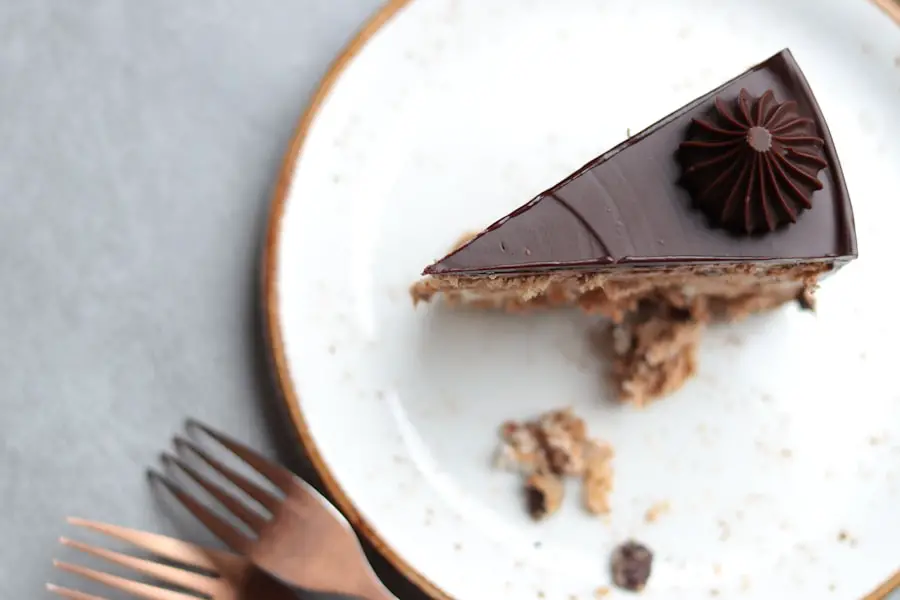
When it comes to assembling a trifle, presentation plays a crucial role in its overall appeal. A clear glass bowl is often preferred for serving trifles, as it allows guests to admire the beautiful layers of colors and textures within. To achieve an eye-catching presentation, start by layering your ingredients thoughtfully. Begin with a layer of sponge cake at the bottom, followed by a drizzle of sherry or fruit juice to ensure it absorbs moisture without becoming overly soggy. Next, add a layer of custard, followed by fresh fruit and whipped cream.
To create visual interest, consider alternating the layers in different patterns or using various types of fruits to create a gradient effect. For instance, you might layer strawberries at the bottom for their vibrant red color, followed by yellow custard and then blueberries on top for a striking contrast. Additionally, garnishing with mint leaves or edible flowers can elevate the aesthetic appeal further.
Remember to leave some space at the top for whipped cream; this not only adds volume but also provides an inviting finish that beckons guests to dig in.
Variations on the Classic Trifle: From Traditional to Creative
| Trifle Variation | Ingredients | Preparation Time | Servings |
|---|---|---|---|
| Traditional Trifle | Sponge cake, custard, berries, whipped cream | 30 minutes | 8-10 |
| Chocolate Trifle | Brownies, chocolate pudding, toffee bits, whipped cream | 45 minutes | 8-10 |
| Fruit and Nut Trifle | Vanilla cake, mixed fruits, nuts, vanilla custard | 40 minutes | 8-10 |
| Lemon Berry Trifle | Lemon pound cake, lemon curd, mixed berries, whipped cream | 35 minutes | 8-10 |
While the classic trifle remains a beloved favorite, there is no shortage of creative variations that can cater to diverse tastes and dietary preferences. For instance, a chocolate trifle can be made by substituting chocolate cake for traditional sponge cake and layering it with chocolate mousse instead of custard. This decadent twist appeals to chocolate lovers and offers a rich alternative to the original recipe.
Alternatively, a tropical trifle can incorporate layers of coconut sponge cake, pineapple chunks, and coconut cream for a refreshing take that transports diners to sun-soaked beaches. For those seeking healthier options, consider creating a yogurt-based trifle using Greek yogurt instead of custard. This not only reduces calories but also adds protein and probiotics to the dessert.
Layering granola with yogurt and fresh berries creates a delightful breakfast or brunch option that retains the essence of a traditional trifle while offering a nutritious twist. Vegan adaptations are also gaining popularity; using plant-based whipped cream and dairy-free custard allows those with dietary restrictions to enjoy this classic dessert without compromise.
Pairing Trifle with the Perfect Beverage: A Match Made in Dessert Heaven
The experience of enjoying a trifle can be further enhanced by pairing it with complementary beverages that elevate its flavors. A classic choice is dessert wine; sweet wines such as Sauternes or late-harvest Riesling can beautifully complement the sweetness of the trifle while balancing its richness. The fruity notes in these wines harmonize with fresh fruit layers in the dessert, creating a cohesive tasting experience.
For those who prefer non-alcoholic options, consider serving a refreshing herbal tea or sparkling water infused with citrus fruits. The lightness of these beverages can cleanse the palate between bites while enhancing the overall enjoyment of the dessert. Additionally, coffee lovers might opt for a rich espresso or cappuccino; the bitterness of coffee contrasts nicely with the sweetness of the trifle, creating an intriguing balance that delights the senses.
Trifle for Every Occasion: From Casual Gatherings to Formal Events
Trifles are incredibly versatile desserts that can be adapted for any occasion, from casual family gatherings to formal celebrations. For informal get-togethers, consider preparing individual trifles in mason jars or small cups for easy serving and portion control. This not only adds a charming touch but also allows guests to enjoy their dessert without needing to share from a communal bowl.
On more formal occasions such as weddings or holiday parties, an extravagant trifle displayed in a large glass bowl can serve as an impressive centerpiece on dessert tables. The vibrant layers create visual appeal that draws guests in while offering them an indulgent treat after their meal. Customizing trifles to match seasonal themes—such as pumpkin spice trifles in autumn or berry trifles in summer—can also enhance their relevance to specific events.
Trifle as a Make-Ahead Dessert: Convenience without Compromising Flavor
One of the many advantages of trifles is their make-ahead potential, making them an ideal choice for busy hosts looking to streamline their event preparations without sacrificing flavor or quality. Most components of a trifle can be prepared in advance; sponge cakes can be baked days ahead and stored in an airtight container while custards can be made and refrigerated until assembly time. When it comes time to assemble your trifle, simply layer your pre-prepared ingredients in your serving dish and refrigerate until ready to serve.
In fact, allowing trifles to sit for several hours—or even overnight—can enhance their flavors as the ingredients meld together beautifully over time. This convenience allows hosts to focus on other aspects of their gatherings while ensuring that guests are treated to a delicious dessert.
The Timeless Appeal of Trifle: Why it Continues to be a Beloved Dessert Choice
The enduring popularity of trifle can be attributed to its delightful combination of flavors and textures as well as its adaptability to various tastes and occasions. Its layered structure not only creates visual appeal but also offers an exciting eating experience as each spoonful reveals different components—soft cake, creamy custard, fresh fruit, and airy whipped cream—all working in harmony. Moreover, trifles evoke nostalgia for many who associate them with family gatherings and celebrations from their childhoods.
This emotional connection adds depth to their appeal; they are not merely desserts but vessels for cherished memories shared over meals with loved ones. As culinary trends continue to evolve and diversify, trifles remain relevant by embracing new flavors and dietary preferences while retaining their classic charm—a testament to their timeless allure in dessert culture around the world.
If you’re looking for a delicious dessert to pair with your trifle, you might want to try making these Peanut-Studded Milk Chocolate Brownies. The combination of rich chocolate and crunchy peanuts is sure to satisfy your sweet tooth. Check out the recipe here.
FAQs
What is a trifle?
A trifle is a classic English dessert that consists of layers of sponge cake or ladyfingers, custard, fruit, and whipped cream. It is typically served in a glass bowl to showcase its layers.
What are the traditional ingredients in a trifle?
Traditional trifle ingredients include sponge cake or ladyfingers, custard, fruit (such as berries or peaches), sherry or fruit juice for soaking the cake, and whipped cream.
How is a trifle assembled?
To assemble a trifle, start by layering pieces of sponge cake or ladyfingers in the bottom of a glass bowl. Drizzle with sherry or fruit juice. Next, add a layer of custard, followed by a layer of fruit. Repeat the layers until the bowl is filled, then top with whipped cream.
Can a trifle be made in advance?
Yes, a trifle can be made in advance and stored in the refrigerator until ready to serve. In fact, allowing the trifle to chill for a few hours before serving can help the flavors meld together.
What are some variations of trifle?
There are many variations of trifle, including chocolate trifle, lemon trifle, and tropical fruit trifle. Some variations also use different types of cake, such as pound cake or brownies, and different flavors of custard or whipped cream.