

Thumbprint cookies are a delightful treat that has captured the hearts and taste buds of cookie lovers around the world. Characterized by their unique shape, these cookies feature a small indentation in the center, which is typically filled with jam, chocolate, or other sweet fillings. The combination of a buttery, crumbly texture and the burst of flavor from the filling makes thumbprint cookies a favorite for both casual snacking and festive occasions.
Their simplicity in preparation and the versatility of flavors they can accommodate contribute to their enduring popularity. The name “thumbprint” comes from the traditional method of creating the indentation, where bakers use their thumbs to press into the dough before adding the filling. This charming technique not only gives the cookies their name but also adds a personal touch to each one.
Whether enjoyed with a cup of tea or served at a holiday gathering, thumbprint cookies are a nostalgic reminder of home baking and the joy of sharing sweet treats with loved ones.
Key Takeaways
- Thumbprint cookies are a classic and versatile treat that can be filled with a variety of flavors.
- The history of thumbprint cookies dates back to the early 20th century and has roots in various cultures around the world.
- Basic ingredients for thumbprint cookies include flour, butter, sugar, and jam, along with equipment such as a mixing bowl, spoon, and baking sheet.
- Step-by-step instructions for making thumbprint cookies involve mixing the dough, shaping it into balls, creating an indentation, filling with jam, and baking until golden.
- Variations and flavors of thumbprint cookies can include different types of jam, chocolate, nuts, or even savory fillings, allowing for endless creativity in the kitchen.
The History of Thumbprint Cookies
The origins of thumbprint cookies can be traced back to various cultures, with similar recipes appearing in different forms across Europe and beyond. While it is difficult to pinpoint an exact birthplace, many culinary historians suggest that these cookies have roots in Eastern European baking traditions. In countries like Sweden and Poland, variations of thumbprint cookies have been made for generations, often referred to as “hallongrotta” in Sweden, which translates to “raspberry cave.” This name reflects the common use of raspberry jam as a filling, showcasing the cookie’s connection to local ingredients and flavors.
As these cookies traveled across borders, they adapted to regional tastes and available ingredients. In the United States, thumbprint cookies gained popularity in the mid-20th century, particularly during the holiday season. They became a staple in many households, often appearing on cookie platters alongside other festive treats.
The versatility of thumbprint cookies allowed bakers to experiment with different fillings, leading to a wide array of flavors that cater to diverse palates. This evolution highlights not only the cookie’s adaptability but also its ability to bring people together through shared culinary experiences.
Ingredients and Equipment Needed to Make Thumbprint Cookies
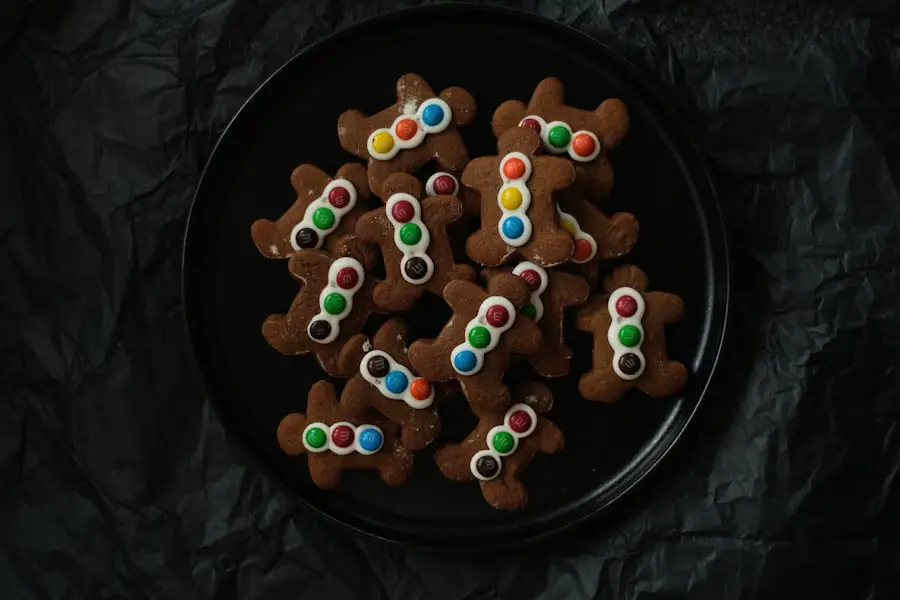
To create delicious thumbprint cookies, a few essential ingredients are required. The base of the cookie typically consists of all-purpose flour, unsalted butter, granulated sugar, brown sugar, an egg yolk, vanilla extract, and a pinch of salt.
The egg yolk adds moisture and helps bind the ingredients together, resulting in a tender crumb. In addition to these core ingredients, bakers will need their choice of filling for the thumbprints.
Common options include fruit preserves such as raspberry, apricot, or strawberry jam; chocolate ganache; or even nut butters for a unique twist. The choice of filling can significantly influence the overall flavor profile of the cookie, allowing for endless customization. When it comes to equipment, making thumbprint cookies requires some basic kitchen tools.
A mixing bowl and a hand mixer or stand mixer are essential for creaming the butter and sugars together. A spatula or wooden spoon will help incorporate the dry ingredients into the wet mixture. Additionally, a baking sheet lined with parchment paper is necessary for baking the cookies evenly without sticking.
A small spoon or your thumb will be needed to create the indentations in the dough before adding the filling.
Step-by-Step Instructions for Making Thumbprint Cookies
| Ingredients | Quantity |
|---|---|
| All-purpose flour | 2 cups |
| Unsalted butter | 1 cup |
| Granulated sugar | 1/2 cup |
| Vanilla extract | 1 tsp |
| Salt | 1/4 tsp |
| Jam (any flavor) | 1/4 cup |
| Optional: powdered sugar for dusting | – |
To begin making thumbprint cookies, preheat your oven to 350°F (175°C). In a mixing bowl, cream together 1 cup of unsalted butter and 1/2 cup of granulated sugar until light and fluffy. This process typically takes about 2-3 minutes with an electric mixer on medium speed.
Once well combined, add in 1 egg yolk and 1 teaspoon of vanilla extract, mixing until fully incorporated. Next, gradually add 2 cups of all-purpose flour and a pinch of salt to the butter mixture. Mix on low speed until just combined; be careful not to overmix as this can lead to tough cookies.
Once the dough comes together, it should be soft but not sticky. If it feels too soft, refrigerate it for about 30 minutes to firm up. Once your dough is ready, scoop out tablespoon-sized portions and roll them into balls between your palms.
Place these balls on a baking sheet lined with parchment paper, spacing them about 2 inches apart. Using your thumb or the back of a small spoon, gently press down in the center of each ball to create an indentation. Be sure not to press too hard; you want enough space for your filling without breaking through the bottom.
After creating the indentations, fill each one with your chosen filling—about half a teaspoon should suffice. If using jam or preserves, ensure they are not too runny to prevent overflow during baking. Bake the cookies in your preheated oven for approximately 12-15 minutes or until they are lightly golden around the edges.
Once baked, allow them to cool on the baking sheet for a few minutes before transferring them to a wire rack to cool completely.
Variations and Flavors of Thumbprint Cookies
While traditional thumbprint cookies often feature fruit preserves as their filling, there is an abundance of variations that can elevate this classic treat. For instance, chocolate lovers can opt for chocolate ganache or Nutella as a filling instead of jam. This variation adds a rich and decadent twist that pairs beautifully with the buttery cookie base.
Another popular variation involves incorporating nuts into the dough itself. By adding finely chopped nuts such as almonds or walnuts into the cookie mixture, bakers can enhance both flavor and texture. These nutty thumbprint cookies can then be filled with caramel sauce or even more nut butter for an indulgent treat that satisfies both sweet and savory cravings.
For those looking for a more health-conscious option, thumbprint cookies can be made using alternative flours such as almond flour or oat flour. These substitutions not only cater to gluten-free diets but also introduce unique flavors that complement various fillings like honey or maple syrup. Additionally, bakers can experiment with spices such as cinnamon or cardamom in the dough for an aromatic twist that pairs well with fruit fillings.
Tips and Tricks for Perfect Thumbprint Cookies

Achieving perfect thumbprint cookies requires attention to detail and some helpful tips from seasoned bakers. One crucial aspect is ensuring that your butter is at room temperature before starting. Softened butter creams more easily with sugar, resulting in a lighter texture for your cookies.
If you forget to take your butter out ahead of time, you can cut it into small cubes and microwave it for just a few seconds until softened but not melted. Another important tip is to chill your dough if it feels too soft after mixing. Chilling helps firm up the dough, making it easier to handle and shape into balls without sticking to your hands.
Additionally, if you find that your indentations are losing their shape during baking, consider using a small spoon or even a thimble instead of your thumb for more precision. When it comes to filling your thumbprints, moderation is key. Overfilling can lead to jam spilling over during baking, creating a mess on your baking sheet.
Aim for about half a teaspoon of filling per cookie; this amount allows for enough flavor without risking overflow. Lastly, keep an eye on your cookies while they bake; ovens can vary in temperature, so checking them a minute or two early can prevent overbaking.
Serving and Storing Thumbprint Cookies
Thumbprint cookies are incredibly versatile when it comes to serving options. They can be enjoyed warm right out of the oven or allowed to cool completely before serving at gatherings or parties. Their charming appearance makes them an excellent addition to cookie platters alongside other baked goods like brownies or bar cookies.
For special occasions such as holidays or birthdays, consider decorating them with festive sprinkles or drizzling melted chocolate over the top for an extra touch of flair. When it comes to storing thumbprint cookies, proper techniques can help maintain their freshness and flavor over time. If you plan to enjoy them within a few days, simply place them in an airtight container at room temperature.
This will keep them soft and delicious without drying out. For longer storage periods, consider freezing them; thumbprint cookies freeze exceptionally well due to their sturdy structure. To freeze thumbprint cookies, allow them to cool completely after baking before placing them in a single layer on a baking sheet lined with parchment paper.
Once frozen solid, transfer them into freezer-safe bags or containers separated by layers of parchment paper to prevent sticking. They can be stored in the freezer for up to three months. When you’re ready to enjoy them again, simply thaw at room temperature or warm them briefly in the oven for that freshly baked taste.
Why Thumbprint Cookies are the Perfect Treat
Thumbprint cookies stand out as one of those timeless treats that resonate with people across generations due to their delightful combination of simplicity and versatility.
Whether filled with fruity jams or rich chocolate ganache, these cookies offer something for everyone.
Moreover, thumbprint cookies embody the spirit of sharing and togetherness that is often associated with home baking. They are perfect for gifting during holidays or special occasions and can easily be customized to suit individual tastes or dietary preferences. With their rich history and endless possibilities for variation, thumbprint cookies continue to be cherished by bakers and cookie enthusiasts alike—making them an enduring favorite in kitchens around the world.
If you’re a fan of Thumbprint cookies and enjoy exploring diverse culinary delights, you might also appreciate trying out some savory dishes from around the world. For instance, the rich and aromatic flavors of an Authentic Indian Chicken Curry could be a delightful addition to your recipe collection. This dish, with its blend of spices and tender chicken, offers a perfect contrast to the sweet and buttery Thumbprint cookies, providing a well-rounded culinary experience.
FAQs
What are thumbprint cookies?
Thumbprint cookies are a type of cookie that is typically made from a shortbread or buttery dough and then indented in the center with a thumb or a small spoon. The indentation is then filled with jam, chocolate, icing, or other fillings.
How are thumbprint cookies made?
Thumbprint cookies are made by mixing together a dough made from ingredients such as flour, sugar, butter, and vanilla. The dough is then rolled into small balls and placed on a baking sheet. A thumb or small spoon is used to create an indentation in the center of each cookie, and then the filling is added before baking.
What fillings can be used in thumbprint cookies?
Common fillings for thumbprint cookies include jam (such as raspberry, strawberry, or apricot), chocolate ganache, icing, caramel, or even Nutella. The filling is added to the indentation in the center of the cookie before baking.
Are thumbprint cookies gluten-free?
Thumbprint cookies can be made gluten-free by using a gluten-free flour blend in place of regular flour. It’s important to check the ingredients of any fillings used to ensure they are also gluten-free.
How should thumbprint cookies be stored?
Thumbprint cookies should be stored in an airtight container at room temperature. They can also be stored in the refrigerator for longer shelf life. It’s best to separate layers of cookies with parchment paper to prevent sticking.
Can thumbprint cookies be frozen?
Yes, thumbprint cookies can be frozen. Once the cookies have cooled completely, they can be placed in a single layer on a baking sheet and frozen until solid. Then, they can be transferred to a freezer-safe container or bag for longer storage. Thaw at room temperature before serving.