

The Pastel de Nata is a traditional Portuguese custard tart consisting of a crisp pastry shell filled with egg custard. The dessert originated in the 18th century at the Jerónimos Monastery in Belém, Lisbon. Monks at the monastery developed the recipe to make use of surplus egg yolks that remained after egg whites were used for starching religious garments and linens.
This practice of utilizing food waste was widespread in European monasteries during this period. The monks sold these tarts to supplement the monastery’s income, and the pastries became popular with both local residents and travelers. Following the 1834 liberal revolution in Portugal, which led to the closure of religious institutions, the Pastel de Nata recipe was sold to a nearby sugar refinery.
The refinery established Fábrica de Pastéis de Belém, which continues to operate today and maintains the original recipe as a trade secret. Under commercial production, the recipe was standardized and distribution expanded. The Pastel de Nata subsequently became an integral part of Portuguese cuisine and gained international recognition as a distinctive element of Portugal’s culinary tradition.
Key Takeaways
- Pastel de Nata has a rich history rooted in Portuguese monasteries.
- The pastry is made with a flaky crust and creamy custard filling.
- Lisbon is renowned for having the best Pastel de Nata bakeries.
- Pastel de Nata holds significant cultural importance in Portugal.
- The pastry has gained global popularity with many modern variations.
The Ingredients and Preparation of Pastel de Nata
The preparation of Pastel de Nata involves a delicate balance of ingredients that contribute to its distinctive taste and texture. The primary components include flour, butter, sugar, milk, cream, and egg yolks. The pastry dough is made from a combination of flour and butter, which is rolled out and folded multiple times to create layers.
This technique is reminiscent of puff pastry, resulting in a light and flaky crust that contrasts beautifully with the creamy custard filling. The custard itself is crafted from a mixture of egg yolks, sugar, milk, and cream. The key to achieving the perfect custard lies in the cooking process; the mixture must be heated gently to avoid curdling while ensuring that it thickens adequately.
Once the custard reaches the desired consistency, it is poured into the prepared pastry shells and baked at high temperatures until the tops are caramelized and slightly charred. This step is crucial as it imparts a unique flavor profile to the tarts, enhancing their overall appeal.
Where to Find the Best Pastel de Nata in Portugal

When it comes to savoring authentic Pastel de Nata in Portugal, there are several renowned establishments that have become iconic for their exceptional offerings.
> One of the most famous places is Pastéis de Belém, located near the Jerónimos Monastery in Lisbon. This bakery has been serving its secret recipe since 1837 and attracts both locals and tourists eager to experience the original version of this delectable treat. The tarts are served warm, with a dusting of cinnamon and powdered sugar, making them an irresistible indulgence.
Another notable spot is Manteigaria, which has gained a reputation for its freshly baked Pastéis de Nata. With locations in Lisbon and Porto, Manteigaria focuses on quality ingredients and traditional techniques. Customers often line up outside to enjoy their tarts straight from the oven, where they are known for their perfectly crisp pastry and creamy filling.
Additionally, many local cafés throughout Portugal offer their own versions of Pastel de Nata, each with its unique twist, allowing visitors to explore a variety of flavors and textures.
The Cultural Significance of Pastel de Nata in Portugal
Pastel de Nata is more than just a dessert; it embodies a significant aspect of Portuguese culture and identity. It represents a connection to history, tradition, and community. The act of enjoying these tarts often brings people together—whether it’s sharing them with family during special occasions or savoring them with friends over coffee at a local café.
This communal aspect highlights the importance of food in Portuguese society as a means of fostering relationships and creating memories. Moreover, Pastel de Nata has become a symbol of national pride for Portugal. It is frequently featured in cultural events and festivals, showcasing its status as an emblematic dish that transcends generations.
The tart’s popularity has also led to its inclusion in various culinary competitions and exhibitions, further solidifying its place in Portuguese gastronomy. As such, it serves not only as a delicious treat but also as a representation of Portugal’s rich culinary heritage.
The Global Popularity of Pastel de Nata
| Metric | Value | Unit |
|---|---|---|
| Origin | Lisbon, Portugal | Location |
| Main Ingredients | Egg yolks, sugar, puff pastry, cream | Ingredients |
| Average Weight | 60 | grams |
| Calories per unit | 200 | kcal |
| Typical Diameter | 7 | cm |
| Serving Temperature | Warm | Temperature |
| Popularity Rank in Portugal | 1 | Rank |
| Average Shelf Life | 2 | days |
In recent years, Pastel de Nata has gained international acclaim, becoming a sought-after delicacy far beyond Portugal’s borders. This surge in popularity can be attributed to several factors, including globalization and the rise of food tourism. As travelers explore new cultures through their cuisine, many have discovered the allure of this custard tart, leading to its introduction in bakeries and cafés around the world.
Cities such as London, New York, and Sydney now boast establishments dedicated to serving authentic Pastel de Nata or creative variations inspired by the traditional recipe. These international adaptations often incorporate local ingredients or flavors while maintaining the essence of the original tart. Social media has played a significant role in this phenomenon as well; visually appealing images of Pastel de Nata have gone viral, enticing food enthusiasts to seek out these treats wherever they may be.
Variations and Twists on the Traditional Pastel de Nata Recipe
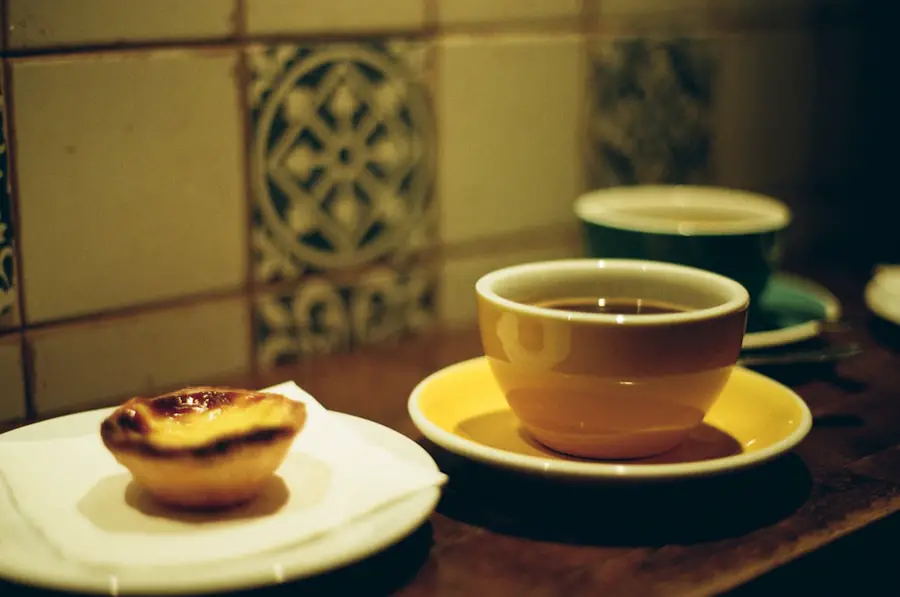
While the classic Pastel de Nata remains beloved for its simplicity and authenticity, innovative bakers have begun experimenting with variations that add new dimensions to this traditional dessert. One popular twist involves incorporating different flavors into the custard filling. For instance, some bakeries offer tarts infused with citrus zest or spices like cardamom and vanilla, providing a unique taste experience while still honoring the original recipe.
Another exciting variation is the use of alternative crusts or toppings. Some chefs have opted for chocolate or almond-based crusts that complement the creamy filling in unexpected ways. Additionally, toppings such as fresh fruit or caramel drizzle have emerged as popular choices for those looking to elevate their Pastel de Nata experience.
These creative adaptations not only cater to diverse palates but also reflect the evolving nature of culinary traditions as they adapt to contemporary tastes.
How to Make Pastel de Nata at Home
For those who wish to recreate the magic of Pastel de Nata in their own kitchens, making these delightful tarts at home can be an enjoyable endeavor. The process begins with preparing the pastry dough by combining flour and butter until it resembles coarse crumbs before gradually adding cold water to form a smooth dough. After resting in the refrigerator for at least an hour, the dough is rolled out into thin sheets and folded multiple times to create layers.
The custard filling requires careful attention; egg yolks are whisked together with sugar before being combined with heated milk and cream. This mixture must be stirred continuously over low heat until it thickens slightly. Once cooled, it is poured into the prepared pastry shells before being baked at high temperatures until golden brown on top.
While achieving perfection may take practice, the satisfaction of enjoying homemade Pastel de Nata makes it well worth the effort.
Pairing Pastel de Nata with Other Portuguese Delicacies
To enhance the experience of savoring Pastel de Nata, pairing it with other traditional Portuguese delicacies can create a delightful culinary journey.
This combination is often enjoyed during breakfast or as an afternoon snack in many Portuguese households.
Another excellent pairing is with queijo da Serra, a rich sheep’s milk cheese from Portugal’s Serra da Estrela region. The creamy texture and nutty flavor of this cheese provide an intriguing contrast to the smooth custard filling of the tart. Additionally, serving Pastel de Nata alongside other pastries such as bola de Berlim (a Portuguese doughnut) or travesseiros (puff pastries filled with almond cream) can create an indulgent dessert platter that showcases the diversity of Portuguese sweets.
In conclusion, Pastel de Nata stands as a testament to Portugal’s rich culinary heritage and cultural significance. Its history reflects resourcefulness and creativity while its ingredients showcase traditional techniques passed down through generations. As it continues to gain global recognition and inspire variations around the world, this beloved custard tart remains an enduring symbol of Portuguese identity and pride.
Pastel de nata, the beloved Portuguese custard tart, is a delightful treat that pairs wonderfully with various dishes. For those looking to complement their dessert with a savory option, consider trying the pot stickers with chicken and chili sauce. The combination of the rich, creamy custard and the savory, spicy flavors of the pot stickers creates a unique dining experience that is sure to impress.
FAQs
What is Pastel de nata?
Pastel de nata is a traditional Portuguese custard tart pastry. It consists of a flaky, crispy pastry shell filled with a rich, creamy egg custard and is often topped with a sprinkle of cinnamon or powdered sugar.
Where did Pastel de nata originate?
Pastel de nata originated in Portugal, specifically in Lisbon. It was first created by Catholic monks at the Jerónimos Monastery in the 18th century.
What are the main ingredients of Pastel de nata?
The main ingredients of Pastel de nata include puff pastry, egg yolks, sugar, milk or cream, flour, and sometimes lemon zest or cinnamon for flavoring.
How is Pastel de nata traditionally served?
Pastel de nata is traditionally served warm or at room temperature. It is often enjoyed with a dusting of cinnamon and powdered sugar and is commonly paired with coffee or tea.
Is Pastel de nata gluten-free?
No, Pastel de nata is not gluten-free because it is made with puff pastry, which contains wheat flour.
Can Pastel de nata be found outside of Portugal?
Yes, Pastel de nata has become popular worldwide and can be found in many Portuguese bakeries and cafes around the globe, especially in countries with Portuguese communities.
What is the difference between Pastel de nata and other custard tarts?
Pastel de nata is distinguished by its flaky puff pastry crust and the caramelized, slightly burnt top of the custard, which gives it a unique texture and flavor compared to other custard tarts.
How long can Pastel de nata be stored?
Pastel de nata is best eaten fresh but can be stored in an airtight container at room temperature for up to 1 day or refrigerated for up to 2 days. Reheating in an oven helps restore its crispiness.
Are there any variations of Pastel de nata?
While the traditional recipe remains popular, some variations include adding vanilla, lemon zest, or different spices to the custard. However, the classic version is most widely recognized and enjoyed.