

Gingerbread has a rich and varied history that dates back thousands of years, with its origins tracing back to ancient civilizations. The earliest known use of ginger in cooking can be found in the ancient Greeks and Romans, who utilized the spice for both culinary and medicinal purposes. However, it was during the Middle Ages that gingerbread began to take on its more recognizable form.
In the 9th century, European bakers started to create a spiced bread made with honey and breadcrumbs, which was often shaped into figures and decorated with intricate designs. This early version of gingerbread was not only a treat but also served as a form of art, with bakers showcasing their skills through elaborate decorations. As gingerbread spread throughout Europe, it became associated with various cultural and religious traditions.
By the 15th century, gingerbread had made its way to England, where it was often sold at fairs and markets. The introduction of molasses and sugar in the 16th century transformed gingerbread into a sweeter and more palatable treat. The famous gingerbread men, which are now a staple of holiday baking, are believed to have originated in the 16th century when Queen Elizabeth I commissioned bakers to create gingerbread figures in the likeness of her guests.
This practice not only popularized gingerbread but also established it as a festive food associated with celebrations and special occasions.
Key Takeaways
- Gingerbread has a long history, dating back to ancient times and evolving into the modern day holiday tradition we know today.
- The key ingredients for making perfect gingerbread include flour, sugar, spices, and of course, ginger, along with techniques such as chilling the dough and using cookie cutters for shapes.
- Gingerbread houses are a fun and festive holiday tradition that brings joy to both children and adults, and can be decorated in endless creative ways.
- Surprisingly, gingerbread has some health benefits, including its nutritional value with antioxidants and anti-inflammatory properties.
- Gingerbread comes in various forms, from cookies to cakes, and can be adapted to different tastes and occasions, making it a versatile treat for any holiday.
The Ingredients and Techniques for Making the Perfect Gingerbread
Creating the perfect gingerbread requires a careful selection of ingredients and a mastery of techniques that have been honed over centuries. The primary ingredients typically include flour, sugar, molasses, butter, eggs, and a blend of spices such as ginger, cinnamon, nutmeg, and cloves. Each ingredient plays a crucial role in achieving the desired flavor and texture.
For instance, molasses not only adds sweetness but also contributes to the rich color and moistness of the final product. The choice of spices can vary based on personal preference, but the hallmark of traditional gingerbread is its warm, aromatic profile. The technique of mixing these ingredients is equally important.
A common method involves creaming together the butter and sugar until light and fluffy before gradually adding the molasses and eggs. This process helps to incorporate air into the mixture, resulting in a lighter texture. Once the wet ingredients are combined, the dry ingredients—flour and spices—are sifted together and folded into the mixture.
After shaping the dough into desired forms, chilling it before baking is recommended; this helps maintain the shape during baking and enhances the flavors as they meld together.
Gingerbread Houses: A Fun and Festive Holiday Tradition
The tradition of building gingerbread houses has become synonymous with holiday celebrations in many cultures around the world. This delightful practice can be traced back to Germany in the early 19th century when the Brothers Grimm published their famous fairy tale “Hansel and Gretel,” which featured a house made entirely of candy and sweets. Inspired by this story, bakers began crafting elaborate gingerbread houses adorned with icing, candies, and other decorative elements.
These creations quickly gained popularity as families sought to recreate the whimsical imagery from the tale. Constructing a gingerbread house is not merely about baking; it is an opportunity for creativity and family bonding. The process typically begins with baking gingerbread panels that will form the walls and roof of the house.
Once cooled, these panels are assembled using royal icing as a glue, which hardens quickly to provide structural integrity. Decorating the house is where imagination truly takes flight—candy canes, gumdrops, chocolate bars, and sprinkles can all be used to create vibrant designs. Many families turn this activity into a friendly competition, showcasing their artistic flair while enjoying each other’s company during the holiday season.
The Health Benefits of Gingerbread: Surprising Nutritional Value
| Nutrient | Amount |
|---|---|
| Calories | 356 |
| Protein | 4g |
| Fat | 11g |
| Carbohydrates | 61g |
| Fiber | 2g |
| Sugar | 32g |
| Iron | 15% |
| Calcium | 7% |
While gingerbread is often viewed as an indulgent treat during the holidays, it surprisingly offers some health benefits due to its key ingredients. Ginger itself is renowned for its medicinal properties; it has been used for centuries to alleviate digestive issues, reduce inflammation, and even combat nausea. The presence of spices like cinnamon also contributes to its healthful profile; cinnamon has been linked to improved blood sugar control and has antioxidant properties that can help protect against cellular damage.
Moreover, when made with whole grain flours or alternative sweeteners like honey or maple syrup instead of refined sugars, gingerbread can be a more nutritious option compared to other baked goods. Whole grain flours provide fiber, which aids digestion and promotes satiety. Additionally, incorporating nuts or seeds into gingerbread recipes can enhance their nutritional value by adding healthy fats, protein, and essential vitamins and minerals.
Thus, while enjoying gingerbread during festive occasions, one can also appreciate its potential health benefits when prepared thoughtfully.
Gingerbread Variations: From Cookies to Cakes and Everything in Between
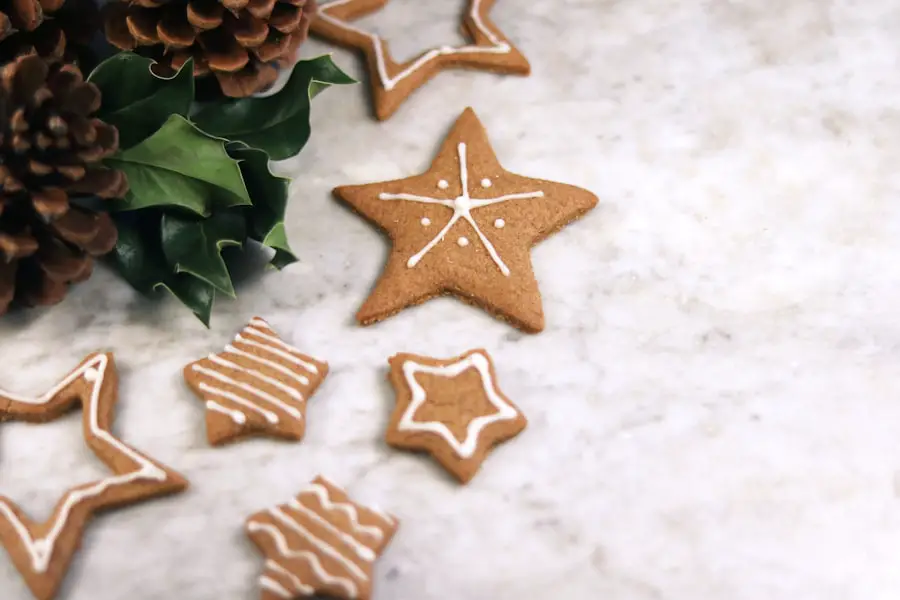
Gingerbread is not limited to just cookies or houses; it encompasses a wide array of variations that cater to diverse tastes and preferences. One popular form is gingerbread cookies, which can be cut into various shapes—ranging from traditional men and women to festive stars and trees—making them perfect for holiday gifting or decorating. These cookies can be soft or crisp depending on the recipe used; for instance, adding more flour will yield a firmer cookie while reducing flour can create a chewy texture.
Beyond cookies, gingerbread can also be transformed into cakes or muffins for those who prefer a softer dessert option. Gingerbread cake is often moist and spiced generously, making it an excellent choice for holiday gatherings or as a comforting dessert during colder months. Some recipes even incorporate layers of cream cheese frosting or caramel sauce for added richness.
Additionally, variations such as gluten-free gingerbread or vegan options have emerged in response to dietary restrictions, allowing more people to enjoy this beloved treat without compromising on flavor.
Decorating Gingerbread: Tips and Tricks for Creating Beautiful and Delicious Treats
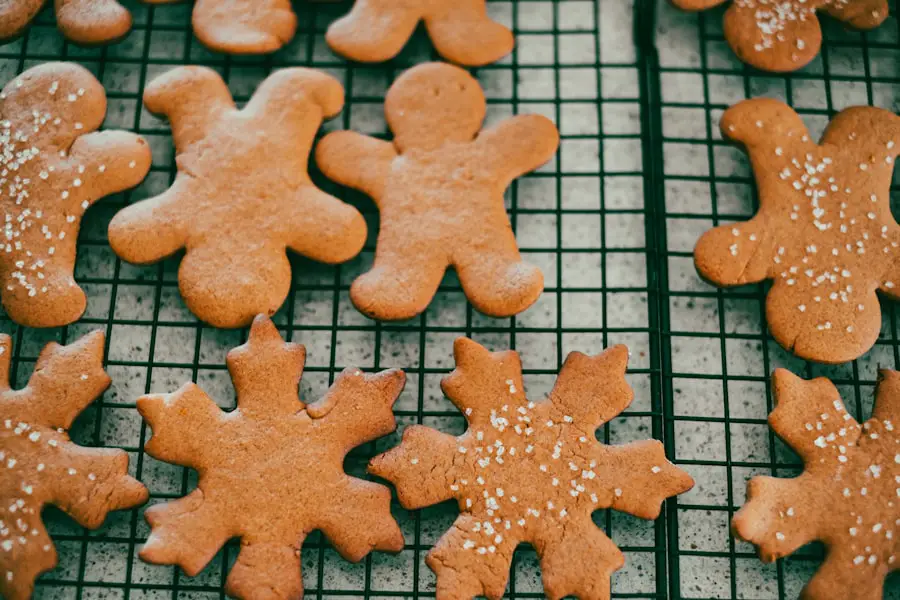
The art of decorating gingerbread is where bakers can truly express their creativity. Royal icing is commonly used for decorating due to its ability to harden quickly and provide a sturdy base for embellishments. To achieve the perfect consistency for piping intricate designs or flooding surfaces with icing, it’s essential to find the right balance between water and powdered sugar.
A thicker icing works well for outlining shapes while a thinner consistency is ideal for filling in larger areas. In addition to icing, incorporating various candies can elevate the visual appeal of gingerbread creations. Using colorful candies like M&Ms or Skittles can add pops of color while chocolate chips or nuts can provide texture contrast.
Edible glitter or gold dust can also be sprinkled on top for an extra festive touch. When decorating gingerbread houses specifically, creating themed designs—such as winter wonderlands or candy kingdoms—can make the process even more enjoyable. Planning ahead by sketching out designs or gathering materials beforehand can streamline the decorating process and ensure that bakers have everything they need at their fingertips.
Gingerbread Around the World: Different Cultural Takes on this Festive Treat
Gingerbread has transcended cultural boundaries, leading to unique interpretations across various countries. In Sweden, for example, “pepparkakor” are thin ginger cookies often shaped into hearts or stars and enjoyed during Christmas festivities. These cookies are typically spiced with cardamom in addition to traditional ginger and cinnamon flavors, giving them a distinct taste that reflects Swedish culinary traditions.
In Mexico, “pan de jengibre” is a popular treat during the holiday season as well. This version often incorporates local spices such as anise or cloves and may be enjoyed in both cookie form or as a cake-like dessert known as “pan de muerto.” Similarly, in Poland, “pierniki” are spiced honey cookies that are often decorated with icing or filled with fruit preserves.
Gingerbread Recipes: From Classic to Creative, Ideas for Your Holiday Baking
For those looking to dive into the world of gingerbread baking this holiday season, there are countless recipes available that cater to all skill levels and preferences. A classic recipe for soft gingerbread cookies typically includes flour, brown sugar, molasses, ground ginger, cinnamon, baking soda, and butter—resulting in a chewy texture that pairs perfectly with a cup of tea or coffee. For those seeking something more adventurous, consider trying a spiced gingerbread cake layered with cream cheese frosting infused with orange zest for a refreshing twist on traditional flavors.
Alternatively, experimenting with gluten-free flour blends can yield delicious results without sacrificing taste or texture. For an even more creative approach, bakers might explore savory variations by incorporating herbs like rosemary or thyme into their dough for an unexpected yet delightful flavor profile. Whether you opt for classic recipes or venture into innovative territory, baking gingerbread offers an opportunity to connect with tradition while also expressing personal creativity through flavors and designs that resonate with your own culinary journey.
If you’re a fan of trying out different baked goods, you may also enjoy learning how to make Jamaican Beef Patties. These savory pastries are filled with seasoned ground beef and spices, making them a delicious snack or meal option. Check out this article for a step-by-step guide on how to make your own Jamaican Beef Patties at home.
FAQs
What is gingerbread?
Gingerbread is a sweet and spicy cake or cookie flavored with ginger, cinnamon, cloves, and molasses. It is often associated with the holiday season and is popular in many cultures around the world.
What are the different types of gingerbread?
There are several different types of gingerbread, including gingerbread cookies, gingerbread cake, and gingerbread houses. Each type can vary in flavor, texture, and appearance.
What are the ingredients used in gingerbread?
The main ingredients in gingerbread typically include flour, sugar, butter or oil, molasses, ginger, cinnamon, cloves, and sometimes nutmeg. Additional ingredients such as eggs, milk, and baking powder may also be used.
What is the history of gingerbread?
Gingerbread has a long history dating back to ancient times, with its origins traced to the Middle East. It became popular in Europe during the Middle Ages and has since become a beloved holiday treat in many countries.
How is gingerbread traditionally decorated?
Gingerbread is often decorated with icing, candies, and other edible decorations. Gingerbread houses, in particular, are often elaborately decorated with colorful candies and royal icing.
What are some popular variations of gingerbread?
Some popular variations of gingerbread include gingerbread men, gingerbread loaf, gingerbread muffins, and gingerbread cookies with different shapes and designs. Additionally, some recipes may include additional ingredients such as chocolate chips, nuts, or dried fruit.