

Fritters have a rich and varied history that stretches back to ancient civilizations, where the concept of frying food in oil was first embraced. The earliest known fritters can be traced to the ancient Greeks and Romans, who prepared a variety of fried foods. The Greeks, for instance, made a dish called “sphongia,” which consisted of fried dough mixed with honey and spices.
This early form of fritter was not only a culinary delight but also a way to preserve food, as frying in oil helped to extend the shelf life of ingredients. The Romans adopted and adapted these recipes, creating their own versions that often included ingredients like cheese and vegetables. As time progressed, fritters evolved and spread across different cultures, each adding its unique twist.
The French contributed significantly to the evolution of fritters with their “beignets,” which are sweet fried pastries often dusted with powdered sugar. By the time the Renaissance rolled around, fritters had become a staple in many European kitchens, with recipes being documented in cookbooks and passed down through generations.
This culinary tradition continued to flourish, leading to the diverse array of fritters we enjoy today.
Key Takeaways
- Fritters have a long history, dating back to ancient times and evolving into modern day delights enjoyed around the world.
- The basic ingredients for making perfect fritters include flour, eggs, milk, and a variety of fruits, vegetables, or meats.
- Sweet and savory fritters offer a wide range of flavors and textures, from apple cinnamon to zucchini and cheese.
- Fritters are a global culinary delight, with each culture putting its own unique spin on this beloved dish.
- Tips and tricks for frying the perfect fritter include using the right oil, maintaining the correct temperature, and properly draining excess oil after frying.
The Basic Ingredients for Making Perfect Fritters
The Basic Batter
The base of the batter usually includes flour, which provides structure, and a liquid component such as water or milk that helps achieve the desired consistency. Eggs are often added to enrich the batter and provide binding properties, ensuring that the fritters hold together during frying.
Enhancing Flavor
In addition to these basic ingredients, seasonings play a crucial role in enhancing the flavor profile of fritters. Salt is essential for balancing flavors, while spices such as paprika, cumin, or black pepper can add depth and complexity. For sweet fritters, sugar is often incorporated into the batter, along with flavorings like vanilla or cinnamon.
Choosing the Right Fillings
The choice of fillings is equally important; for instance, corn fritters might include fresh corn kernels and herbs, while apple fritters could feature diced apples mixed with cinnamon sugar. The combination of these ingredients ultimately determines the texture and taste of the finished product.
Fritters can be broadly categorized into two main types: sweet and savory, each offering a distinct culinary experience. Sweet fritters are often enjoyed as desserts or snacks and can be made with a variety of fruits and sweeteners. Classic examples include banana fritters, where ripe bananas are mashed into a batter and fried until golden brown, creating a crispy exterior that contrasts beautifully with the soft, sweet interior.
Another popular sweet variant is the apple fritter, which typically features chunks of apple coated in a spiced batter and fried until crispy, often finished with a glaze or dusting of powdered sugar. On the other hand, savory fritters are typically served as appetizers or side dishes and can incorporate an array of vegetables, meats, or cheeses. Zucchini fritters are a beloved choice, where grated zucchini is mixed with flour, eggs, and herbs before being fried to perfection.
These fritters are not only delicious but also an excellent way to use up excess summer produce. Another savory option is the classic crab cake fritter, which combines lump crab meat with breadcrumbs and seasonings for a rich and flavorful bite.
Fritters Around the World: A Global Culinary Delight
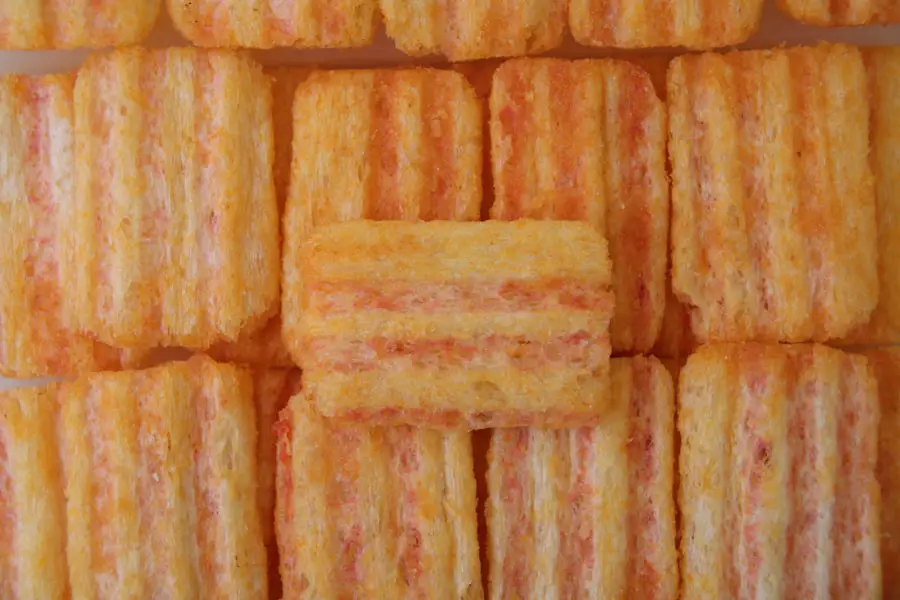
Fritters are not confined to any single culture; they have found their way into cuisines around the globe, each region putting its unique spin on this beloved dish. In India, for example, “bhaji” refers to a variety of vegetable fritters made from chickpea flour (besan) and spices. These crispy delights are often served as street food and are particularly popular during monsoon season when people crave warm snacks. The use of spices like turmeric and cumin gives Indian fritters a distinctive flavor that sets them apart from their Western counterparts. In Latin America, “buñuelos” are a type of fritter that varies from country to country.
In Mexico, buñuelos are often made from a sweet dough that is rolled thin and fried until crispy, then dusted with sugar or drizzled with syrup. In Colombia, they take on a different form, often incorporating cheese into the dough for a savory treat that pairs well with hot chocolate. These regional variations highlight how fritters can adapt to local tastes and ingredients while maintaining their fundamental appeal as a fried delicacy.
Tips and Tricks for Frying the Perfect Fritter
| Tip | Trick |
|---|---|
| Use a thick batter | For a crispy texture |
| Heat oil to 375°F | For even frying |
| Don’t overcrowd the pan | To ensure even cooking |
| Use a slotted spoon | To remove fritters from oil |
| Drain on paper towels | To remove excess oil |
Achieving the perfect fritter requires attention to detail during the frying process. One crucial aspect is maintaining the right oil temperature; if the oil is too hot, the outside will burn before the inside cooks through, while oil that is too cool will result in greasy fritters that lack crispness. A temperature range of 350°F to 375°F (175°C to 190°C) is ideal for frying most fritters.
Using a thermometer can help ensure accuracy, but one can also test the oil by dropping in a small amount of batter; if it sizzles and rises to the surface quickly, the oil is ready. Another important tip is not to overcrowd the frying pan or pot. Adding too many fritters at once can lower the oil temperature significantly, leading to uneven cooking.
Instead, fry in small batches to maintain consistent heat throughout the cooking process. Once fried, it’s essential to drain excess oil by placing the fritters on paper towels or a wire rack immediately after removing them from the oil. This step helps retain their crispiness and prevents them from becoming soggy.
Creative Fritter Recipes for Special Occasions
Festive Fritters for Holiday Gatherings
During festive gatherings like Thanksgiving or Christmas, consider making pumpkin fritters spiced with nutmeg and cinnamon. These seasonal treats can be served as appetizers or desserts and pair beautifully with a maple syrup drizzle or whipped cream.
Gourmet Seafood Fritters for Formal Events
For more formal events such as weddings or dinner parties, consider crafting gourmet seafood fritters using lobster or shrimp mixed with herbs and spices. These luxurious bites can be served alongside a zesty dipping sauce made from aioli or citrus-infused mayonnaise.
Elevating Traditional Recipes
Additionally, incorporating unexpected flavors such as truffle oil or fresh herbs can elevate traditional recipes into something truly memorable.
Healthier Alternatives to Traditional Fritters

While traditional fritters are undeniably delicious, they can also be high in calories and fat due to frying in oil. However, there are several ways to create healthier alternatives without sacrificing flavor. One popular method is baking instead of frying; by placing fritters on a baking sheet lined with parchment paper and lightly spraying them with cooking oil, one can achieve a crispy texture while significantly reducing fat content.
Another approach is to incorporate whole grains into the batter by using whole wheat flour or alternative flours like almond or chickpea flour. These options not only add nutritional value but also enhance flavor profiles. Additionally, increasing the proportion of vegetables in savory fritters can boost fiber content while reducing calories.
For example, cauliflower fritters made from riced cauliflower mixed with eggs and spices provide a low-carb alternative that still satisfies cravings for fried food.
Serving and Pairing Fritters for Maximum Enjoyment
The way fritters are served can greatly enhance the overall dining experience. Presentation plays an important role; arranging fritters on a platter with colorful garnishes such as fresh herbs or edible flowers can make them visually appealing. Dipping sauces also add an extra layer of flavor; consider serving sweet fritters with chocolate sauce or caramel dip while savory options might pair well with tangy yogurt-based sauces or spicy salsas.
Pairing fritters with complementary side dishes can create a well-rounded meal. For instance, serving vegetable fritters alongside a fresh salad dressed in vinaigrette can balance out richness while adding freshness to the plate. For sweet varieties, consider pairing them with fresh fruit or ice cream for dessert; this combination not only enhances flavors but also adds texture contrast that elevates the overall enjoyment of the dish.
In conclusion, fritters represent a delightful intersection of history, culture, and culinary creativity that continues to evolve over time. Whether enjoyed as street food around the world or served at elegant gatherings, they remain a beloved dish that invites experimentation and innovation in kitchens everywhere.
If you’re a fan of fritters, you may also enjoy trying out this authentic Indian chicken curry recipe for a flavorful and spicy dish. The combination of spices and ingredients in this curry will surely tantalize your taste buds. Additionally, if you’re looking for some creative dorm room ideas to spruce up your living space, check out this article on 21 dorm room ideas we’re totally stealing for ourselves. And don’t forget to also consider checking your beauty routine for toxic ingredients by reading this informative article on checking your beauty routine for toxic ingredients to ensure you’re using safe and healthy products.
FAQs
What are fritters?
Fritters are a type of fried food made by coating ingredients such as meat, vegetables, or fruit in a batter and then frying them until they are crispy and golden brown.
What are some common types of fritters?
Some common types of fritters include apple fritters, corn fritters, zucchini fritters, and shrimp fritters. They can be sweet or savory, depending on the ingredients used.
How are fritters typically served?
Fritters are often served as a snack, appetizer, or side dish. They can be enjoyed on their own or with a dipping sauce, such as aioli, salsa, or maple syrup.
What are the key ingredients in fritters?
The key ingredients in fritters typically include flour, eggs, milk or water, and a variety of other ingredients such as vegetables, fruit, or meat. The batter is often seasoned with herbs and spices to enhance the flavor.
Are fritters a healthy food choice?
Fritters are generally considered to be a less healthy food choice due to the fact that they are fried. However, they can be made healthier by using whole grain flour, incorporating plenty of vegetables or fruit, and using healthy cooking oils.