

Frosting is an essential component of cake decorating, serving not only as a sweet topping but also as a medium for creativity and expression. At its core, frosting can be categorized into several types, each with its unique texture, flavor, and application.
Buttercream, made primarily from butter and sugar, is beloved for its creamy texture and versatility. It can be easily flavored and colored, making it a favorite among bakers for both cakes and cupcakes. Cream cheese frosting, on the other hand, offers a tangy twist that pairs beautifully with carrot cakes and red velvet.
Its base of cream cheese adds a rich flavor profile that contrasts nicely with the sweetness of sugar. Ganache, a mixture of chocolate and cream, provides a luxurious finish to desserts and can be poured over cakes for a glossy effect or whipped to create a fluffy frosting. Royal icing, made from egg whites and powdered sugar, dries hard and is often used for intricate decorations on cookies and cakes.
Each type of frosting has its own set of characteristics that make it suitable for different occasions and styles of baking.
Key Takeaways
- Different types of frosting include buttercream, royal icing, fondant, and cream cheese frosting
- Essential tools for frosting success include offset spatulas, piping bags, piping tips, and a turntable
- Tips for mastering the perfect buttercream include using room temperature ingredients and gradually adding powdered sugar
- Getting creative with flavors involves experimenting with unique combinations such as lavender honey or matcha green tea
- Advanced techniques for frosting include creating intricate designs with piping, using stencils, and incorporating textures like ruffles and rosettes
Essential Tools for Frosting Success: From Spatulas to Piping Bags
Essential Tools for Frosting
A good quality offset spatula is indispensable for spreading frosting evenly across the surface of cakes. Its angled blade allows for precision and control, making it easier to create smooth finishes or textured designs.
Decorative Frosting Tools
For those who prefer a more decorative approach, piping bags are essential. These bags come in various sizes and can be fitted with different nozzles to create an array of designs, from simple swirls to intricate flowers.
Additional Tools for Efficient Frosting
In addition to spatulas and piping bags, a turntable can significantly enhance the frosting process. This rotating platform allows bakers to easily access all sides of the cake without having to move around it, ensuring an even application of frosting. A bench scraper is another valuable tool; it helps achieve sharp edges and smooth surfaces when frosting layered cakes. Lastly, a set of measuring cups and spoons is crucial for accurately measuring ingredients, ensuring that the frosting has the right consistency and flavor.
Mastering the Perfect Buttercream: Tips and Tricks for a Smooth and Creamy Finish
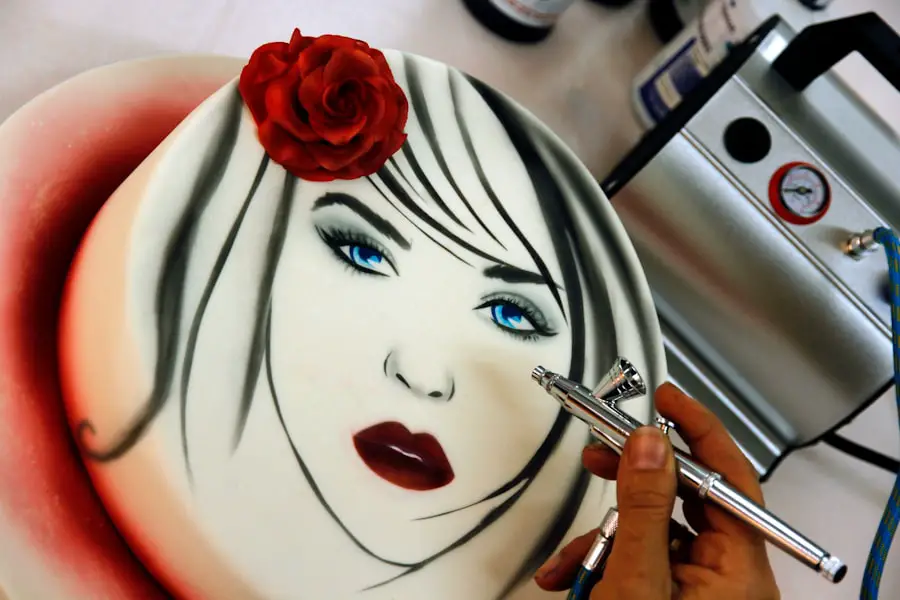
Creating the perfect buttercream frosting requires attention to detail and a few key techniques. Start with room temperature butter; this ensures that it will cream smoothly with the sugar. When mixing, use a stand mixer or hand mixer on medium speed to incorporate air into the butter, which contributes to a light and fluffy texture.
Gradually add powdered sugar to avoid a cloud of sugar dust in your kitchen. It’s also beneficial to sift the powdered sugar beforehand to eliminate any lumps that could affect the final texture. Another important aspect is the addition of liquid ingredients such as milk or cream.
These should be added gradually until the desired consistency is achieved. For a stiffer buttercream suitable for piping decorations, use less liquid; conversely, for spreading on cakes, a slightly looser consistency is preferable. Flavoring your buttercream can elevate its taste; vanilla extract is classic, but experimenting with almond extract or citrus zest can yield delightful results.
Finally, if you find your buttercream too sweet, incorporating a pinch of salt can balance the flavors beautifully.
Getting Creative with Flavors: Exploring Unique Frosting Combinations
| Frosting Combination | Flavors | Popularity |
|---|---|---|
| Matcha Green Tea + White Chocolate | Matcha, White Chocolate | High |
| Lavender + Honey | Lavender, Honey | Medium |
| Chai Spice + Salted Caramel | Chai Spice, Salted Caramel | High |
| Coconut + Pineapple | Coconut, Pineapple | Low |
While traditional flavors like vanilla and chocolate are always popular choices, exploring unique frosting combinations can take your baked goods to new heights. One exciting option is to infuse your buttercream with fresh herbs such as basil or mint. A basil-infused buttercream pairs wonderfully with lemon cake, creating a refreshing contrast that surprises the palate.
Similarly, mint buttercream can enhance chocolate desserts, offering a classic flavor combination with a twist. Another avenue for creativity lies in incorporating fruits into your frostings. Pureed strawberries or raspberries can add both flavor and color to your buttercream, resulting in a vibrant pink hue that’s perfect for springtime celebrations.
For a more exotic touch, consider using spices like cardamom or chai spices in your frosting; these can add warmth and depth that complement spiced cakes beautifully. Additionally, experimenting with different types of chocolate—such as dark chocolate or white chocolate—can yield frostings that cater to various tastes while providing an opportunity for artistic expression.
Advanced Techniques: Creating Intricate Designs and Textures with Frosting
Once you have mastered the basics of frosting, you may want to delve into advanced techniques that allow for intricate designs and textures. One popular method is the use of the “ruffle” technique with piping bags fitted with specialized nozzles. This technique involves creating layered ruffles that can adorn cupcakes or cake tiers, adding dimension and elegance to your creations.
To achieve this look, practice piping in a consistent motion while varying the pressure on the bag to create depth. Another advanced technique involves using stencils to create patterns on frosted cakes. By placing a stencil over the frosted surface and dusting it with cocoa powder or colored sugar, you can achieve stunning designs that elevate the visual appeal of your desserts.
Additionally, mastering the art of “ombre” frosting can create a beautiful gradient effect on cakes.
Troubleshooting Common Frosting Problems: How to Fix Lumpy, Runny, or Gritty Frosting
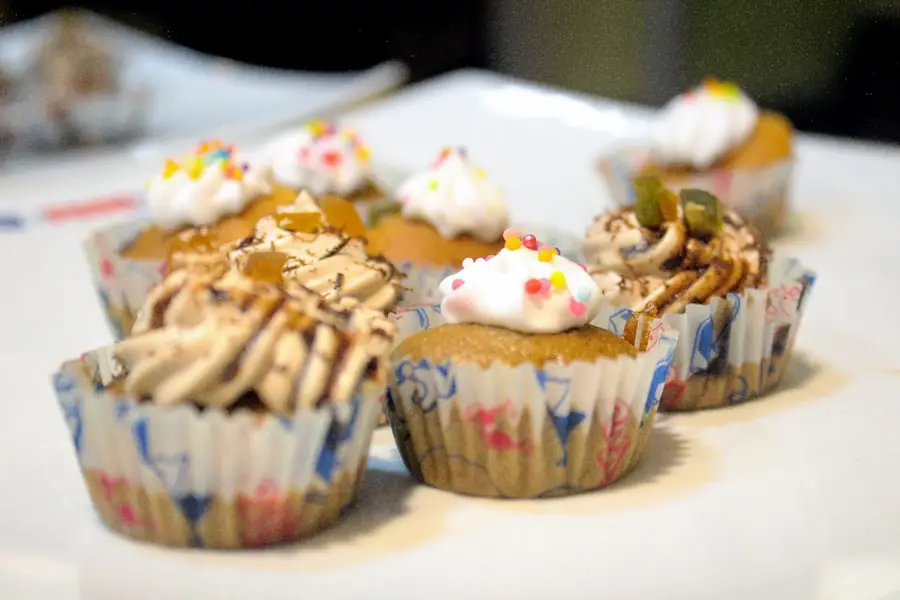
Even experienced bakers encounter issues when working with frosting; however, knowing how to troubleshoot these problems can save your dessert from disaster. Lumpy frosting is often caused by improperly creamed butter or un-sifted powdered sugar. To remedy this issue, continue mixing until the lumps disappear; if necessary, you can pass the frosting through a fine mesh sieve to remove any stubborn lumps.
Runny frosting typically results from too much liquid being added during preparation. If you find yourself in this situation, adding more powdered sugar can help thicken it up; alternatively, refrigerating the frosting for a short period can also help it firm up before application. Gritty frosting may arise from using granulated sugar instead of powdered sugar or from not mixing long enough to dissolve the sugar completely.
In this case, re-mixing the frosting at high speed can help achieve a smoother texture.
Decorating with Edible Accents: Using Sprinkles, Edible Glitter, and Fondant to Elevate Your Frosting
Decorating with edible accents can transform an ordinary frosted cake into an extraordinary centerpiece. Sprinkles are perhaps the most accessible form of decoration; they come in countless shapes, sizes, and colors that can add fun and whimsy to any dessert. From classic rainbow sprinkles to themed shapes for holidays or celebrations, they provide an easy way to enhance visual appeal without requiring advanced skills.
Edible glitter is another exciting option that adds sparkle and glamour to your creations. It’s important to choose food-grade glitter specifically designed for baking; regular craft glitter is not safe for consumption. When applying edible glitter, consider using it sparingly on top of frosted cupcakes or cakes to create an eye-catching shimmer that catches the light beautifully.
Fondant offers yet another avenue for decoration; it can be rolled out and shaped into intricate designs such as flowers or bows that can be placed atop cakes for an elegant finish.
The Finishing Touch: Tips for Displaying and Serving Your Decadent Frosted Creations
Once you’ve perfected your frosted creations, presenting them beautifully is key to making an impression at any gathering. A cake stand elevates your dessert both literally and figuratively; choosing one that complements your cake’s design can enhance its overall aesthetic appeal. For instance, a vintage glass cake stand adds charm to rustic-themed desserts while sleek modern stands suit contemporary designs.
When serving your frosted treats, consider using decorative plates or platters that match the theme of your event. For instance, using pastel-colored plates for a spring gathering or festive holiday-themed platters during winter celebrations can tie everything together beautifully. Additionally, providing small utensils such as cake forks or dessert spoons encourages guests to indulge in your creations while adding an extra touch of elegance to the presentation.
In conclusion, mastering the art of frosting involves understanding its various types, utilizing essential tools effectively, experimenting with flavors and techniques, troubleshooting common issues, decorating creatively with edible accents, and presenting your finished products beautifully. Each step contributes not only to the success of your baking endeavors but also enhances the joy of sharing delicious treats with others.
If you’re looking for another delicious dessert recipe to try, check out this article on